Care Guide: Cleaning Your Life Alert Necklace for Seniors
Learn how to safely clean and maintain a life alert necklace for seniors. Discover expert tips on sanitizing pendants, washing chains, and preventing damage.

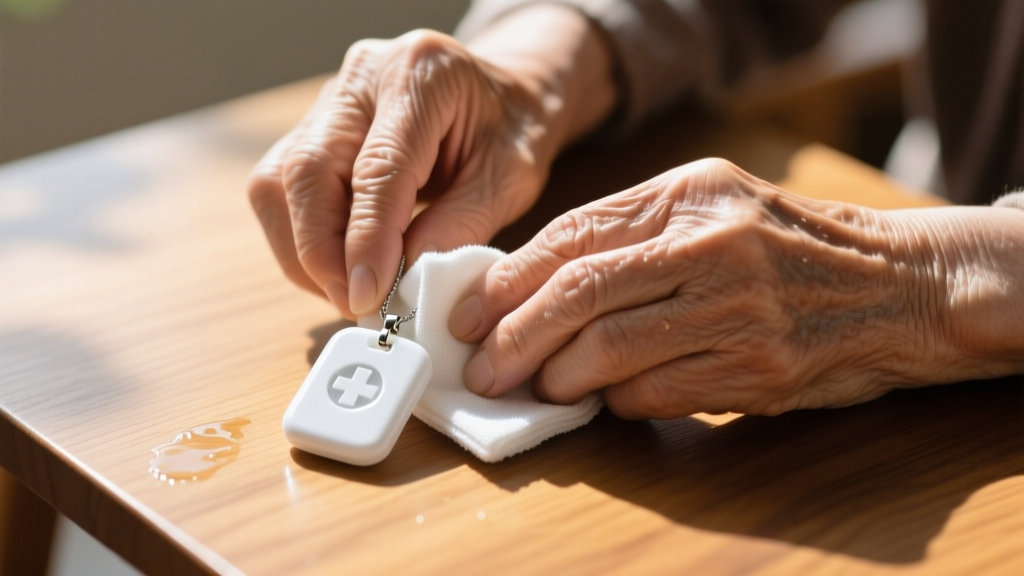
The Hidden Hygiene Hazard of 24/7 Wear
A life alert necklace for seniors is far more than a simple piece of jewelry; it is a critical, life-saving tether. According to the National Institute on Aging, falls are a leading cause of fatal and nonfatal injuries for older Americans, making 24/7 wear of a medical alert pendant an absolute necessity. However, this constant wear—especially in environments like the shower or kitchen—exposes the device to a relentless barrage of sweat, sebum, hard water, soap scum, and lipid-based lotions.
As we navigate the senior care landscape in 2026, the technology behind medical alert systems has become more compact and waterproof than ever. Yet, the physical materials require specific care. Neglecting the hygiene of your medical alert necklace can lead to skin contact dermatitis, degraded waterproof seals, and ultimately, mechanical failure when you need it most. This comprehensive guide will teach you how to properly clean, maintain, and inspect your device without compromising its internal electronics or structural integrity.
Anatomy of the Device: Materials Matter
Before applying any cleaning solution, it is vital to understand what your life alert necklace for seniors is actually made of. The AARP notes that modern pendants are engineered for durability, but they are not indestructible.
The Pendant Casing and Button
The main body of the pendant is typically molded from ABS plastic or polycarbonate, chosen for its impact resistance. The large "Help" button is usually covered by a flexible membrane made of TPU (Thermoplastic Polyurethane) or medical-grade silicone. This membrane is the most vulnerable component. Prolonged exposure to body oils and lotion causes TPU to swell, become sticky, or lose its tactile responsiveness. Furthermore, the casing relies on internal silicone O-rings to maintain its IP68 waterproof rating. Harsh chemicals will dry out these O-rings, leading to micro-fractures that let moisture destroy the circuit board.
The Chain and Lanyard
Depending on the model, the pendant hangs from either a silicone cord, a fabric lanyard, or a 316L surgical stainless steel chain. While 316L steel is highly resistant to corrosion, the tiny spring inside the lobster clasp is often made of lower-grade carbon steel. If soap scum traps moisture inside the clasp hinge, that internal spring will rust and fail, causing the necklace to drop unexpectedly.
Step-by-Step Cleaning Protocol
To maintain your device, you must separate the cleaning process into two distinct phases: sanitizing the electronic pendant and deep-cleaning the suspension chain.
Phase 1: Sanitizing the Electronic Pendant
- Preparation: Mix a few drops of pH-neutral dish soap (like Dawn) into a bowl of warm—not hot—distilled water. Avoid tap water, as the minerals can leave hard water deposits in the microphone and speaker grilles.
- Wiping: Dampen a lint-free microfiber cloth in the solution and wring it out until it is only slightly moist. Never submerge the pendant unless the manufacturer explicitly guarantees an IP68 rating and you have verified the battery compartment is sealed.
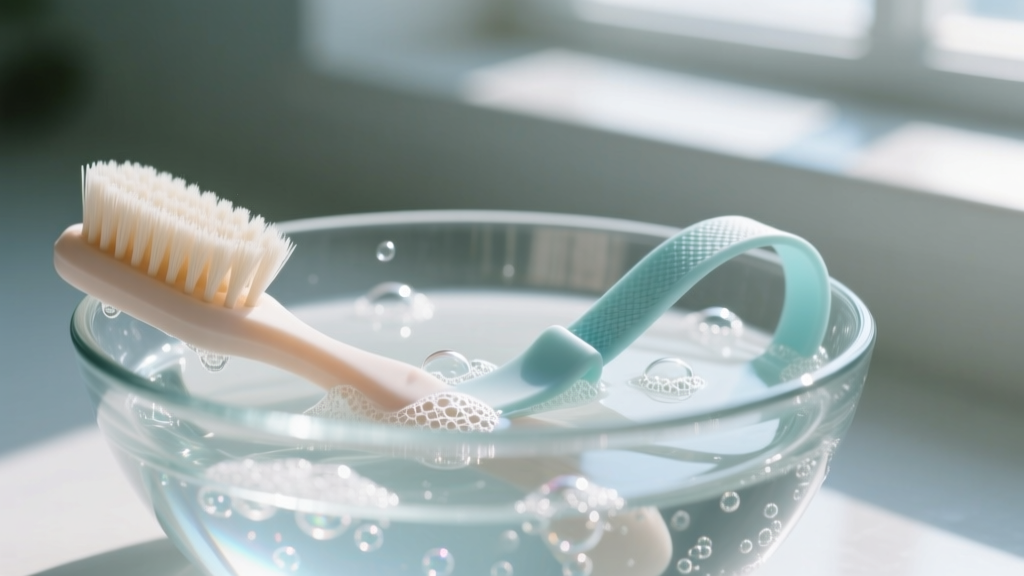
- Detailing: Use a soft-bristled toothbrush dipped in the soapy solution to gently agitate the edges of the "Help" button and the speaker mesh. This removes impacted lotion and dead skin cells.
- Drying: Immediately dry the pendant with a separate, clean microfiber cloth. Use a can of compressed air (held at a safe distance) to blow out any moisture trapped in the microphone port.
Phase 2: Deep Cleaning the Chain or Lanyard
If your device uses a 316L stainless steel chain, it can be fully submerged. Detach the chain from the electronic pendant. Soak the chain in a mixture of warm water and mild antibacterial soap for 15 minutes. Use a jewelry cleaning brush to scrub between the individual links, paying special attention to the lobster clasp. Rinse thoroughly with distilled water and lay flat on a towel to air dry. For silicone lanyards, a simple wipe-down with a damp soapy cloth is sufficient; prolonged soaking can degrade the silicone's elasticity over time.
The Ultimate Maintenance Schedule
Consistency is key to ensuring your medical alert necklace functions perfectly in an emergency. Adhere to this structured maintenance schedule to maximize the lifespan of your device.
| Frequency | Component | Action Required | Recommended Tools |
|---|---|---|---|
| Daily | Pendant Surface | Wipe down to remove lotion, sweat, and sebum | Dry microfiber cloth |
| Weekly | Button & Grilles | Lightly brush out debris from speaker/mic ports | Soft-bristled toothbrush |
| Bi-Weekly | Chain / Lanyard | Deep clean and sanitize the suspension material | pH-neutral soap, warm water |
| Monthly | System Test | Press the button to test dispatch connectivity | Device monitoring center |
| Annually | Hardware Check | Inspect jump rings and clasp springs for fatigue | Magnifying glass |
Critical Mistakes That Ruin Medical Alert Devices
Well-intentioned caregivers often ruin expensive medical equipment by applying standard jewelry cleaning methods to electronic pendants. Avoid these catastrophic errors:
- Ultrasonic Cleaners: Never place a medical alert pendant in an ultrasonic jewelry cleaner. The high-frequency acoustic cavitation will shatter the internal piezoelectric speaker, dislodge the antenna, and compromise the waterproof adhesive seals.
- Bleach and Ammonia: These harsh alkalines degrade polycarbonate casings, causing them to become brittle, yellow, and prone to cracking upon impact.
- Isopropyl Alcohol: While 70% isopropyl alcohol is a great disinfectant for hard plastics, frequent use will dry out and crack the silicone O-rings that keep the device waterproof. Stick to mild soap and water.
- Boiling Water: Some may attempt to sanitize the chain by boiling it while the pendant is attached. The extreme heat will melt the internal potting compound that protects the pendant's circuit board from moisture and shock.

Inspecting the Hardware: When to Replace the Chain
A clean necklace is useless if the hardware fails during a fall. The physical connection points are the most common failure modes for any life alert necklace for seniors. Every six months, perform a "pull test" on the chain. The jump ring—the small circular ring connecting the chain to the pendant—should be a soldered ring or a heavy-duty split ring. If it is a standard split ring, it can be pulled apart by as little as 5 pounds of force, which is easily exceeded if the necklace snags on a door handle.
Additionally, test the lobster clasp. Press the lever and release it. It should snap back with an audible, crisp click. If the closure is sluggish, or if you see any orange rust peeking out from the hinge, the internal spring is compromised. Contact your medical alert provider immediately to request a replacement chain; most providers will ship a new suspension system free of charge as part of your ongoing monitoring subscription.
Conclusion
Treating your medical alert pendant with the same care you would afford fine jewelry ensures that it remains a reliable guardian. By understanding the material science behind the device, avoiding harsh chemicals, and adhering to a strict cleaning schedule, you protect both the senior's skin and the life-saving technology they rely on. Remember, a well-maintained device is one that will be there, functioning perfectly, the moment it matters most.


