Expert Care Guide: Cleaning Your Siam Sterling Necklace
Learn how to safely clean, polish, and store your Siam sterling necklace without damaging its intricate oxidized finishes and handmade Thai details.

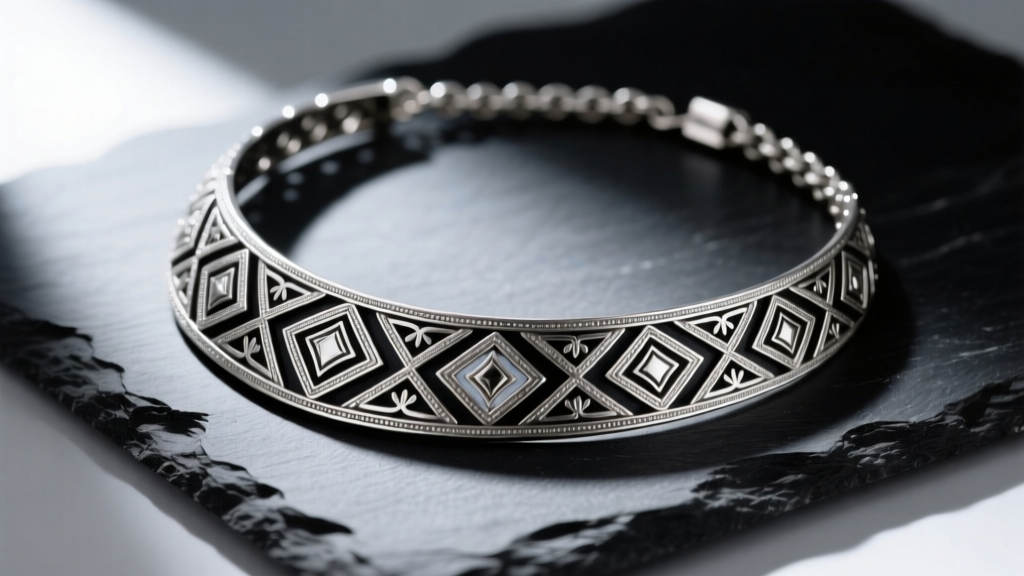
Siam sterling jewelry represents a pinnacle of traditional Thai silversmithing. Whether your piece originates from the Karen Hill Tribe artisans known for their 99.9% fine silver, or from Bangkok masters crafting 92.5% sterling silver, a Siam sterling necklace is defined by its breathtaking hand-hammered motifs and intentional, high-contrast antiquing. However, this unique aesthetic presents a specific metallurgical challenge: how do you remove environmental tarnish without stripping the deliberate oxidation that gives the necklace its depth and character?
In this comprehensive care guide, we break down the exact chemistry, tools, and step-by-step techniques required to maintain your Siam sterling necklace in 2026 and beyond, ensuring it remains a pristine heirloom without compromising its artisanal finish.
Understanding the Metallurgy and Intentional Oxidation
Before applying any cleaning agent, it is vital to understand what you are looking at. According to the Gemological Institute of America (GIA), sterling silver is an alloy containing 92.5% pure silver and 7.5% other metals, usually copper. The copper provides structural integrity but is also the primary culprit behind rapid tarnishing. Conversely, many traditional Thai pieces utilize 99.9% fine silver, which is highly resistant to tarnish but much softer and prone to physical scratching.
The dark, shadowed crevices of your Siam sterling necklace are not dirt or accidental tarnish. Artisans intentionally apply a chemical compound—most commonly liver of sulfur (potassium sulfide)—to force a rapid, controlled layer of silver sulfide over the entire piece. The raised surfaces are then polished bright, leaving the dark oxidation locked in the recesses to highlight the intricate floral or geometric patterns. If you use the wrong cleaning method, you will dissolve this intentional patina, leaving the necklace looking flat, washed-out, and stripped of its artisanal value.
The Golden Rule: Never Use Chemical Silver Dips
The most common mistake owners make is submerging their Siam sterling necklaces in commercial liquid silver dips. These products rely on harsh acids and thiourea, a sulfur-bearing organic compound that instantly strips all silver sulfide from the metal. While your chain may emerge blindingly white in seconds, the beautiful dark contrast in the hand-carved grooves will be permanently destroyed.
Environmental Tarnish vs. Intentional Patina
You must learn to differentiate between the artisan's patina and environmental tarnish. Environmental tarnish appears as a yellowish, brownish, or dull gray film on the raised, polished surfaces of the necklace. It is caused by the silver reacting with hydrogen sulfide in the ambient air, a process accelerated by humidity, skin pH, cosmetics, and airborne pollutants. Your goal is to remove only this superficial environmental film while leaving the dark recesses completely untouched.
Step-by-Step Cleaning Routine for Siam Silver
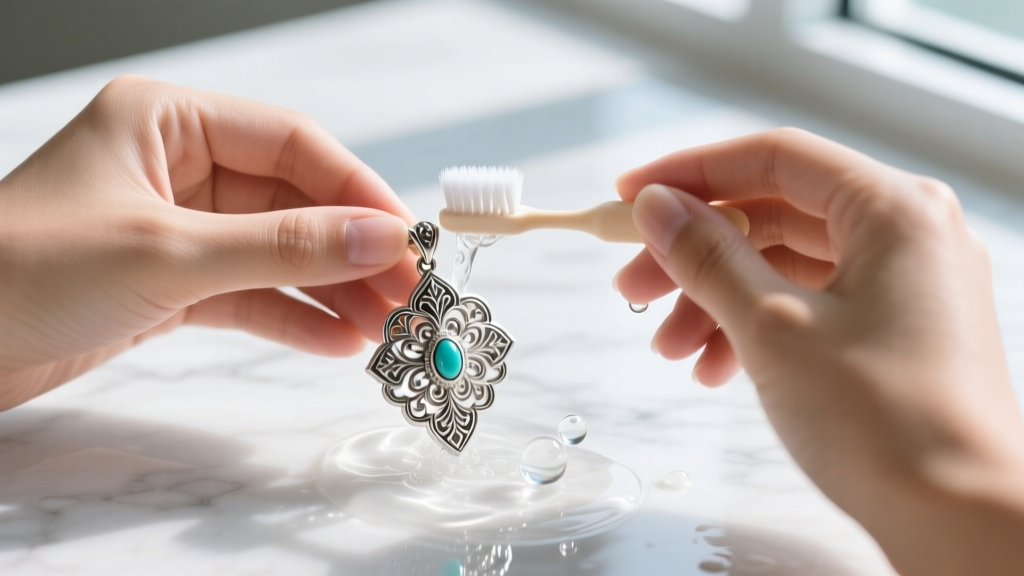
To safely clean your necklace, you need a mechanical approach rather than a chemical one. Follow this exact protocol to lift oils, lotions, and surface tarnish without harming the antiqued details.
- Prepare a Mild Surfactant Bath: Mix exactly three drops of phosphate-free, unscented dish soap (such as Dawn Free & Clear) into one cup of lukewarm distilled water. Avoid tap water, as dissolved minerals and chlorine can leave microscopic water spots on high-polish silver.
- The Soak: Submerge the Siam sterling necklace for no more than 3 to 5 minutes. This softens sebum and cosmetic buildup trapped in the chain links and clasp mechanisms.
- Gentle Agitation: Using a brand-new, extra-soft baby toothbrush, gently sweep the bristles over the raised, polished areas. Do not scrub deeply into the oxidized grooves. Use a light, feathering touch to dislodge debris from the chain links and the bail of the pendant.
- The Rinse: Rinse the necklace thoroughly under a gentle stream of lukewarm distilled water to remove all soap residue.
- Immediate Drying: Pat the piece dry with a clean, lint-free microfiber cloth. Follow up by using a hair dryer on the 'cool' setting to blow water out of the tiny crevices and jump rings. Trapped moisture is the leading cause of localized copper oxidation (green spotting) in sterling alloys.
Polishing Techniques That Preserve Antiqued Details
Washing removes oils and dirt, but it will not remove brown or black environmental tarnish on the high-relief surfaces. For this, you need a mildly abrasive jeweler's cloth impregnated with micro-polishing compounds, such as a Sunshine Polishing Cloth.
The technique is critical. Fold the cloth so you have a firm, flat edge. Pinch the raised edges of the Siam sterling pendant and rub gently. For the chain, lay it flat on a table and lightly run the cloth over the top of the links. Never wrap the cloth around your finger and rub the entire surface indiscriminately. By keeping the polishing action strictly on the raised planes, you maintain the stark contrast between the bright silver and the dark, oxidized background.
Cleaning Agents: Safe vs. Unsafe for Siam Sterling
To prevent catastrophic damage to your Thai silver jewelry, refer to this quick-reference matrix before applying any household or commercial product to your necklace.
| Cleaning Agent / Method | Verdict | Impact on Siam Sterling |
|---|---|---|
| Commercial Liquid Silver Dips | NEVER USE | Strips intentional oxidation instantly; ruins artisanal contrast. |
| Baking Soda & Aluminum Foil | AVOID | Electrochemical reaction will pull sulfur from the dark grooves, lightening the patina. |
| Toothpaste (Whitening) | AVOID | Contains hydrated silica; highly abrasive and will scratch 99.9% fine silver finishes. |
| Phosphate-Free Dish Soap | SAFE | Effectively removes skin oils and cosmetics without altering silver sulfide. |
| Impregnated Jeweler's Cloths | SAFE (With Technique) | Removes surface tarnish safely if restricted only to raised, polished areas. |
Proper Storage to Prevent Accelerated Tarnishing
According to guidelines published by the Canadian Conservation Institute, silver tarnish is an inevitable chemical reaction, but its rate can be drastically slowed by controlling the micro-environment around the jewelry. The key is to intercept sulfur-bearing gases before they reach your Siam sterling necklace.
The Ultimate Storage Protocol
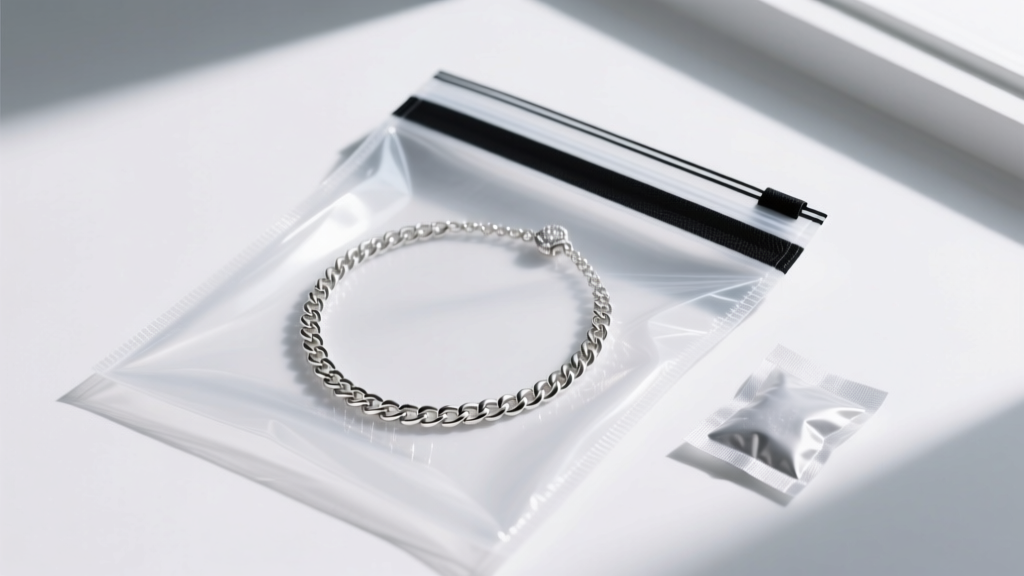
- Airtight Containment: Store the necklace in a high-quality, zip-seal polyethylene bag. Squeeze out as much ambient air as possible before sealing.
- Anti-Tarnish Strips: Place a 3M or Pacific Silver anti-tarnish strip inside the bag. These strips contain copper-based compounds that act as a sacrificial anode, absorbing sulfur gases so they don't react with your necklace.
- Moisture Control: Include a small silica gel desiccant packet to maintain a low-humidity environment, as moisture acts as a catalyst for the tarnishing process.
- Material Isolation: Never store your Siam sterling necklace in direct contact with wool, felt, rubber bands, or unsealed wooden jewelry boxes. These materials off-gas sulfur compounds and acidic vapors that will rapidly blacken the silver.
When to Seek Professional Thai Silversmith Restoration
While routine maintenance can be handled at home, certain situations require professional intervention. If the intentional oxidation in the crevices has already been accidentally stripped by a previous owner or a commercial dip, a professional jeweler can re-antique the piece using liver of sulfur and carefully re-polish the high points to restore the original Siam contrast.
Additionally, because traditional Thai silverwork often features delicate wire-wrapping, granulation, or intricate jump rings, inspect the clasp and bail every six months. If you notice any micro-fractures in the silver or loosening of the clasp spring, cease wearing the necklace immediately and consult a bench jeweler experienced in handling high-purity artisanal silver. With meticulous care and an understanding of its unique metallurgy, your Siam sterling necklace will retain its striking, museum-quality beauty for generations.


