How to Clean a Macys Gold Heart Necklace: Expert Care Guide
Learn how to safely clean and maintain your Macys gold heart necklace. Expert tips for 10k, 14k, and gold-plated pendants to restore shine.

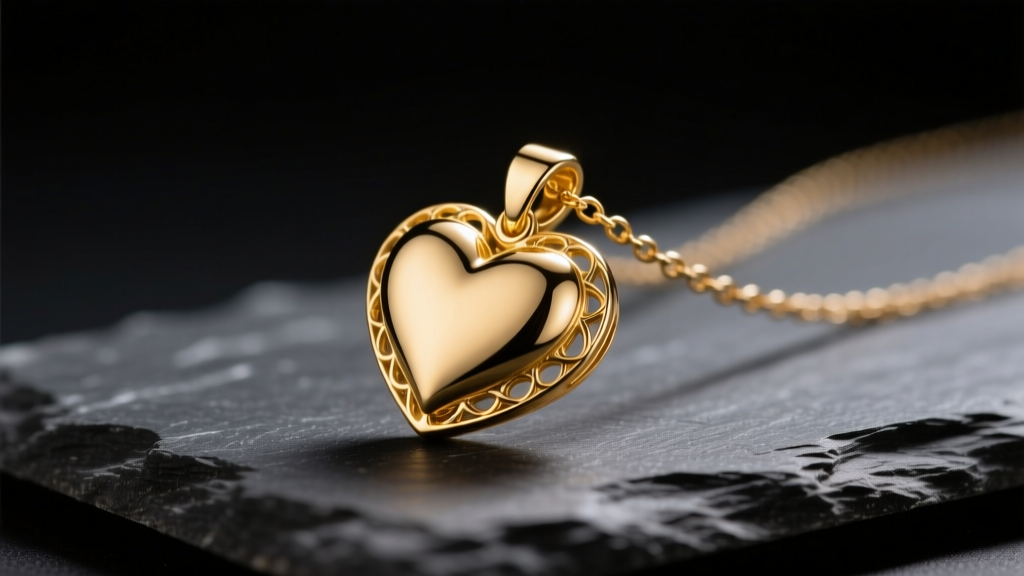
A macys gold heart necklace is a timeless staple in many jewelry collections, often gifted for anniversaries, birthdays, or as a meaningful self-purchase. However, the romantic symbolism of a heart pendant can quickly lose its luster if the metal is subjected to daily environmental stressors, skin oils, and cosmetic chemicals. Whether you own a solid 14k gold piece from Effy, a durable 10k design from Charter Club, or a trendy gold-plated option from Bar III, understanding the specific metallurgy of your necklace is the first step toward proper maintenance.
In this comprehensive 2026 care guide, we break down the exact cleaning protocols, material-specific warnings, and storage techniques required to keep your heart pendant looking pristine. According to the Gemological Institute of America (GIA), proper maintenance not only restores shine but significantly extends the structural lifespan of delicate chain links and pendant bails.
Understanding Your Macy's Gold Heart Necklace Materials
Macy's carries a diverse range of jewelry brands, and the term 'gold' can mean vastly different things depending on the label. Before applying any cleaning solution, you must identify your necklace's material grade. The Federal Trade Commission (FTC) Jewelry Guides strictly regulate these classifications, and treating a plated necklace like solid gold will permanently ruin the finish.
| Macy's Brand | Typical Material | Gold Purity / Thickness | Primary Cleaning Method |
|---|---|---|---|
| Effy / Fine Jewelry | Solid Gold | 14k (58.3% pure gold) | Warm soapy soak & soft brush |
| Charter Club | Solid Gold or Gold-Filled | 10k (41.7% pure gold) | Mild soap, avoid harsh chemicals |
| Bar III / Style & Co | Gold-Plated Brass/Silver | Micro-thin gold layer | Damp microfiber wipe only |
The Science of Tarnish: Why Heart Pendants Discolor
Pure 24k gold is highly resistant to tarnish, but it is too soft for everyday jewelry. To create a durable macys gold heart necklace, manufacturers alloy pure gold with metals like copper, silver, zinc, and nickel. It is these secondary alloys that react with sulfur compounds in the air, chlorine in tap water, and the natural pH of your skin to create tarnish.
Why 10k Gold Tarnishes Faster Than 14k
If your Macy's necklace is 10k gold, it contains 58.3% alloy metals. This higher copper and silver content makes the pendant more susceptible to oxidation, especially if you live in a high-humidity environment or frequently wear the necklace while exercising. The sweat's lactic acid accelerates the chemical reaction, leaving a dark, dull film on the surface of the heart pendant and trapping grime inside the crevices of the chain links.
Step-by-Step Cleaning Guide for Solid Gold (10K & 14K)
For solid gold heart necklaces, a gentle but thorough deep clean every 4 to 6 weeks will remove accumulated sebum, lotion residue, and dead skin cells that lodge around the pendant bail and chain clasps.
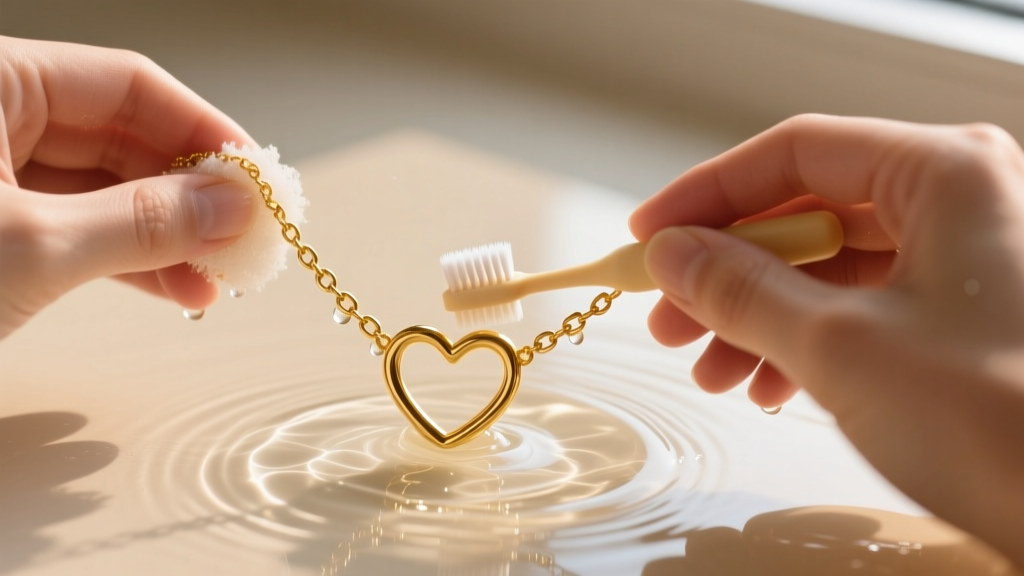
Step 1: Prepare the Cleaning Solution
Fill a small glass bowl with warm distilled water. Avoid tap water, as the chlorine and fluoride can leave microscopic mineral deposits on the gold. Add three drops of a mild, phosphate-free dish soap (such as original blue Dawn). Do not use moisturizing soaps or body washes, as they contain lipid-heavy conditioning agents that will leave a cloudy film on the metal.
Step 2: The Soak
Submerge your solid gold heart necklace completely in the solution. Let it soak for exactly 15 to 20 minutes. This timeframe is crucial; it allows the surfactants in the soap to break down the molecular bonds of the oils without over-saturating any delicate gemstone settings (like birthstones or diamond accents often found in Macy's heart lockets).
Step 3: Agitation and Brushing
Remove the necklace and use an extra-soft baby toothbrush or a dedicated jewelry brush with natural bristles. Gently brush the back of the heart pendant, the bail (the loop connecting the pendant to the chain), and the clasp mechanism. Never use a standard adult toothbrush, as the stiff nylon bristles can inflict micro-scratches on high-polish gold surfaces, dulling the reflective finish over time.
Step 4: The Rinse and Dry
Rinse the necklace under a gentle stream of lukewarm distilled water. Pat it dry with a lint-free microfiber cloth. Avoid paper towels or tissues, as the wood pulp fibers can cause microscopic abrasions and leave behind lint that snags on rope or box chains.
Special Care for Gold-Plated & Vermeil Heart Necklaces
If your Macy's purchase was a fashion jewelry piece (typically under $50), it is likely gold-plated over a brass or sterling silver base. The gold layer on these items is measured in microns—often less than 0.5 microns thick.
- Never soak plated jewelry: Prolonged exposure to water can seep into microscopic pores in the plating, causing the base metal to oxidize and blister the gold layer from the inside out.
- Avoid ultrasonic cleaners: The high-frequency sound waves used in ultrasonic machines will strip gold plating off brass bases in a matter of seconds.
- The Wipe-Down Method: Simply dampen a microfiber cloth with a mixture of distilled water and a single drop of mild soap. Gently wipe the surface of the heart pendant, then immediately dry it with a second, completely dry cloth.
Storage & Maintenance Best Practices
How you store your macys gold heart necklace when it is not being worn is just as critical as how you clean it. Improper storage leads to tangled chains, scratched pendants, and accelerated tarnishing.
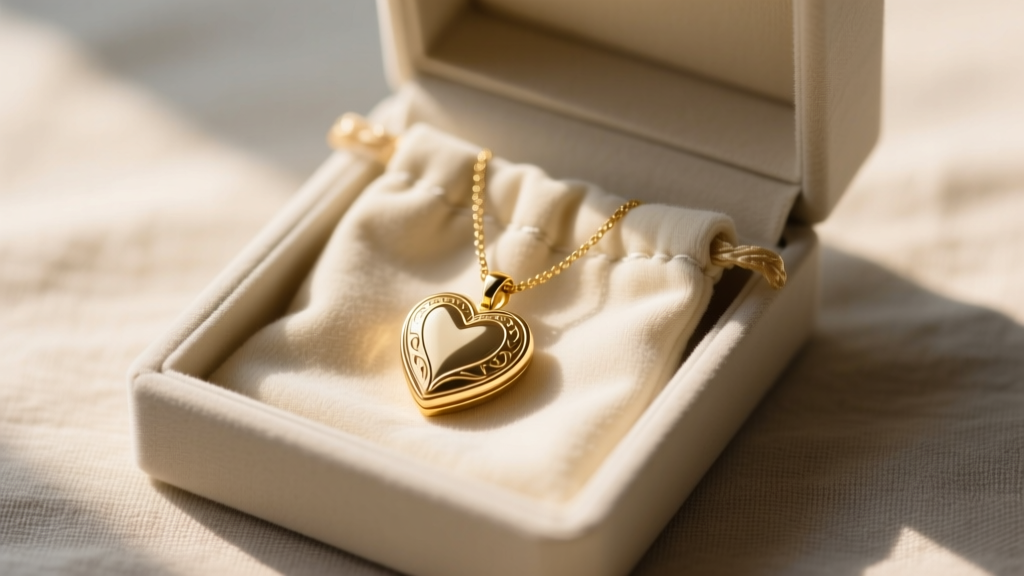
Implement Anti-Tarnish Technology
Invest in 3M anti-tarnish strips and place one inside your jewelry box or storage drawer. These strips absorb airborne sulfur compounds and hydrogen sulfide before they can react with the copper alloys in your 10k or 14k gold. Replace the strips every six months for optimal protection.
Isolate Your Pendants
Gold is a relatively soft metal (ranking 2.5 to 3 on the Mohs hardness scale). If you toss your heart necklace into a communal jewelry dish alongside diamond rings or stainless steel bangles, the harder metals will easily scratch the gold. Store each necklace individually in a soft flannel pouch or a sealed polyethylene zip-lock bag with the air pressed out to minimize oxygen exposure.
The 'Last On, First Off' Rule
To minimize chemical exposure, your gold heart necklace should be the last item you put on when getting dressed and the first item you take off when returning home. This prevents the metal from coming into contact with perfumes, hairsprays, and lotions, which contain alcohols and emulsifiers that degrade gold alloys and dull gemstone facets.
When to Seek Professional Jewelry Cleaning
While at-home maintenance is highly effective for surface grime, certain scenarios require a professional jeweler. If your Macy's heart pendant features prong-set diamonds or gemstones, you should have the prongs inspected and tightened annually. Furthermore, if the necklace chain has developed a kink or the clasp spring mechanism is failing, a professional can perform a structural repair and follow it with a commercial steam clean that restores the factory-level high-polish finish without damaging the integrity of the metal.


