Safe Care Guide: Cleaning Your Amber Necklace for Baby
Learn how to safely clean, maintain, and inspect an amber necklace for baby. Expert tips on washing, charging, and crucial safety knot checks.

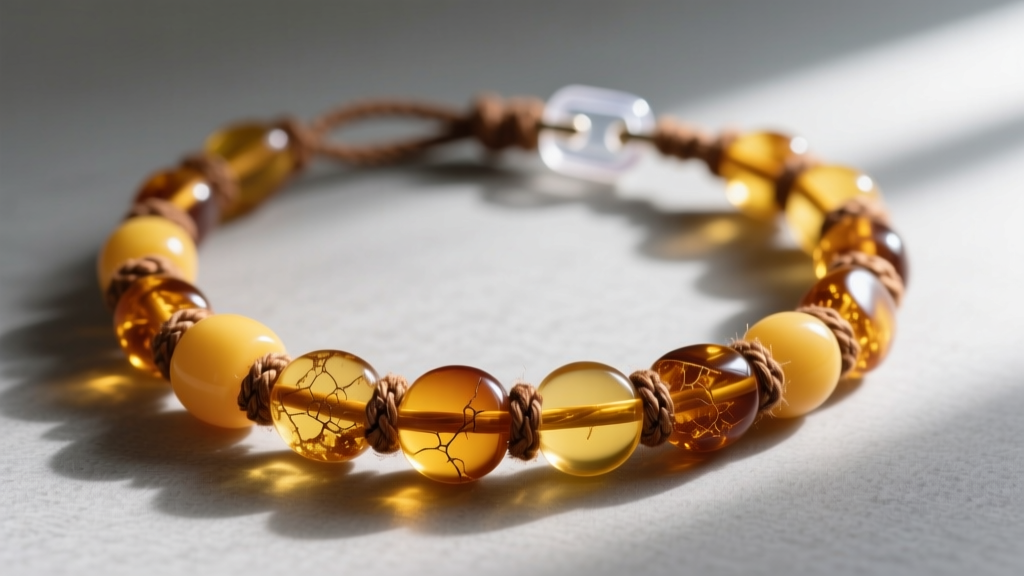
Baltic amber has been used for centuries in European folk medicine, prized for its high concentration of succinic acid and warm, organic aesthetic. When it comes to an amber necklace for baby, proper maintenance is not just about preserving the beauty of the fossilized resin—it is a critical matter of safety and hygiene. Because amber is a remarkably soft, porous organic gemstone (ranking just 2.0 to 2.5 on the Mohs hardness scale), it requires a highly specific care regimen that differs vastly from cleaning metals or crystalline gemstones.
In this comprehensive guide, we break down the exact chemical protocols for cleaning amber, how to inspect the structural integrity of the cord and clasps, and the vital safety guidelines endorsed by pediatric health organizations.
The Science of Baltic Amber: Why It Needs Special Care
Baltic amber is not a stone; it is the fossilized resin of the extinct Pinus succinifera tree, dating back over 40 million years. Because of its organic origins, amber is highly susceptible to chemical degradation. The surface of the resin is micro-porous, meaning it can easily absorb harsh chemicals, lotions, and oils, which leads to permanent clouding, structural weakening, and the loss of its natural luster. Furthermore, the succinic acid that parents often seek out for its purported soothing properties is sensitive to extreme heat and alkaline environments. Using standard jewelry cleaners or ultrasonic machines will instantly destroy the surface of an amber bead.
Step-by-Step Cleaning Protocol for Baby Amber
Hygiene is paramount for any jewelry worn by infants, as babies frequently put their hands and accessories near their mouths. However, you must balance cleanliness with the preservation of the amber. According to the International Amber Association, amber should only be cleaned using the gentlest physical methods.
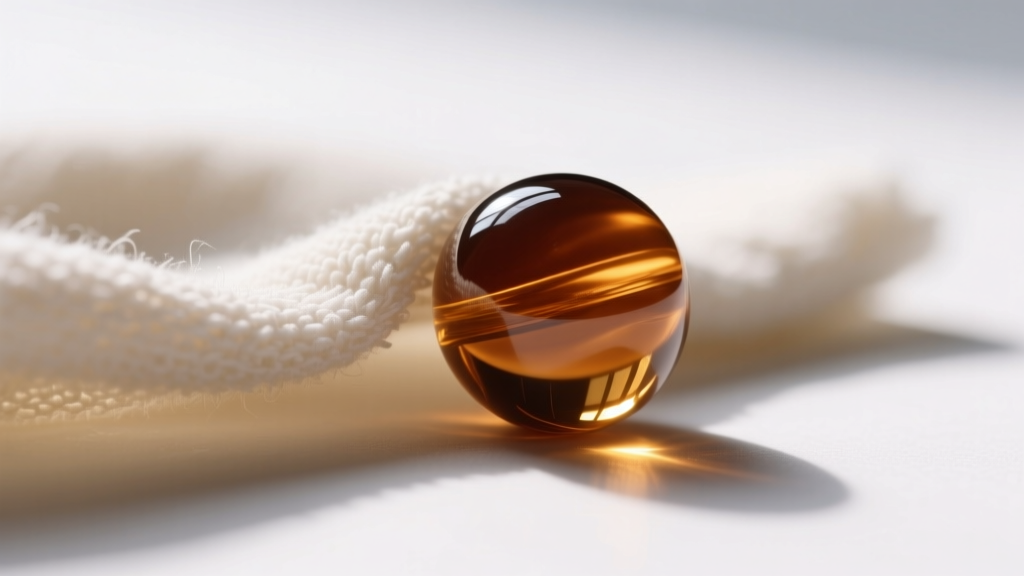
The Warm Water Wipe Method
- Prepare the Cloth: Use a clean, lint-free microfiber or 100% cotton flannel cloth. Avoid paper towels, as their wood-pulp fibers can cause micro-scratches on the soft amber surface.
- Temperature Control: Dampen the cloth with lukewarm water. The water temperature must never exceed 30°C (86°F). Hot water can cause thermal shock, leading to internal fracturing or 'crazing' (a network of fine cracks).
- Gentle Friction: Wipe each individual bead gently. Do not pull or stretch the cord while wiping, as wet cotton or silk threads are more prone to snapping.
- Drying: Immediately dry the necklace with a separate, soft, dry cloth. Allow it to air dry completely in a shaded, room-temperature area before storing or wearing.
Recharging Amber: Sunlight vs. Moonlight Myths
A common myth in crystal healing communities suggests that amber should be 'recharged' by leaving it in direct sunlight. From a gemological perspective, this is highly detrimental. Prolonged exposure to ultraviolet (UV) light and direct heat will dehydrate the resin, causing it to become brittle, fade in color, and develop surface cracks. If you wish to 'rest' the amber, place it in a soft pouch in a cool, dark drawer. Some practitioners recommend moonlight, which is perfectly safe as it provides no UV radiation or heat, but physically, amber does not require 'recharging' to maintain its structural or chemical properties.
Crucial Safety Inspections: Knots and Clasps
The most important aspect of maintaining an amber necklace for baby is inspecting the hardware and threading. Pediatric safety experts emphasize that the physical construction of the necklace is the primary defense against choking and strangulation hazards.
The Knot Spacing Rule
Authentic, safety-grade baby amber necklaces are knotted between every single bead. This is typically done using a double overhand knot or a surgeon's knot on high-tensile cotton or silk thread. If the necklace were to snap, the knots ensure that only one bead is released, rather than the entire strand scattering across the floor and creating a severe choking hazard. Inspection Tip: Run your fingers along the cord. If you find two or more beads grouped together without a knot in between, the necklace fails the safety standard and should be retired immediately.
Clasp Integrity
Modern baby amber necklaces utilize either a plastic 'pop' clasp (which releases under a specific amount of pressure) or a threaded screw clasp. Screw clasps are generally preferred as they do not accidentally pop open when tugged, but they must be checked weekly to ensure the threading has not worn smooth. Apply a gentle, steady pulling force to the clasp area to ensure it remains secure.
| Maintenance Task | Frequency | Method | Red Flags (When to Retire) |
|---|---|---|---|
| Surface Cleaning | Weekly | Lukewarm water & microfiber cloth | Cloudiness, sticky residue |
| Knot Inspection | Before every use | Visual and tactile check between beads | Missing knots, frayed thread |
| Clasp Tension Test | Weekly | Gentle lateral pull test | Stripped threads, loose pop-clasp |
| Cord Elasticity Check | Monthly | Gentle stretch test | Thread stretching, permanent deformation |
What to Avoid: Chemicals That Destroy Amber
Because parents are frequently using sanitizers and lotions, an amber necklace for baby is often exposed to harsh household chemicals. You must strictly avoid the following:
- Alcohol and Hand Sanitizers: Ethanol and isopropyl alcohol will strip the natural oils from the amber, leaving it chalky and prone to shattering.
- Chlorine: Never let the necklace come into contact with chlorinated pool water or household bleach. Chlorine causes irreversible chemical burns on organic resins.
- Essential Oils and Baby Lotions: While natural, the concentrated terpenes in essential oils and the emulsifiers in baby lotions will build up in the micro-pores of the amber, creating a dull, impenetrable film.
- Ultrasonic Cleaners: The high-frequency vibrations will literally shake the fossilized resin apart, causing internal shattering.
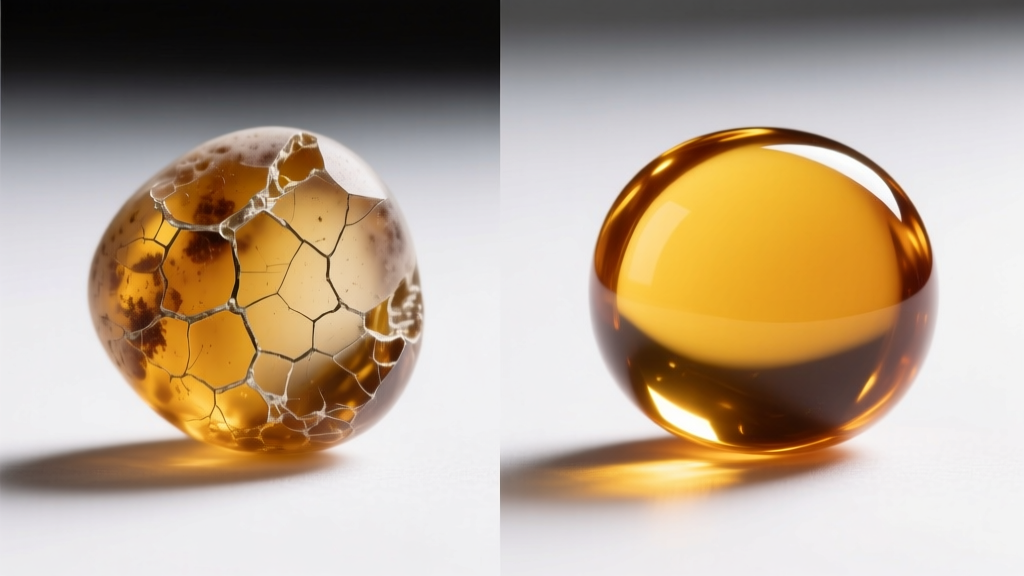
Authenticity Verification at Home
Maintenance is only worth the effort if the amber is genuine. The market is flooded with copal (immature, unfossilized resin) and dyed plastics. You can perform a non-destructive Saltwater Buoyancy Test at home. Dissolve 7 grams of standard table salt into 100 milliliters of room-temperature water. Genuine Baltic amber has a specific gravity of 1.05 to 1.10, meaning it will float in this saturated saline solution. Copal and most plastics will sink. (Note: Remove the metal or heavy plastic clasp before testing, as its weight will drag the necklace down).
Expert Verdict on Pediatric Safety Guidelines
As jewelry experts, we must align our care advice with the medical consensus regarding infant safety. The U.S. Food and Drug Administration (FDA) and the American Academy of Pediatrics (AAP) strongly warn against the use of any teething jewelry, including amber necklaces, due to the risks of strangulation and choking.
If parents choose to use an amber necklace for baby based on cultural or personal preferences, the absolute non-negotiable rules of maintenance include: never allowing the infant to chew on the beads (which compromises the resin and creates a choking hazard), never leaving the necklace on during sleep or naps, and never allowing the baby to wear the necklace unattended. Alternatively, wrapping the necklace securely around the baby's ankle, tucked beneath a sock or footed pajama, is a common harm-reduction strategy that keeps the amber close to the skin while mitigating the strangulation risk associated with neckwear. Always prioritize your pediatrician's guidance over jewelry trends.


