How to Clean and Maintain a Delicate Clover Necklace Pendant
Learn expert techniques to clean and maintain your clover necklace pendant. Discover material-specific care for malachite, onyx, and mother-of-pearl.

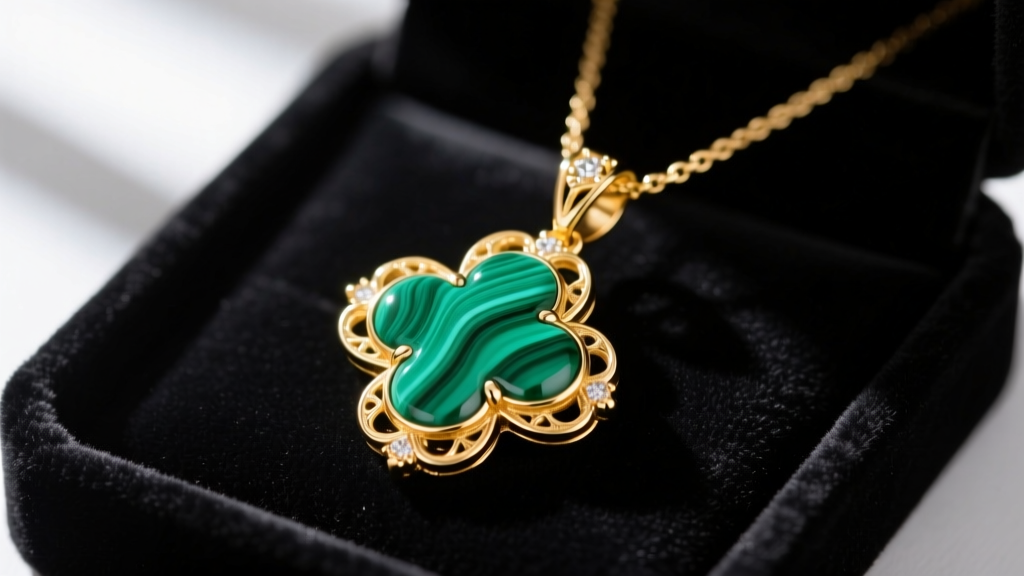
The clover motif has long been a symbol of luck, heritage, and timeless elegance in fine jewelry. Whether you own an iconic luxury piece or a high-quality artisan homage, a clover necklace pendant is a masterpiece of mixed materials. The design typically juxtaposes polished precious metals—like 18k yellow gold or gold vermeil—with delicate, precisely cut hardstones or organic gems. While the gold bezel provides structural integrity, the inlaid stones dictate the strict rules of care.
Many owners mistakenly treat their clover necklace pendant as a standard piece of gold jewelry, leading to irreversible damage like stone clouding, bezel loosening, or surface etching. To preserve the luster and structural integrity of your pendant, you must adopt a material-specific maintenance protocol. This guide breaks down the exact science of cleaning, wearing, and storing your clover jewelry.
Material-Specific Vulnerabilities: Know Your Stone
The most common mistake in jewelry maintenance is applying a universal cleaning method to diverse materials. The Gemological Institute of America (GIA) categorizes gemstones by their Mohs hardness and chemical stability. The stones traditionally used in clover pendants vary wildly in their tolerance to water, friction, and chemicals.
| Stone Material | Mohs Hardness | Porosity / Sensitivity | Cleaning Restrictions |
|---|---|---|---|
| Malachite | 3.5 - 4.0 | Highly porous, acid-sensitive | No water immersion, no ultrasonic, no acids |
| Mother-of-Pearl | 2.5 - 4.5 | Organic, reacts to alcohol/sweat | No chemicals, no perfume, avoid prolonged moisture |
| Onyx | 6.5 - 7.0 | Low porosity, prone to chipping | Safe for mild damp wiping, avoid hard impacts |
| Carnelian | 6.5 - 7.0 | Low porosity, heat sensitive | Mild soap safe, avoid extreme heat or steam |
Malachite and mother-of-pearl are the most vulnerable. Malachite contains copper, which can react with acidic cleaners or even the natural pH of your sweat, causing the vibrant green bands to dull or turn brown. Mother-of-pearl, being organic, is composed of calcium carbonate and conchiolin; it will literally dissolve or pit if exposed to harsh chemicals, chlorine, or alcohol-based perfumes.
The Step-by-Step Cleaning Protocol
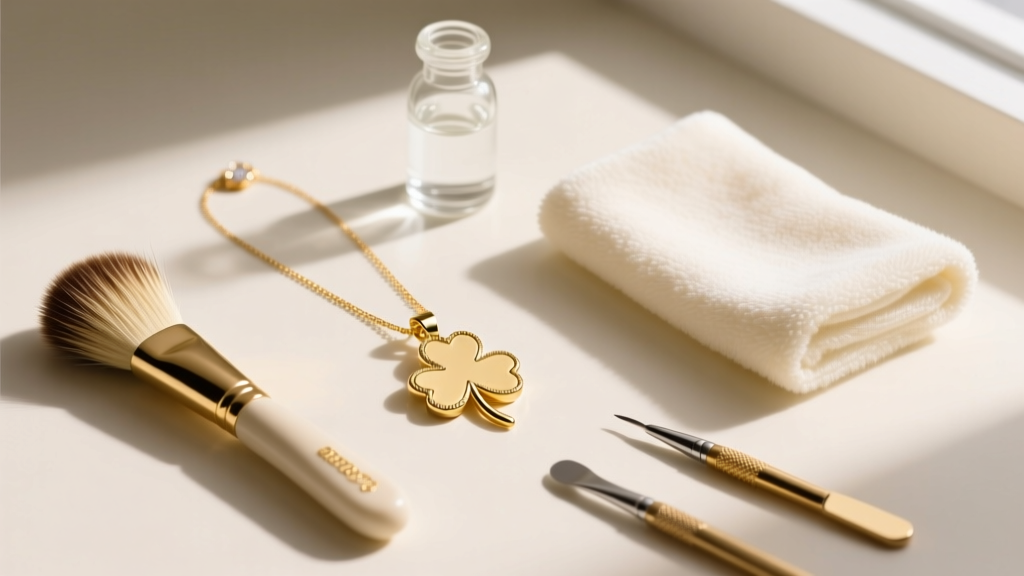
Forget commercial jewelry dips and ultrasonic cleaners. According to luxury care guidelines from houses like Van Cleef & Arpels, high-end clover pendants require meticulous, dry, or barely-damp hand cleaning. Here is the professional protocol for maintaining your clover necklace pendant.
Step 1: Dry Dusting and Debris Removal
Before introducing any moisture, you must remove microscopic dust and skin cells trapped in the crevices where the gold bezel meets the stone. Use a clean, dry camel-hair or soft horsehair brush. Gently sweep the bristles along the metal borders. Harder brushes (like nylon or stiff toothbrushes) can leave micro-scratches on softer stones like malachite and mother-of-pearl.
Step 2: Targeted Metal Cleaning
If the gold setting has accumulated oils or tarnish, do not submerge the pendant. Instead, dip a bamboo cotton swab into distilled water (never tap water, as the chlorine and minerals can leave deposits). Wring the swab out until it is barely damp. Carefully trace the gold bezel, avoiding direct contact with the stone. For stubborn oils on the metal, use a microscopic drop of pH-neutral dish soap on the swab, followed immediately by a plain distilled water swab to rinse.
Step 3: Drying and Buffing
Immediately dry the entire piece with a lint-free microfiber cloth. Do not use paper towels or tissues, as the wood pulp fibers can cause micro-abrasions on polished onyx or gold. Buff the metal gently to restore its shine, but avoid applying heavy downward pressure on the stone inlays, as this can weaken the adhesive or bend the bezel over time.
The Damage List: What to NEVER Use
When caring for a clover necklace pendant, knowing what to avoid is just as critical as knowing what to use. Never expose your pendant to the following:
- Ultrasonic Cleaners: The high-frequency cavitation bubbles can shatter porous stones, fracture internal inclusions in carnelian, and rattle the inlays loose from their gold bezels.
- Steam Cleaners: Sudden thermal shock can cause onyx and malachite to crack. Furthermore, steam can melt or degrade the specialized jeweler's epoxy used to secure the stone inlays.
- Silver Dips and Ammonia: These harsh chemicals will strip the polish off organic gems and can cause irreversible color shifts in malachite.
- Commercial Polishing Cloths: Cloths impregnated with jeweler's rouge or chemical tarnish removers will leave abrasive residues in the crevices of the clover design, which are nearly impossible to remove and will degrade the stone over time.
Daily Wear and Preventative Maintenance
Preventative care drastically reduces the need for deep cleaning. The golden rule of jewelry wear is 'Last On, First Off.' Your clover necklace pendant should be the final item you put on after applying cosmetics, lotions, SPF, and perfumes. The alcohol and essential oils in fragrances are particularly destructive to the nacre of mother-of-pearl and the polished surface of onyx.
The Impact of Sweat and Environment
Human sweat is mildly acidic (typically a pH between 4.5 and 7.0). While this is harmless to 18k gold, prolonged exposure to sweat will eat away at the polished finish of malachite and dull the iridescence of mother-of-pearl. If you wear your pendant on a warm day, wipe it down with a dry, soft microfiber cloth immediately upon taking it off. Additionally, remove the pendant before swimming; chlorine in pools and salt in the ocean are highly corrosive to both the metal alloys and the stone inlays.
Proper Storage Techniques
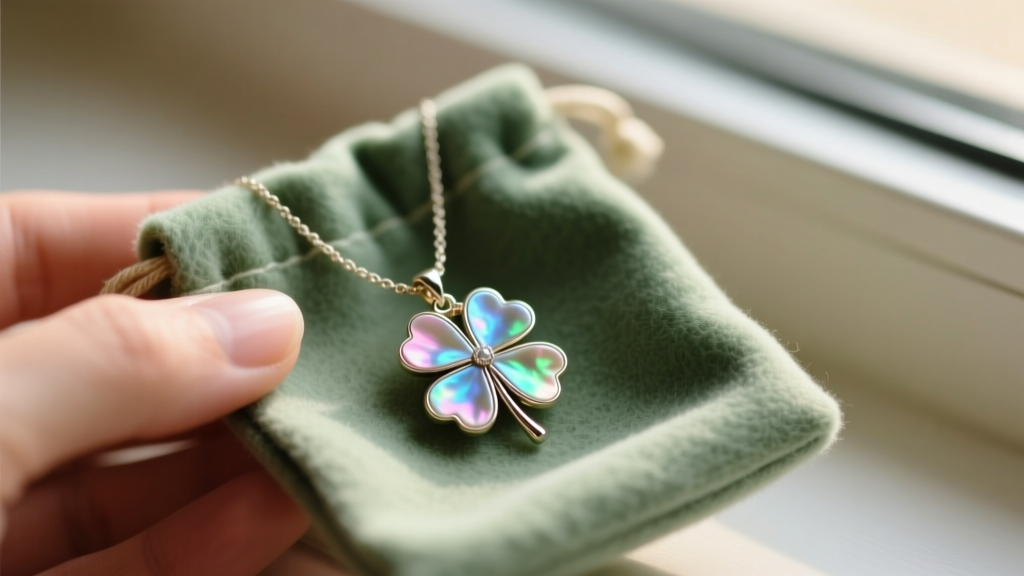
How you store your clover necklace pendant is vital to preventing scratches and tangles. Never toss it into a communal jewelry box where harder gemstones (like diamonds or sapphires) can scratch the softer clover inlays. Store the pendant flat in its original anti-tarnish flannel pouch. If the chain is prone to tangling, thread it through a plastic straw before clasping it. For long-term storage, include a small silica gel packet in the jewelry drawer to control ambient humidity, which helps preserve the integrity of the stone adhesives and prevents metal oxidation.
Professional Servicing and Re-polishing
Even with immaculate home care, a clover necklace pendant requires professional attention every 3 to 5 years. Over time, the gold bezel that hugs the stone can wear thin or pull away slightly due to minor daily impacts. A master jeweler can use a burnishing tool to gently push the gold bezel back flush against the stone, securing the inlay and preventing moisture from seeping underneath.
If your pendant is set in white gold, it will require periodic rhodium plating to maintain its bright white color. However, the jeweler must mask the stones carefully during this electroplating process, as the chemical baths can damage porous materials. For expert guidance on professional maintenance, resources like Jewelers of America recommend seeking out certified bench jewelers who have specific experience with mixed-material inlay work rather than standard chain repair shops.
By respecting the unique geological and organic properties of your pendant's stones, you ensure that your clover necklace remains a vibrant, flawless symbol of luck for decades to come.


