Expert Cleaning & Care for a Chunky Pendant Necklace
Learn expert cleaning, storage, and maintenance tips to keep your chunky pendant necklace tarnish-free and pristine for years to come.

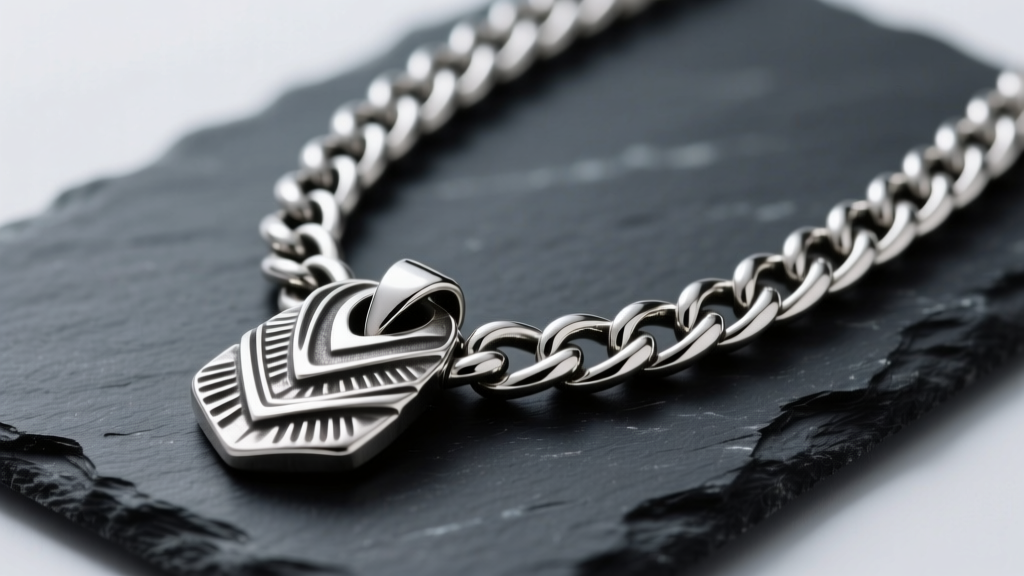
A chunky pendant necklace is more than just an accessory; it is a statement piece that anchors your entire wardrobe. However, the very attributes that make these oversized necklaces so striking—their substantial weight, complex surface areas, and mixed material compositions—also make them highly susceptible to accelerated wear, tarnish, and structural fatigue. In 2026, as sustainable jewelry practices and heirloom-quality preservation become paramount, understanding the precise science of jewelry maintenance is essential.
This comprehensive guide dives deep into the metallurgy, gemology, and structural mechanics required to properly clean, store, and maintain your heavy statement pendants, ensuring they remain pristine for decades.
The Anatomy of Tarnish and Material Fatigue
Before reaching for a polishing cloth, it is crucial to understand why heavy pendants degrade faster than delicate chains. Tarnish on silver and brass is not dirt; it is a chemical reaction. When sterling silver (92.5% silver, 7.5% copper) is exposed to sulfur compounds in the air, sweat, and cosmetics, it forms silver sulfide (Ag2S), which manifests as a dull, blackened film.
Because a chunky pendant necklace has a larger surface area and greater mass, it swings more against the chest during wear. This constant friction generates micro-heat and accelerates the transfer of skin oils, perfumes, and environmental sulfur to the metal. Furthermore, the sheer weight of a 30-gram to 50-gram pendant creates a fulcrum effect at the bail (the loop connecting the pendant to the chain), leading to localized stress and metal fatigue that lightweight jewelry simply does not experience.
Material-Specific Cleaning Protocols
Never use a one-size-fits-all approach to cleaning statement jewelry. The Gemological Institute of America (GIA) strongly advises matching your cleaning method to the specific Mohs hardness and chemical sensitivity of the materials involved.
Sterling Silver and Intentional Oxidation
Many artisan chunky pendants feature intentional oxidation (blackened crevices) to highlight intricate textures. Never use liquid silver dips or the aluminum foil/baking soda ion-exchange method on these pieces. These chemical processes will strip the intentional antiquing, leaving the pendant looking flat and overly bright.
- The Right Method: Use a high-quality micro-abrasive polishing cloth (like a Sunshine cloth) and gently buff only the raised, high-polish areas. Avoid pressing into the recessed grooves.
- For Heavy Tarnish on Plain Silver: Line a glass bowl with aluminum foil (shiny side up). Add 1 tablespoon of baking soda and 1 tablespoon of kosher salt. Pour boiling water over the mixture, submerge the pendant for 3–5 minutes, and rinse with distilled water. The ion exchange safely converts silver sulfide back into pure silver without removing metal.
Gold Vermeil and Heavy Plating
By Federal Trade Commission (FTC) standards, gold vermeil must consist of a sterling silver base plated with at least 2.5 microns of 10k, 14k, or 18k gold. Chunky gold pendants are prone to plating wear on the back where they rub against the skin and collarbone.
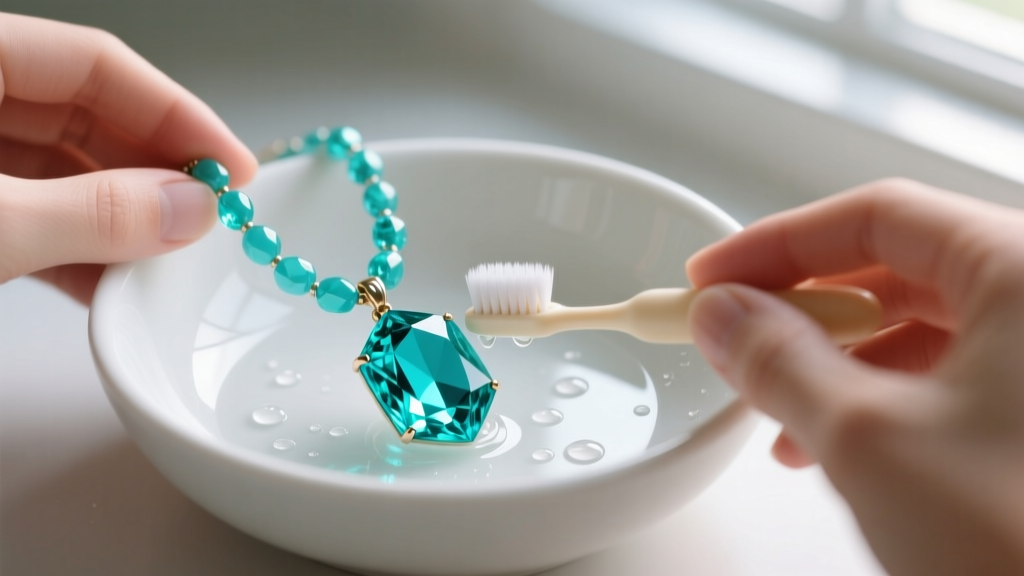
- The Right Method: Mix lukewarm water with a few drops of phosphate-free dish soap (like Dawn). Soak for 5 minutes. Use a very soft baby toothbrush to gently dislodge debris from crevices. Rinse and pat dry with a lint-free microfiber cloth.
- Warning: Never use ultrasonic cleaners or abrasive polishing pastes on vermeil. You will strip the 2.5-micron gold layer down to the silver base in seconds.
Porous Gemstones in Boho and Statement Pieces
Chunky pendants frequently feature large, porous cabochons like turquoise, malachite, lapis lazuli, and opal. These stones rank low on the Mohs hardness scale (typically 3.5 to 6) and are highly reactive to chemicals.
"Porous gemstones act like microscopic sponges. Submerging turquoise or malachite in water, silver dip, or ultrasonic cleaners will cause the stone to absorb the liquid, leading to internal fracturing, color shifts, and irreversible dulling." — Rio Grande Jewelry Supply
The Protocol: Wipe the metal parts with a damp cloth, avoiding the stone entirely. If the stone is dusty, use a dry, soft-bristled makeup brush to gently sweep away debris from the bezel setting.
Structural Maintenance: Managing Bail and Chain Stress
The most common point of failure for a chunky pendant necklace is not the chain snapping, but the bail wearing through due to friction. A 40-gram pendant swinging on a 2mm chain concentrates immense kinetic friction on the inner loop of the bail.
| Bail Wire Gauge | Thickness (mm) | Max Recommended Pendant Weight | Expected Lifespan (Daily Wear) |
|---|---|---|---|
| 20-Gauge | 0.81 mm | 15 grams | 6 - 12 months before wear-through |
| 18-Gauge | 1.02 mm | 25 grams | 1 - 2 years |
| 16-Gauge | 1.29 mm | 40 grams | 3 - 5+ years |
| 14-Gauge | 1.63 mm | 60+ grams | Decades (Heirloom Grade) |
Pro-Tip for Heavy Pendants: Inspect the inside of your pendant's bail every six months using a jeweler's loupe. If you see a deep groove forming, take it to a bench jeweler to have a hardened steel or platinum jump ring soldered inside the bail to act as a sacrificial wear layer. This $30 repair will save a priceless pendant from falling off and being lost.
Advanced Storage Solutions for Oversized Jewelry
How you store a chunky pendant necklace is just as critical as how you clean it. Hanging heavy pendants on standard jewelry trees or hooks is a structural mistake. The constant downward pull of gravity will permanently stretch delicate chains, particularly snake chains, box chains, and fine herringbone weaves, causing them to kink and lose their tensile strength.
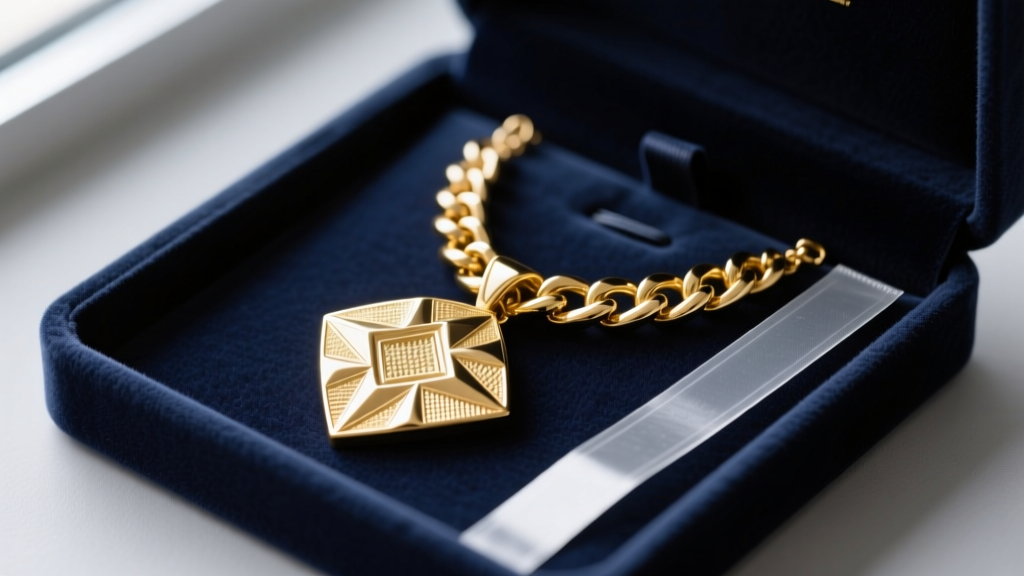
- Store Flat: Always lay heavy pendants flat in a velvet-lined drawer or jewelry box. Position the chain in a figure-eight pattern or loose coil to prevent tangling and chain memory.
- Climate Control: Humidity accelerates the oxidation of copper alloys. Store your jewelry in a room with a dehumidifier, aiming for 40-50% relative humidity.
- Anti-Tarnish Technology: Place 3M anti-tarnish strips or Pacific Silvercloth pouches inside your storage compartments. These materials actively absorb airborne sulfur compounds before they can react with your silver or brass pendants. Replace the strips every 6 months.
- Isolation: Never store multiple chunky pendants in the same compartment. The heavy metals will scratch one another, and harder gemstones (like quartz or agate) will easily gouge softer metals and stones.
Daily Wear Rules to Prevent Degradation
Preventative maintenance is always cheaper and more effective than restorative cleaning. Adopt the "Last On, First Off" rule. Your chunky pendant necklace should be the very last thing you put on after applying lotions, perfumes, hairspray, and makeup, and the very first thing you take off when you return home.
Avoid wearing heavy metallic pendants in sulfur-rich environments. This includes hot springs, geothermal areas, and even while handling raw onions, eggs, or rubber bands, all of which emit sulfur gases that will instantly tarnish sterling silver. By respecting the metallurgy and physics of your statement pieces, your chunky pendant necklace will retain its structural integrity and brilliant finish for a lifetime.


