How to Restore and Style a Silpada Hematite Necklace
Learn how to authenticate, clean, restring, and style your vintage Silpada hematite necklace with our expert step-by-step restoration guide.

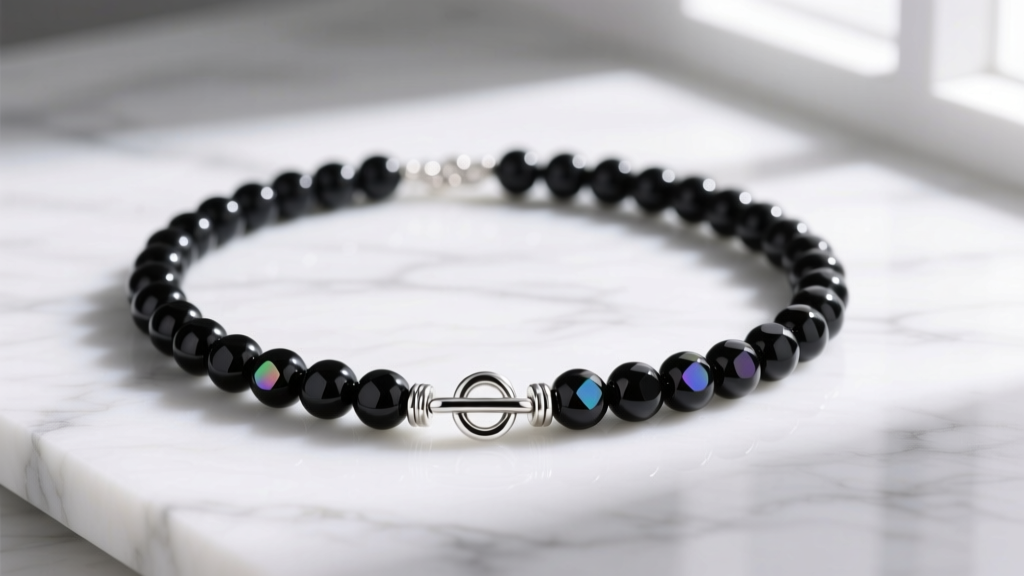
As we navigate the jewelry resale and collector market in 2026, vintage Silpada pieces continue to command significant attention. Among their most iconic and sought-after creations is the Silpada hematite necklace. Known for its mirror-like metallic luster, substantial weight, and frequent pairing with .925 sterling silver spacers, this piece is a staple of early-2000s and 2010s statement jewelry. However, hematite is a uniquely temperamental material. It is heavy, brittle, and highly susceptible to moisture damage. Whether you have just inherited a piece, found one at an estate sale, or are pulling it from the back of your jewelry box, this comprehensive step-by-step guide will teach you how to authenticate, safely clean, professionally restring, and flawlessly style your necklace.
Step 1: Authenticating Your Silpada Hematite
Before investing time into restoration, you must verify the piece's authenticity and material composition. Silpada was renowned for its strict quality control, but the secondary market is flooded with imitations. According to the Gemological Institute of America (GIA), hematite is an iron oxide mineral with a specific gravity of roughly 5.0, making it exceptionally heavy for its size.
The Weight and Temperature Test
Pick up the necklace. Genuine hematite feels noticeably heavier than glass, plastic, or synthetic resin beads of the same diameter. Furthermore, natural hematite is a thermal conductor; when pressed against your cheek or wrist, it should feel distinctly cool to the touch and take a few moments to warm to your body temperature. Imitation beads will feel room-temperature immediately.
The Magnet Test
There is a widespread misconception that all hematite is highly magnetic. In reality, natural hematite is only weakly magnetic or entirely non-magnetic. If your Silpada necklace strongly snaps to a neodymium magnet, it is likely made of "magnetic hematite," which is actually a man-made sintered barium-strontium ferrite. While Silpada occasionally used magnetic clasps, the beads themselves should not exhibit a strong magnetic pull.
Inspecting the Hardware
Silpada almost exclusively used solid .925 sterling silver for their clasps, jump rings, and decorative spacers. Use a jeweler's loupe to inspect the clasp. You should see a crisp "925" stamp, and occasionally the Silpada hallmark. If the clasp is plated brass or lacks a stamp, the piece may be a counterfeit or a Frankenstein necklace (a restrung piece mixing genuine beads with cheap hardware).
Step 2: The Dry-Clean Method (Avoiding Rust)
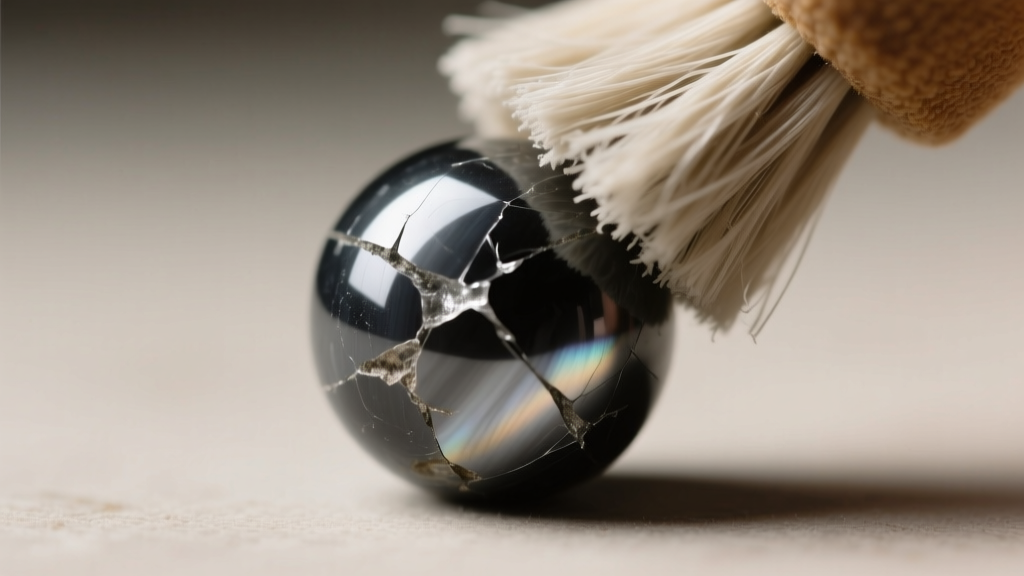
The most common failure mode for vintage hematite jewelry is water damage. Because hematite is an iron oxide, prolonged exposure to moisture, sweat, or liquid jewelry cleaners will cause it to oxidize further—resulting in unsightly, irreversible rust spots and a dull, chalky surface texture. Never soak a hematite necklace, and never put it in an ultrasonic cleaner.
Step-by-Step Dry Cleaning
- Dust Removal: Use a clean, dry, soft-bristled makeup brush to gently sweep away dust and skin cells from the crevices between the beads and the silver spacers.
- Polishing the Beads: Take a high-quality, dry microfiber polishing cloth. Firmly but gently buff each individual hematite bead. The friction will restore the metallic sheen without the need for chemical polishes.
- Cleaning the Silver: For the .925 sterling silver spacers and clasp, use a dedicated dry silver-polishing cloth (treated with anti-tarnish agents like calcium carbonate). Do not let the silver polish residue transfer to the hematite beads, as it can leave a white film in the drill holes.
Step 3: Restringing Heavy Beads Like a Pro
Hematite beads are heavy and often feature drill holes with sharp, abrasive edges. If your vintage Silpada necklace is strung on the original nylon or silk thread, it is a ticking time bomb. The weight of the stones will eventually cause the thread to snap. To restore the structural integrity of your Silpada hematite necklace, you must restring it using modern beading wire.
Material Selection
According to expert stringing guidelines from suppliers like Fire Mountain Gems, heavy and abrasive stones require a 49-strand stainless steel micro-wire. For standard 6mm to 8mm hematite beads, a 0.024-inch (24 gauge) diameter wire is the optimal choice. It provides the necessary tensile strength while remaining flexible enough to drape elegantly around the neck.
| Material | Gauge/Diameter | Tensile Strength | Verdict for Hematite |
|---|---|---|---|
| Silk Thread | Size F | Low | Avoid: Will snap under the weight and abrasion. |
| Nylon (Power Pro) | 0.012" | Medium | Risky: Prone to stretching over time. |
| 49-Strand Steel Wire | 0.018" | High | Good: For smaller 4mm beads only. |
| 49-Strand Steel Wire | 0.024" | Very High | Best: Ideal for 6mm-10mm Silpada beads. |
The Restringing Process
- Prepare the Wire: Cut a length of 0.024" 49-strand wire about 6 inches longer than your desired finished necklace length.
- Use Wire Guardians: Thread a sterling silver wire guardian (horseshoe clasp protector) onto the wire. This is a non-negotiable step; the sharp edges of the hematite and the metal clasp will eventually saw through bare wire.
- Secure the Clasp: Loop the wire through your sterling silver toggle or lobster clasp, back through the wire guardian, and add a 2mm sterling silver crimp bead. Flatten the crimp bead using a crimping tool to create a secure, folded lock.
- String the Beads: Thread your hematite beads and silver spacers onto the wire. Ensure you are following the original Silpada pattern.
- Finish the End: Repeat the wire guardian and crimping process on the opposite end, pulling the wire taut (but not tight enough to restrict the beads' movement) before locking the final crimp.
Step 4: Styling Your Restored Necklace

A freshly restored Silpada hematite necklace is a bold, grounding accessory. Because the beads are dark, opaque, and highly reflective, they act as a visual anchor for your outfit. In 2026, the trend leans toward high-contrast, minimalist pairings that allow the jewelry to take center stage.
The Neckline Framework
- Deep V-Necks and Scoops: Hematite necklaces typically sit at the collarbone or princess length (16-18 inches). A deep V-neck elongates the neck and provides a canvas of skin that makes the dark metallic beads pop dramatically.
- Crisp White Button-Downs: The ultimate high-contrast pairing. The dark iron-oxide beads and sterling silver spacers look incredibly sharp against stark white cotton or linen, bridging the gap between corporate attire and artistic expression.
- Avoid Delicate Silks: Remember that hematite is heavy and has a slightly rough surface texture on the drill holes. Avoid wearing it over delicate, snag-prone fabrics like raw silk or loose-knit mohair, as the weight and friction can damage the garment.
Layering Considerations
Layering a heavy hematite necklace requires careful spatial planning. Because of its weight, it will naturally sit lower and pull tighter than lighter chains. If you wish to layer it, pair it with a much shorter, lightweight 14-inch gold or silver choker, leaving at least a 3-inch gap between the two strands to prevent the heavy hematite from crushing and tangling the finer chain.
Step 5: Long-Term Storage and Rust Prevention
Proper storage is the final step in ensuring your Silpada hematite necklace survives for another generation. The enemy of hematite is ambient humidity, and the enemy of sterling silver is sulfur in the air.
Store the necklace flat in a lined jewelry box to prevent the heavy beads from pulling on the wire and causing kinks. Place a small silica gel desiccant packet in the jewelry box to control moisture and prevent rust. Finally, keep the necklace inside an anti-tarnish ziplock bag (such as Pacific Silvercloth) when not in use. This will protect the sterling silver spacers from oxidizing and turning black, ensuring that the next time you reach for your vintage Silpada piece, it is as brilliant and striking as the day it was first strung.


