How to Clean and Maintain Your Intricate Mandala Necklace
Learn expert techniques to clean, polish, and store your mandala necklace without damaging intricate filigree, oxidized finishes, or delicate gemstone inlays.

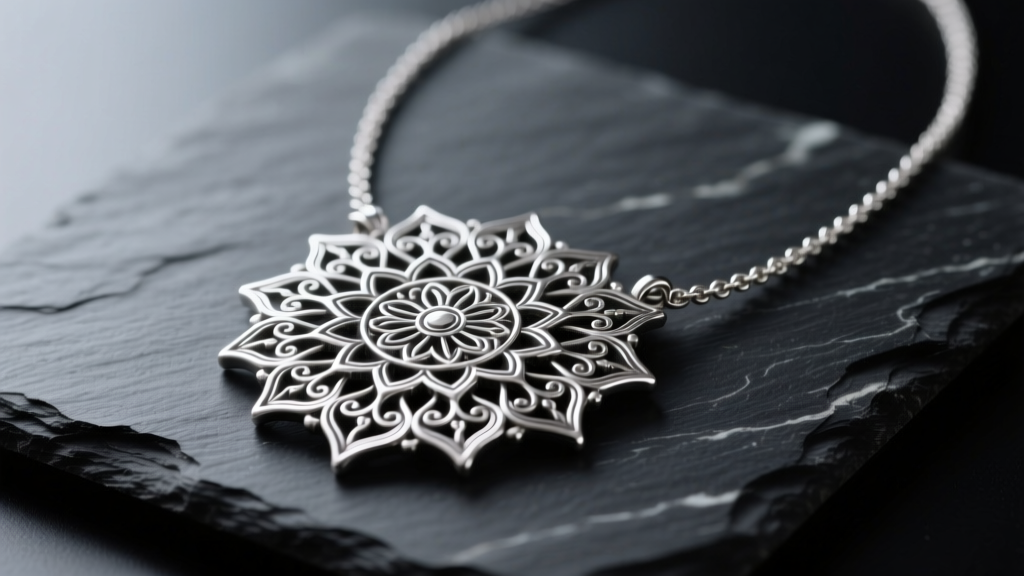
Mandala necklaces are celebrated for their mesmerizing radial symmetry, intricate filigree work, and deep spiritual symbolism. However, the very details that make these pendants visually stunning—deep undercuts, micro-pavé settings, and deliberate oxidized finishes—make them notoriously difficult to clean. Standard jewelry cleaning methods can easily strip away antique finishes, loosen glued micro-stones, or trap moisture in hidden crevices, leading to accelerated corrosion.
As we navigate jewelry care in 2026, understanding the specific material science behind your mandala necklace is critical. Whether your piece is crafted from sterling silver, brass, copper, or features delicate gemstone inlays like turquoise and lapis lazuli, this comprehensive guide will provide you with museum-grade conservation techniques to maintain its structural integrity and visual brilliance.
The Anatomy of a Mandala Pendant: Why Standard Cleaning Fails
To properly care for a mandala necklace, you must first understand its construction. Most high-quality mandala pendants utilize a technique called oxidation or antiquing. Jewelers intentionally expose the silver or brass to sulfur compounds to create a blackened layer (silver sulfide) in the recessed areas. This high-contrast finish highlights the intricate geometric patterns.
If you use a standard commercial silver dip (which typically contains thiourea and harsh acids), it will instantly strip away this deliberate oxidation, leaving your pendant looking flat, overly bright, and devoid of its three-dimensional depth. Furthermore, the deep radial grooves of a mandala design trap skin oils, cosmetic residues, and environmental dust, creating a sludge that standard polishing cloths simply cannot reach.
Essential Tools for Intricate Filigree
Before attempting to clean your mandala necklace, assemble the proper conservation tools. Avoid stiff nylon brushes or abrasive pads, which will leave micro-scratches on the metal and damage any soft stone inlays.
- Extra-Soft Goat Hair Brushes: Ideal for dusting and applying mild solvents without scratching Mohs 3-4 gemstones.
- Bamboo Skewers: Unlike wooden toothpicks which can splinter and break off inside tight filigree gaps, bamboo skewers can be sharpened to a precise point for mechanical debris removal.
- Microfiber Lint-Free Swabs: For targeted application of polishing compounds to raised surfaces only.
- pH-Neutral Surfactant: A mild, phosphate-free dish soap (like Dawn Ultra) diluted in distilled water.
Step-by-Step Wet Cleaning Protocol
This protocol is designed for solid sterling silver, brass, or copper mandala pendants without porous gemstone inlays or glued components. If your piece contains turquoise, pearls, or opals, skip to the gemstone precautions section.
Phase 1: Dry Debris Removal
Never introduce water to a pendant heavily caked in dust and skin oils; this will only create a hardened paste. Use your sharpened bamboo skewer to gently dislodge debris from the deepest radial grooves. Follow up with the goat hair brush to sweep away loose particulates. Hold the pendant upside down so gravity assists in pulling debris away from the setting.
Phase 2: Targeted Solvent Application
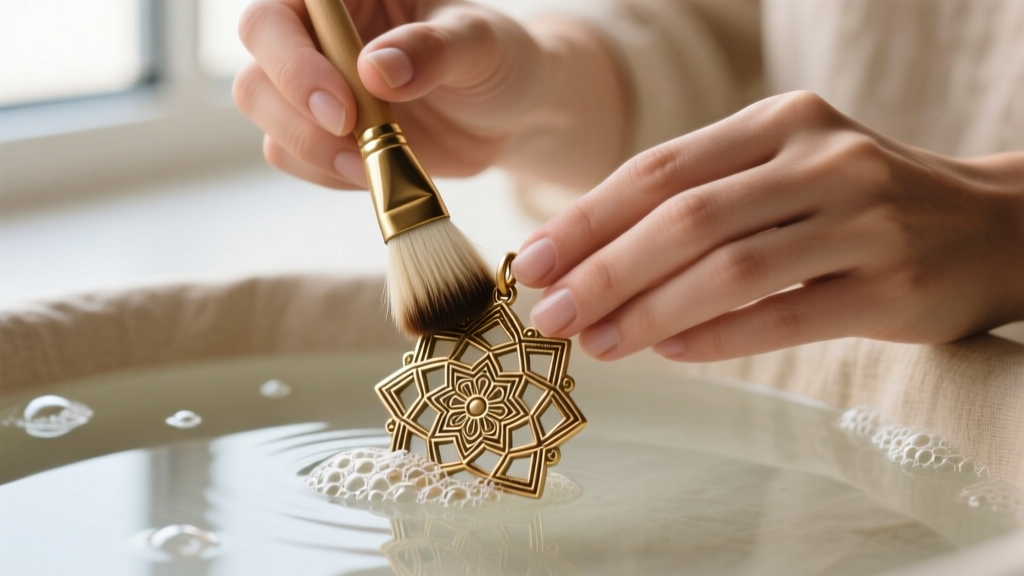
Prepare a solution of lukewarm distilled water and a single drop of pH-neutral surfactant. Dip your goat hair brush into the solution, tapping off the excess so it is damp, not dripping. Gently agitate the brush in circular motions across the filigree work. The mild surfactant will break down the lipid bonds of skin oils without reacting with the metal. Rinse the brush frequently in a separate bowl of clean distilled water. Once clean, rinse the pendant briefly under a gentle stream of lukewarm distilled water.
Phase 3: Controlled Drying
Trapped moisture is the enemy of complex jewelry. Shake the pendant vigorously to expel water from the undercuts. Use a hair dryer on the cool, low-speed setting to blow out remaining droplets from the deepest crevices. Never use heat, as thermal expansion can crack glass or stone inlays and weaken adhesive bonds.
Material-Specific Maintenance Matrix
Different base metals require distinct polishing approaches to preserve their structural integrity and aesthetic intent. Refer to the matrix below before applying any polishing compound to your mandala necklace.
| Base Metal | Tarnish Chemistry | Safe Polishing Method | Chemicals to Avoid |
|---|---|---|---|
| Sterling Silver (925) | Silver Sulfide (Black) | Goddard's Silver Polish Foam applied with a microfiber swab to raised areas only. | Thiourea liquid dips, ammonia, bleach. |
| Raw Brass | Copper Oxide / Carbonate (Green/Brown) | Brasso applied sparingly; rinse thoroughly to prevent ammonia residue. | Harsh abrasives, steel wool. |
| Copper | Copper Oxide (Dark Brown) | Lemon juice and fine salt paste for heavy oxidation, followed by immediate neutralization. | Chlorine, prolonged moisture exposure. |
Note: According to the Silver Institute, regular gentle polishing of raised areas is preferable to aggressive chemical stripping, which compromises the metal's surface layer over time.
Gemstone Inlay Precautions: The Bohemian Mandala
Many bohemian and artisan mandala necklaces feature vibrant gemstone inlays. The radial symmetry of the mandala often incorporates turquoise, lapis lazuli, malachite, or mother of pearl. These stones present severe cleaning hazards.
- Turquoise & Lapis Lazuli (Mohs 5-6): These are highly porous stones. Submerging them in water can cause them to absorb impurities and change color. Ammonia-based cleaners will permanently strip the natural waxes used to stabilize turquoise, leaving it chalky and brittle. Clean around these stones using a barely damp cotton swab.
- Mother of Pearl (Mohs 2.5-4.5): Composed of calcium carbonate, mother of pearl will literally dissolve when exposed to mild acids (like vinegar or lemon juice) or harsh commercial jewelry dips. Only use a dry, soft cloth to buff these inlays.
- Micro-Pavé Diamonds or Cubic Zirconia: While the stones themselves are durable, the microscopic prongs holding them in a mandala setting are fragile. Ultrasonic cleaners create high-frequency cavitation bubbles that can easily shake these micro-stones loose from their settings.
For comprehensive data on gemstone porosity and chemical resistance, always consult the Gemological Institute of America (GIA) Gem Care Guide before applying any solvent.
The "Never Do This" List
To prevent catastrophic damage to your mandala necklace, strictly avoid the following common cleaning mistakes:
- Never use toothpaste: Toothpaste contains hydrated silica, an abrasive that ranks around a 7 on the Mohs scale. This is harder than silver, brass, and most gemstone inlays, and will leave permanent, cloudy micro-scratches across the polished surfaces.
- Never use ultrasonic cleaners: The intense vibrational energy will fracture internally included stones (like emeralds or opals) and vibrate glued micro-stones out of their bezels.
- Never use boiling water: Sudden thermal shock can shatter glass inlays and cause natural stones with internal fractures to split entirely.
- Never use tissue paper or paper towels: Wood-pulp-based paper products contain microscopic fibers that act like sandpaper on high-polish metal finishes, creating a web of fine scratches.
Long-Term Storage and Tarnish Prevention
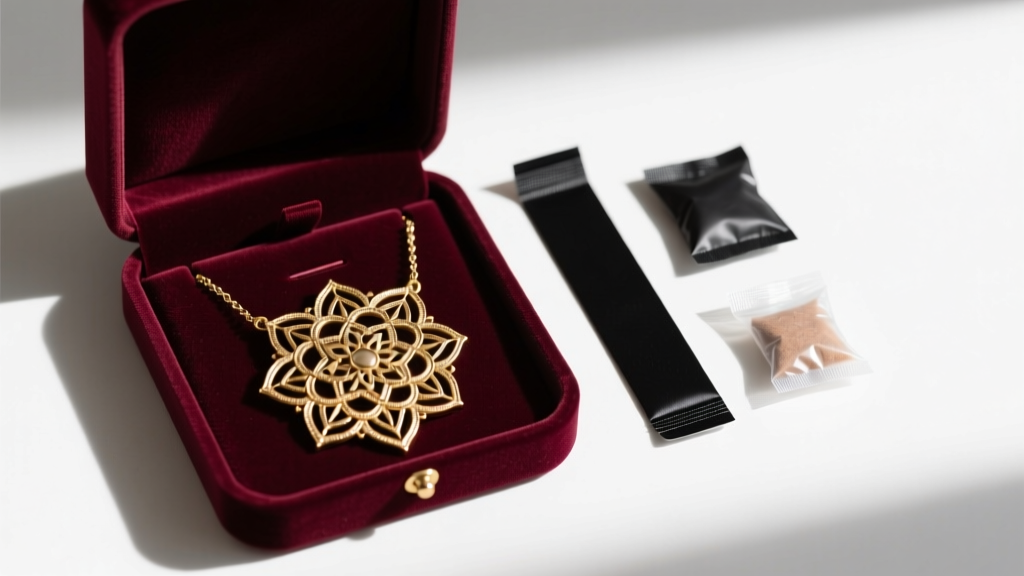
Proper storage is infinitely more effective than reactive cleaning. Tarnish is a chemical reaction between the base metal and hydrogen sulfide or moisture in the ambient air. By controlling the micro-climate of your storage environment, you can reduce the need for polishing to once or twice a year.
Humidity and Sulfur Control
Store your mandala necklace in an airtight polyethylene ziplock bag or a sealed acrylic jewelry box. Inside this enclosure, place two critical items:
- 3M Anti-Tarnish Strips: These strips contain chemically treated particles that absorb hydrogen sulfide gas from the air before it can react with your silver or brass. They must be replaced every 6 months to remain effective.
- Silica Gel Desiccant Packets: Moisture acts as a catalyst for tarnish and corrosion. Including a small silica gel packet keeps the relative humidity inside the enclosure below 50%, drastically slowing the oxidation process.
Furthermore, avoid storing your necklace in the bathroom, where fluctuating humidity and aerosolized cosmetic chemicals will rapidly accelerate tarnishing. Keep the piece away from direct sunlight, which can fade dyed stones like howlite or agate often used in colorful mandala designs.
When to Seek Professional Restoration
While meticulous home care will maintain your mandala necklace, certain situations require the intervention of a professional bench jeweler. If your pendant features broken filigree wires, missing micro-stones, or severe structural bending, do not attempt DIY repairs. Super glue (cyanoacrylate) will leave a permanent, cloudy residue that is nearly impossible to remove from intricate metalwork without damaging the finish.
Additionally, if the deliberate oxidation has been entirely stripped away by a previous owner or a harsh chemical accident, a professional jeweler can re-apply a controlled liver of sulfur treatment to restore the three-dimensional contrast of the mandala pattern. By combining gentle, informed home maintenance with professional oversight when necessary, your mandala necklace will retain its intricate beauty and spiritual resonance for generations to come.


