The Ultimate Popcorn Necklace Chain Care & Cleaning Guide
Learn how to safely clean, store, and maintain your popcorn necklace chain. Expert tips to prevent snagging, stretching, and tarnish buildup.

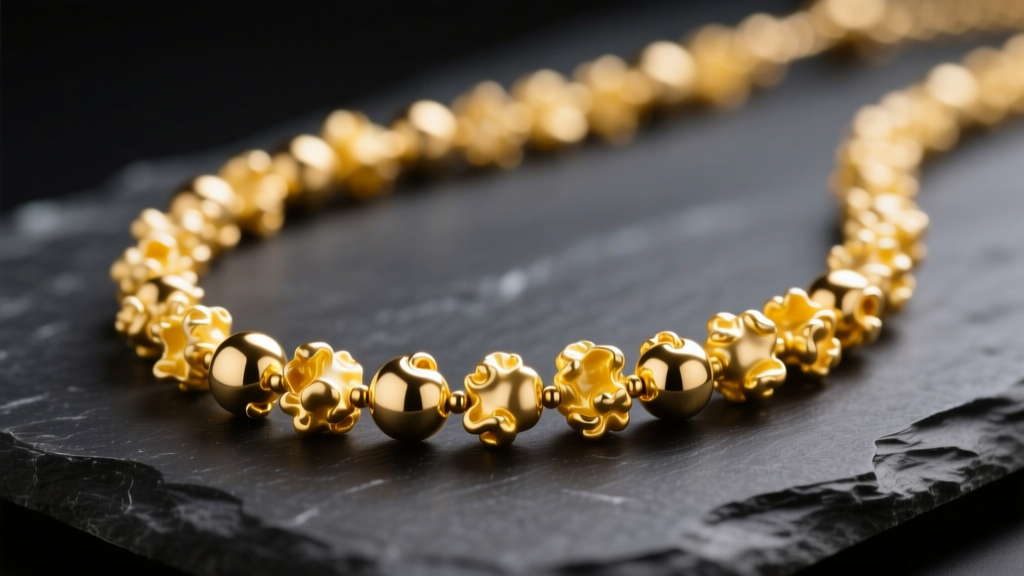
The Unique Anatomy of a Popcorn Necklace Chain
The popcorn necklace chain is a beloved jewelry staple, recognized for its lightweight, high-volume aesthetic and distinct textured surface that resembles popped corn kernels. However, the very design that gives this chain its visual appeal also creates unique maintenance challenges. Unlike smooth cable or box chains, a popcorn chain is constructed from dozens of tiny, stamped, and interlocking bead-like links. These links create hundreds of micro-crevices that act as magnets for sebum, cosmetic residue, dead skin cells, and environmental dust.
Before attempting any cleaning or maintenance, it is critical to determine whether your specific popcorn necklace chain is solid or hollow. According to the Gemological Institute of America (GIA), understanding the structural integrity of your gold jewelry is the first step in proper care. Most popcorn chains crafted in 14k or 18k gold that exceed 3mm in width are hollow. This manufacturing technique keeps the necklace comfortable to wear and reduces the precious metal cost, but it also means the chain is highly susceptible to denting, internal moisture trapping, and structural collapse if subjected to harsh mechanical cleaning methods. Solid popcorn chains, while much more durable and expensive, still suffer from severe dirt accumulation in the bead joints.
The Step-by-Step Cleaning Protocol
Cleaning a popcorn chain requires patience and the right tools. Abrasive brushes or harsh chemical dips can permanently scratch the high-polish surfaces of the individual beads or weaken the delicate interlocking joints. Follow this expert-approved protocol to restore your chain safely.
Step 1: The Distilled Water Soak
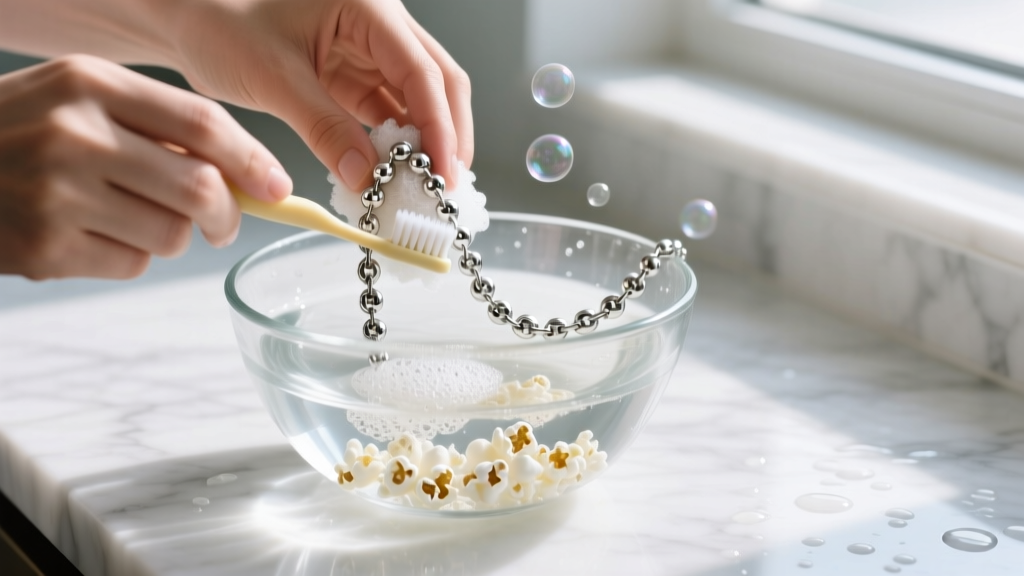
Never use tap water for soaking fine jewelry. Tap water contains chlorine and dissolved minerals that can leave hard water spots in the deep crevices of the popcorn links, which are nearly impossible to buff out. Instead, fill a small glass bowl with warm distilled water and add three drops of a mild, phosphate-free liquid dish soap. Submerge the chain and let it soak for exactly 10 to 15 minutes. If your chain is hollow, do not exceed 15 minutes, as prolonged submersion can allow water to seep into the microscopic seams of the beads.
Step 2: Directional Brushing
Remove the chain from the soapy solution and lay it flat on a clean, lint-free microfiber towel. Using an ultra-soft baby toothbrush, gently agitate the soapy residue out of the links. The golden rule of cleaning a popcorn necklace chain is to brush directionally. Always brush down the length of the chain, moving with the natural grain of the interlocking beads. Scrubbing laterally or in circular motions risks prying the delicate links apart or bending the thin metal shells of hollow beads.
Step 3: The Cool-Air Dry
Rinse the chain thoroughly under a gentle stream of lukewarm distilled water to remove all soap suds. Pat the exterior dry with a microfiber cloth. If you own a hollow popcorn chain, this next step is mandatory: use a hairdryer on the cool, low-speed setting to blow air across the chain. This forces trapped moisture out of the hollow bead interiors. Failing to dry the inside of a hollow chain can lead to trapped moisture, which causes skin irritation when worn and can accelerate the degradation of alloyed metals over time.
Cleaning Agents and Methods: What to Avoid
Many well-intentioned jewelry owners ruin their popcorn chains by applying generic cleaning methods that are only safe for solid, smooth-surfaced metals. The Jewelers of America frequently warns against the misuse of ultrasonic cleaners for textured or hollow jewelry. Below is a breakdown of common cleaning methods and their safety profile for popcorn chains.
| Cleaning Method | Solid Popcorn Chain | Hollow Popcorn Chain | Expert Reasoning |
|---|---|---|---|
| Ultrasonic Cleaners | Use with Caution | Strictly Avoid | High-frequency vibrations can shatter hollow bead shells and rattle loose any soldered joints. |
| Steam Cleaners | Safe | Avoid | Intense heat and pressure can warp thin hollow metals and force moisture deep inside the links. |
| Commercial Silver Dips | Safe (Silver Only) | Avoid | Harsh acids strip the patina but can become trapped inside hollow beads, causing rapid re-tarnishing. |
| Baking Soda Paste | Strictly Avoid | Strictly Avoid | Baking soda is highly abrasive and will permanently scratch the high-polish finish of the beads. |
| Mild Soap & Soft Brush | Highly Recommended | Highly Recommended | The safest, most effective way to lift oils and cosmetics without compromising structural integrity. |
Daily Wear Hazards and Storage Best Practices
The interlocking bead design of a popcorn necklace chain makes it notoriously prone to snagging. The microscopic gaps between the kernels easily catch on wool sweaters, lace garments, and even individual strands of hair. When a popcorn chain snags, it rarely just pulls a thread; it usually stretches the metal links or bends the individual beads, leading to permanent kinking.
To mitigate this, always put your popcorn chain on after you have finished dressing, applying makeup, and spraying perfume. Cosmetics and aerosol hairsprays create a sticky film on the gold or silver that accelerates dirt buildup and dulls the reflective surface of the beads.
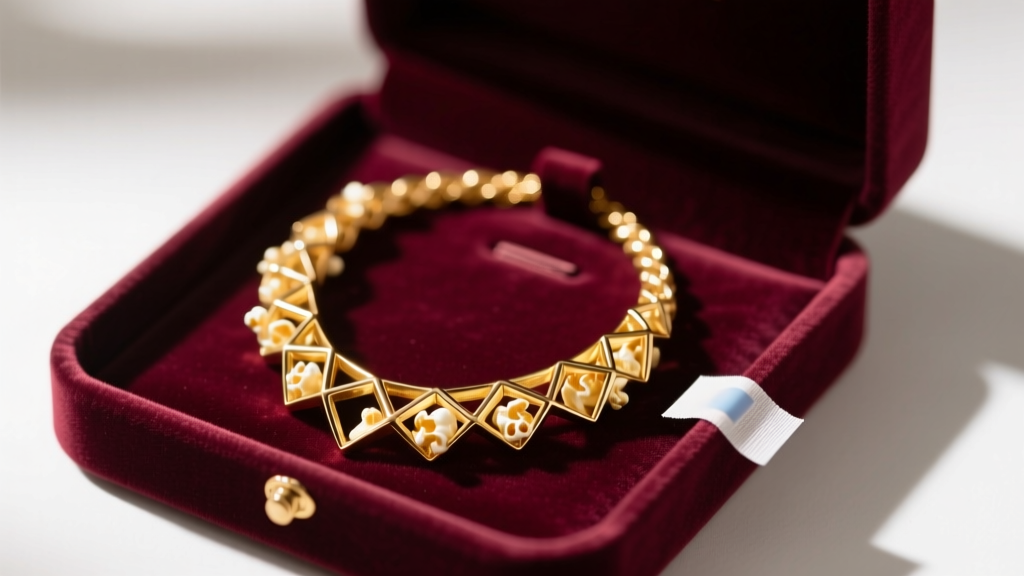
Proper storage is just as critical as cleaning. Never toss a popcorn chain into a communal jewelry box where it can become tangled with heavier, sharper pieces. Tangles in popcorn chains almost always require professional intervention to untangle without snapping the links. Store the necklace flat in a dedicated velvet-lined compartment, or hang it on a padded jewelry hook. If your chain is crafted from sterling silver, store it in an airtight polyethylene bag alongside a silica gel packet or an anti-tarnish strip to prevent the formation of silver sulfide.
When to Seek Professional Repair
Despite your best care efforts, popcorn chains are inherently fragile compared to solid rope or curb chains. If your necklace suffers from stretching, kinking, or a severed bead joint, do not attempt a DIY fix. Traditional torch soldering is often ineffective for hollow popcorn chains because the intense heat will melt the thin gold shells before the solder can flow. Instead, seek out a master jeweler who specializes in laser welding. Laser welders use concentrated pulses of light to fuse metal at a microscopic level without transferring heat to the surrounding hollow beads, allowing for seamless, invisible repairs on even the most delicate popcorn links. Regular professional inspections every two years can help identify weak links before they snap and result in the loss of your necklace.


