Layered Lariat Necklace Buying Guide: What to Look For
Discover what to look for when buying a layered lariat necklace. Learn about chain gauges, friction clasps, material grades, and styling.


The Anatomy of a Layered Lariat Necklace
The layered lariat necklace has evolved from a fleeting bohemian trend into a cornerstone of the 2026 modular jewelry movement. Unlike standard pendants that sit statically on the collarbone, a lariat introduces verticality, drawing the eye downward and elongating the neck. When you combine this Y-drop silhouette with multiple cascading chains, you get a dynamic, multi-dimensional accessory. However, buying a layered lariat necklace requires a keen eye for metallurgy, chain mechanics, and structural engineering. This guide breaks down exactly what to look for to ensure your investment hangs beautifully and lasts for years.
To make an informed purchase, you must first understand the structural components. A true layered lariat consists of two distinct zones: the base layers and the vertical drop. The base layers typically include a choker (14 to 15 inches) and a princess-length chain (17 to 18 inches) that rest horizontally across the décolletage. The lariat component introduces a third chain that diverges from a central junction or sliding ring, dropping vertically for an additional 3 to 6 inches, often terminating in a weighted charm, pearl, or geometric bar.
The primary challenge in this design is weight distribution. If the base chains are too heavy, they will pull the lariat junction upward, choking the wearer. If the vertical drop is too light, it will flip backward and hide behind the neck. According to the Gemological Institute of America (GIA), the specific gravity and alloy composition of the metals used directly impact how the piece drapes. Therefore, selecting the right chain profiles is not just an aesthetic choice, but a functional necessity.
Pre-Layered vs. DIY: Which Construction Suits You?
When shopping, you will encounter two primary construction methods. Understanding the trade-offs between these will save you from frustrating tangles and uneven draping.
| Feature | Pre-Layered (Soldered/Fixed) | DIY Layering (Modular) |
|---|---|---|
| Construction | Chains permanently joined at a single metal ring or bar. | Separate necklaces worn together, often using a silicone spacing clasp. |
| Tangling Risk | Very Low. Fixed junctions prevent chains from crossing over one another. | Moderate to High. Requires strict adherence to the 2-inch length differential rule. |
| Adjustability | Low. The length ratios are permanently set by the designer. | High. You can swap the lariat drop for a standard pendant or wear chains separately. |
| Best For | Minimalists who want a foolproof, grab-and-go styling solution. | Jewelry enthusiasts who value versatility and custom neckline adaptation. |
Material Grades and Chain Gauges That Actually Last
The longevity of your necklace hinges on material thickness and plating quality. In 2026, the market is flooded with ultra-thin, flash-plated pieces that degrade within months. Here is what you must demand from retailers.
The Vermeil vs. Solid Gold Debate
If you are buying gold-toned jewelry on a budget, insist on heavy gold vermeil rather than standard gold plating. The Blue Nile gold education guide notes that true vermeil requires a sterling silver base coated with at least 2.5 microns of 10k, 14k, or 18k gold. Standard plating often uses a brass base with a mere 0.5 microns of gold, which will rub off at the friction clasp within weeks. For the lariat drop, which constantly slides through a metal or silicone ring, solid 14k gold is the superior choice because the friction will eventually wear through any plating.
Decoding Chain Gauges
Gauge refers to the thickness of the wire used to make the chain links. A common failure point in poorly designed lariats is a mismatched gauge.
- Base Chains (0.6mm - 0.9mm): The horizontal layers should feature delicate cable or rolo chains. These are lightweight, flexible, and sit flat against the skin without pulling on the neck.
- Lariat Drop (1.0mm - 1.5mm): The vertical drop must be thicker and heavier. A 1.2mm box chain or wheat chain provides the necessary downward momentum to keep the Y-shape intact. Avoid snake chains for the drop; their smooth, tubular surface lacks the micro-texture needed for friction clasps to grip, and they are notoriously prone to permanent kinking if bent.
The Friction Clasp vs. Fixed Drop Dilemma
The junction where the vertical drop begins is the most critical engineering point of the necklace. You will generally face a choice between a fixed drop and an adjustable friction clasp.
A fixed drop features a soldered ring where the vertical chain is permanently attached. This is foolproof and eliminates slipping, but it locks you into a single silhouette. If the drop is 4 inches, it will always be 4 inches, limiting your ability to adapt the necklace to different necklines.
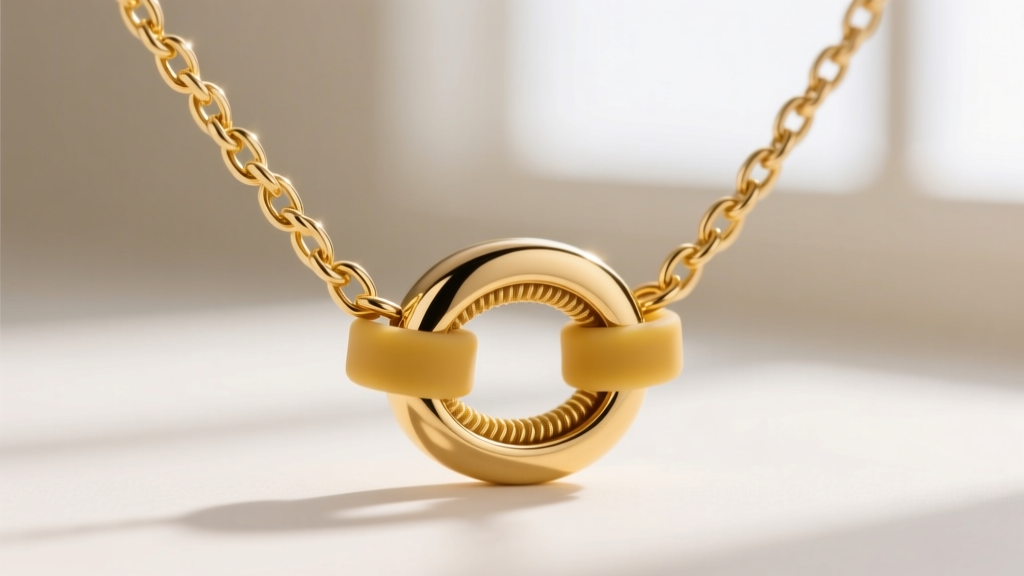
An adjustable friction clasp allows you to slide the chain up and down, altering the length of the Y-drop or even converting the lariat into a standard long pendant. However, not all friction clasps are created equal. Avoid metal-on-metal tension beads; they stretch the chain links over time and eventually lose their grip. Instead, look for silicone-lined friction clasps. These feature a tiny, replaceable rubber O-ring inside the metal bead that grips the chain securely without damaging the links. If your clasp begins to slip after a year of wear, you can often simply replace the silicone insert rather than discarding the entire necklace.
Pricing Tiers: What You Should Expect to Pay
Understanding the fair market value of a layered lariat necklace prevents you from overpaying for inferior construction or underestimating the cost of fine jewelry.
- Budget Tier ($35 - $85): Expect gold-plated brass or sterling silver with thin vermeil. Chains will likely be in the 0.5mm to 0.8mm range. The friction clasps may lack silicone linings. These are suitable for occasional wear but will likely tarnish or stretch within a year.
- Mid-Tier ($90 - $250): The sweet spot for everyday wear. You will find high-quality sterling silver bases with 2.5-micron 18k vermeil, or 10k/14k solid gold filled options. Chain gauges will be properly weighted (1.0mm+ for the drop), and hardware will include silicone-lined adjusters.
- Fine Jewelry Tier ($350 - $1,200+): Solid 14k or 18k gold throughout. Chains are often custom-milled with specialized links to prevent tangling. Drops may feature bezel-set diamonds, high-grade Tahitian pearls, or precision-cut gemstones. These pieces are heirloom-quality and will not degrade from friction or moisture.
Neckline Pairing and Proportion Rules
A layered lariat necklace is a versatile tool, but its impact depends heavily on the garment it accompanies. Use these proportional rules to maximize the visual elongation of the piece.
The Deep V-Neck
This is the natural habitat of the lariat. The vertical drop should perfectly bisect the V of the neckline, extending about one inch past the fabric's lowest point. Ensure the base layers sit at least two inches above the collarbone to create a cascading, tiered effect rather than a cluttered one.
The Scoop or Crew Neck
When wearing higher, rounded necklines, the visual weight of the jewelry must contrast the curve of the fabric. Shorten the lariat drop using the friction clasp so it terminates just above the bust line. This creates a sharp, geometric contrast against the soft curve of a scoop neck, drawing the eye upward toward the face.
The Button-Down Shirt
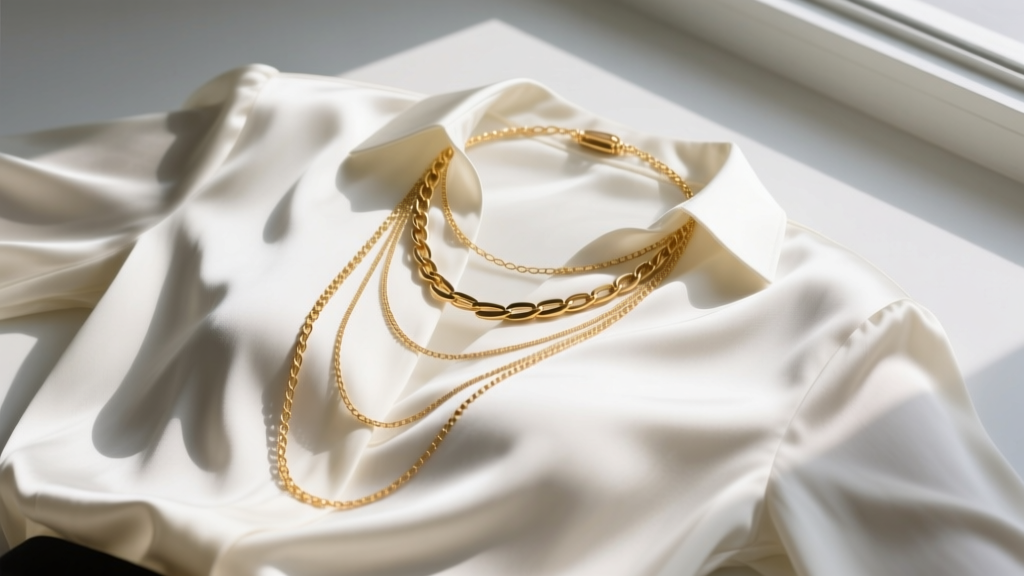
For a tailored, office-appropriate look, unbutton the top three buttons of a crisp collared shirt. Layer a 14-inch choker, a 16-inch princess chain, and let the lariat drop fall at 18 inches, disappearing subtly into the shirt. This creates an effortless, curated aesthetic that implies the layering was organic rather than pre-packaged.
Final Thoughts on Your Purchase
Buying a layered lariat necklace is an exercise in balancing aesthetics with mechanical reality. By prioritizing silicone-lined hardware, respecting gauge differentials between the base and the drop, and investing in proper vermeil or solid gold, you secure a piece that will adapt to your wardrobe for years. Whether you opt for a pre-soldered masterpiece or a modular DIY setup, the right lariat will remain a cornerstone of your jewelry collection long after fleeting trends have faded.


