50cm Necklace Value Guide: Material ROI & Pricing
Evaluate the true cost of a 50cm necklace. Compare material ROI, gauge weights, and pricing tiers to find the best budget value for your jewelry.

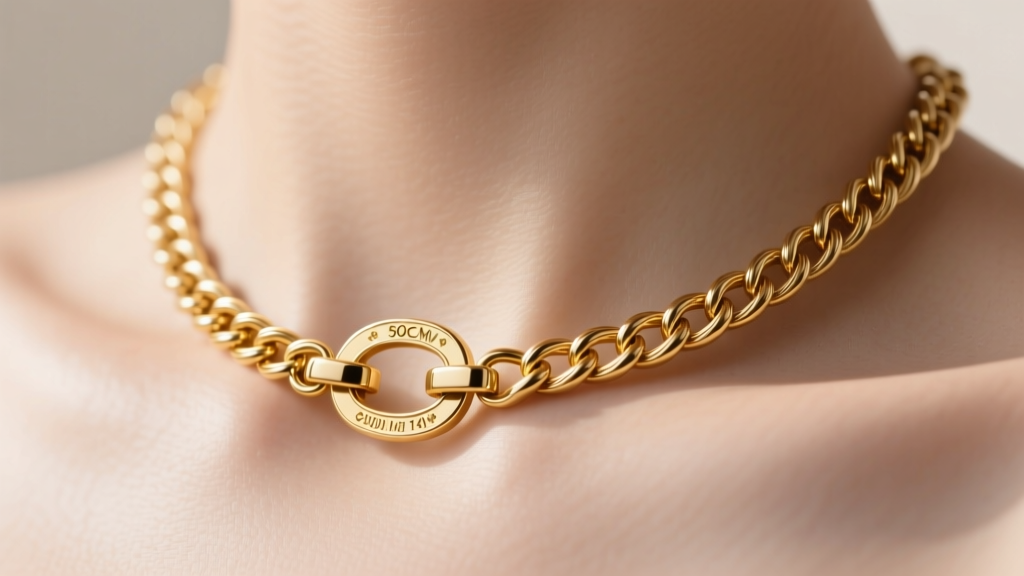
When building a versatile jewelry collection, the 50cm necklace (approximately 19.7 inches) is universally recognized as the 'Goldilocks' length. Sitting perfectly at the base of the neck or resting gently on the collarbone, this princess-length staple flatters almost every neckline. However, from a budget and value assessment perspective, the 50cm length presents unique financial considerations. Because it requires significantly more raw material than a standard 40cm choker, the baseline cost shifts dramatically depending on the metal you choose. In this guide, we break down the true ROI, material grading, and hidden cost-per-wear metrics of investing in a 50cm necklace in today's market.
The 50cm Multiplier: How Length Dictates Baseline Cost
To accurately assess value, you must first understand the metallurgical math. Moving from a 40cm chain to a 50cm chain represents a 25% increase in raw material volume. If you are shopping for sterling silver, this 10cm difference might only add $4 to $8 to the retail price. However, when you enter the realm of solid 14k or 18k gold, that same 25% increase in weight can add anywhere from $80 to over $250 to the final price tag, depending on the chain's gauge and the current spot price of gold.
Therefore, the 'budget' strategy for a 50cm necklace depends entirely on your material ceiling. A budget-conscious buyer might maximize value by opting for a heavier, more durable silver chain, while a luxury buyer must carefully evaluate the gram-weight-to-price ratio to avoid overpaying for brand markups.
Material Breakdown: Cost vs. Longevity Matrix
Not all 50cm necklaces are created equal. The market is flooded with misleading terminology, particularly regarding gold alternatives. According to the Federal Trade Commission Jewelry Guides, strict thresholds dictate what can legally be sold as gold vermeil versus gold plated. Below is a value assessment matrix for a standard 50cm, 1.5mm cable chain across different material tiers.
| Material Grade | Avg. Price Range | Expected Lifespan | Cost-Per-Wear (CPW) | Maintenance & Failure Risks |
|---|---|---|---|---|
| Sterling Silver (925) | $35 - $75 | 10+ Years | $0.01 - $0.02 | High tarnish risk; requires regular polishing. |
| Gold Plated (Brass Base) | $25 - $50 | 6 - 12 Months | $0.15 - $0.25 | Base metal turns skin green; plating rubs off quickly. |
| Gold Vermeil (2.5µm over 925) | $85 - $160 | 2 - 5 Years | $0.05 - $0.10 | Excellent mid-tier value; eventually requires replating. |
| Solid 14k Gold | $280 - $450 | Lifetime | $0.03 - $0.05 | Zero tarnish; can be polished and repaired indefinitely. |
The Vermeil vs. Plated Trap
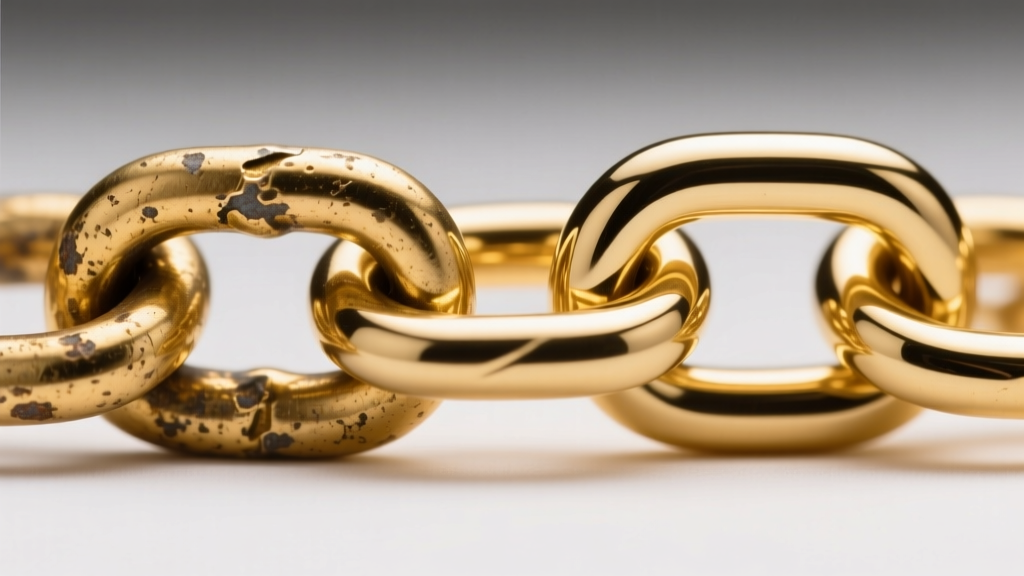
When evaluating budget options for a 50cm necklace, avoid 'gold plated' chains with brass or copper bases. The friction of a 50cm chain moving against your collarbone and clothing will wear through a 0.5-micron flash plating in a matter of months. True gold vermeil must feature a sterling silver base and a minimum of 2.5 microns of gold. While the upfront cost is higher, the cost-per-wear plummets, making vermeil the undisputed champion of mid-budget value.
Gauge, Weight, and the 'Hollow Chain' Deception
A critical mistake budget shoppers make is focusing solely on the millimeter width of the chain while ignoring the gram weight. A 50cm necklace that is 3mm wide but weighs only 2 grams is likely an electroformed 'hollow' chain. These chains offer the illusion of a heavy, luxurious rope or Cuban link but are structurally compromised.
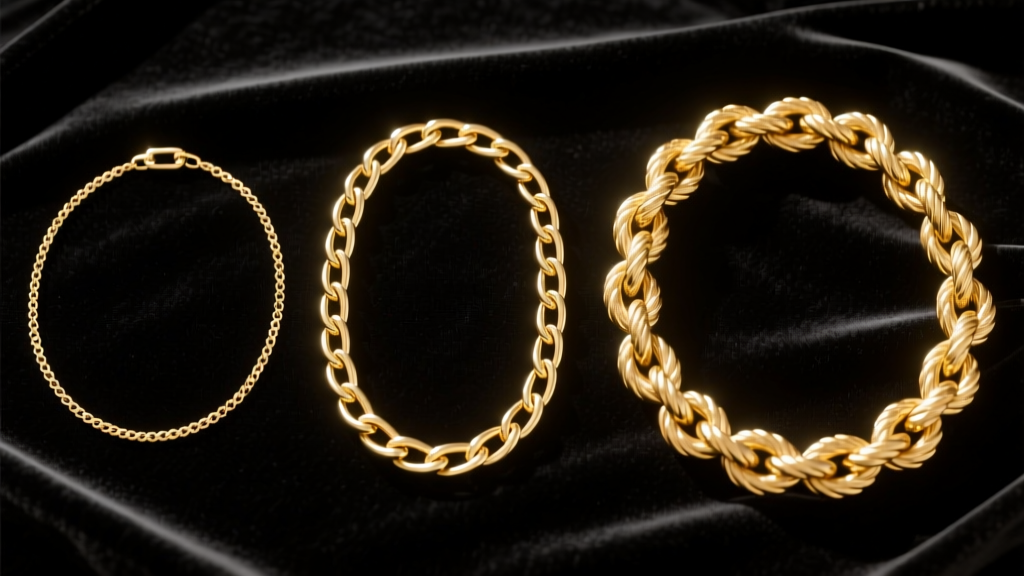
- Solid 1.2mm Cable Chain (50cm): Weighs approximately 1.8 to 2.2 grams in solid 14k gold. Highly durable, resistant to kinking, and offers excellent value for everyday wear.
- Hollow 3.0mm Rope Chain (50cm): May also weigh around 2.5 grams. While visually striking, the thin walls of the hollow links are prone to crushing if snagged, and they are nearly impossible for a jeweler to solder back together.
For maximum budget value, prioritize a solid, lower-gauge chain over a hollow, higher-gauge chain. A solid 1.5mm chain will outlast a hollow 4mm chain by decades, providing a vastly superior return on investment.
Hardware and Failure Points: The 50cm Leverage Problem
The length of a necklace directly impacts the mechanical stress placed on its hardware. A 40cm choker sits high and tight, limiting the chain's ability to catch on external objects. A 50cm necklace, however, drapes lower and has more slack. This creates a leverage problem when the chain snags on a scarf, a seatbelt, or a door handle.
'The most common point of failure on a 50cm chain is not the links themselves, but the jump ring connecting the clasp. If the jump ring is not laser-welded or soldered shut, the extra leverage of a 50cm drop will easily pull it apart, resulting in a lost pendant or chain.' — Master Jeweler Bench Notes
When assessing the value of a budget 50cm necklace, inspect the clasp. Avoid spring-ring clasps entirely; their internal tension springs fail frequently under sudden stress. Insist on a solid lobster clasp with a soldered jump ring. Paying a $15 premium for upgraded hardware on a budget chain will save you from losing the entire piece.
Pendant Pairing: Friction and Wear Metrics
A 50cm necklace is the premier choice for suspending pendants. However, the interaction between the pendant's bail (the loop it hangs from) and the chain links is a hidden cost factor. If you pair a heavy gemstone pendant with a wide bail on a thin 50cm 14k gold chain, the constant sliding and friction will act like a saw, slowly wearing through the gold links at the center of the neck.
To protect your investment, ensure the pendant bail is lined with a protective metal insert, or choose a chain gauge that is thick enough to resist friction wear. According to the Gemological Institute of America (GIA), understanding the structural integrity of your precious metals is just as important as evaluating their purity. A 50cm chain meant for heavy pendants should be a minimum of 1.5mm in solid gold, or 2.0mm in sterling silver, to withstand the kinetic friction of daily wear.
Final Verdict: Allocating Your Budget
The value of a 50cm necklace is not determined by the brand name stamped on the tag, but by the transparency of its metallurgical specifications. For buyers with a budget under $100, a high-quality, rhodium-plated sterling silver chain with a soldered lobster clasp offers unmatched longevity and cost-per-wear. For those in the $100–$200 range, 14k gold vermeil over a solid silver base provides the aesthetic of luxury without the spot-price vulnerability of solid gold. Finally, if you are investing $300 or more, demand solid 14k or 18k gold, verify the exact gram weight, and avoid hollow constructions at all costs. By focusing on material density, hardware integrity, and FTC-compliant plating thicknesses, you can secure a 50cm necklace that delivers true, lasting value.


