Othonna Capensis Ruby Necklace Pendant: Care & Fixes
Troubleshoot common issues with your Othonna capensis ruby necklace botanical pendant. Learn how to fix resin yellowing, color fading, and moisture damage.

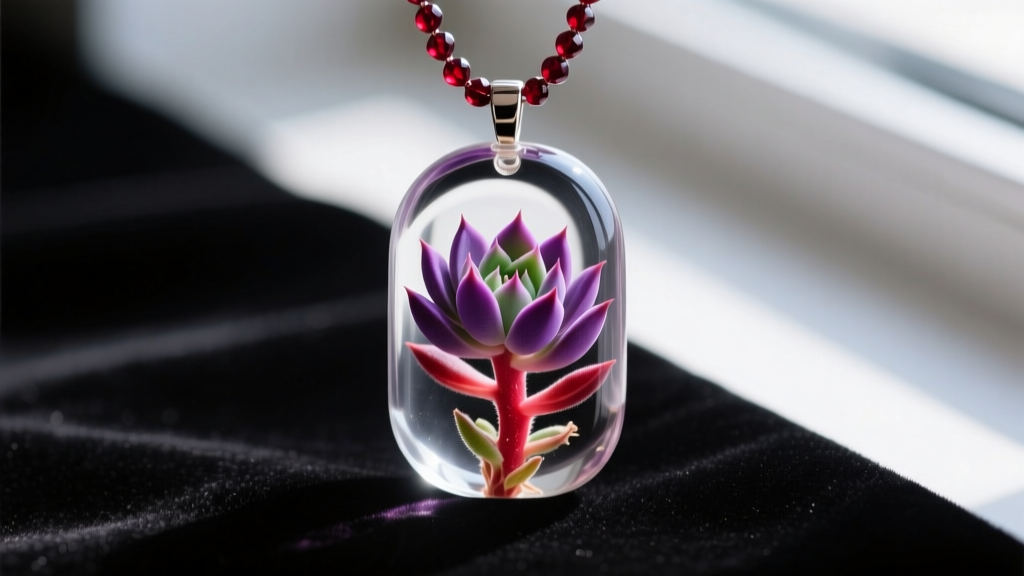
The Unique Challenge of Othonna Capensis Botanical Jewelry
The Othonna capensis 'Ruby Necklace' is a stunning trailing succulent prized for its vibrant, ruby-red and purple stems that develop under environmental stress. In the niche world of botanical jewelry, preserving this specific plant inside a resin or glass pendant presents a unique set of challenges. Unlike dried flowers or ferns, succulents retain massive amounts of intracellular water and rely on specific light conditions to maintain their anthocyanin pigments (the compounds responsible for the ruby coloration). As botanical jewelry trends mature in 2026, artisans and collectors alike are encountering specific failure modes with these pieces. This guide serves as a comprehensive troubleshooting manual for identifying, fixing, and preventing the most common issues associated with your Othonna capensis ruby necklace pendant.
Problem 1: The 'Ruby' Anthocyanin Pigment is Fading to Brown
The most frequent complaint from collectors of Othonna capensis jewelry is that the striking ruby-red stems gradually turn a dull, muddy brown or olive green after a few months of wear.
The Science of Color Loss
The red and purple hues in Othonna capensis are not permanent structural colors; they are stress-induced anthocyanins. Once the plant is harvested and encased in resin, it is deprived of the UV stress that maintains this pigment. Furthermore, standard epoxy resins act as a magnifying lens for ambient UV light, rapidly breaking down the delicate anthocyanin molecules and causing the resin itself to yellow, compounding the brown appearance.
The Fix: UV Inhibitors and Storage
If your pendant has already faded, the color cannot be chemically reversed without extracting the plant, which would destroy the piece. However, you can halt further degradation. According to ArtResin's guide on UV resistance, not all UV inhibitors are created equal. You must look for pendants cast with resins containing HALS (Hindered Amine Light Stabilizers), which scavenge free radicals before they can degrade the plant matter or yellow the epoxy. For existing pieces, store your necklace in a UV-blocking velvet pouch when not in wear, and avoid leaving it on a sunny dashboard or windowsill.
Problem 2: Cloudy Resin and Trapped Moisture Rot
Botanical resin jewelry requires the plant material to be 100% dehydrated before encapsulation. If an artisan rushes this process, the trapped moisture will slowly release into the cured resin, causing a milky, cloudy halo around the succulent stems, and eventually leading to internal black rot.
Diagnosing the Cloudiness
Inspect your pendant under a bright LED light. If the cloudiness is strictly on the surface, it may be micro-scratches from daily wear against clothing. If the cloudiness is deep within the resin, specifically hugging the Othonna capensis leaves, you are witnessing moisture off-gassing. Because succulents have thick, water-storing cuticles, standard air-drying is entirely insufficient for jewelry preparation.
Can You Reverse Resin Clouding?
Unfortunately, internal moisture clouding in cured epoxy is permanent. The only true fix is preventative: purchasing from artisans who utilize professional freeze-drying or extended silica gel desiccation. If you are an artisan reading this, Resin Obsession highly recommends pre-sealing succulents with a specialized botanical sealant or multiple coats of clear acrylic spray before the final resin pour to trap any residual moisture inside the plant cells.
Problem 3: Glass Vial Condensation & Desiccation Failures
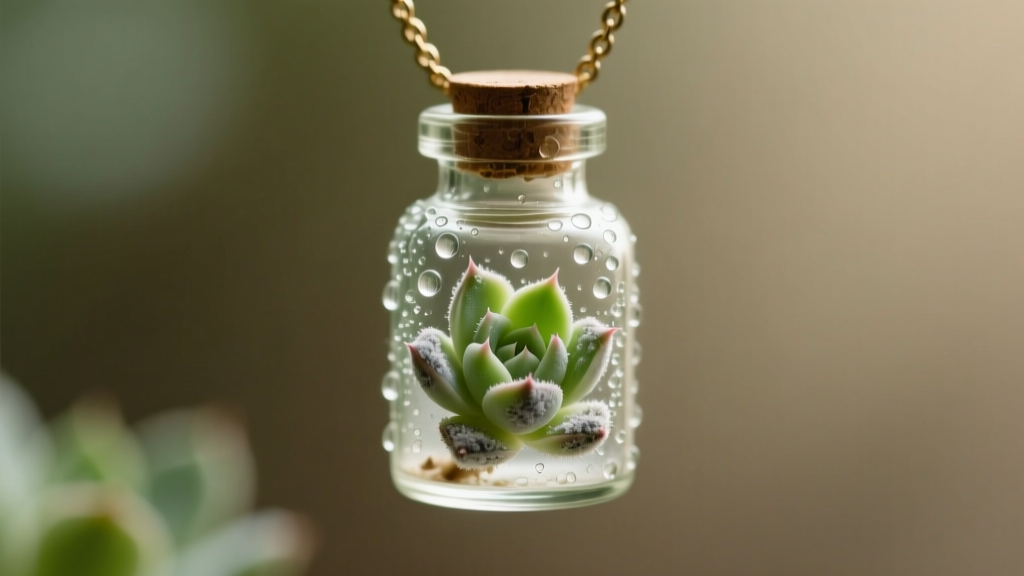
Some Othonna capensis ruby necklace pendants are housed in small glass apothecary vials rather than solid resin. While this avoids epoxy yellowing, it introduces the risk of condensation and mold if the internal humidity is not strictly controlled.
Troubleshooting Vial Condensation
If you see water droplets on the inside of the glass, the desiccant packet inside the vial has failed or was omitted entirely. You must carefully unscrew the vial cap, remove the succulent, and place both the plant and the open vial in a sealed container with fresh, indicating silica gel beads for 48 hours. Once fully dry, insert a micro-desiccant packet (specifically designed for jewelry vials) before re-sealing with a tiny drop of jeweler's adhesive on the threads to create an airtight barrier.
Desiccation Methods for Succulent Jewelry
| Drying Method | Time Required | Color Retention | Risk of Rot |
|---|---|---|---|
| Air Drying | 2-4 Weeks | Poor (Turns Brown) | Very High |
| Silica Gel Burial | 7-10 Days | Moderate | Moderate |
| Freeze-Drying | 24-48 Hours | Excellent (Ruby Retained) | Very Low |
| Glycerin Submersion | 2-3 Weeks | Poor (Alters Texture) | Low |
Hardware Failure: Jump Rings Pulling Apart
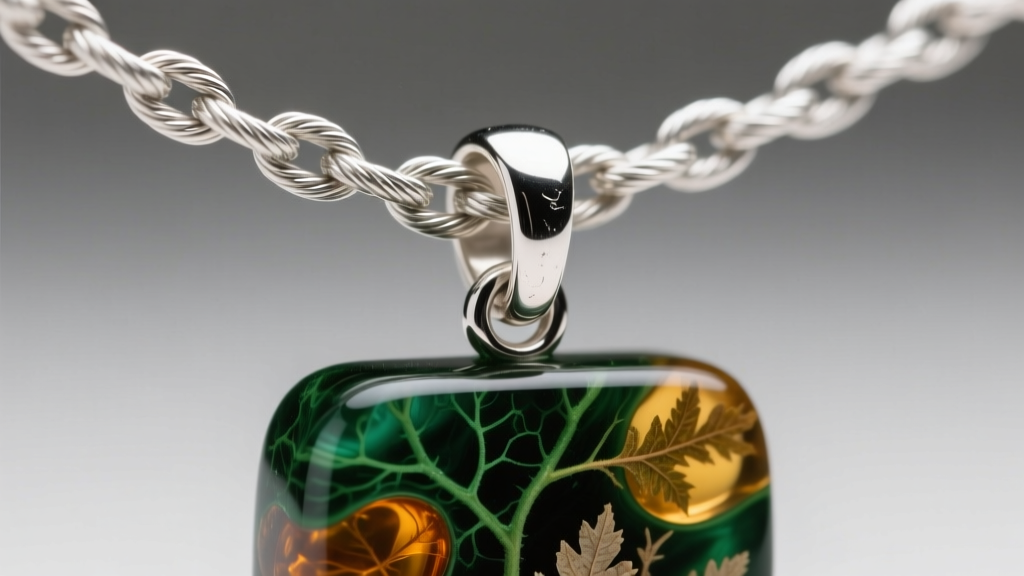
A fully cured resin pendant featuring a trailing Othonna capensis cutting is surprisingly heavy, often weighing between 20 and 45 grams depending on the depth of the pour. Standard jewelry findings are not rated for this weight.
Upgrading to 16-Gauge and Soldered Rings
If your pendant frequently slips off the chain or the jump ring at the top of the bail has pulled open, the hardware is undersized. Most mass-produced chains use 20-gauge or 22-gauge jump rings, which will easily warp under the pendulum swing of a heavy botanical piece. To fix this, take your necklace to a local jeweler and request an upgrade to a 16-gauge (1.2mm) or 18-gauge (1.0mm) jump ring. For ultimate security, ask for a soldered jump ring or a solid sterling silver bail that is glued into the resin with a two-part jeweler's epoxy, ensuring the heavy succulent pendant never detaches from your chain.
Routine Maintenance & Cleaning Protocol
To keep your Othonna capensis ruby necklace pendant looking pristine in 2026 and beyond, adopt a strict cleaning routine. Never use chemical jewelry dips, ultrasonic cleaners, or alcohol-based solutions, as these will degrade the resin surface and cloud glass vials. Instead, use a microfiber cloth lightly dampened with distilled water and a drop of mild dish soap to gently buff the surface. Dry immediately. By understanding the botanical and chemical realities of preserving this unique succulent, you can ensure your ruby necklace pendant remains a vibrant, wearable piece of nature for years to come.


