How to Style and Layer a Mini Cross Necklace: A Step-by-Step Guide
Learn how to style, layer, and choose the perfect mini cross necklace. Our step-by-step guide covers chain lengths, metals, and neckline pairing.

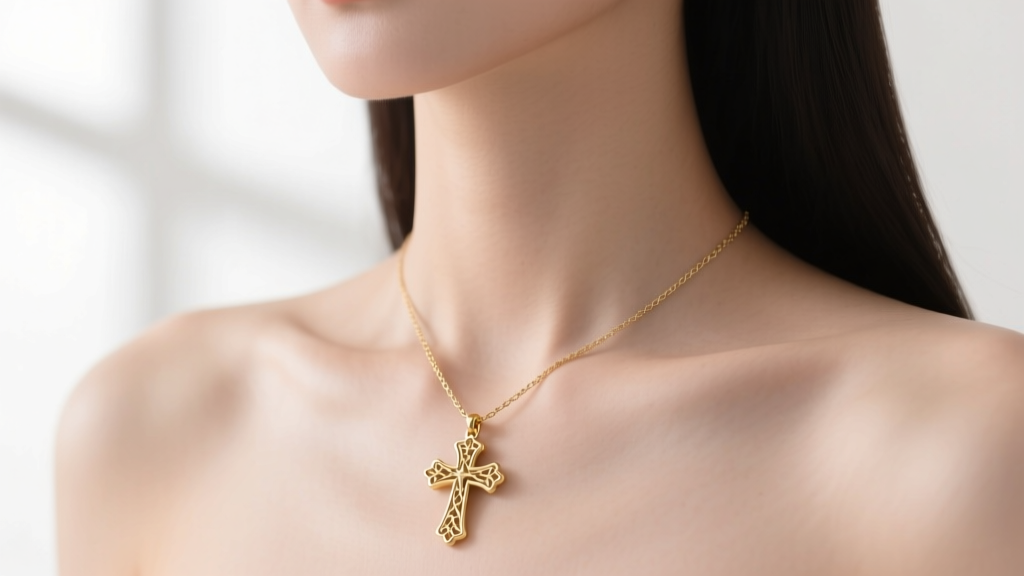
The Evolution of the Mini Cross Necklace
The mini cross necklace has transcended its traditional roots to become a cornerstone of contemporary, minimalist jewelry styling. Unlike heavy, ornate statement pieces, a mini cross pendant—typically measuring between 8mm and 15mm in height—offers a subtle, refined aesthetic that works seamlessly in both casual and professional environments. However, achieving the perfect look requires more than just throwing a pendant on a chain. It demands an understanding of metallurgy, chain mechanics, and spatial layering. This step-by-step guide will walk you through the precise technical and stylistic decisions required to curate, wear, and maintain a mini cross necklace in 2026.
Step 1: Selecting the Right Metal Grade and Chain Type
The longevity and daily wearability of your necklace depend entirely on the metal grade and chain construction. According to the Gemological Institute of America (GIA), the karat weight of gold directly impacts its tensile strength and scratch resistance.
Decoding Metal Grades for Daily Wear
- 14k Solid Gold (58.5% Gold): The optimal choice for a daily-wear mini cross. The higher alloy content (usually copper, silver, and zinc) provides superior structural integrity, preventing the bail (the loop connecting the pendant to the chain) from warping under friction. Expect to pay between $180 and $350 for a quality 14k piece from brands like Mejuri or Catbird.
- 18k Solid Gold (75% Gold): Offers a richer, warmer yellow hue but is significantly softer. If you choose 18k, opt for a thicker chain (1.2mm or higher) to prevent micro-fractures.
- Sterling Silver (925): A budget-friendly alternative ($40–$90), but the 7.5% copper content makes it prone to oxidation. Regular polishing is mandatory to prevent sulfur-induced tarnishing.
- Gold Vermeil vs. Gold Plated: Vermeil requires a thick layer of gold (minimum 2.5 microns) over a sterling silver base, making it far superior to standard brass-based gold plating, which will inevitably rub off at the clasp and bail within months of daily wear.
Chain Mechanics: Choosing the Right Link
Not all chains are engineered to support pendants. The friction between the bail and the chain link can cause severe wear over time.
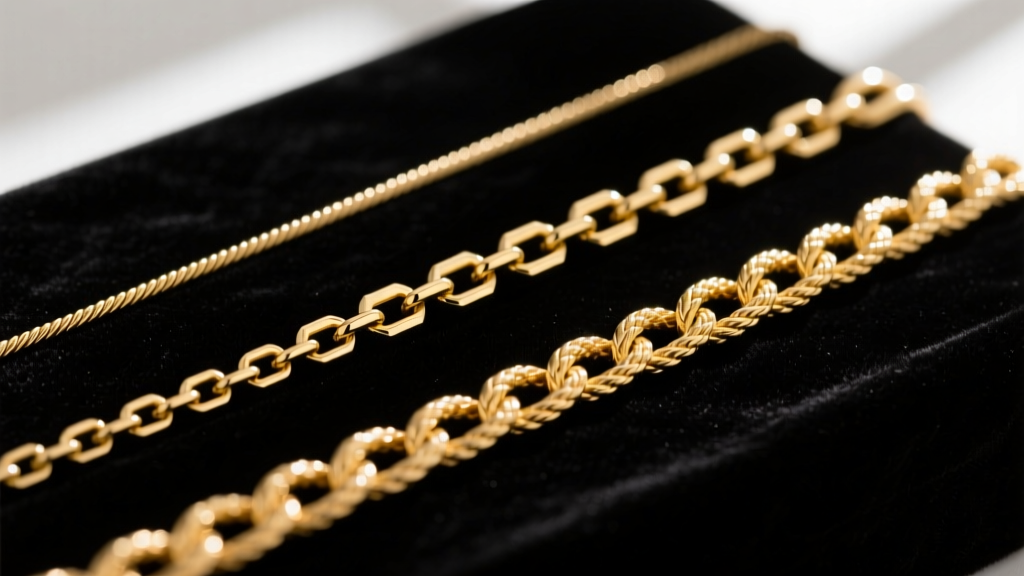
- Cable Chain (0.9mm - 1.2mm): The classic choice. Its uniform, oval links allow the pendant bail to glide smoothly, reducing localized friction.
- Box Chain (1.0mm - 1.5mm): Highly durable due to its interlocking square links. However, the sharp inner edges of the links can slowly file down a soft 18k gold bail. Use a box chain only with 14k gold or platinum pendants.
- Rope Chain (1.2mm+): Visually striking but structurally risky for mini pendants. The twisted links can easily catch the bail, causing the pendant to hang crookedly or snap the chain if snagged on clothing.
Step 2: Sizing Your Mini Cross Pendant and Bail
Proportion is the most frequently overlooked element in pendant styling. A common failure mode occurs when a heavy pendant is paired with a micro-chain, leading to chain snapping, or when a massive bail overwhelms a delicate cross. Use the following framework to ensure structural and visual harmony.
| Pendant Height | Visual Weight | Ideal Chain Width | Minimum Bail Inner Diameter |
|---|---|---|---|
| 8mm - 10mm | Ultra-Delicate | 0.8mm - 1.0mm | 1.5mm |
| 11mm - 14mm | Standard Mini | 1.0mm - 1.2mm | 2.0mm |
| 15mm - 18mm | Chunky Mini | 1.2mm - 1.5mm | 2.5mm |
Expert Rule of Thumb: The inner diameter of the bail must always be at least 0.5mm wider than the chain's thickness. This gap allows the chain to flex naturally around the neck without kinking at the pendant connection point.
Step 3: Mastering the Layering Technique
The mini cross necklace truly shines when integrated into a layered stack. The secret to a professional, untangled layering job relies on strict spatial mathematics—specifically, the "Two-Inch Rule."
The Two-Inch Drop Framework
To prevent your chains from twisting into a single knot, each subsequent necklace in your stack must be exactly two inches longer than the one above it. This creates a cascading visual effect and keeps the clasps separated.
- Layer 1 (The Anchor): A 14-inch choker or collar. This sits tightly at the base of the neck. A simple 14k gold herringbone chain or a delicate pearl strand works best here.
- Layer 2 (The Focal Point): A 16-inch chain featuring your mini cross necklace. At 16 inches, the pendant will rest perfectly in the suprasternal notch (the hollow at the base of your throat), drawing the eye naturally.
- Layer 3 (The Balancer): An 18-inch or 20-inch chain with a heavier, larger pendant, such as a coin medallion or a geometric shape. This grounds the stack and provides visual weight to the lower chest.

Clasp Management
When layering, always position the clasps at different points on the back of your neck. If all three lobster clasps are stacked directly on top of one another, they will create a bulky, uncomfortable lump and increase the likelihood of accidental unhooking. Stagger them by an inch or two along the nape of your neck.
Step 4: Matching Necklines to Chain Lengths
A mini cross necklace must be adapted to the geometry of your clothing. The interplay between the pendant and the fabric's edge dictates the overall polish of your outfit.
Crew Necks and High Collars
For high necklines, opt for a 14-inch or 15-inch chain. The mini cross should rest entirely above the fabric line, sitting directly on the skin of the upper chest. If the pendant dips below the collar and gets lost in the fabric folds, it creates a cluttered, accidental look.
V-Necks and Wrap Dresses
The V-neck is the most forgiving neckline for pendants. Choose a 16-inch or 18-inch chain so the mini cross rests in the center of the 'V', approximately one inch above the fabric's intersection. This elongates the neck and follows the natural geometric lines of the garment.
Button-Down Shirts
When wearing a button-down, leave the top two buttons undone. A 16-inch mini cross necklace will sit perfectly in the exposed triangular patch of skin. Avoid chains longer than 18 inches here, as they will slip beneath the fabric and cause the pendant to bang against the buttons.
"The mini cross is an exercise in restraint. Its power lies in its subtlety. When styling, let the negative space around the pendant do as much work as the gold itself." — Contemporary Jewelry Styling Principles
Maintenance and Care Routine
Because mini cross necklaces are worn close to the skin and frequently layered, they are highly exposed to sebum, lotions, and environmental pollutants. The Federal Trade Commission (FTC) provides baseline guidelines for jewelry care, but daily wear requires a more rigorous protocol.
Weekly Cleaning Protocol
- The Soak: Mix three drops of mild, phosphate-free dish soap into a bowl of lukewarm water. Submerge the necklace for exactly 5 minutes. Do not use hot water, as rapid temperature changes can stress the solder points on the chain links.
- The Agitation: Use a baby-soft toothbrush to gently sweep the bristles over the back of the cross pendant and inside the bail. This removes compacted skin cells and lotion residue that cause the gold to look dull.
- The Dry: Never air-dry your necklace, as water spots will form on the metal. Pat it dry with a microfiber cloth, then use a hair dryer on the "cool" setting to blast out any trapped moisture from the chain links.
Storage Best Practices
Never toss a layered stack into a jewelry box. The chains will inevitably knot, and pulling them apart can snap a delicate 0.9mm cable chain. Always hang your mini cross necklace on a dedicated jewelry stand or lay it completely flat in a felt-lined drawer. If traveling, thread the chain through a plastic drinking straw and clasp it; this physical barrier makes tangling mathematically impossible.
Final Thoughts on the Mini Cross
Mastering the mini cross necklace is about understanding the intersection of material science and visual geometry. By selecting the correct 14k gold alloy, matching the bail size to your chain width, and strictly adhering to the two-inch layering rule, you transform a simple pendant into a sophisticated, enduring staple of your personal style. Whether worn solo against a crisp white t-shirt or stacked with pearls and medallions for an evening out, the mini cross remains an unparalleled exercise in elegant minimalism.


