Matching Dress Necklines and Necklaces: A Beginner's Guide
Learn the exact rules for matching dress necklines and necklaces. Discover ideal chain lengths, pendant sizes, and metal grades for any outfit.

The Geometry of Jewelry: Why Proportions Matter
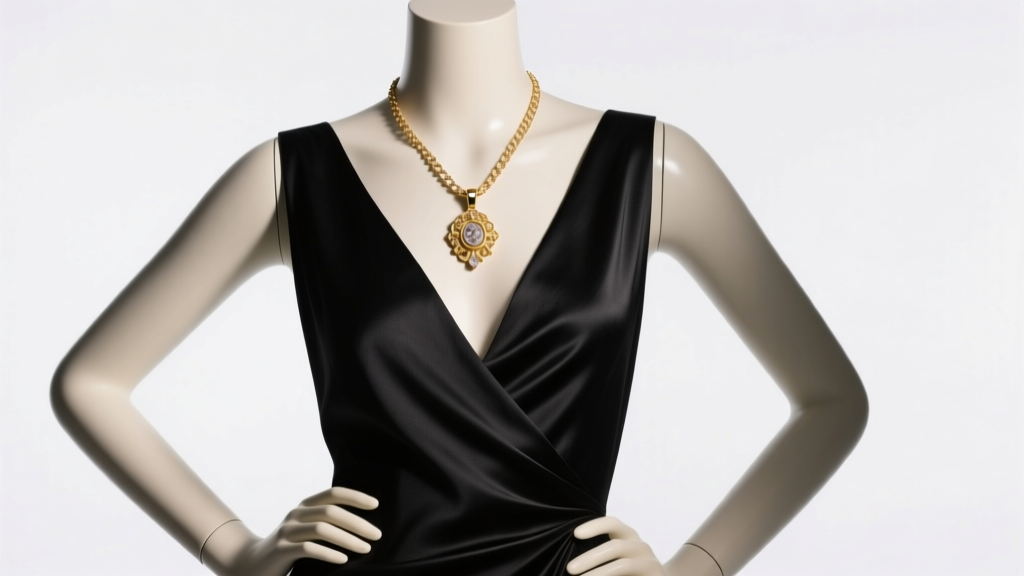
Styling jewelry is fundamentally an exercise in geometry and visual weight. When beginners struggle with matching dress necklines and necklaces, the issue rarely stems from a lack of taste; rather, it is a misunderstanding of spatial proportions. A pendant that disappears beneath a high collar or a choker that awkwardly bisects a sweetheart neckline disrupts the visual flow of an outfit. The goal is to frame the face and complement the garment's architecture, not compete with it. According to styling principles endorsed by the Jewelers of America, the most harmonious pairings either perfectly mirror the neckline's shape or provide a deliberate, contrasting anchor.
Standard Chain Lengths Decoded
Before dissecting specific garments, you must understand the industry-standard measurements for chain lengths. Jewelry manufacturers design clasps and drops based on these specific benchmarks:
- Collar (14 inches / 35 cm): Sits tightly against the base of the neck. Ideal for open necklines.
- Choker (16 inches / 40 cm): Rests just above the collarbone. The most versatile length for casual and business wear.
- Princess (18 inches / 45 cm): Falls on the upper chest. The industry standard for traditional pendant necklaces.
- Matinee (20 to 24 inches / 50-60 cm): Drops to the top of the bust. Excellent for layering or wearing over high-neck fabrics.
- Opera (28 to 36 inches / 70-90 cm): Falls below the bust. Reserved for formal wear or dramatic layering.
The Ultimate Matrix: Dress Necklines and Necklaces
Use this quick-reference table to instantly identify the correct chain length and pendant style for the five most common dress necklines.
| Neckline Type | Ideal Chain Length | Pendant Style & Size | Recommended Chain Gauge |
|---|---|---|---|
| V-Neck | 18" (Princess) | Teardrop or Y-drop (15-25mm) | 18-gauge to 20-gauge |
| Crew Neck | 16" (Choker) or 22" (Matinee) | Wide geometric or no pendant | 16-gauge (over fabric) |
| Scoop Neck | 16" + 18" (Layered) | Small charms (5-10mm) | 20-gauge to 22-gauge |
| Strapless | 14" (Collar) or 16" (Choker) | Horizontal bar or tennis line | 14-gauge to 16-gauge |
| Off-the-Shoulder | 14" (Collar) or Skip entirely | Tight velvet or metal cuff | N/A (Cuff style) |
Deep Dive: Executing the Perfect Pairing
V-Neck and Plunging Necklines
The V-neck is designed to elongate the neck and draw the eye downward. Your necklace must follow this exact trajectory. An 18-inch princess chain with a V-shaped or teardrop pendant (ranging from 15mm to 25mm in drop length) perfectly mirrors the fabric's angles. Avoid wide, horizontal pendants or circular lockets on short chains, as they will visually "cut" the V-shape in half, creating a jarring horizontal line across the chest. For silk or satin V-neck dresses, opt for a 1.2mm cable chain in 14k gold vermeil; the delicate links will catch the light without snagging the delicate textile fibers.
Crew Neck and High Collars
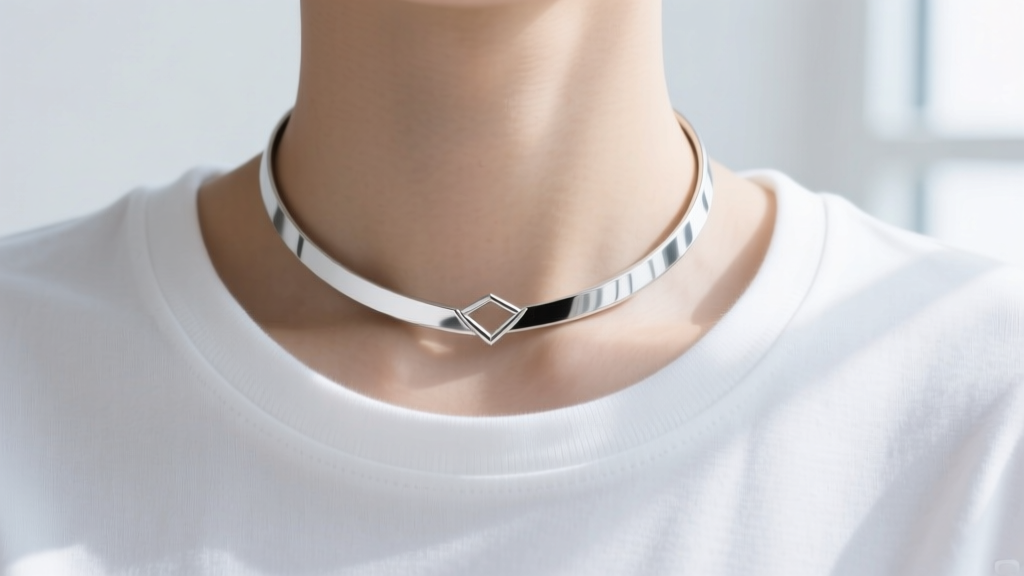
Crew necks sit high and tight, leaving zero skin exposed between the collarbone and the fabric. The most common beginner mistake is wearing a standard 18-inch pendant here, which results in the jewelry getting swallowed by the hem of the shirt. Instead, you have two optimal choices. First, wear a 16-inch choker that sits completely above the fabric line. Second, drop down to a 22-inch matinee chain that rests entirely over the garment. If wearing a chain over a heavy cotton or wool crew neck, durability is paramount. Upgrade to a 16-gauge or 14-gauge rope or curb chain. Thinner chains (20-gauge and above) will suffer from severe metal fatigue and eventually snap due to the friction against heavier fabrics.
Strapless and Sweetheart
A strapless or sweetheart neckline provides a vast canvas of bare skin, which begs for a focal point. Because there is no fabric framing the neck, a long pendant will look lost and disproportionate. The correct approach is to anchor the jewelry close to the throat. A 14-inch collar or a 16-inch choker creates a striking contrast against the exposed décolletage. For formal evening gowns, a diamond or cubic zirconia tennis choker (typically 4mm to 5mm in width) offers the necessary brilliance. As noted by the Gemological Institute of America (GIA), when pairing gemstones with bare skin, ensure the metal settings are polished to a high luster to maximize light reflection against the skin's natural undertones.

Material Grades and Hardware Mechanics
Understanding how to match dress necklines and necklaces also requires a working knowledge of metal grades and hardware. A beautifully styled necklace will fail if the materials degrade or the clasps break.
The Vermeil Standard: When purchasing gold-tone jewelry for frequent wear, always look for "14k Gold Vermeil" rather than standard "gold plated." According to US Federal Trade Commission guidelines, vermeil must have a sterling silver base and a gold layer of at least 2.5 microns thick. Standard plated brass jewelry often features a mere 0.5 microns of gold, which will oxidize and turn your skin green within a single season of friction against clothing.
Furthermore, pay attention to the clasp. The industry standard for chains under $100 is the spring ring clasp, but these are notoriously difficult to operate and prone to spring failure. For chains supporting pendants heavier than 5 grams, always upgrade to a 10mm or 12mm lobster claw clasp. The internal mechanism of a lobster clasp provides a secondary locking tension that prevents accidental unclasping when the chain catches on a sweater or dress hem.
Three Fatal Styling Mistakes to Avoid
- The "Floating" Pendant: Wearing a 20-inch chain with a lightweight 5mm pendant on a deep V-neck. The pendant is too small to anchor the visual weight of the deep neckline, making it look like an afterthought. Scale the pendant up to at least 15mm.
- The Choker Clash: Pairing a 14-inch collar choker with an off-the-shouldor top. The horizontal line of the choker competes directly with the horizontal line of the sleeve hem, making the neck look unnaturally wide. Opt for long drop earrings instead.
- Metal-on-Metal Friction: Layering a delicate 22-gauge gold chain with a heavy stainless steel pendant over a sequined or beaded dress. The abrasive nature of the dress beads will act like sandpaper, wearing through the soft gold links in a matter of hours.
Final Thoughts on Proportional Styling
Mastering the relationship between dress necklines and necklaces transforms how you present yourself. By treating your neckline as a geometric frame and selecting chain lengths, gauges, and pendant drops that either mirror or deliberately contrast that frame, you eliminate guesswork. Keep this guide handy, invest in vermeil over standard plating, and always respect the friction limits of your chain gauges. With these technical foundations in place, your jewelry will always elevate your wardrobe, never compete with it.


