Hemes Necklace Buying Guide: Authenticity & Chain Specs
Discover our expert hemes necklace buying guide. Learn about chain gauges, gold vermeil thickness, enamel quality, and authentication hallmarks.

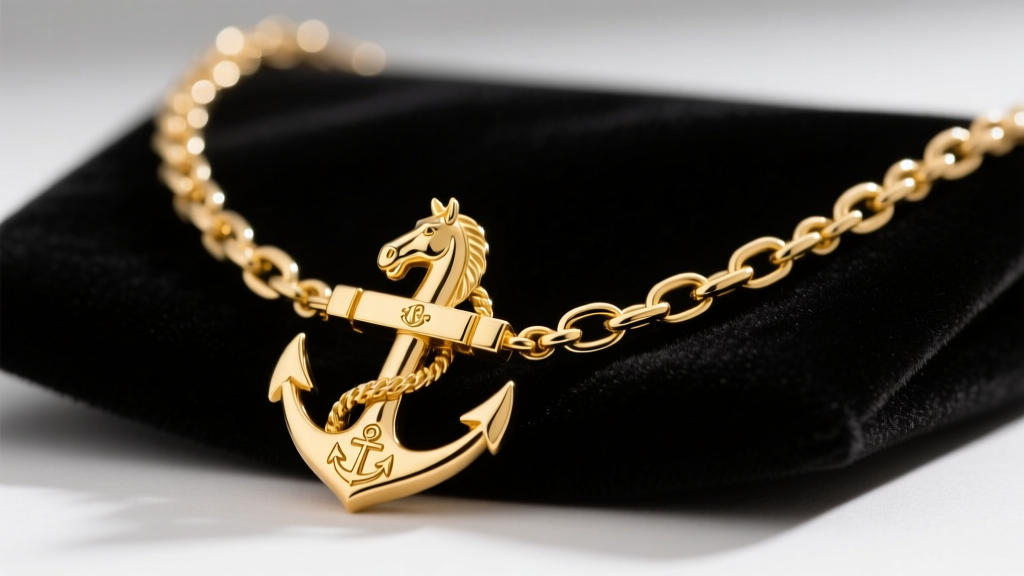
When navigating the luxury jewelry market, the search for the perfect equestrian-inspired piece often leads collectors and enthusiasts to the highly coveted hemes necklace. Whether you are referencing the iconic anchor-chain silhouettes, the structured Kelly-style pendants, or the broader category of high-end French heritage jewelry, understanding the precise metallurgical and structural details is critical. In 2026, the secondary market for luxury necklaces has surged, making it more important than ever to distinguish between authentic heritage pieces, high-quality vermeil alternatives, and mass-produced counterfeits.
This comprehensive buying guide strips away the marketing fluff and dives deep into the exact chain gauges, material grades, clasp mechanics, and hallmark verifications you need to know before making a purchase.
The Anatomy of Luxury Equestrian Chains
The defining feature of a heritage equestrian necklace is its chain architecture. Unlike standard cable chains, luxury anchor and curb chains require precise link welding and polishing. When evaluating a piece, pay close attention to the gauge thickness and the uniformity of the links.
Chain Gauges and Link Architecture
- Delicate (1.0mm - 1.5mm): Best for subtle, everyday pendants. These gauges are lightweight but prone to kinking if not stored flat.
- Standard (2.0mm - 2.5mm): The sweet spot for luxury anchor chains. This gauge provides enough structural integrity to support heavy enamel or gemstone pendants without stretching.
- Statement (3.0mm - 4.5mm): Used in bold, standalone choker styles. Links at this thickness are typically cast or individually hand-soldered, requiring hundreds of hours of bench work.
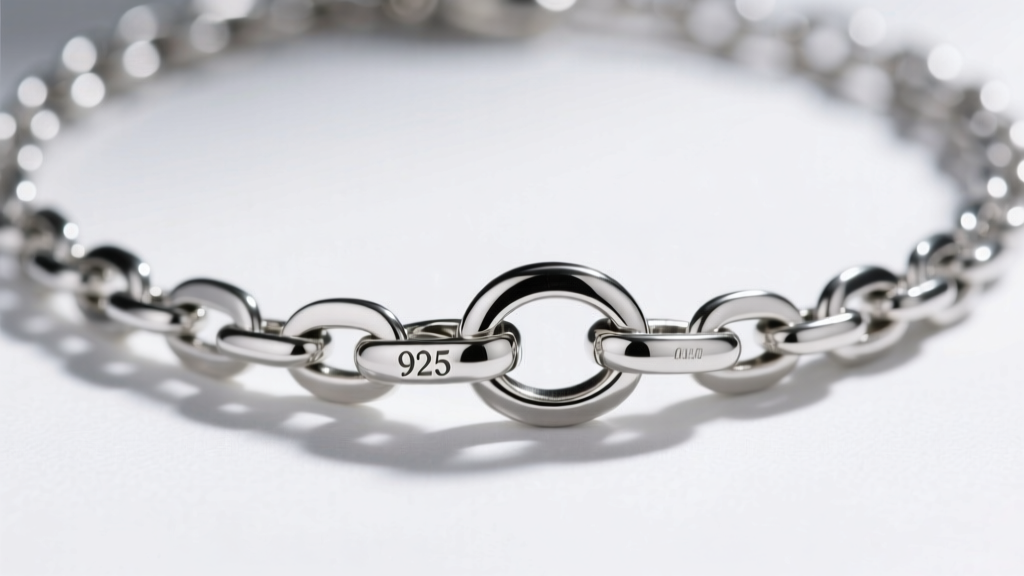
Inspect the interior of the links. Authentic luxury chains feature seamless, hand-soldered links or high-precision laser welds. If you see visible gaps, uneven soldering blobs, or hollow-feeling links on a supposedly solid gold piece, walk away.
Material Grades: Solid Gold vs. Vermeil
A common point of confusion in the 2026 market is the distinction between solid gold, gold vermeil, and standard gold plating. The Federal Trade Commission (FTC) Jewelry Guides strictly regulate these terms, and knowing the difference will save you thousands of dollars.
| Material Type | Base Metal | Gold Layer Thickness | Average Price Range | Longevity |
|---|---|---|---|---|
| Solid 18k Gold | 75% Pure Gold Alloy | N/A (Solid throughout) | $2,500 - $8,000+ | Lifetime / Heirloom |
| Gold Vermeil | 925 Sterling Silver | Minimum 2.5 Microns | $180 - $450 | 5 - 15 Years (with care) |
| Gold Plated | Brass or Copper | Less than 0.5 Microns | $40 - $120 | 6 Months - 2 Years |
If you are buying a vermeil alternative to a luxury designer piece, ensure the brand explicitly states a minimum of 2.5 microns of 18k gold over sterling silver. Anything less will wear through to the base metal within months of daily wear, especially around the clasp and pendant bail where friction is highest.
Enamel Work: Grand Feu vs. Cold Enamel
Many iconic equestrian necklaces feature vibrant enamel accents, often in deep blues, blacks, or rouge. The method used to apply this enamel drastically affects the piece's value and durability.
Grand Feu (Vitrous Enamel)
Authentic luxury houses use vitreous enamel, which involves fusing glass powder to metal at temperatures exceeding 1,400°F (760°C). This process, known as Grand Feu, results in a glass-like finish that will not fade, yellow, or scratch easily over time. Under a 10x jeweler's loupe, vitreous enamel looks perfectly smooth, with a depth that catches the light.
Cold Enamel (Epoxy Resin)
Lower-tier reproductions and contemporary fashion jewelry use cold enamel, which is essentially a hardened epoxy resin. While it can mimic bright colors, cold enamel is prone to micro-scratching, UV yellowing, and chipping upon impact. If a 2026 listing advertises a 'vintage' piece with cold enamel, it is a modern reproduction.

Clasp Mechanics and Failure Points
The clasp is the most common point of failure on any necklace. Luxury brands engineer their clasps to match the tensile strength of the chain. Here is what to look for based on clasp type:
- Lobster Clasps: Look for cast, solid gold or silver lobster clasps rather than stamped sheet metal. A quality lobster clasp should have a stiff, responsive spring and a completely flush closure with no visible gap when shut.
- Spring Rings: Common on lighter chains (under 2.0mm). Ensure the internal spring has high tension. A failing spring ring will not fully close, risking the loss of the pendant.
- Fold-Over / Box Clasps: Used on heavy statement chains and tennis necklaces. These must feature a secondary safety latch (a figure-eight wire that snaps over a button). Test the primary hinge for side-to-side wobble; excessive play indicates worn internal pins.
Authentication and Hallmark Verification
When purchasing an authentic French heritage necklace on the secondary market, hallmark verification is non-negotiable. The Gemological Institute of America (GIA) emphasizes that hallmarks are the primary indicator of metal purity and origin.
"A genuine French 18k gold piece will almost always bear the Eagle Head hallmark, indicating a minimum fineness of 750 parts per thousand. Additionally, look for the maker's mark, which is typically stamped inside a lozenge (diamond) shape."
Red Flags in Authentication:
- Blurry or Shallow Stamps: Authentic hallmarks are struck with high-pressure steel punches, resulting in crisp, deep impressions. Laser-etched or shallow, blurry stamps often indicate a counterfeit.
- Missing Serial Numbers: Modern luxury pendants (post-2010) feature micro-engraved serial numbers on the bail or the back of the pendant. These should be clean and match the accompanying certificate of authenticity.
- Magnetic Testing: Gold and silver are non-magnetic. If the chain or clasp exhibits any magnetic pull, it contains ferrous base metals and is a fake.
Sizing and Layering Framework
To maximize the versatility of your equestrian necklace, consider how it will interact with your wardrobe and other jewelry. The standard lengths serve distinct stylistic purposes:
- 16 Inches (Choker): Sits tightly at the base of the neck. Ideal for open-collar blouses and summer wear. Best reserved for delicate 1.5mm chains or simple bands.
- 18 Inches (Princess): The industry standard. Rests perfectly on the collarbone, making it the optimal length for showcasing a central anchor or hardware pendant.
- 20 to 22 Inches (Matinee): Drops below the neckline. Excellent for layering over turtlenecks in the winter or pairing with a shorter 16-inch diamond solitaire pendant for a staggered, dimensional look.
When layering, maintain a minimum 2-inch gap between chains to prevent the metal links from grinding against one another, which accelerates wear and tarnishing. Always store your necklaces individually in anti-tarnish flannel pouches to preserve the high-polish finish of the gold and the integrity of the enamel.


