The Beginner's Guide to Choosing an Ethiopian Cross Necklace
Discover the history, symbolism, and styling tips for the Ethiopian cross necklace. Learn how to choose authentic Coptic jewelry and wear it daily.

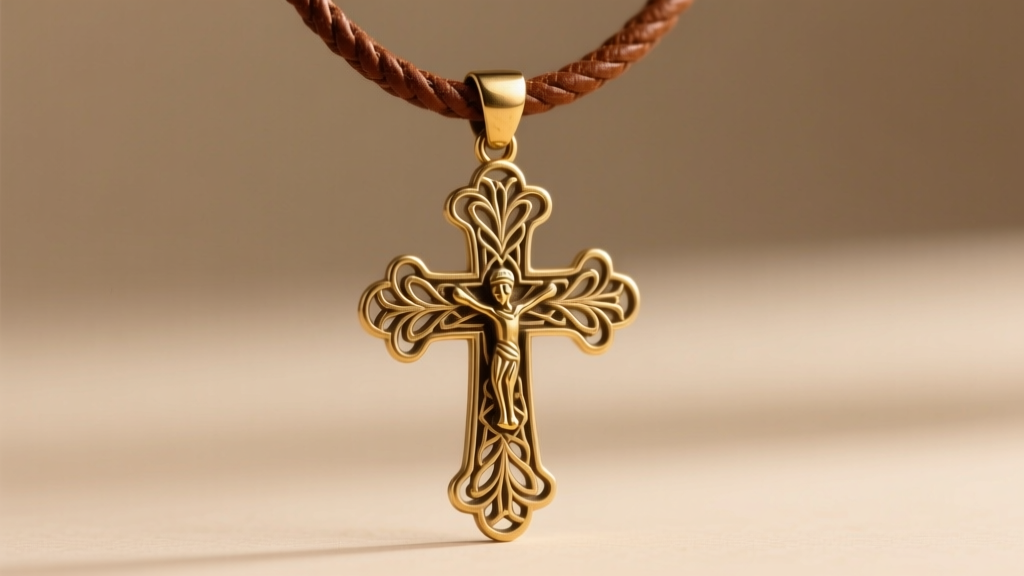
What is an Ethiopian Cross Necklace?
If you are exploring meaningful, historically rich jewelry, the Ethiopian cross necklace is a masterpiece of ancient artistry and spiritual symbolism. Unlike the standard Latin cross, the Ethiopian Coptic cross features elaborate, symmetrical, and often interlocking geometric patterns. These pendants are not just religious artifacts; they are wearable sculptures that have been crafted in the Horn of Africa for over a millennium.
For beginners, navigating the market for these necklaces can be overwhelming. You will encounter various metals, regional styles, and price points. This guide will break down everything you need to know about the Ethiopian cross necklace, from its ancient origins to modern styling techniques, ensuring you make an informed and authentic purchase.
The Roots of Coptic Symbolism
Ethiopia is one of the oldest Christian nations in the world, having adopted the faith in the 4th century under King Ezana of Axum. According to the Britannica, the Ethiopian Orthodox Tewahedo Church developed a unique theological and artistic identity, isolated from European influences for centuries. The cross, in this tradition, is not merely a symbol of the crucifixion, but a representation of the Tree of Life, eternal salvation, and the four corners of the earth.
The Ethiopian cross is not merely a symbol of the crucifixion, but a representation of the Tree of Life and the four corners of the earth, reflecting a deeply rooted indigenous theology that blends ancient geometry with profound faith.
When you wear an Ethiopian cross necklace, you are wearing a symbol that has protected and inspired millions of people across centuries. The intricate lattice work is often said to represent the infinite nature of God and the complex, intertwined path of human life.
The Lost-Wax Casting Technique: Why Every Piece is Unique
One of the most vital concepts for a beginner to understand is how authentic Ethiopian crosses are made. Traditional artisans use the cire perdue, or lost-wax casting method, a technique that dates back thousands of years. As documented by the Metropolitan Museum of Art, this process ensures that no two handmade crosses are exactly alike.
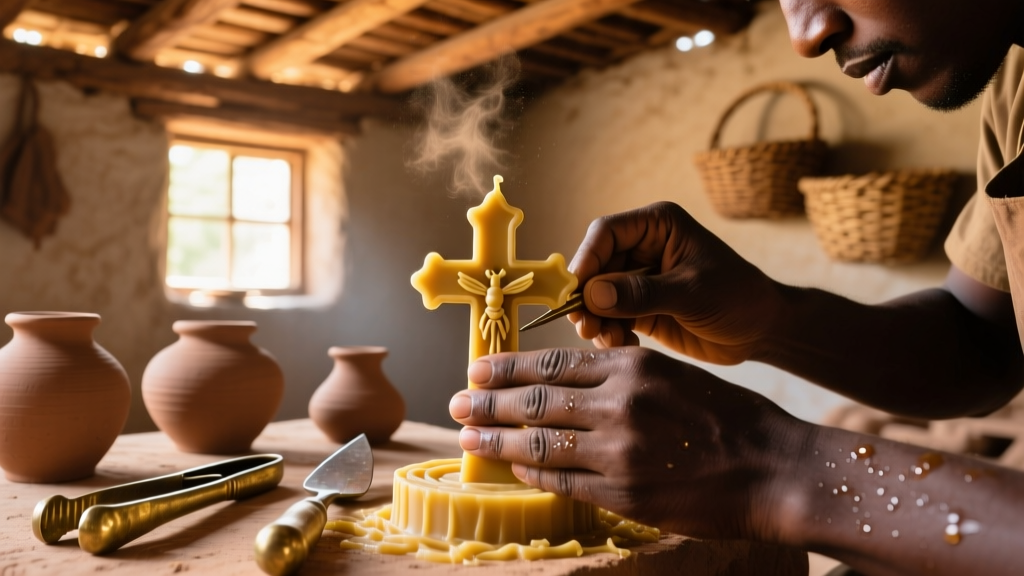
The process begins with the artisan carving a detailed model of the cross out of beeswax. This wax model is then encased in a clay mold. Once the clay dries, it is heated in a fire, melting the wax and leaving a hollow cavity in the exact shape of the cross. Molten metal—traditionally brass or a copper alloy—is then poured into the cavity. After the metal cools, the artisan breaks the clay mold away to reveal the finished piece.
Because the mold must be destroyed to retrieve the metal, every single handmade Ethiopian cross necklace is a one-of-a-kind original. If you are buying a piece that claims to be handmade, look for slight asymmetries, unique tool marks, and organic imperfections that prove its authentic origin.
Regional Styles: Axum, Lalibela, and Gondar
Ethiopia is vast, and different regions have developed their own distinct cross designs over the centuries. Understanding these regional variations will help you choose a pendant that matches your personal aesthetic. The rock-hewn churches of Lalibela, a UNESCO World Heritage site, are just one example of the region's architectural brilliance, which directly translates to their jewelry designs.
| Region | Design Characteristics | Average Weight | Recommended Chain |
|---|---|---|---|
| Axum | Broad, flat, lattice-like wings with sharp geometric edges. | 20g - 35g | 3mm Leather Cord |
| Lalibela | Interlocking geometric squares, often with a central focal point. | 15g - 25g | 2.5mm Box Chain |
| Gondar | Elongated, highly ornate with teardrop motifs and filigree. | 25g - 45g | 4mm Rope Chain |
Which Style Should You Choose?
- Axum Crosses: Best for those who prefer a bold, masculine, or minimalist geometric look. The broad wings lay flat against the chest and make a striking statement.
- Lalibela Crosses: Ideal for everyday wear. They are generally lighter, more compact, and feature beautiful interlocking patterns that catch the light from every angle.
- Gondar Crosses: Perfect for vintage jewelry lovers. The elongated, teardrop shapes and heavy filigree work make them look like antique heirlooms, though they are heavier and require a sturdier chain.
Metals and Materials: What to Look For (and Avoid)
The metal composition of your Ethiopian cross necklace will dictate its longevity, price, and how it interacts with your skin. Here is a breakdown of the most common materials you will encounter.
Traditional Brass
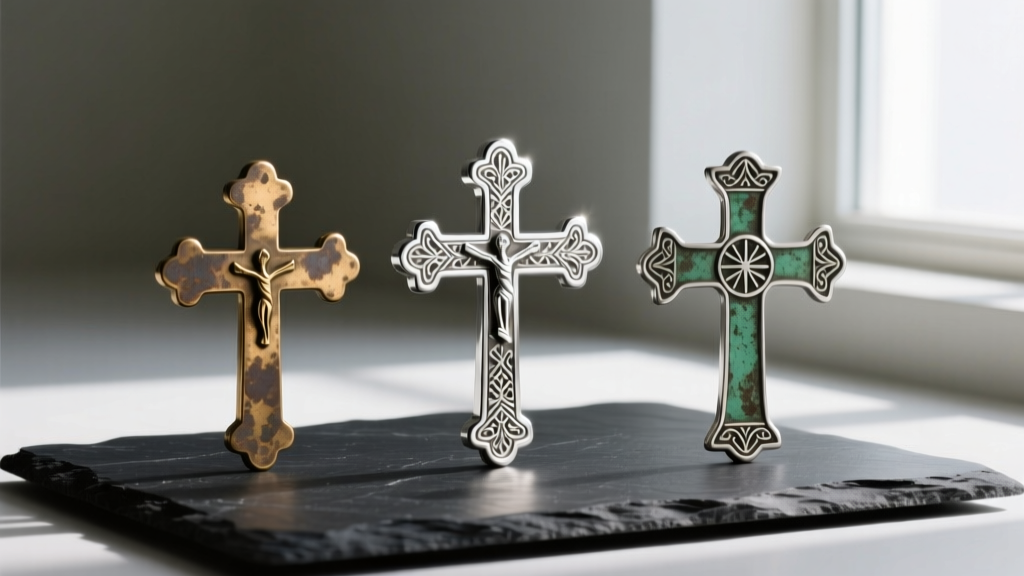
Brass (an alloy of copper and zinc) is the most historically accurate and common material for these crosses. It has a beautiful, warm golden hue that develops a rich, dark patina over time. If you prefer a shiny look, brass can easily be polished with a mixture of lemon juice and baking soda. However, some people with high copper sensitivity may experience slight skin discoloration from raw brass.
The Nickel Silver Warning
Often sold as "German Silver" or "Alpaca," nickel silver is a cheap alloy of copper, nickel, and zinc. It contains zero actual silver. While it mimics the look of silver when new, it frequently causes severe contact dermatitis and allergic reactions due to the high nickel content. It also turns a dull, greenish-black when tarnished. Always ask the seller for the exact metallurgical breakdown before purchasing a "silver-colored" Ethiopian cross.
Sterling Silver (925)
For a modern, hypoallergenic option, many contemporary jewelers cast Ethiopian crosses in solid 925 sterling silver. While this strays from the traditional brass roots, it is the best choice for those with metal allergies or those who want a piece they can wear in the shower without worrying about patina or tarnish. Expect to pay a premium for solid silver casts.
How to Style and Pair Your Chain
A common mistake beginners make is pairing a heavy, handmade Ethiopian cross with a flimsy, mass-produced chain. Because these pendants are solid metal and often weigh between 20 and 45 grams, a thin 1mm chain will snap under the pressure. Furthermore, the bale (the loop at the top of the cross) on traditional pieces is often thick and requires a chain with a sturdy clasp or a simple cord.
- Leather Cords (2mm to 3mm): The most traditional and authentic pairing. A black or dark brown leather cord with a simple sterling silver clasp gives the necklace an earthy, grounded feel. Opt for 24 to 30-inch lengths to let the cross rest on the sternum.
- Rope Chains (3mm to 4mm): The twisted design of a rope chain complements the intricate lattice work of Gondar and Axum crosses. Ensure the clasp is a heavy-duty lobster claw.
- Box Chains (2.5mm to 3mm): The clean, square links of a box chain provide a modern contrast to the ancient geometry of a Lalibela cross. This pairing works exceptionally well for sterling silver pieces worn at a shorter 18 to 22-inch length over a t-shirt.
Pricing Guide: How Much Should You Pay?
Understanding the fair market value of an Ethiopian cross necklace will protect you from overpaying for mass-produced knockoffs or underpaying for genuine artisan work.
- Mass-Produced / Tourist Grade ($10 - $25): Usually stamped out of thin sheet metal or cast in nickel silver. The edges may be sharp, and the details lack depth. Avoid these if you want a lasting piece.
- Authentic Handmade Brass ($40 - $85): The sweet spot for collectors. These are genuine lost-wax casts sourced directly from Ethiopian artisans or fair-trade importers. They feature rich details and substantial weight.
- Artisan Sterling Silver ($120 - $250+): Custom-cast in precious metals by specialized jewelers. You are paying for the raw material weight and the labor of adapting a traditional mold for precious metal casting.
Final Thoughts on Your First Ethiopian Cross
Purchasing your first Ethiopian cross necklace is an investment in a piece of living history. By prioritizing authentic lost-wax casting, avoiding nickel-laden alloys, and pairing your pendant with a chain that can support its historical weight, you will secure a timeless accessory. Whether you choose a bold Axum brass piece on a leather cord or a delicate Lalibela cross in sterling silver, you are wearing a symbol of endurance, artistry, and profound cultural heritage that will only grow more beautiful with age.


