How to Clean, Polish, and Care for a Necklace Dog Tag
Learn how to clean, polish, and maintain your necklace dog tag. Expert tips for stainless steel, silver, titanium, and brass to preserve engravings.

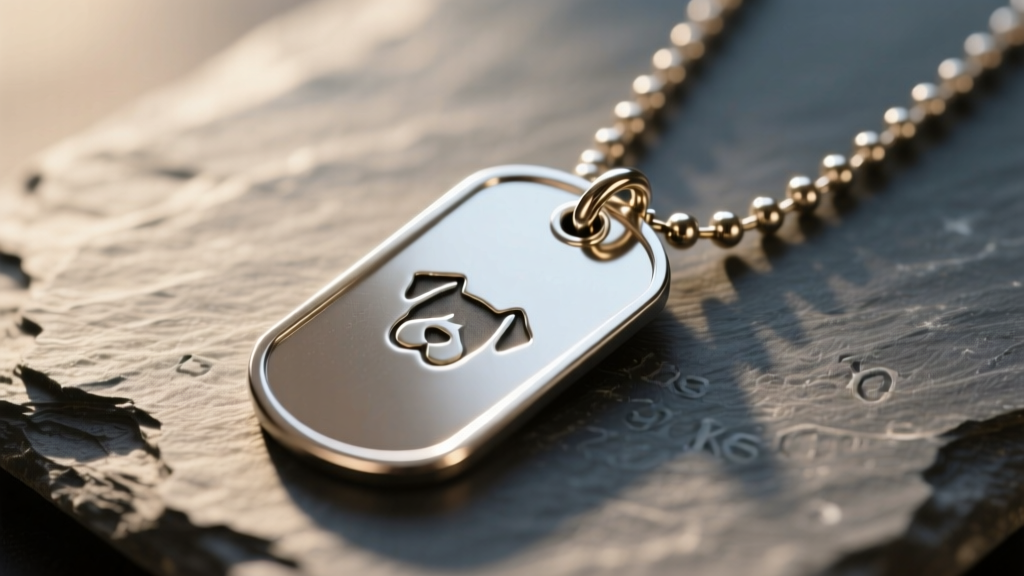
A necklace dog tag is more than just a piece of military-inspired jewelry; it is a deeply personal artifact, a fashion staple, and often a sentimental keepsake. Whether you wear a vintage Vietnam-era issue, a modern 316L stainless steel fashion piece, or a custom-engraved sterling silver pendant, daily wear takes a significant toll. Friction against the chest, exposure to acidic sweat, and contact with cosmetic products can degrade the metal, obscure engravings, and tarnish the finish. As of 2026, advancements in PVD (Physical Vapor Deposition) coatings and laser etching have changed how these pendants age, making proper maintenance more nuanced than ever. This comprehensive guide provides material-specific protocols to clean, polish, and preserve your necklace dog tag without compromising its structural integrity or historical patina.
Understanding Your Dog Tag Material
Before applying any cleaning agent, you must correctly identify the base metal of your necklace dog tag. Using the wrong chemical compound can cause irreversible pitting or strip intentional antiquing.
- 316L Surgical Stainless Steel: The modern standard for fashion and military-replica tags. The addition of molybdenum makes it highly resistant to chloride pitting from human sweat. It does not tarnish but can accumulate a cloudy film of sebum and dead skin cells.
- 925 Sterling Silver: Composed of 92.5% silver and 7.5% copper. The copper content makes it highly susceptible to sulfur compounds in the air and sweat, resulting in black silver sulfide tarnish.
- Grade 5 Titanium (Ti-6Al-4V): Exceptionally lightweight and hypoallergenic. Titanium develops a passive oxide layer that protects it from corrosion, but anodized color variations can be scratched by abrasive polishes.
- Brass and Bronze: Copper-heavy alloys that naturally oxidize into a brown or green patina. Cleaning these requires a decision: do you want to restore the bright gold-like shine, or preserve the antique oxidation?
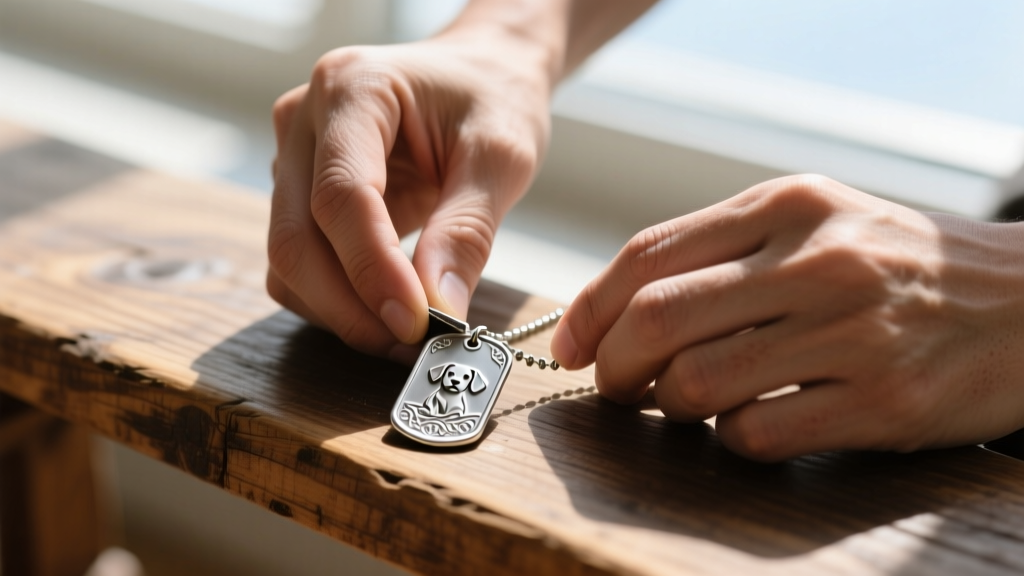
The Chemistry of Degradation: Sweat, Sebum, and Friction
The human body is a harsh environment for jewelry. Sweat has a pH ranging from 4.0 to 7.0 and contains lactic acid, urea, and chlorides. When a necklace dog tag rests against the sternum, it traps this moisture. For sterling silver, the sulfur in sweat accelerates tarnishing. For brass, the acids strip the zinc from the surface (dezincification), leaving a porous, pinkish copper residue. Furthermore, the constant mechanical friction of the tag rubbing against the skin and clothing acts as a mild, unintentional abrasive, slowly wearing down shallow laser engravings over years of continuous wear.
Step-by-Step Cleaning Protocols by Metal
316L Stainless Steel: The Degreasing Wash
Stainless steel doesn't tarnish; it gets dirty. To restore its mirror or brushed finish, you need to cut through body oils. Mix a few drops of pH-neutral dish soap (like Dawn) into a bowl of warm distilled water. Submerge the tag for five minutes. Use a soft-bristled baby toothbrush to gently agitate the surface, paying special attention to the beveled edges and the hole punch. Rinse with distilled water to prevent hard water spots and dry immediately with a microfiber cloth.
925 Sterling Silver: Electrochemical Reduction vs. Polishing
For heavily tarnished silver tags without intentional antiquing, use an electrochemical bath. Line a glass bowl with aluminum foil (shiny side up). Place the tag on the foil, add a tablespoon of baking soda, and pour boiling water over it. The sulfur transfers from the silver to the aluminum via the electrolyte solution. According to the Gemological Institute of America (GIA), this method removes tarnish without removing base metal. However, for tags with deep stamped engravings filled with black oxidation (antiquing), skip the bath and use a treated silver polishing cloth to avoid stripping the dark contrast from the letters.
Brass and Bronze: Acidic Chelation
To brighten a dull brass dog tag, create a paste using equal parts lemon juice and baking soda. The citric acid chelates the copper oxide. Apply with a soft cloth, rub gently for 60 seconds, and rinse thoroughly. Neutralize any remaining acid with a mild soapy water wash. If you prefer the rugged, oxidized look, simply wipe the tag with a damp cloth and avoid acidic cleaners entirely.
Protecting Engravings and Stamped Details
The most critical aspect of maintaining a necklace dog tag is preserving the data. The cleaning method must match the engraving technique used on the metal.
| Engraving Type | Depth | Cleaning Risk | Recommended Maintenance |
|---|---|---|---|
| Laser Etching | Surface (0.001 - 0.005 inches) | High. Abrasives will erase the mark. | Soap and water only. No polishing compounds. |
| Rotary / CNC Engraving | Medium (0.010 - 0.020 inches) | Medium. Polish can accumulate in grooves. | Soft brush cleaning. Use a toothpick to remove dried polish from letters. |
| Traditional Military Stamping | Deep (0.030+ inches) | Low. Highly durable. | Ultrasonic cleaners work best to dislodge dirt from deep impact craters. |
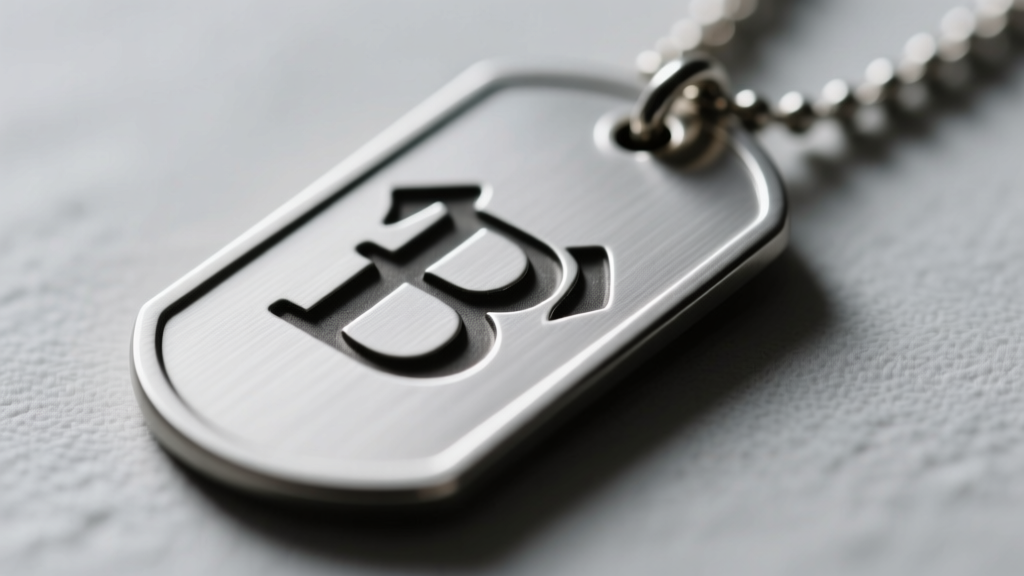
Expert Insight: Never use a rotary tool (like a Dremel) with a felt polishing wheel on a laser-engraved necklace dog tag. The friction heat and mild abrasiveness of polishing compounds will obliterate the laser-oxidized contrast in seconds, leaving you with a blank, highly polished piece of metal.
Chain, Bail, and Silencer Maintenance
A dog tag is only as strong as its suspension system. The classic 2.4mm stainless steel ball chain is notorious for trapping sebum and dead skin between the spherical links. To clean a ball chain, place it in an ultrasonic jewelry cleaner filled with a mild degreasing solution for three minutes. If you don't have an ultrasonic cleaner, soak the chain in isopropyl alcohol (90% or higher) to dissolve the oils, then brush it with a stiff nylon brush.
If your necklace dog tag utilizes a rubber or TPE (Thermoplastic Elastomer) silencer to prevent the metallic clinking sound, be aware that these degrade rapidly. UV exposure and the acidic nature of sweat cause the elastomers to dry rot, crack, and stretch. Inspect your silencer monthly. If it shows micro-tears or has lost its elasticity, replace it immediately to prevent losing the secondary tag. As noted in Rio Grande's metallurgical guides, degrading rubber can also off-gas sulfur compounds that accelerate the tarnishing of adjacent silver metals.
Storage and Long-Term Preservation
When you aren't wearing your necklace dog tag, how you store it dictates how much prep work you'll need to do before wearing it again. Tossing a sterling silver tag into a humid bathroom drawer guarantees heavy sulfide tarnishing. Instead, store your tags in individual, airtight polyethylene zip-lock bags. For silver and brass tags, drop a 3M anti-tarnish strip or a silica gel desiccant packet into the bag to absorb ambient moisture and neutralize sulfur gases. Keep tags separated from other jewelry to prevent the Vickers-hard steel edges of a dog tag from scratching softer gold or silver chains in your collection.
Final Thoughts on Patina vs. Polish
Ultimately, caring for a necklace dog tag requires an aesthetic choice. A pristine, mirror-polished tag reads as a modern fashion accessory, while a dulled, slightly oxidized tag with worn edges carries the weight of history and lived experience. Understand your metal, respect the engraving depth, and use targeted chemistry rather than brute force to maintain your piece for decades to come.


