How to Clean and Restore a Mens Picture Necklace
Learn expert cleaning and maintenance tips for your mens picture necklace. Protect resin, glass, and engraved metals from daily wear and tarnish.

The Anatomy of a Mens Picture Necklace: Knowing Your Materials
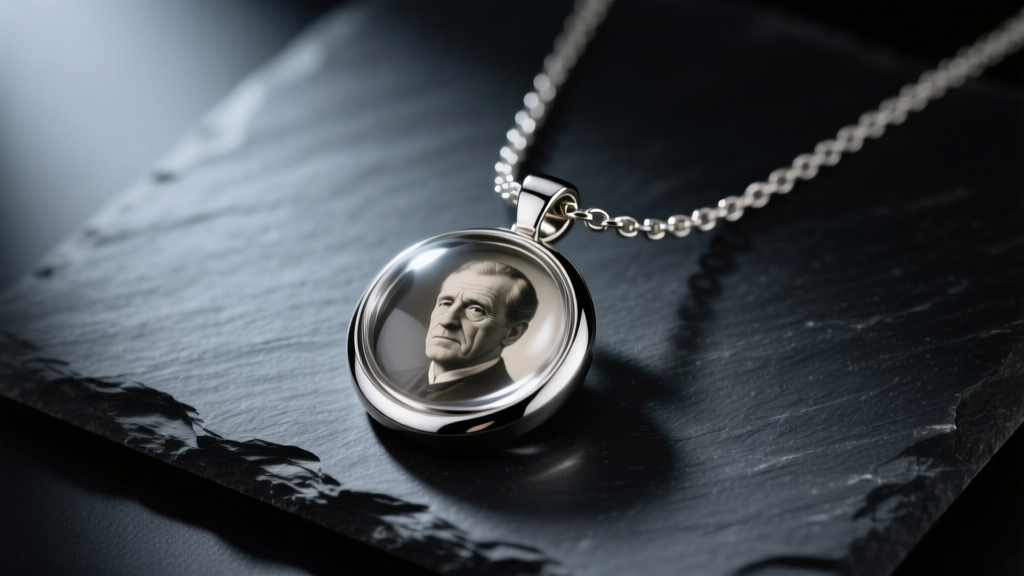
When maintaining a mens picture necklace, the very first step is identifying the exact materials used in its construction. Unlike solid metal chains or simple gemstone pendants, picture necklaces are composite pieces. They typically consist of three distinct layers: the metal bezel or frame, the transparent protective dome, and the photographic medium itself. Understanding how these layers interact is critical, as a cleaning method that works wonders on one component might permanently destroy another.
The most common metal bases for men's photo pendants are 316L surgical stainless steel and 925 sterling silver. Stainless steel is highly resistant to corrosion and tarnish, making it a low-maintenance choice for daily wear. Sterling silver, while offering a premium, high-contrast backdrop for black-and-white portraits, is prone to oxidation (tarnish) when exposed to sulfur compounds in the air and skin acids. The protective dome is usually either a mineral glass cabochon (Mohs hardness of 5.5 to 7) or an epoxy resin dome (Shore D hardness around 80, but highly susceptible to chemical clouding). Finally, the photo itself can be a traditional silver gelatin print, a modern dye-sublimation transfer, or a laser-etched metallic plate. Each requires a vastly different approach to care and preservation.
Step-by-Step Cleaning Protocols by Material Type
1. Epoxy Resin and Glass Dome Bezels
The transparent dome protecting the portrait is the most vulnerable part of your necklace. If your pendant features a glass dome, it is relatively scratch-resistant but can shatter under point-impact. Clean glass domes using a mixture of distilled water and a single drop of pH-neutral dish soap. Apply with a lint-free microfiber cloth (ideally 300 GSM or higher to trap dust without dragging it across the surface). Avoid ammonia-based glass cleaners at all costs; ammonia will degrade the adhesive seal between the glass and the metal bezel, leading to moisture ingress and photo delamination.
Epoxy resin domes require even more caution. Resin is easily scratched by everyday dust (which contains quartz particles with a Mohs hardness of 7). Never wipe a dry resin dome. Always use a damp microfiber cloth. Furthermore, never use isopropyl alcohol, acetone, or hand sanitizer near a resin dome. These solvents will cause 'amine blush'—a permanent, cloudy white haze that ruins the optical clarity of the resin and obscures the portrait beneath.
2. Laser-Etched Stainless Steel and Titanium
Some modern mens picture necklace designs bypass traditional photo paper entirely, utilizing laser engraving to etch the portrait directly into 316L stainless steel or titanium plates. These are incredibly durable. You can clean the metal surface using a soft-bristled baby toothbrush and warm soapy water to dislodge sebum and dead skin cells from the micro-crevices of the laser etching. For stubborn grime, a jewelry steamer is safe for solid metal photo plates, but ensure the water pressure is directed at an angle to avoid bending any delicate chain links.
3. Sterling Silver Frames with Enamel Inlays
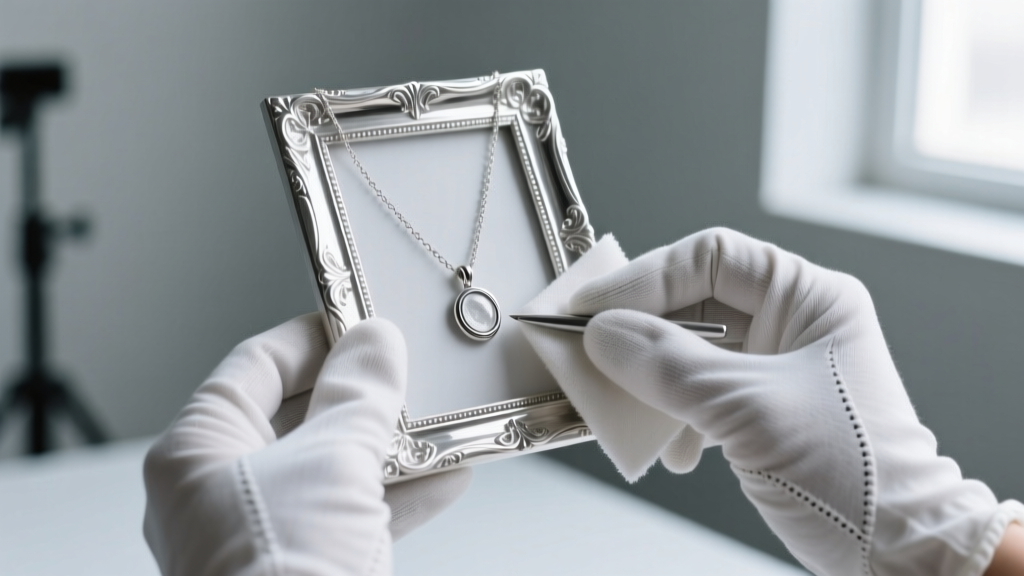
If your picture necklace features a 925 sterling silver frame, tarnish is inevitable. However, you must protect the photo and any surrounding enamel details while polishing the silver. Apply a specialized, non-abrasive silver polish (such as Wright's Silver Cream) to a cotton swab rather than a cloth. This allows you to precisely target the silver bezel without accidentally rubbing the polish into the edges of the photo paper or resin dome. Wipe away the residue immediately with a clean, damp swab, and dry thoroughly. According to the Gemological Institute of America (GIA), frequent, light polishing is always preferable to heavy, abrasive scrubbing, which removes layers of silver over time.
The Golden Rules of Photo Pendant Maintenance
To ensure the longevity of the photographic elements inside your pendant, adhere to these strict maintenance rules:
- Never Use Ultrasonic Cleaners: Ultrasonic jewelry cleaners operate at high frequencies (typically 40kHz). The cavitation bubbles they create will violently vibrate the pendant, almost certainly delaminating the photo paper from the bezel backing and shattering glass domes.
- Avoid Direct UV Exposure: If your necklace contains traditional silver halide photo paper, prolonged exposure to direct sunlight will cause the UV dyes to fade and the paper to yellow. Store it in a dark place when not in use.
- Keep Away from Chlorine: Whether you are swimming in a pool or cleaning your house, keep the necklace off. Chlorine causes severe pitting in stainless steel and instantly destroys the structural integrity of sterling silver alloys.
- Put It On Last: Always put your picture necklace on after applying cologne, hairspray, and lotions. The alcohol and essential oils in fragrances can degrade resin domes and stain the edges of unprotected photo paper.
Troubleshooting Common Picture Necklace Issues
Even with meticulous care, daily wear takes a toll. Below is a diagnostic framework for addressing the most common issues encountered with men's photo pendants.
| Issue | Root Cause | Expert Solution |
|---|---|---|
| Cloudy Resin Dome | Exposure to alcohol, ammonia, or abrasive friction. | Apply a specialized plastic polish (e.g., Novus 2 Fine Scratch Remover) with a microfiber cloth using gentle circular motions. |
| Blackened Silver Bezel | Oxidation from sulfur in the air and skin acidity. | Use a chemically treated silver polishing cloth. Do not use liquid dips, which can seep under the bezel and stain the photo. |
| Scratched Glass Dome | Contact with hard surfaces or diamond/cubic zirconia jewelry. | Glass cannot be easily buffed at home. Take it to a lapidary or jeweler for professional cerium oxide polishing or dome replacement. |
| Delaminated Photo Paper | Moisture ingress or ultrasonic vibration breaking the adhesive. | Carefully open the bezel backing (if screw-in), remove the photo, and re-adhere using a pH-neutral, acid-free glue stick. Let it cure for 24 hours. |
As noted by Jewelers of America, attempting complex repairs on sealed jewelry pieces at home often leads to irreversible damage. If your pendant features a permanently sealed, glued bezel and the photo is damaged, consult a professional bench jeweler who specializes in custom locket and bezel work.
Long-Term Storage and Preservation
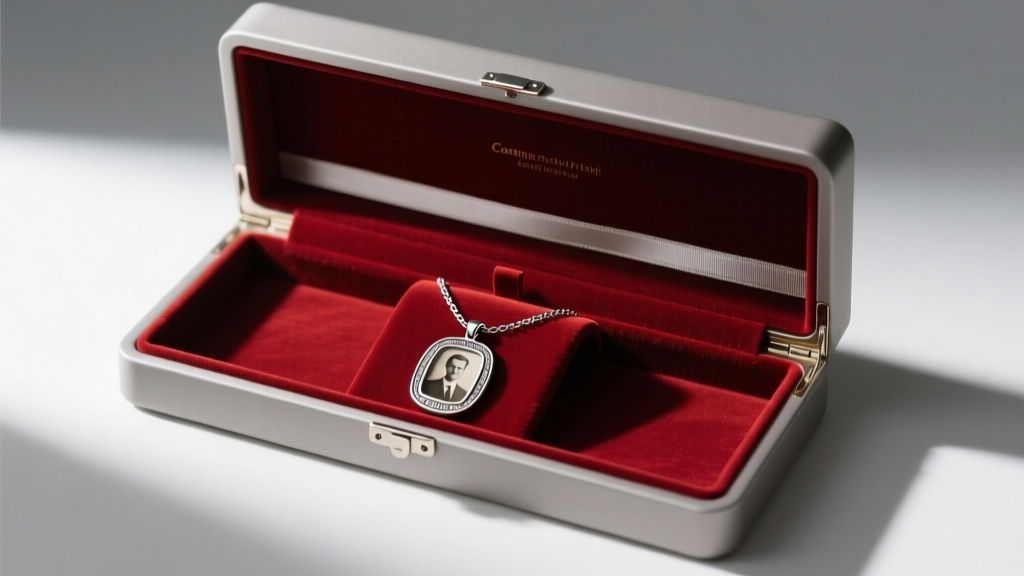
How you store your mens picture necklace when it is not being worn is just as important as how you clean it. Tossing the necklace into a communal jewelry box is a recipe for disaster. Harder gemstones from other pieces (like sapphire or diamond rings) will easily scratch a resin dome, and tangled chains can bend the delicate bail connecting the pendant to the chain.
For optimal preservation, store the necklace in a dedicated, velvet-lined compartment or a soft flannel pouch. If the frame is sterling silver, place a 3M anti-tarnish strip inside the pouch or storage box. These strips absorb airborne sulfides and can prevent tarnish for up to 12 months. Ensure the storage environment is climate-controlled; high humidity accelerates both metal oxidation and the degradation of paper-based photographic mediums. Avoid storing the necklace in bathrooms, where fluctuating temperatures and high moisture levels from showers create a hostile environment for both metals and adhesives.
Conclusion
A mens picture necklace is more than just an accessory; it is a deeply personal keepsake that requires informed, deliberate care. By understanding the specific vulnerabilities of resin, glass, and precious metals, and by avoiding harsh chemicals and ultrasonic vibrations, you can ensure that both the frame and the portrait it protects remain pristine. Stick to pH-neutral cleaners, utilize proper microfiber textiles, and commit to proper anti-tarnish storage. With these expert maintenance protocols, your photo pendant will retain its clarity and sentimental brilliance for generations.


