How to Clean and Care for My Little Necklace Properly
Learn how to safely clean, untangle, and maintain your delicate everyday jewelry. Expert tips to keep my little necklace shining and secure.

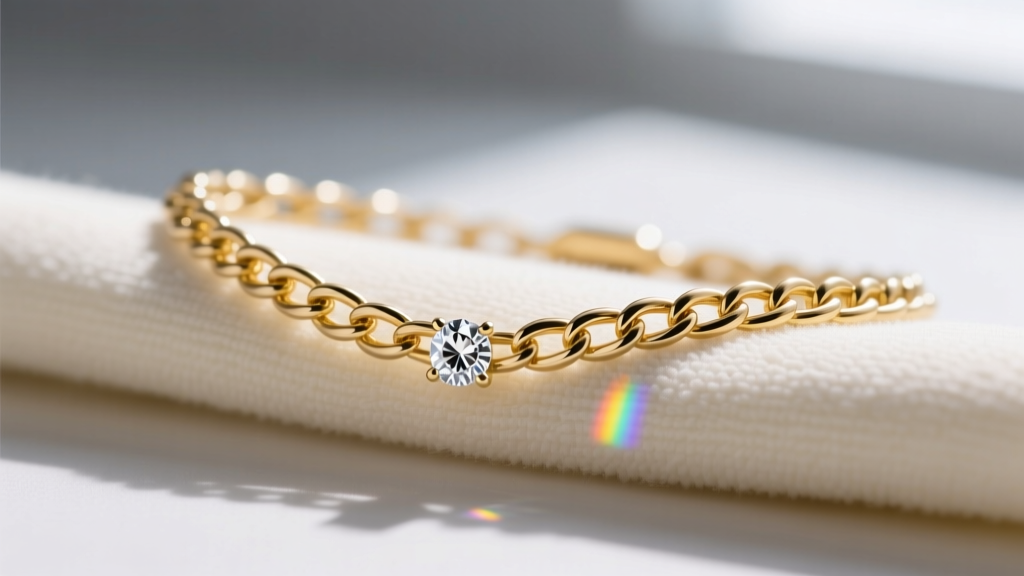
The Anatomy of Delicate Chains: Why "My Little Necklace" Needs Special Care
When we refer to "my little necklace," we are usually talking about a sentimental, everyday piece featuring a micro-pendant on a ultra-fine chain. These necklaces are typically strung on 20-gauge (0.81mm), 22-gauge (0.64mm), or even 24-gauge (0.51mm) cable, box, or rope chains. While beautiful and minimalist, these gauges have strict tension limits. A standard 22-gauge 14k gold chain will snap under just 2.5 to 4 pounds of tensile pressure.
Furthermore, the hardware on these delicate pieces is miniature. Spring-ring clasps and 3mm jump rings are prone to accumulating lotion, dead skin cells, and dust, which eventually causes the clasp mechanism to stick or fail entirely. Proper maintenance is not just about aesthetics; it is about structural preservation. According to the Jewelers of America, routine removal of microscopic debris from clasp hinges can extend the mechanical life of fine jewelry by years.
Step-by-Step Cleaning Protocols by Material
The chemistry of your necklace dictates its cleaning protocol. Using the wrong method can strip platings, fracture inclusions, or permanently cloud gemstones.
14k/18k Solid Gold & Diamond Pendants
Solid gold and diamonds are highly durable, making them ideal candidates for deep cleaning. Diamonds are lipophilic, meaning they naturally attract and hold onto skin oils and cosmetics, which dulls their refractive brilliance.
- The Solution: Mix lukewarm water (not hot, to avoid thermal shock to secondary stones) with 3 drops of phosphate-free dish soap (like Dawn).
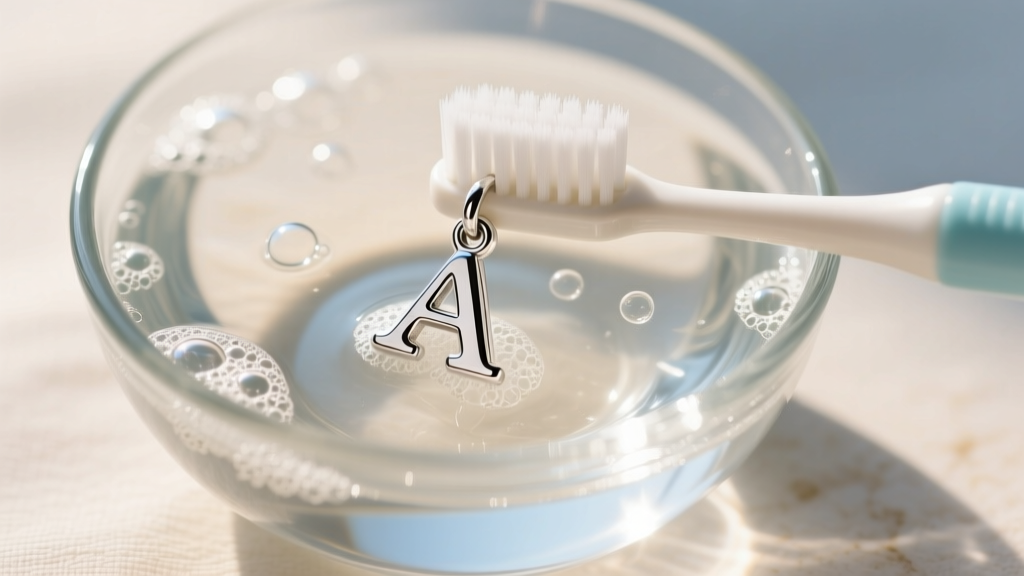
- The Tool: Use an extra-soft baby toothbrush. Medium or hard bristles will leave micro-scratches on high-polish gold links.
- The Process: Soak for 15 minutes. Gently brush the underside of the diamond (the pavilion) where grime accumulates. Rinse under a gentle stream of tepid water, ensuring the drain is plugged.
Sterling Silver & Vermeil (Gold-Plated Silver)
Sterling silver (925) tarnishes due to a chemical reaction with hydrogen sulfide in the air, forming black silver sulfide. Vermeil (a thick layer of gold over sterling silver) requires extreme caution.
Warning: Never use commercial silver dips (like Tarn-X) or the aluminum foil/baking soda electrolysis bath on vermeil. These methods are highly abrasive and will strip the gold plating down to the base silver. For vermeil, stick to the mild soap method above, and use a dedicated polishing cloth infused with anti-tarnish agents only on the bare metal areas if necessary.
Porous Gemstones (Opal, Pearl, Emerald, Turquoise)
If your little necklace features organic or porous gems, submerging them in water is a critical failure mode. Opals contain up to 20% water; harsh soaps can cause them to craze (crack). Emeralds are almost universally fracture-filled with cedar oil or Opticon. The Gemological Institute of America (GIA) explicitly warns against using ultrasonic cleaners or harsh chemicals on emeralds, as the vibrations and solvents will dissolve the oil fillers, leaving the stone looking heavily fractured and cloudy.
- Protocol: Wipe gently with a barely damp, lint-free microfiber cloth. Dry immediately. Never soak.
The Ultimate Maintenance & Storage Matrix
Storing your necklace correctly prevents the most common issue owners face: severe chain knotting. Use the matrix below to optimize your storage environment.
| Material / Type | Ideal Storage Environment | Anti-Tarnish Requirement | Clasp Protocol |
|---|---|---|---|
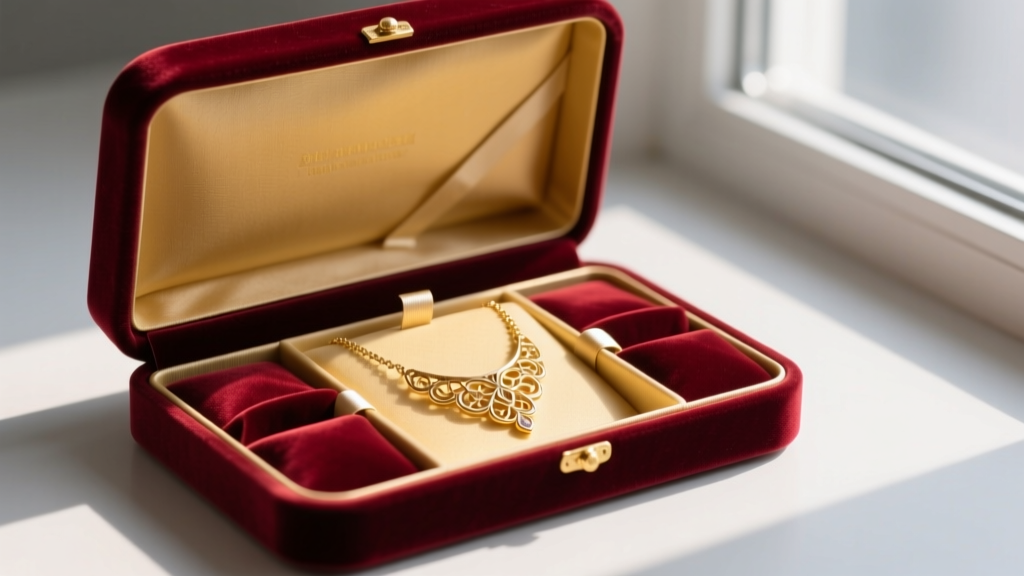
| 14k/18k Solid Gold | Soft fabric pouch or lined box | Low (Gold does not tarnish) | Leave unclasped to prevent kinking |
| Sterling Silver | Airtight ziplock or anti-tarnish box | High (Include 3M anti-tarnish strips) | Clasp it, or thread through a straw |
| Gold Vermeil | Individual soft pouch (away from friction) | Medium (Protects base metal) | Clasp it to prevent chain tangling |
| Pearl / Opal Pendants | Soft pouch (needs slight humidity) | None (Avoid airtight plastic) | Unclasped, laid perfectly flat |
Troubleshooting Common Delicate Chain Disasters
Severe Knots and Tangles
When a 20-gauge chain tangles, pulling it will only tighten the microscopic knots, eventually causing metal fatigue and a snapped link. Instead, lay the necklace flat on a hard, well-lit surface. Apply a single drop of baby oil or olive oil directly to the center of the knot. Take a sterilized sewing needle or a straight pin, and gently work the needle into the center of the knot to loosen the tension. The oil acts as a lubricant, reducing the friction coefficient between the metal links. Once untangled, wash the chain using the mild dish soap protocol to remove the oil residue.
Blackened Silver Links and Clasp Failure
If the jump ring connecting your pendant to the chain has turned completely black and feels brittle, the silver sulfide buildup may have compromised the structural integrity of the solder joint. Do not attempt to bend or clean it aggressively. Take it to a jeweler for a laser re-soldering, which typically costs between $25 and $45. Similarly, if your spring-ring clasp no longer "clicks" sharply when released, the internal tension spring has failed. A professional clasp replacement costs around $30 to $60 depending on the metal weight.
When to See a Professional Jeweler
While home maintenance is excellent for surface dirt and minor tangles, certain scenarios require professional intervention. If your diamond pendant looks cloudy even after a thorough soapy soak, the stone may be loose in its bezel or prong setting, trapping dirt underneath. A jeweler will use a 10x triplet loupe to inspect the setting and perform a professional 40kHz ultrasonic cleaning (if the stone is not fracture-filled) followed by a high-pressure steam blast. This service usually costs between $15 and $30 and is recommended annually for any piece you wear against your skin every day.
Expert Insight: The lifespan of "my little necklace" is directly tied to how often it is exposed to aerosolized cosmetics. Hairspray, perfume, and dry shampoo contain alcohols and polymers that coat fine chains and degrade the rhodium plating on white gold pendants. Always put your jewelry on after your beauty routine has fully dried.