How to Clean a Necklace With Flowers: Expert Care Guide
Learn expert techniques to clean a necklace with flowers. Discover material-specific care for enamel, resin, and metal botanical pendants.

The Botanical Jewelry Boom: Why Floral Necklaces Require Specialized Care
Floral motifs have remained a cornerstone of jewelry design for centuries, but caring for them requires a nuanced understanding of material science. When you wear a necklace with flowers, the intricate crevices of petals, stems, and leaves act as microscopic traps for sebum, dead skin cells, cosmetic residues, and environmental pollutants. As of 2026, the resurgence of vintage-inspired botanical jewelry means many collectors and everyday wearers are handling delicate, mid-century cold enamel pieces alongside modern 3D-printed resin florals.
Unlike a simple solitaire pendant, a floral necklace features complex topographies. The tight angles and overlapping layers of metal or enamel create capillary action zones where moisture and dirt accumulate, accelerating localized tarnish and material degradation. To maintain the structural integrity and visual brilliance of your botanical pieces, you must abandon generic jewelry cleaning hacks and adopt material-specific protocols. According to the Gemological Institute of America (GIA), improper cleaning is the leading cause of irreversible damage to mixed-material jewelry.
Identifying Your Floral Material Composition
Before applying any cleaning solution, you must accurately identify the materials used in your floral pendant. The cleaning methodology for a stamped gold rose will destroy a resin-encased daisy. Here is a breakdown of the most common floral necklace materials and their unique vulnerabilities.
Vitreous Enamel vs. Cold Enamel (Epoxy)
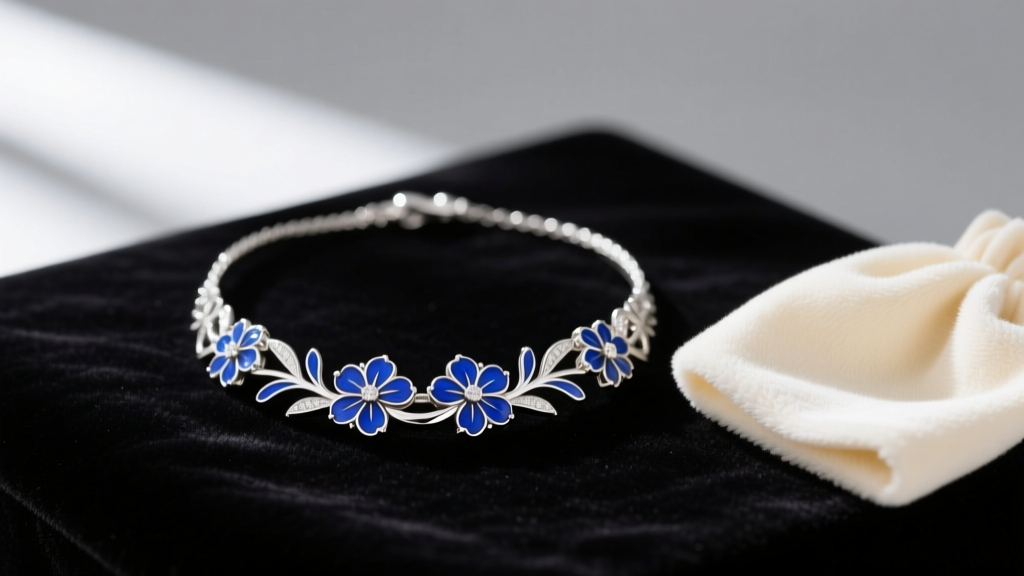
Vitreous enamel is essentially glass fused to metal at temperatures exceeding 1400°F. It is highly durable, scratch-resistant, and can withstand mild warm water cleaning. Cold enamel, however, is an epoxy resin poured into metal cloisons. It is highly sensitive to heat and harsh chemicals. Ammonia-based cleaners will strip the glossy finish of cold enamel, leaving it cloudy and permanently etched.
Resin-Encased Organic Botanicals
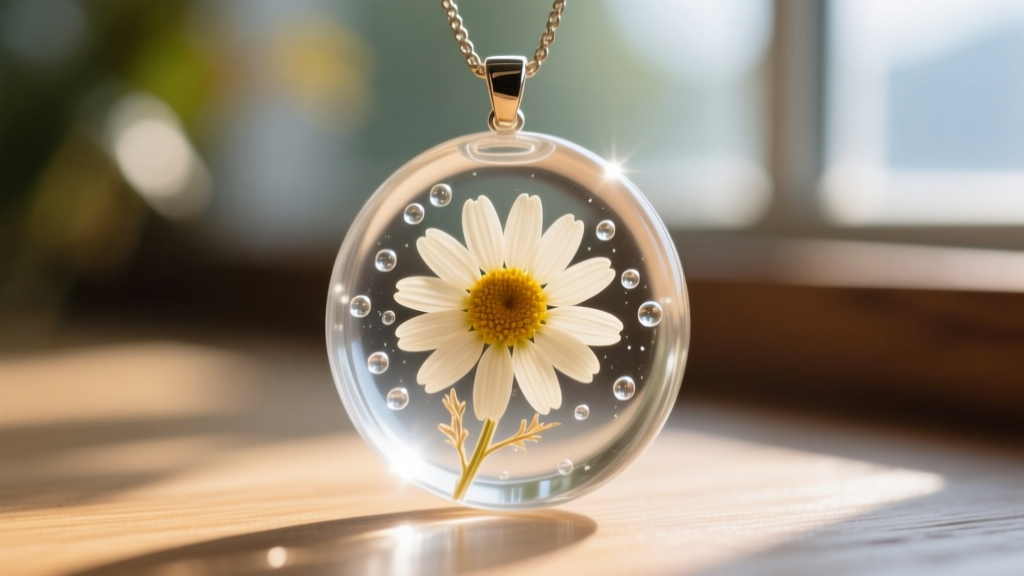
Real flower necklaces suspended in clear resin (often polyurethane or epoxy) are incredibly fragile. Over time, exposure to UV light causes photo-oxidation, leading to a yellowish tint in the resin. Furthermore, organic inclusions like real petals are porous; if the resin seal is compromised, moisture can enter and cause the flower to rot from the inside out.
Stamped and Cast Precious Metals
Sterling silver (925) and 14k/18k gold are standard for metal floral necklaces. Sterling silver is highly susceptible to hydrogen sulfide in the air, which causes black tarnish. In floral designs, this tarnish aggressively targets the deep recesses between petals, creating a high-contrast look that is difficult to polish without specialized tools.
Step-by-Step Cleaning Protocols by Material
Forget the toothpaste and baking soda hacks you see on social media; these are highly abrasive and will micro-scratch your jewelry. Follow these professional-grade steps to safely clean your botanical pieces.
The Universal Mild Wash (Safe for Metal and Vitreous Enamel)
- Prepare the Solution: Mix three drops of pH-neutral dish detergent (like original Dawn) into a bowl of lukewarm distilled water. Distilled water is critical, as tap water contains dissolved minerals that leave hard water spots on metal and enamel.
- Soak: Submerge the metal or vitreous enamel floral pendant for exactly 5 to 7 minutes to loosen sebum and cosmetic buildup.
- Agitate: Use an extra-soft baby toothbrush (bristle diameter of 0.1mm or less). Gently sweep the bristles along the grain of the metal and into the petal crevices. Never use circular scrubbing motions, which can create micro-swirl scratches on high-polish gold.
- Rinse and Dry: Rinse under a gentle stream of distilled water. Immediately pat dry with a lint-free microfiber cloth.
The Dry-Only Method (For Resin and Cold Enamel)
Never submerge resin or cold enamel in water. Instead, use a dry, clean makeup brush (like a fluffy eyeshadow blending brush) to gently sweep dust out of the floral crevices. For smudges, lightly dampen a cotton swab with distilled water—never alcohol or chemical solvents—and carefully dab the surface, drying immediately.
Drying Techniques: Capillary Action in Floral Crevices
One of the most common failure modes in cleaning a necklace with flowers is trapped moisture. Water naturally clings to the sharp interior angles of stamped petals due to surface tension. If left to air dry, this trapped moisture will cause localized galvanic corrosion or stubborn water spots.
According to Jewelers of America, ensuring jewelry is completely dry before storage is paramount to preventing long-term tarnish and metal fatigue, especially in intricately detailed pieces.
Expert Trick: Use a can of compressed air (held at least 6 inches away to prevent freezing the metal) or a hairdryer on the 'cool' setting to blow water out of the deepest floral recesses. Never use heat, as rapid thermal expansion can crack enamel or warp resin.
The Dangers of Ultrasonic and Steam Cleaners
Many consumers mistakenly believe that ultrasonic cleaners are a catch-all solution. However, the high-frequency sound waves create microscopic cavitation bubbles that implode with immense force. While great for plain diamond solitaires, this process is devastating to floral jewelry.
| Cleaning Method | Vitreous Enamel | Cold Enamel / Resin | Stamped Silver/Gold | Gemstone Accents |
|---|---|---|---|---|
| Mild Soap & Distilled Water | ✅ Safe | ⚠️ Damp Cloth Only | ✅ Safe | ✅ Safe (Most) |
| Ultrasonic Cleaner | ❌ High Risk of Chipping | ❌ Will Shatter/Melt | ✅ Safe | ⚠️ Fracture Risk |
| Steam Cleaner | ✅ Safe | ❌ Will Melt/Warp | ✅ Safe | ⚠️ Thermal Shock |
| Ammonia / Silver Dip | ❌ Strips Glaze | ❌ Causes Clouding | ✅ Safe (Silver only) | ❌ Destroys Organics |
Proper Storage to Prevent Petal and Stem Damage
How you store your necklace with flowers is just as important as how you clean it. Floral pendants often feature protruding elements—like delicate stamen wires or thin, stamped leaves—that can easily snag on other jewelry, bending the metal or scratching adjacent pieces.
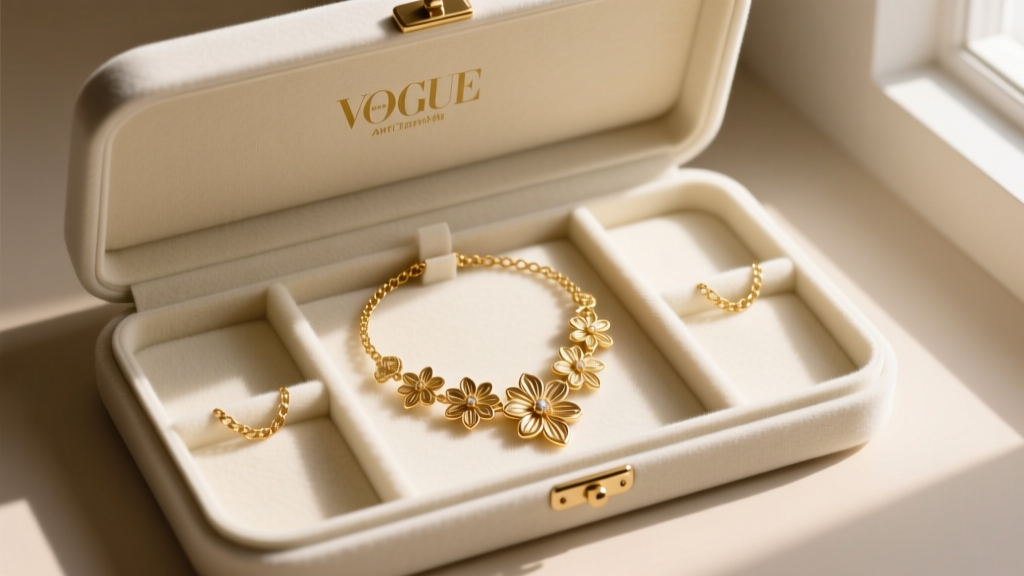
- Individual Compartments: Always store floral necklaces in individual soft flannel pouches or dedicated compartments in a lined jewelry box.
- Anti-Tarnish Strips: For sterling silver floral pieces, place a 3M anti-tarnish strip in the storage compartment. These strips absorb airborne hydrogen sulfide and sulfur dioxide, preventing the dark tarnish from forming in the deep crevices of the flower design.
- UV Protection: Resin and real-flower necklaces must be stored in opaque boxes. Continuous exposure to ambient sunlight will accelerate the yellowing of the resin and the fading of the organic petals.
- Chain Suspension: To prevent the chain from tangling in the intricate bail of a floral pendant, hang the necklace on a velvet-lined jewelry tree or lay it completely flat, ensuring the clasp is left unfastened to release tension.
Routine Maintenance: Bails, Jump Rings, and Prongs
Floral pendants are often heavier and more asymmetrical than standard geometric charms. This uneven weight distribution puts extra mechanical stress on the bail (the loop connecting the pendant to the chain) and the jump rings.
Every three months, inspect the connection points. Use a jeweler's loupe (10x magnification) to check for metal fatigue or thinning at the top of the floral bail. If your necklace features gemstones set into the center of the flowers (such as a diamond-studded pistil or ruby-tipped stamens), gently run a piece of silk thread over the prongs. If the thread snags, a prong is lifted and requires immediate professional tightening to prevent stone loss. By combining meticulous, material-aware cleaning with proactive structural maintenance, your botanical jewelry will retain its intricate beauty and structural integrity for generations.