Expert Care and Cleaning for Your Nutcracker Necklace
Discover expert cleaning and maintenance tips for your nutcracker necklace. Learn how to safely polish silver, protect enamel, and prevent tarnish.

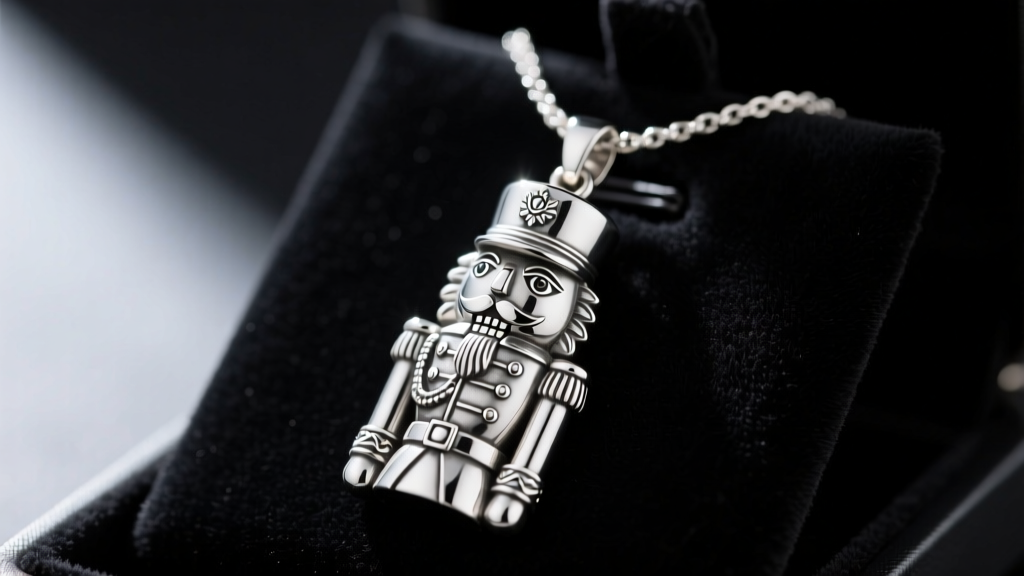
The Unique Anatomy of a Nutcracker Necklace
Nutcracker necklaces are a beloved staple of holiday jewelry collections, vintage military-style pendants, and heirloom charm bracelets. Whether you own a heavy cast 925 sterling silver piece from the 1980s, a modern 14k gold vermeil design, or an artisan-carved bone pendant, these pieces share a common vulnerability: intricate high-relief detailing. The braided mustache, the ridged crown, the epaulets, and the functional jaw mechanism create dozens of microscopic crevices that trap skin oils, cosmetic residues, and environmental pollutants. As we move through 2026, the jewelry industry has seen a massive shift toward eco-friendly, non-toxic cleaning agents, making it easier than ever to maintain your pieces without harsh chemicals. However, the fundamental rules of metallurgy and gemology remain unchanged. Improper cleaning can strip gold layers, shatter cold enamel, or permanently scratch high-polish surfaces.
Identify Your Materials Before Cleaning
Before applying any liquid or cloth to your nutcracker necklace, you must accurately identify the materials. A vintage piece might be solid 925 sterling silver, while a contemporary fashion piece might be brass plated with a thin layer of gold and accented with cold enamel or epoxy resin. According to the Jewelers of America, using the wrong cleaning protocol is the leading cause of irreversible damage to mixed-media pendants. Review the table below to determine your pendant's primary composition and its corresponding care requirements.
| Material | Tarnish Risk | Recommended Cleaner | Ultrasonic Safe? |
|---|---|---|---|
| 925 Sterling Silver | High | Silver polishing cloth, mild soap | Yes (if no stones/enamel) |
| Gold Vermeil (14k/18k) | Medium | Mild soap, microfiber cloth | No (strips gold layer) |
| Cold Enamel / Resin | Low | Damp microfiber, dry cotton swab | No (shatters enamel) |
| Carved Wood / Bone | N/A | Dry brush, mineral oil | No (causes cracking) |
Step-by-Step Cleaning Protocols
Protocol A: Solid Sterling Silver and Gold (No Enamel)
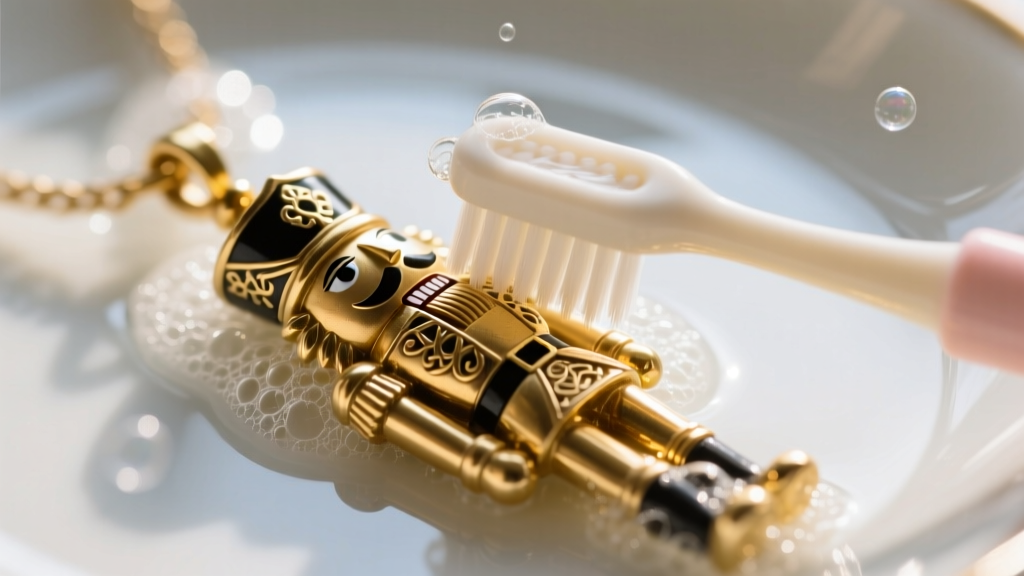
If your nutcracker pendant is solid metal without any glued components, enamel, or porous gemstones, a gentle aqueous wash is the safest starting point. Mix three drops of phosphate-free, lotion-free dish soap into a bowl of lukewarm distilled water. Submerge the pendant for no more than three minutes to loosen surface grime. Next, use an extra-soft baby toothbrush to gently agitate the crevices around the nutcracker's jaw and crown. Hard-bristled brushes will leave micro-scratches on high-polish silver, which actually accelerates future tarnishing by increasing the surface area exposed to air. Rinse thoroughly under distilled water and pat dry with a lint-free microfiber cloth. For the final polish, use a treated jeweler's cloth, such as a Sunshine cloth, to buff the raised, high-relief areas to a mirror finish.
Protocol B: Cold Enamel, Resin, and Gold Vermeil
Many modern nutcracker necklaces utilize gold vermeil (a thick layer of gold over sterling silver) accented with vibrant cold enamel to highlight the uniform and crown. Never submerge these pieces in water. Prolonged exposure to moisture can degrade the adhesive bonding the enamel to the metal, leading to flaking. Instead, lightly dampen a cotton swab with distilled water and carefully trace the intricate lines of the nutcracker's face and uniform. For the vermeil surfaces, avoid any treated polishing cloths or abrasive pastes. The London Assay Office notes that abrasive cleaners will strip the microscopic gold layer right off the sterling silver base, ruining the vermeil finish. Simply buff the gold areas with a dry, clean microfiber cloth.
Advanced Tarnish Removal: The Electrochemical Bath
Tarnish on silver is not dirt; it is a chemical reaction between the silver and sulfur compounds in the environment, forming a layer of black silver sulfide (Ag2S). If your vintage sterling silver nutcracker necklace has developed heavy, black tarnish in the deep crevices of the braided mustache or the base of the crown, polishing cloths will not reach it. In these cases, an electrochemical reduction bath is the most effective, non-abrasive solution.
- Line a glass or ceramic bowl with aluminum foil, shiny side facing up.
- Place the tarnished silver nutcracker pendant directly on the foil, ensuring they touch.
- Sprinkle one tablespoon of baking soda and one tablespoon of non-iodized salt over the pendant.
- Pour boiling water into the bowl until the pendant is fully submerged.
You will immediately notice a sulfuric (rotten egg) smell. This is the chemical reaction transferring the silver sulfide from your necklace to the aluminum foil. After three minutes, remove the pendant with wooden tongs, rinse in distilled water, and dry. Warning: Never use this method if your nutcracker necklace contains glued-in gemstones, pearls, or enamel, as the boiling water will melt the adhesives.
The Dangers of Ultrasonic Cleaners
While ultrasonic cleaners are excellent for diamond rings, they are notoriously destructive for novelty and vintage pendants. These machines operate at frequencies between 40 and 45 kHz, creating microscopic cavitation bubbles that implode with immense localized force. According to conservation guidelines from the Smithsonian Institution, this cavitation will easily shatter brittle cold enamel, fracture porous materials like carved bone or wood, and shake loose the tiny prongs holding micro-pave stones. Keep your nutcracker necklace far away from ultrasonic machines unless it is a solid, unadorned piece of cast metal and has been explicitly cleared by a bench jeweler.
Proper Storage to Prevent Holiday Tarnish
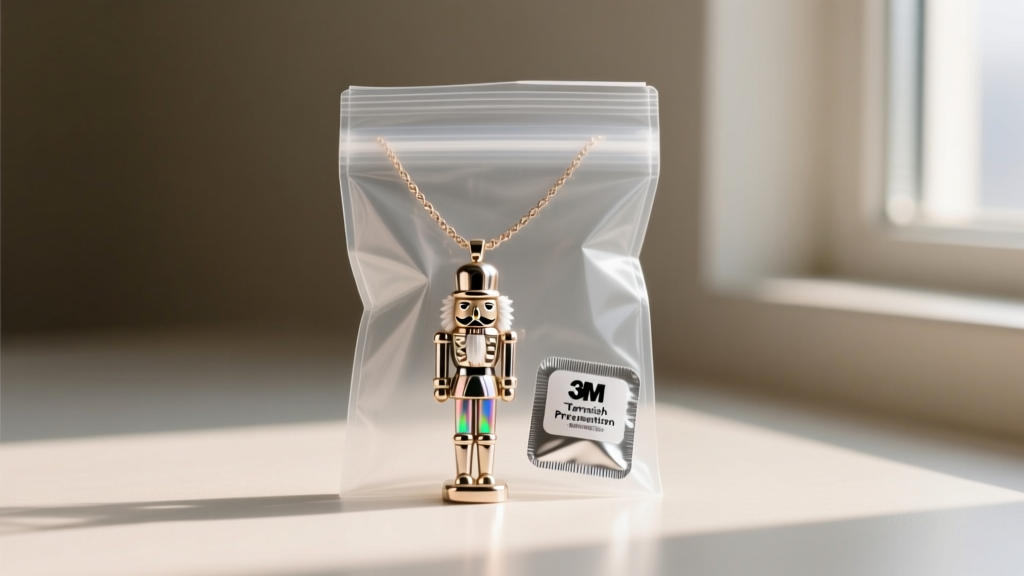
Prevention is vastly superior to restoration. Silver tarnishes when exposed to hydrogen sulfide and high humidity. When the holiday season ends and you pack away your nutcracker necklace, do not simply toss it into a communal jewelry box where it can be scratched by harder gemstones or chains. Store the necklace in an individual, airtight polyethylene ziplock bag. Include a 3M Anti-Tarnish strip inside the bag; these strips absorb airborne sulfur compounds before they can reach your silver. For an added layer of protection, wrap the pendant in a Pacific Silvercloth pouch, which is embedded with fine silver particles that act as a sacrificial barrier against tarnish. Ensure the chain is clasped and laid flat to prevent the links from kinking or tangling around the pendant's protruding jaw mechanism.
When to Seek a Professional Bench Jeweler
Home maintenance is excellent for surface cleaning, but certain issues require professional intervention. If the jump ring connecting your nutcracker pendant to the chain shows signs of thinning or stretching, a jeweler must solder it shut to prevent loss. Similarly, if the cold enamel on the nutcracker's uniform begins to chip or flake, a professional enamelist can carefully remove the damaged resin and color-match a new application. Finally, if your gold vermeil piece has worn down to the base metal on the high-friction areas, a jeweler can professionally polish the surface and apply a fresh layer of 14k or 18k gold plating, restoring the necklace to its original brilliance for decades of future wear.


