Cooper Flagg Necklace Troubleshooting: Fixing Chain & Pendant Flaws
Is your Cooper Flagg necklace breaking or tarnishing? Learn expert troubleshooting for sports pendant chains, clasps, and sweat damage in our 2026 guide.

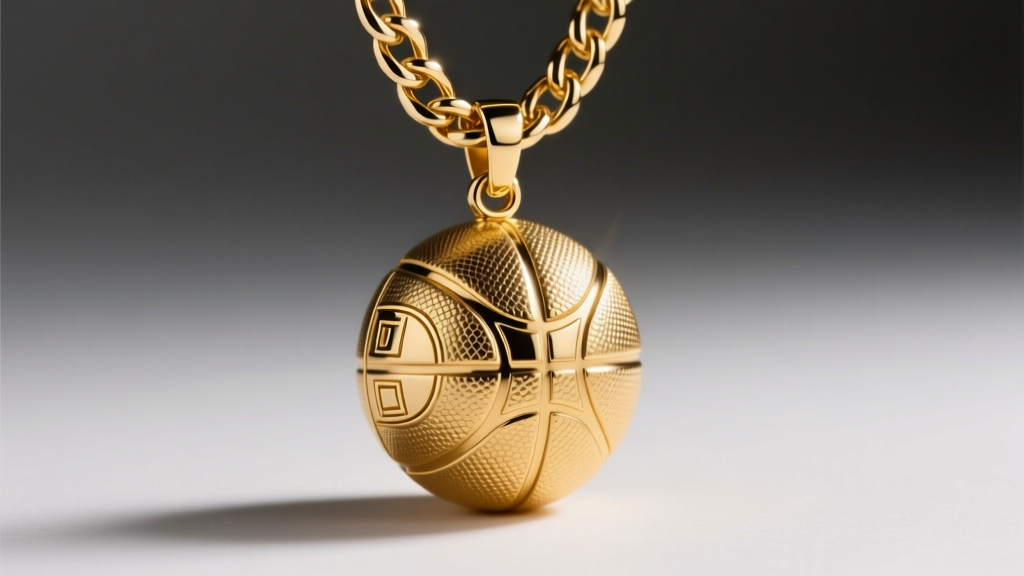
The Rise of Heavy Sports Memorabilia Jewelry
As basketball phenom Cooper Flagg continues to dominate headlines and courts in 2026, the demand for custom sports memorabilia jewelry has skyrocketed. Fans and athletes alike are commissioning heavy, oversized pendants—ranging from enameled Duke Blue Devils logos to solid gold #2 jersey plaques and custom athlete nameplates. However, translating sports fandom into wearable jewelry introduces severe mechanical and chemical challenges. A standard fashion necklace is designed for static wear, but a Cooper Flagg necklace is often subjected to the dynamic, high-impact environment of athletic movement, frequent travel, and heavy perspiration.
When a 25-gram solid gold or stainless steel commemorative pendant snaps its chain or tarnishes beyond recognition, it is rarely a defect in the metal itself. Instead, it is a failure of engineering. Troubleshooting these specific issues requires a deep understanding of tensile strength, friction dynamics, and metallurgical reactions to human sweat. Below, we break down the most common failure modes of heavy sports pendants and provide actionable, jeweler-grade solutions to keep your gear intact.
Diagnosing Chain Breakage Under Athletic Tension
The most frequent complaint with heavy sports pendants is chain snapping. When you wear a heavy pendant while walking, running, or cheering, the pendant acts as a pendulum. This "pendulum effect" multiplies the static weight of the pendant into dynamic kinetic force. A 20-gram pendant can easily exert over 50 pounds of instantaneous tensile stress on the chain's weakest link during a sudden stop or jump.
Standard 1mm to 1.5mm chains (roughly 18 to 16 gauge) will inevitably fail under these conditions. To properly support a heavy Cooper Flagg tribute pendant, you must upgrade to a chain that offers both structural thickness and interlocking link stability.
| Chain Style | Recommended Gauge | Tensile Strength Estimate | Best For Pendant Weight |
|---|---|---|---|
| Cuban Link | 8-Gauge (3.2mm) | ~45 - 60 lbs | 15g - 35g (Heavy Pendants) |
| Franco | 10-Gauge (2.5mm) | ~35 - 45 lbs | 10g - 25g (Medium-Heavy) |
| Rope | 12-Gauge (2.0mm) | ~25 - 30 lbs | 5g - 15g (Medium) |
| Box Chain | 14-Gauge (1.6mm) | ~10 - 15 lbs | Under 5g (Lightweight) |
Troubleshooting Tip: If your Cuban link chain keeps snapping at the jump ring (the small circular ring connecting the clasp), the issue is likely work-hardening. Repeated stress causes the metal to become brittle. Have a jeweler anneal (heat and soften) the jump ring, or replace it with a soldered, seamless jump ring to eliminate the weak point entirely.
Troubleshooting Bail Wear and Pendant Detachment
The bail—the loop at the top of the pendant that slides onto the chain—is the primary friction point in any necklace. With heavy, oversized sports pendants, the constant rubbing of the chain against the interior of the bail acts like a slow-motion saw. Over time, this friction cuts deep grooves into the metal, eventually leading to the bail snapping and the pendant falling off.
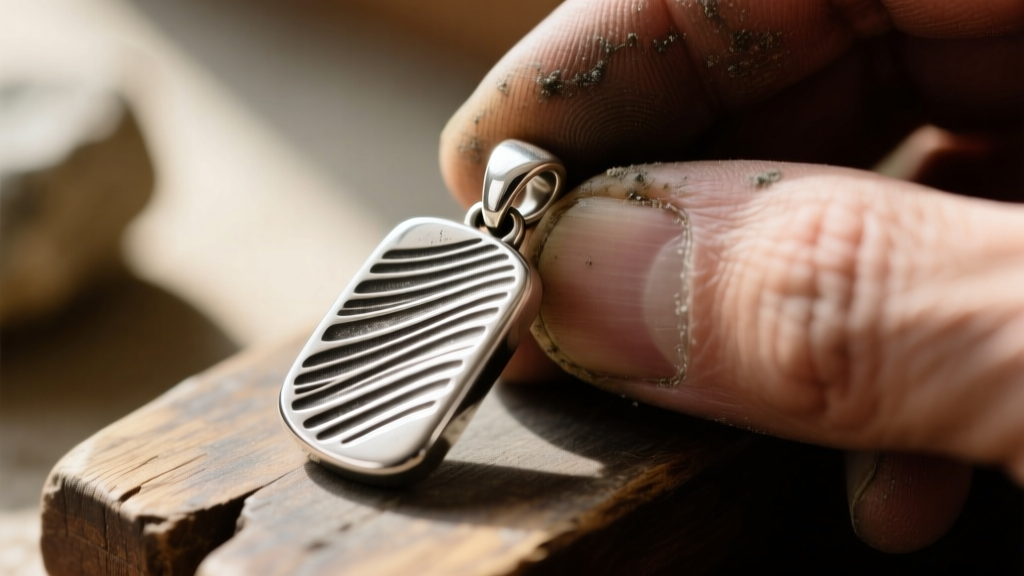
Inspecting the Bail
Remove your Cooper Flagg pendant from the chain and inspect the interior curve of the bail using a 10x jeweler's loupe. If you see a "C-shaped" wear groove that has penetrated more than 20% of the metal's thickness, the bail is structurally compromised and requires immediate intervention.
Repair vs. Replace
- Laser Welding: For solid gold or platinum bails, a jeweler can use a laser welder to add fresh metal directly into the worn groove without heating the entire piece. This is crucial if your pendant features heat-sensitive enamel (like Duke blue detailing) or gemstones.
- Snap-On Bail Replacement: If the bail is sterling silver or heavily degraded, replacing it is safer. Opt for a heavy-duty "snap-on" or "pinch" bail made of 14k gold or 316L stainless steel, which features a wider interior channel to distribute chain friction more evenly.
- The Silicone O-Ring Hack: For a quick, non-destructive fix, thread a tiny, 1mm silicone jewelry o-ring through the bail before adding the chain. The silicone takes the brunt of the friction and can be replaced for pennies when it wears down.
Sweat, Tarnish, and Metal Degradation Fixes
Basketball culture and sports fandom often mean wearing jewelry in high-sweat environments, whether at the gym, in the stands, or during summer tournaments. Human sweat is a complex chemical cocktail with a pH ranging from 4.5 to 7.0, containing lactic acid, urea, and chlorides. This environment is highly corrosive to certain jewelry metals.
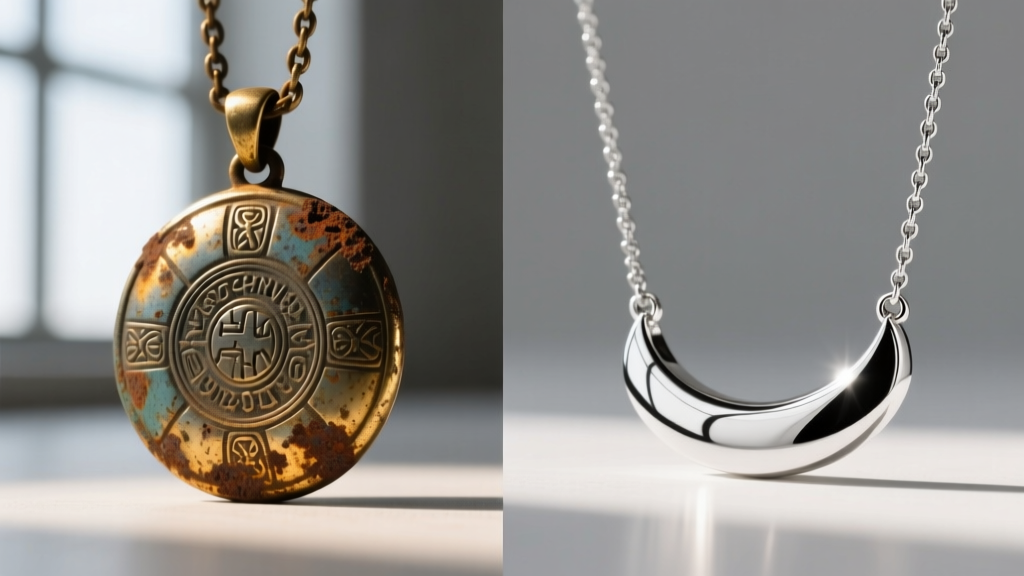
According to the Gemological Institute of America (GIA), prolonged exposure to perspiration and cosmetics is a leading cause of surface degradation in alloyed metals. If your Cooper Flagg necklace is crafted from .925 sterling silver, the copper content (7.5%) will rapidly oxidize and turn black when exposed to sweat chlorides. Even 14k gold, which contains significant copper and silver alloys, can develop a dull, reddish tarnish over time.
Material-Specific Troubleshooting
1. Sterling Silver (.925): If your silver pendant has turned black, avoid harsh chemical dips that can strip antiquing or damage enamel. Instead, use a mild solution of warm water, a drop of phosphate-free dish soap, and a soft-bristle baby toothbrush. For severe tarnish, a professional ultrasonic cleaning followed by a fresh coat of rhodium plating will create an inert barrier against future sweat damage. The Silver Institute recommends storing silver in anti-tarnish cloth bags when not in use to halt oxidation.
2. 316L Surgical Stainless Steel: Many affordable sports pendants are made from 316L steel. While highly resistant to rust, the chloride in heavy sweat can cause "pitting"—microscopic craters on the metal surface. If you notice rough spots on your steel pendant, it cannot be polished out easily; the piece must be professionally buffed with a rouge wheel to remove the pitted layer.
3. Solid Gold (14k/18k): Gold is the most sweat-resistant option, but lotions and gym chalk can build up in the crevices of detailed pendants (like the mesh of a basketball or the numbers on a jersey plaque). Soak the piece in a 50/50 mix of distilled water and ammonia for exactly 3 minutes, then rinse thoroughly.
Clasp Failures: Upgrading the Weakest Link
The clasp is the single most common point of catastrophic failure on a heavy necklace. Standard lobster clasps rely on a tiny internal steel spring. When subjected to the dynamic weight of a 25g+ sports pendant, the spring can fatigue, or the clasp gate can bend outward, causing the chain to slip off unnoticed.
The Fix: Ditch the lobster clasp entirely. Upgrade your Cooper Flagg necklace with a Box Clasp featuring a Figure-8 Safety Latch. A box clasp uses a folding metal tongue that clicks securely into a squared housing, capable of bearing immense static and dynamic loads. The figure-8 safety wire acts as a secondary failsafe; even if the primary tongue somehow dislodges, the wire loop catches the jump ring on the opposite end of the chain, preventing the loss of your valuable memorabilia.
Preventative Maintenance Checklist
To ensure your sports jewelry survives the season and beyond, implement this bi-annual maintenance routine:
- The Pull Test: Gently tug the chain near the clasp and the jump ring. If you see the links gap open even slightly, the chain needs to be compressed or replaced.
- The Bail Inspection: Check the interior of the pendant bail for friction grooves every 3 months if worn daily.
- The Ultrasonic Reset: Take the piece to a local jeweler twice a year for a professional ultrasonic clean and steam polish to remove embedded skin oils and gym chalk.
- The Enamel Check: If your pendant features painted or enameled team colors, inspect the edges for micro-chipping. A jeweler can apply a clear, UV-cured jewelry resin to seal and protect the colorwork.
By treating your Cooper Flagg necklace not just as fan gear, but as a piece of precision mechanical jewelry, you can ensure it remains a pristine tribute to basketball greatness for decades to come.


