How Do You Clean a Pearl Necklace Without Damaging the Nacre?
Learn exactly how do you clean a pearl necklace safely. Expert guide on nacre preservation, pH-balanced washing, and silk thread maintenance.

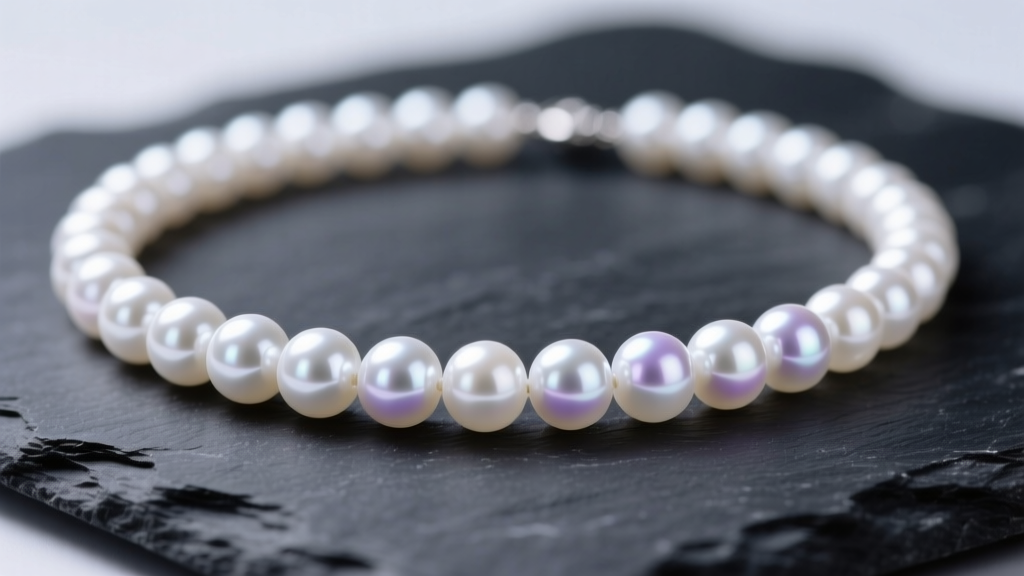
The Science of Nacre: Why Pearls Require Specialized Cleaning
When asking how do you clean a pearl necklace, you must first understand the gemological composition of the pearl itself. Unlike faceted minerals such as diamonds or sapphires, pearls are organic-inorganic composites. The outer layer, known as nacre, consists of microscopic aragonite (calcium carbonate) platelets bound together by conchiolin, a complex organic protein.
This unique structure gives pearls their signature orient and luster but also dictates a Mohs hardness of merely 2.5 to 3.0. Furthermore, the calcium carbonate matrix is highly susceptible to acidic degradation. Human sweat typically registers a pH between 4.5 and 5.5; prolonged exposure without proper cleaning will literally dissolve the aragonite platelets, resulting in irreversible etching and a chalky, matte appearance. According to the Gemological Institute of America (GIA), preserving the conchiolin matrix is the primary objective of any pearl cleaning protocol.
The Forbidden Chemicals: What Destroys Pearl Necklaces
Before detailing the correct methodology, it is critical to outline the catastrophic failure modes associated with improper cleaning agents. Commercial jewelry dips and mechanical cleaners will destroy a pearl necklace in minutes.
- Ultrasonic Cleaners: These devices use high-frequency sound waves to create microscopic cavitation bubbles. When these bubbles collapse against the pearl's surface, the localized shockwaves easily fracture the delicate aragonite layers, causing microscopic pitting and structural delamination.
- Steam Cleaners: The sudden thermal shock and high heat (often exceeding 100°C) will denature the conchiolin protein matrix. This causes the nacre to craze, crack, and ultimately peel away from the nucleus.
- Ammonia and Bleach: Highly alkaline or oxidative chemicals strip the pearl's natural moisture and dissolve the calcium carbonate. Even trace amounts of ammonia found in standard glass cleaners will permanently cloud the pearl's luster.
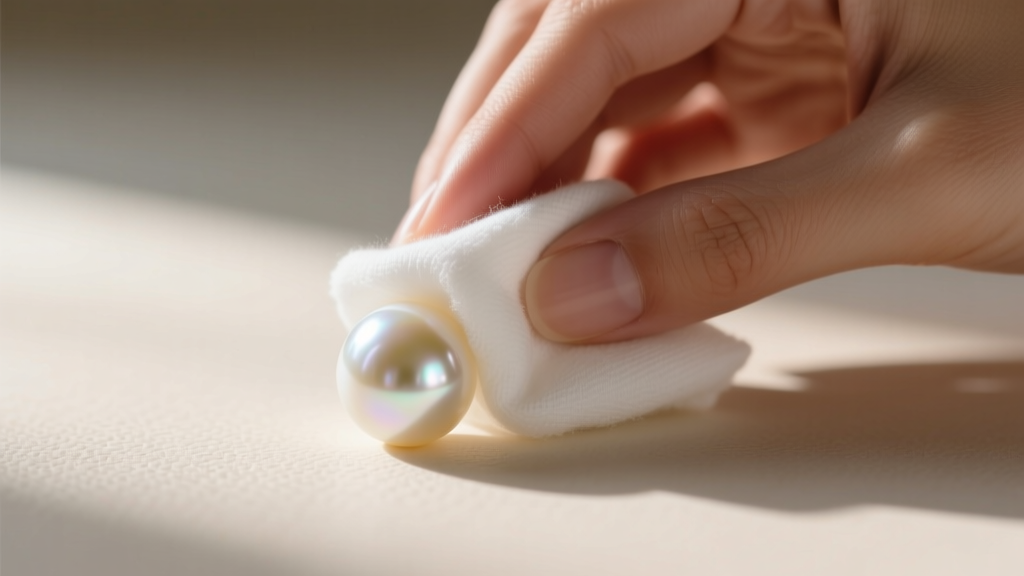
Step-by-Step Technical Guide: How Do You Clean a Pearl Necklace?
The safest, most effective method for cleaning a strung pearl necklace relies on mechanical friction using a pH-neutral solution, avoiding submersion to protect the structural integrity of the silk thread.
- Prepare a pH-Neutral Solution: Mix one cup of distilled water (tap water contains chlorine and fluoride that can leave microscopic deposits) with two drops of a mild, pH-neutral liquid castile soap. Avoid dish soaps, which often contain degreasing agents that strip the pearl's natural hydration.
- Dampen, Do Not Soak: Dip a 100% cotton, lint-free cloth or a high-grade microfiber towel into the solution and wring it out until it is merely damp. Never submerge a knotted silk pearl necklace in water. Submersion causes the silk to stretch, weaken, and trap moisture against the pearl's drill holes, leading to internal rot.
- Targeted Wiping: Gently wipe each pearl individually. Pay special attention to the areas around the drill holes and the clasp, where sebum, dead skin cells, and cosmetic residues accumulate most heavily.
- The Rinse Phase: Dampen a second clean cloth with pure distilled water and wipe each pearl again to remove any residual soap film. Soap residue will dry into a dull, opaque layer that mimics the appearance of damaged nacre.
- Air Drying: Lay the necklace perfectly flat on a dry, clean cotton towel in a well-ventilated area away from direct sunlight or heat sources. Hanging a wet pearl necklace will cause the wet silk thread to stretch under the weight of the pearls, resulting in permanent gapping between the knots.
Drill Hole Maintenance and Internal Debris
The drill holes of a pearl are highly vulnerable areas. Standard pearls are drilled from both sides to meet in the center, which can leave a microscopic ridge or burr inside the hole. Over time, sebum, dead skin cells, and soap residue pack into these drill holes, creating a hardened, dark ring around the entry point. This not only looks unsightly but also traps acidic moisture directly against the nacre's thinnest point.
To clean the drill holes without damaging the silk thread, use a wooden or soft plastic interdental pick—never metal, as a steel pick will easily scratch the aragonite and widen the drill hole. Gently trace the perimeter of the drill hole while the pearl is slightly damp from your castile solution. If the necklace is due for restringing, a professional jeweler will use a specialized reaming tool to clear the internal debris and smooth the burr before passing the new silk thread through.
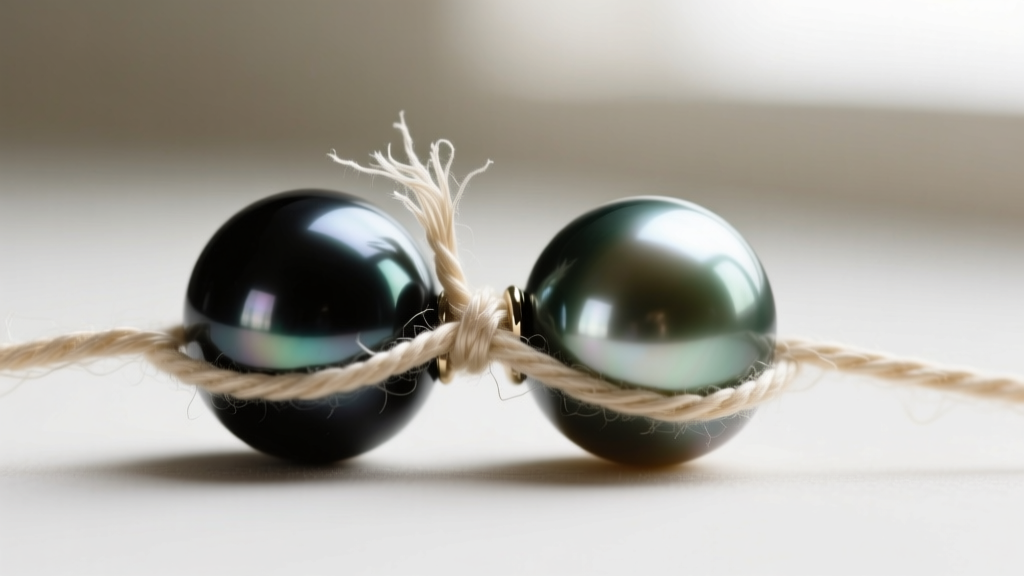
Silk Thread Degradation and Restringing Metrics
Cleaning the pearls is only half the maintenance equation; the structural silk thread requires equal vigilance. High-quality pearl necklaces are strung on 100% silk thread (typically Size E or F, depending on the pearl's drill hole diameter, which usually ranges from 0.8mm to 1.2mm). Silk is a natural protein fiber containing sericin, which degrades when exposed to acidic sweat, cosmetics, and repeated moisture.
| Wear Frequency | Environmental Exposure | Recommended Restringing Interval | Visible Failure Indicators |
|---|---|---|---|
| Daily Wear | High (sweat, perfumes, humidity) | Every 6 to 8 months | Thread discoloration, visible gapping, stiff knots |
| Weekly Wear | Moderate (office, evening events) | Every 12 to 18 months | Slight stretch between pearls, minor fraying at clasp |
| Occasional Wear | Low (climate-controlled storage) | Every 3 to 5 years | Dry rot, thread snapping under light tension |
Advanced Storage Chemistry: Preventing Dehydration
How you store the necklace post-cleaning directly impacts its longevity. Pearls contain trace amounts of water (typically 2% to 4% by weight). If stored in an overly dry environment, they will dehydrate, leading to concentric cracking and a loss of luster. Conversely, high humidity promotes fungal growth on the silk thread.
The ideal storage environment maintains a relative humidity (RH) between 40% and 50%. Never store pearls in polyethylene plastic bags or sealed plastic containers. Polyethylene can emit trace volatile organic compounds (VOCs) over time, and sealed environments trap stagnant air, accelerating dehydration and chemical off-gassing. Instead, store the cleaned, fully dried necklace in a soft, unbleached cotton pouch or a lined wooden jewelry box, laid flat to prevent silk stretching. As noted by CIBJO (The World Jewellery Confederation), proper environmental control is just as critical as physical cleaning in preserving a pearl's gemological value.
Expert Troubleshooting: Common Pearl Cleaning Failures
Failure Mode: The pearls look dull and chalky even after cleaning.
Diagnosis: Acid etching from prolonged sweat exposure or previous use of improper alkaline cleaners. The aragonite surface has been microscopically pitted.
Solution: Surface cleaning cannot reverse chemical etching. The necklace must be sent to a master lapidary for a professional peeling or light polishing, though this removes a microscopic layer of nacre and is only viable for very thick-nacre pearls like high-grade South Sea or Tahitian varieties.
Failure Mode: The silk thread turns dark gray or black near the clasp.
Diagnosis: Silver tarnish transfer. If the necklace features a sterling silver clasp, sulfur compounds in the air cause the silver to tarnish, and the friction of the silk against the tarnished metal dyes the thread.
Solution: The thread is permanently stained and structurally compromised. The necklace requires immediate restringing. Upgrade the clasp to 14k or 18k gold, or platinum, to eliminate future oxidation transfer.


