How to Clean and Maintain Your Rod Wave Necklace
Learn how to clean, maintain, and protect your Rod Wave necklace. Expert tips for iced-out pendants, gold plating, and diamond care to keep it shining.

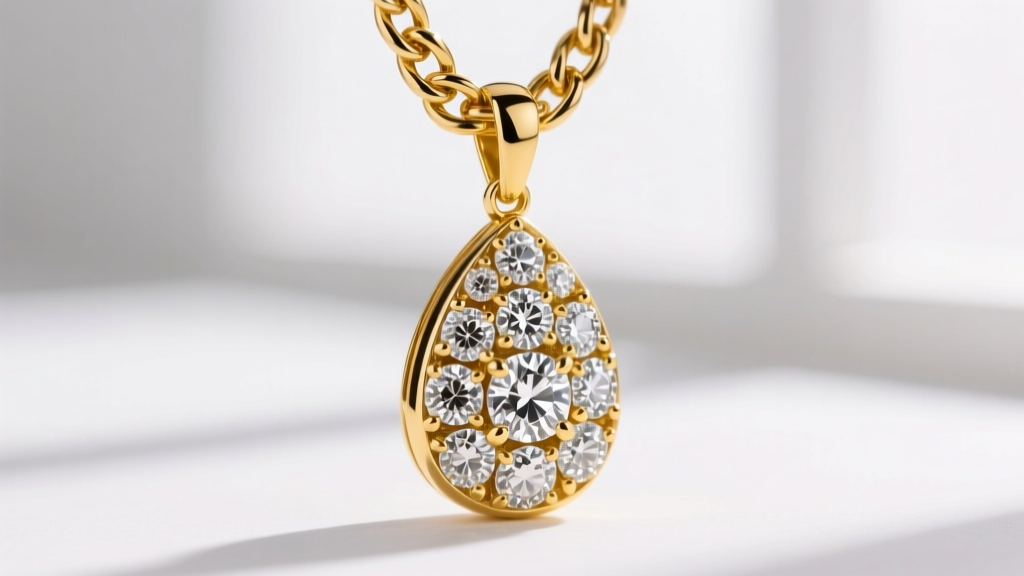
The Anatomy of a Rod Wave Style Pendant
When fans and collectors search for a Rod Wave necklace, they are usually looking for one of two things: the ultra-premium, custom-commissioned solid gold and VVS diamond pieces worn by the artist himself, or the high-quality, accessible replica pendants featuring cubic zirconia (CZ) and gold plating. Rod Wave’s signature aesthetic relies on heavy, emotionally resonant motifs—teardrops, religious iconography, and intricate portraits—fully encrusted in pave or prong-set stones. Because these pieces are substantial in both size and cultural weight, they require specialized care to maintain their brilliance and structural integrity.
Before applying any cleaning solution, you must identify your necklace's exact metallurgy and gemology. Solid 14k or 18k gold paired with natural diamonds requires a vastly different maintenance protocol than a brass or stainless steel base coated in PVD (Physical Vapor Deposition) gold and set with glued CZ stones. Misidentifying your jewelry type and using the wrong cleaning method is the fastest way to strip plating, cloud stones, or loosen prongs.
Daily Maintenance: Preventing Tarnish and Prong Damage
Hip-hop jewelry is designed to be worn prominently, which means it is constantly exposed to the elements, skin oils, and environmental pollutants. The primary enemy of any iced-out pendant is sebum—the natural oil produced by your skin. When sebum mixes with dead skin cells and everyday dust, it forms a microscopic film over the pavilion (the underside) of your diamonds or CZ stones, drastically reducing their light return and making them look cloudy or dull.
The Sweat, Lotion, and Cologne Factor
Acids present in human sweat can accelerate the oxidation of base metals in replica pendants, leading to a greenish tint on the skin and rapid degradation of electroplated gold layers. Furthermore, everyday grooming products like colognes, body lotions, and hair sprays contain alcohols and emulsifiers that can break down the rhodium plating on white gold pieces and weaken the jewelry adhesives used in lower-tier replica pendants. To maximize the lifespan of your Rod Wave style chain, always put your jewelry on after applying cologne and lotions, and remove it before engaging in heavy physical activity.
Step-by-Step Cleaning Guide for Iced-Out Pendants
Regular cleaning is non-negotiable for maintaining the fire and scintillation of an iced-out pendant. Below are the safest, most effective methods approved by gemological experts.
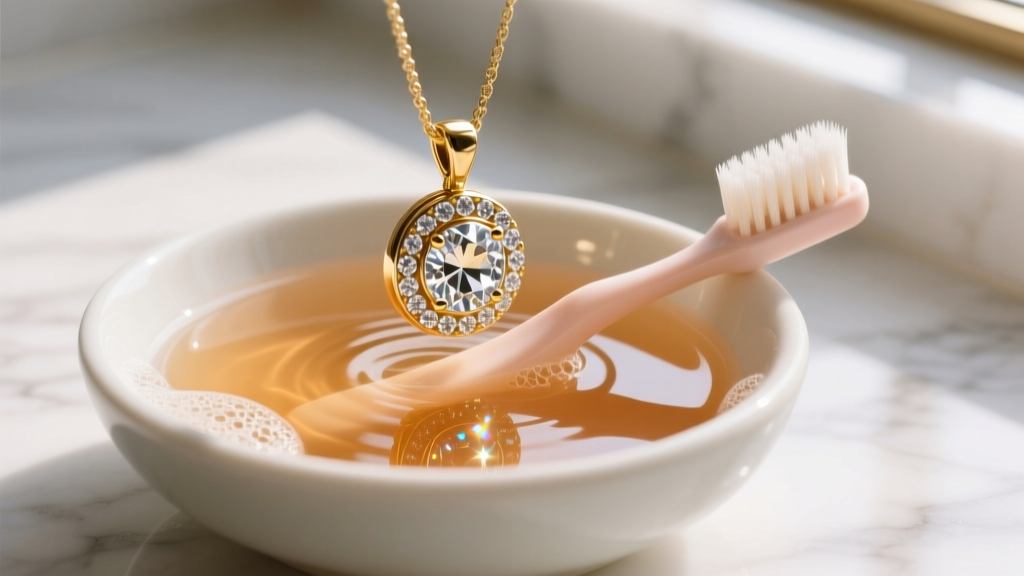
Method 1: The Mild Soap Soak (Safe for All Materials)
This is the gold standard for routine maintenance, safe for both solid gold/diamond pieces and gold-plated/CZ replicas. According to the Gemological Institute of America (GIA), mild dish soap is highly effective at breaking down grease without harming precious metals or gemstones.
- Prepare the Solution: Fill a small bowl with lukewarm water (never hot, as extreme heat can fracture treated diamonds or loosen thermal-sensitive adhesives). Add three drops of a grease-cutting, mild dish soap like Dawn.
- Soak: Submerge your Rod Wave necklace for 15 to 20 minutes. This allows the surfactants to penetrate the tight spaces between the pave stones and loosen trapped sebum.
- Brush: Use an extra-soft baby toothbrush. Standard adult toothbrushes have bristle diameters around 0.20mm, which can cause micro-scratches on 18k gold (which sits at a mere 2.5 to 3 on the Mohs hardness scale). A baby toothbrush features 0.12mm bristles, safely dislodging dirt without marring the metal.
- Rinse and Dry: Rinse thoroughly under lukewarm running water. Pat dry with a lint-free microfiber cloth. Avoid paper towels, as their wood-pulp fibers can scratch high-polish gold and leave microscopic lint trapped in the prongs.
Method 2: Ultrasonic Cleaners (Proceed with Extreme Caution)
Ultrasonic cleaners use high-frequency sound waves (typically 40kHz) to create microscopic cavitation bubbles in a liquid solution. When these bubbles implode against the jewelry, they blast away microscopic debris from deep within the setting. While this is a miraculous tool for solid gold and natural diamond pendants, it is highly destructive to gold-plated replicas and fracture-filled stones. The intense vibrations will shake loose glued-in CZ stones and strip PVD or electroplated gold coatings in minutes. Only use ultrasonic technology if you possess a verified solid gold and natural diamond piece, and even then, limit the cycle to 3 minutes.
Material-Specific Care Chart
Use this quick-reference guide to determine the safest care protocol for your specific necklace composition.
| Material Composition | Safe Cleaners | Strictly Avoid | Polishing & Maintenance |
|---|---|---|---|
| Solid 14k/18k Gold + Natural Diamonds | Mild dish soap, Ultrasonic (short cycles), Jewelry steamers | Chlorine bleach, abrasive toothpaste | Professional prong tightening every 6 months; steam cleaning |
| White Gold + Rhodium Plating | Mild dish soap, soft microfiber cloth | Ultrasonic cleaners, harsh polishing compounds | Rhodium re-dipping by a jeweler every 12-18 months |
| Gold-Plated Brass + Cubic Zirconia | Lukewarm water, dry microfiber wiping | Soaking, ultrasonic, liquid silver dips | Store in anti-tarnish bags; avoid all moisture and sweat |
| Stainless Steel + PVD Gold Coating | Mild soap, soft brush, glass cleaner (for bare steel) | Abrasive pastes, chlorine pools | PVD is highly durable but cannot be re-plated easily if scratched |
| Sterling Silver + Moissanite | Silver polishing cloth, mild soap soak | Hard-bristle brushes, bleach | Use a dedicated silver dip for heavy oxidation; rinse thoroughly |
Common Cleaning Mistakes That Destroy Hip-Hop Jewelry
The internet is full of DIY jewelry cleaning hacks that can permanently ruin a valuable Rod Wave style pendant. Avoid these common pitfalls at all costs:
- The Toothpaste Myth: Toothpaste contains hydrated silica, an abrasive designed to scrub enamel. When applied to gold or silver, it acts like sandpaper, creating a dull, satin-like finish and wearing down the microscopic tips of your prongs.
- Baking Soda and Foil: While this electrochemical reaction is great for removing tarnish from plain silver chains, the alkaline nature of baking soda can etch the surface of porous gemstones and degrade the adhesives holding pave stones in place.
- Boiling Water: Never boil your jewelry. Sudden thermal shock can cause natural diamonds with internal inclusions to fracture, and it will instantly melt the low-temperature solders used in chain links and clasp hinges.
Chain Care: Supporting Heavy Hip-Hop Pendants
A custom Rod Wave pendant can easily weigh between 50 and 150 grams. This immense weight places severe mechanical stress on the chain and clasp. The most common failure point in heavy hip-hop jewelry is not the pendant itself, but the chain stretching and the clasp snapping.
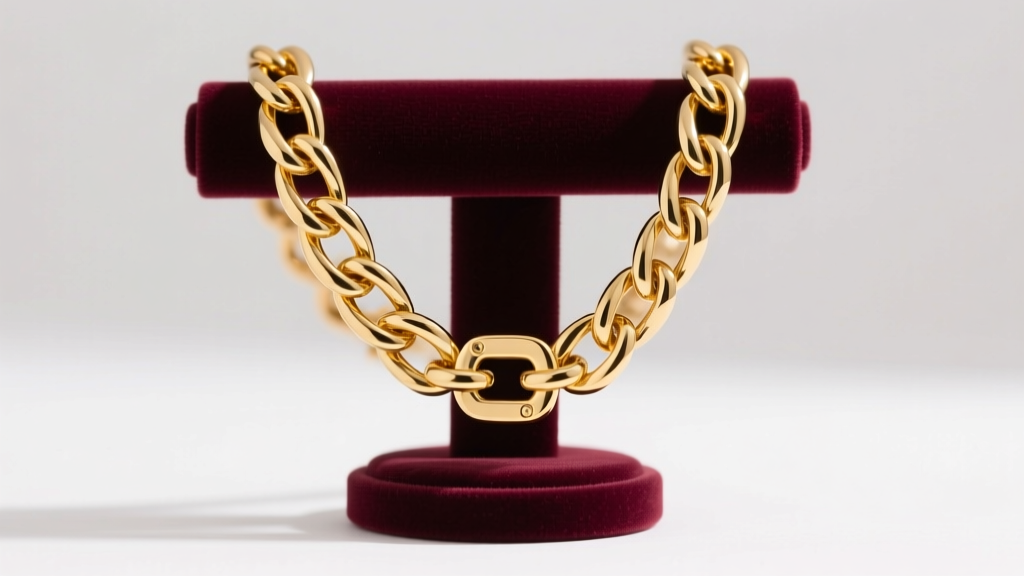
Managing Metal Fatigue and Clasp Failure
Standard lobster clasps are typically rated for a maximum dynamic load of 30 to 40 grams. Hanging a 100-gram iced-out pendant on a lobster clasp is a recipe for losing your jewelry. For heavy pendants, you must upgrade to a box clasp with a figure-8 safety catch or a reinforced screw-barrel clasp. Furthermore, chains like the classic Cuban link or the interlocking Franco chain are prone to metal fatigue at the hinge points if stored improperly. Never sleep in your heavy chains, as the tossing and turning creates lateral torsion that warps the links. When not wearing the piece, hang it vertically on a padded jewelry stand to allow gravity to keep the links aligned and prevent kinking.
When to See a Professional Jeweler
While home maintenance keeps your necklace looking brilliant, it cannot replace professional structural inspections. The Jewelers Vigilance Committee recommends having high-value jewelry inspected by a certified bench jeweler at least once a year. If your Rod Wave necklace is solid gold and diamond, a jeweler will use a microscope to check for lifted prongs, worn gallery wires, and microscopic stress fractures in the bail (the loop connecting the pendant to the chain). Catching a worn prong before a VVS diamond falls out is the difference between a $50 repair bill and a devastating financial loss.
Conclusion
Owning a Rod Wave necklace—whether it is a bespoke diamond masterpiece or a meticulously crafted PVD-plated replica—is an investment in a bold cultural aesthetic. By understanding the specific material composition of your piece, avoiding harsh DIY chemicals, utilizing the baby-toothbrush soap soak method, and respecting the weight limits of your chain hardware, you can ensure your pendant retains its maximum scintillation and structural integrity for years to come. Treat your jewelry with the same respect you have for the music that inspired it, and it will continue to shine just as brightly.


