How to Clean and Care for Your Sterling Silver Beaded Necklace
Learn expert techniques to clean, polish, and store your sterling silver beaded necklace to prevent tarnish and protect delicate gemstone beads.

The Chemistry of Tarnish: Why Silver and Beads React
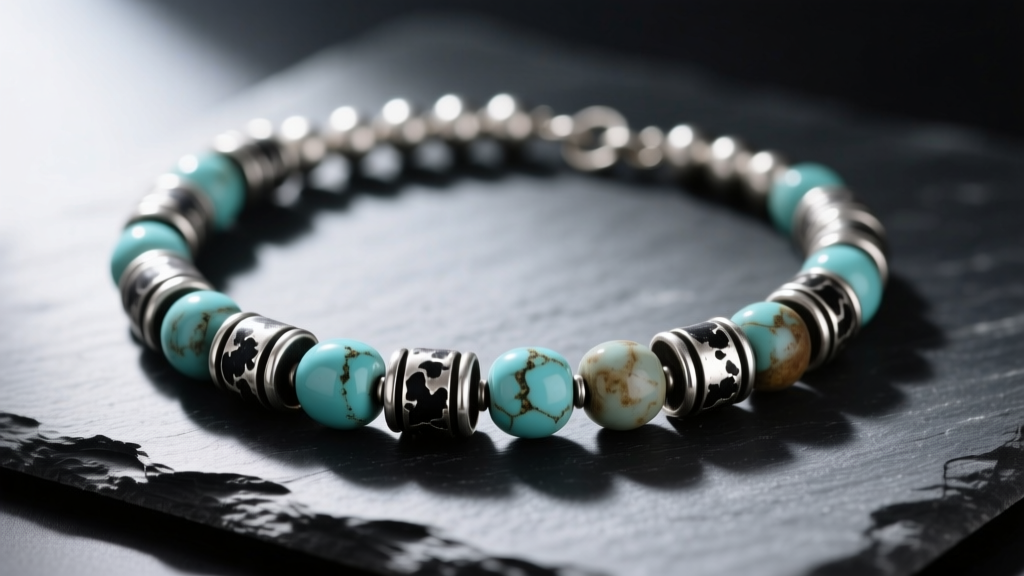
A sterling silver beaded necklace is a masterpiece of mixed media, combining the luminous reflectivity of .925 silver with the organic or crystalline beauty of gemstone beads. However, this combination creates unique maintenance challenges. Sterling silver is an alloy composed of 92.5% pure silver and 7.5% copper. It is the copper content that makes the metal susceptible to tarnish. When copper reacts with sulfur compounds in the air, it forms silver sulfide (Ag2S), a blackish film that dulls the metal's shine.
According to metallurgical experts at Rio Grande, environmental factors such as high humidity, airborne pollutants, and even the natural oils and acidity of your skin can accelerate this oxidation process. When your necklace features porous beads like turquoise, pearls, or coral, the cleaning process becomes significantly more complex. Harsh chemical dips that easily strip tarnish from plain silver chains will permanently ruin the matrix of a turquoise bead or dissolve the nacre of a pearl. Therefore, a nuanced, multi-step approach is required to maintain both the metal and the stones.
Essential Cleaning Toolkit for Mixed-Material Necklaces
Before you begin cleaning your sterling silver beaded necklace, assemble a specialized toolkit. Avoid commercial silver dips, ultrasonic cleaners, and abrasive pastes, as these are notorious for damaging delicate bead finishes and degrading stringing materials.
- Distilled Water: Tap water contains chlorine and dissolved minerals that can leave hard water spots on polished silver and seep into porous stones.
- pH-Neutral Dish Soap: A mild, phosphate-free liquid soap (like original Dawn) provides gentle surfactant action without altering the chemical balance of sensitive gems.
- Baby Bristle Toothbrush: The ultra-soft bristles are necessary for agitating dirt out of silver crevices without scratching softer beads like fluorite or malachite.
- Lint-Free Microfiber Cloths: Essential for drying and buffing the silver components without leaving behind fibers that can catch on wire wrapping or crimp beads.
- Untreated Flannel Polishing Cloth: Used strictly for the silver spacer beads and clasps after the necklace is completely dry.
What to Avoid at All Costs
Never use baking soda and aluminum foil baths on a beaded necklace. While this electrochemical reaction is excellent for solid silver chains, the alkaline solution can etch the surface of opals, dry out pearls, and weaken the nylon or wire used for stringing. Similarly, avoid toothpaste, which contains hydrated silica—a mild abrasive that will leave micro-scratches on both your silver and your polished gemstones.
Step-by-Step Deep Cleaning Protocol
Follow this meticulous protocol to safely restore your sterling silver beaded necklace without compromising the structural integrity of the stringing or the finish of the stones.
Step 1: Structural Inspection
Before introducing any moisture, inspect the necklace under a bright light. Check the crimp beads or wire loops at the clasp for signs of fraying, metal fatigue, or slipping. If the internal wire is exposed or the nylon thread looks fuzzy, do not wash the necklace; it requires professional restringing.
Step 2: The Lukewarm Bath
Fill a glass bowl with lukewarm distilled water and add two drops of pH-neutral dish soap. Submerge the necklace for no more than three to five minutes. This brief soak is enough to loosen skin oils and environmental dust from the silver spacers and bead holes.
Step 3: Targeted Agitation
Lift the necklace from the water. Using the baby bristle toothbrush, gently brush the sterling silver clasp, jump rings, and any silver spacer beads. Avoid aggressively scrubbing the gemstone beads themselves; simply wipe them with your fingertips. Pay special attention to the areas where the silver caps meet the beads, as dirt accumulates heavily in these recesses.
Step 4: The Distilled Rinse
Rinse the necklace thoroughly under a gentle stream of distilled water to remove all soap residue. Soap film will dry as a cloudy layer on your silver and gemstones, defeating the purpose of the cleaning process.
Step 5: Controlled Drying and Buffing
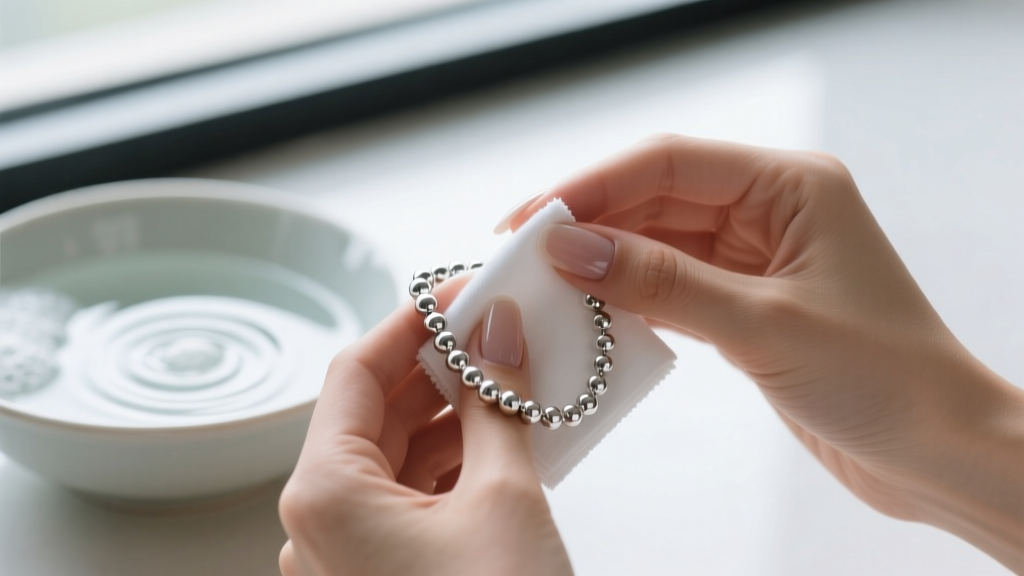
Lay the necklace flat on a dry microfiber cloth. Pat it gently to absorb excess moisture, then allow it to air dry completely in a low-humidity room. Once bone-dry, use your untreated flannel cloth to vigorously buff only the sterling silver components until they regain their high-polish luster.
Gemstone-Specific Care Matrix
The Gemological Institute of America (GIA) categorizes gemstones by their hardness and porosity, which dictates how they interact with cleaning agents. Use the matrix below to determine how to handle the specific beads on your sterling silver necklace.
| Gemstone Bead Type | Porosity & Hardness | Safe Cleaning Method | Ultrasonic / Steam Safe? |
|---|---|---|---|
| Turquoise, Coral, Lapis Lazuli | Highly Porous / Soft (Mohs 3-6) | Damp cloth wipe only; no soaking. | Absolutely Not |
| Pearl, Amber | Organic / Very Soft (Mohs 2.5-4) | Dry microfiber; occasional damp wipe. | Absolutely Not |
| Amethyst, Citrine, Garnet | Non-Porous / Hard (Mohs 7-7.5) | Soapy distilled water soak; soft brush. | Generally Safe (with caution) |
| Agate, Onyx, Jade | Microcrystalline / Tough (Mohs 6.5-7) | Soapy distilled water soak; soft brush. | Safe |
| Opal (Solid) | Hydrated Silica / Fragile (Mohs 5.5-6.5) | Damp cloth only; avoid extreme heat. | Absolutely Not |
Proper Storage to Halt Oxidation
Cleaning your sterling silver beaded necklace is only half the battle; proper storage is what prevents you from having to clean it frequently. The goal of storage is to eliminate the three catalysts for silver sulfide formation: moisture, sulfur, and oxygen.
Never store your necklace in a standard cardboard jewelry box or draped over a wooden valet stand. Wood and cardboard emit acidic vapors that accelerate tarnishing. Furthermore, hanging a heavy beaded necklace can cause the internal stringing wire to stretch or develop permanent kinks over time.
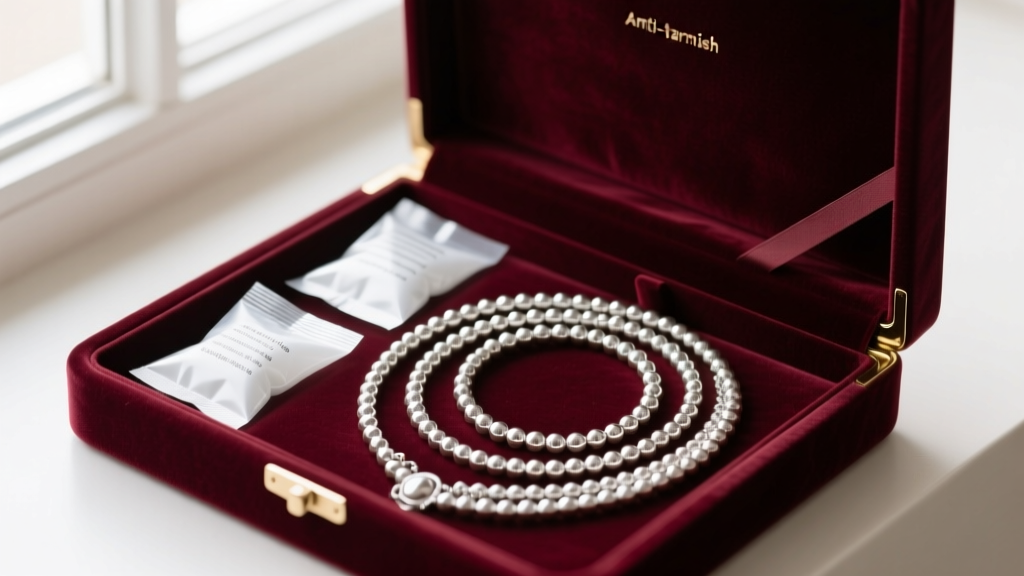
Instead, coil the necklace loosely into a figure-eight shape to prevent tangling and place it inside a high-quality, airtight polyethylene ziplock bag. Before sealing the bag, introduce two protective elements:
- Anti-Tarnish Strips: These small paper strips contain copper or zinc particles that act as sacrificial metals, absorbing airborne sulfur before it can reach your sterling silver. Replace these strips every six months.
- Silica Gel Packets: A simple desiccant packet will keep the relative humidity inside the bag below 50%, effectively halting the moisture-dependent oxidation process.
For an extra layer of protection, wrap the silver clasp and spacer beads in a piece of Pacific Silvercloth before placing the necklace in the plastic bag. This specialized flannel is embedded with microscopic silver particles that capture tarnish-causing gases.
Restringing and Wire Maintenance
Even with impeccable cleaning and storage, the physical stringing material of a beaded necklace will eventually degrade. The friction of heavy gemstone beads rubbing against the internal wire during wear will slowly compromise the metal's integrity.
If your sterling silver beaded necklace feels stiff, or if you notice a gap between the crimp bead and the clasp, it is time for a restring. Professional jewelers typically use a 49-strand stainless steel wire coated in nylon, such as the Soft Flex brand. For most medium-weight gemstone beads, a 0.018-inch gauge provides the perfect balance of drape and tensile strength. Heavier beads, like large lapis lazuli or thick agate discs, require a 0.024-inch gauge to prevent the wire from bowing or snapping under the necklace's own weight.
When restringing, ensure that the jeweler uses high-quality sterling silver or gold-filled crimp tubes rather than base metal crimp beads. Base metal crimps can oxidize internally, staining the nylon coating of the wire and eventually causing it to fail. By combining meticulous cleaning habits with proactive structural maintenance, your sterling silver beaded necklace will remain a vibrant, wearable heirloom for decades.


