Restore Your Sterling Silver Circle Necklace: Expert Care Guide
Discover expert cleaning and care tips for your sterling silver circle necklace. Learn how to remove tarnish, polish, and store .925 silver.

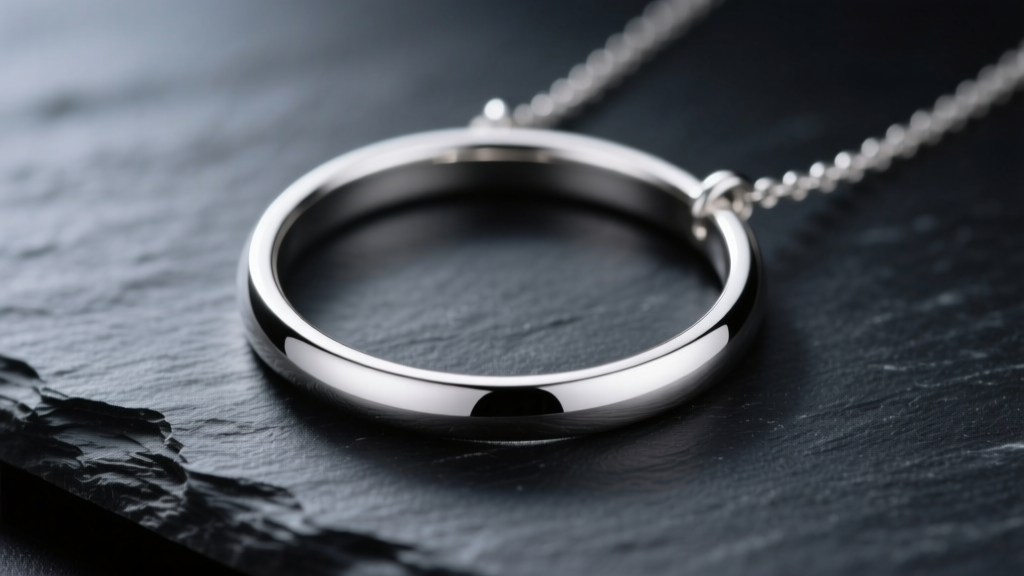
The Enduring Appeal and Vulnerability of .925 Silver
The sterling silver circle necklace is a masterclass in minimalist jewelry design. Representing unity, infinity, and wholeness, the unbroken circle pendant is a staple in both casual and formal wardrobes. However, the very material that gives this piece its brilliant luster and accessible price point—sterling silver—also carries an inherent vulnerability. To properly care for your jewelry, you must first understand the metallurgy of the piece you are wearing.
Pure silver, known as fine silver or .999 silver, is highly resistant to tarnish. Unfortunately, it is also far too soft to be used for durable everyday jewelry; a fine silver circle pendant would easily bend, warp, or scratch out of shape. To solve this, metallurgists alloy pure silver with other metals, most commonly copper, to create .925 sterling silver. This grade consists of 92.5% pure silver and 7.5% copper (or occasionally zinc). While this alloy provides the necessary tensile strength for delicate chains and sturdy pendant bails, the copper is the exact culprit responsible for tarnish.
The Chemistry of Tarnish: Why Your Necklace Darkens
Tarnish is not a sign of poor quality or fake metal; it is a natural chemical reaction. When the copper in your sterling silver circle necklace is exposed to moisture and sulfur compounds in the air, it undergoes a reaction that forms silver sulfide (Ag₂S). This compound manifests as a dull, yellowish, brown, or eventually black film on the surface of your jewelry.
According to the Gemological Institute of America (GIA), environmental factors drastically accelerate this process. High humidity, airborne pollutants, and even the natural pH and sulfur content of your own sweat can cause a sterling silver piece to tarnish in a matter of days. Understanding this chemistry is the first step in moving from reactive cleaning to proactive preservation.
Daily Wear Protocols: The "Last On, First Off" Rule

Prevention is vastly superior to restoration. To minimize the frequency of deep cleanings, adopt the "Last On, First Off" rule. Your sterling silver circle necklace should be the very last item you put on when getting dressed, and the first item you take off when returning home.
Environmental and Chemical Hazards
- Perfumes and Lotions: Aerosolized fragrances and body creams contain alcohols and synthetic oils that leave a microscopic film on the broad, flat surface of a circle pendant, dulling its mirror finish.
- Chlorine: Never wear your necklace in a swimming pool or hot tub. Chlorine does not just tarnish silver; it causes pitting, a permanent form of corrosion that eats away at the metal's surface, leaving it rough and irreparably damaged.
- Latex: Avoid handling latex gloves or rubber bands while wearing your necklace. Latex contains high levels of sulfur, which will cause immediate and aggressive blackening of the silver.
The Electrochemical Reduction Bath: A Deep Clean
When your circle pendant has developed a uniform layer of dark tarnish, mechanical polishing can remove microscopic layers of silver over time. Instead, jewelers and conservators recommend an electrochemical reduction bath. This method reverses the tarnish reaction, converting silver sulfide back into pure silver without removing any of the base metal.
"The aluminum foil bath is a redox reaction. The aluminum acts as a sacrificial anode, pulling the sulfur away from the silver and binding it to itself. It is the safest way to clean intricate jewelry without abrasive damage." — Master Bench Jeweler
Step-by-Step Instructions
- Line the bottom of a glass or ceramic bowl with aluminum foil, shiny side facing up. (Do not use a metal bowl, as it will interfere with the galvanic cell).
- Boil enough water to completely submerge your necklace.
- Place the tarnished sterling silver circle necklace into the bowl, ensuring the metal is in direct physical contact with the aluminum foil.
- Add 1 tablespoon of baking soda and 1 tablespoon of kosher salt per cup of water. Carefully pour the boiling water into the bowl.
- Allow the necklace to soak for 2 to 5 minutes. You may notice a slight sulfurous smell—this means the reaction is working.
- Remove the necklace with wooden or plastic tongs, rinse thoroughly under warm distilled water, and pat completely dry with a lint-free microfiber cloth.
Warning: Never use this method if your circle pendant features gemstone inlays (like turquoise, opal, or pearls), as the boiling water and alkaline solution can fracture the stones or dissolve the adhesive.
Comparing Silver Cleaning Methods
Not all cleaning methods are created equal. Commercial silver dips, while fast, often contain harsh thiourea-based acids that strip the metal and leave a porous surface that tarnishes even faster in the future. Below is a professional comparison of common maintenance techniques.
| Method | Mechanism | Best Use Case | Risk Level |
|---|---|---|---|
| Electrochemical Bath | Redox Reaction | Heavy, even tarnish on bare metal | Low (Gem-safe: No) |
| Treated Polishing Cloths | Micro-abrasion & Chemical | Light smudges, daily maintenance | Very Low |
| Commercial Liquid Dips | Acid Stripping | Severe neglect, antique restoration | High (Strips patina) |
| Ultrasonic Cleaners | Acoustic Cavitation | Diamond-set pendants, heavy grime | Medium (Loosens settings) |
Chain Maintenance vs. Pendant Care
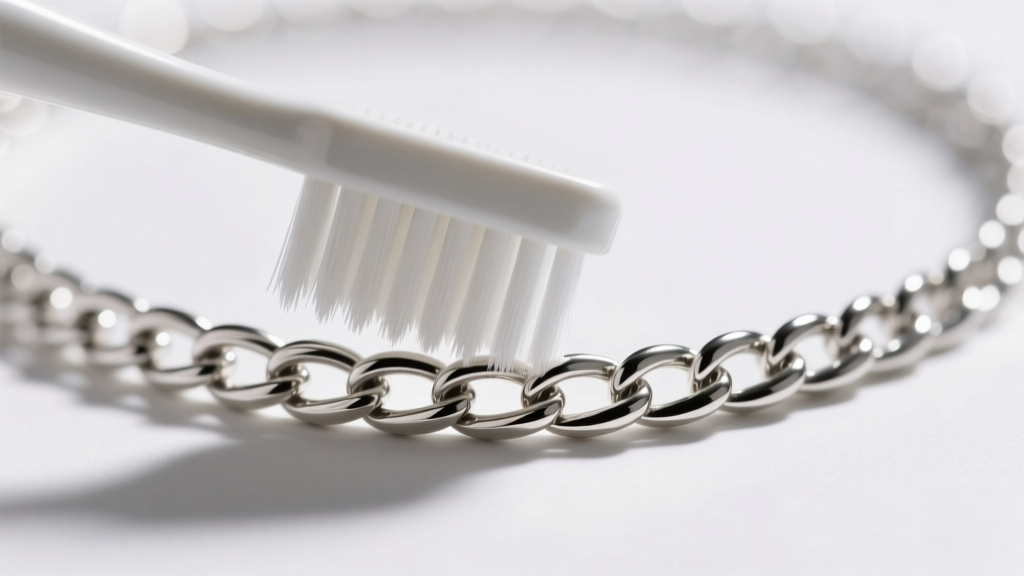
A sterling silver circle necklace consists of two distinct structural elements that require different cleaning approaches: the broad surface of the pendant and the articulated links of the chain.
Caring for the Circle Pendant
The flat surface of a circle pendant acts as a canvas for micro-scratches. Never use toothpaste or baking soda pastes to scrub the pendant. These substances contain abrasive silica particles that will create a web of cross-hatched micro-marring, permanently ruining the mirror polish. For light fingerprints and daily smudges, use a high-quality jeweler's cloth impregnated with micro-abrasives and anti-tarnish agents, such as a Sunshine cloth. Polish in a single, linear direction rather than in circles to minimize the visibility of any unavoidable micro-wear.
Caring for the Chain
While the pendant shows tarnish, the chain traps sebum, dead skin cells, and soap scum. If your necklace features a box chain, the flat interlocking surfaces act as magnets for skin oils. If it is a cable chain, grime accumulates inside the soldered jump rings. To clean the chain, mix a few drops of mild, phosphate-free dish soap into lukewarm water. Use a soft-bristled baby toothbrush to gently agitate the links. Rinse thoroughly and dry immediately with a hairdryer on a cool setting to prevent water spots from forming in the crevices.
Long-Term Storage: Halting Oxidation
How you store your sterling silver circle necklace when it is not being worn dictates how much maintenance it will require. According to the Birmingham Assay Office, controlling the micro-climate of your jewelry storage is the most effective way to halt oxidation.
- Avoid the Bathroom: Never store silver in a bathroom medicine cabinet. The extreme fluctuations in humidity and the presence of sulfur-based personal care products create a highly corrosive environment.
- Use Anti-Tarnish Strips: Place a 3M anti-tarnish tab in your jewelry box. These strips absorb airborne sulfides before they can reach your silver, lasting for up to 12 months in an enclosed space.
- Pacific Silvercloth: For long-term storage, wrap your necklace in Pacific Silvercloth. This specialized flannel is embedded with microscopic silver particles that act as a sacrificial shield, intercepting and neutralizing sulfur gases.
- Silica Gel Packets: If storing in a zip-top plastic bag, ensure the bag is made of polyethylene (avoid PVC, which can off-gas damaging chemicals) and include a small silica gel packet to maintain a low-humidity environment.
When to Seek Professional Help
While home maintenance is sufficient for 95% of care needs, there are times when professional intervention is required. If the clasp's jump ring (which should be at least 20-gauge for structural integrity) becomes stretched or if the bail connecting the circle pendant to the chain shows signs of metal fatigue, take the piece to a bench jeweler. Furthermore, if your necklace features deep engraving or intentional oxidized patinas (blackened recesses for contrast), avoid the electrochemical bath entirely, as it will strip the dark detailing. A professional jeweler can perform a localized ultrasonic cleaning and a gentle hand-buff for typically $35 to $75, restoring the piece to its original factory condition without compromising the design's integrity.


