The Bail of a Necklace: A Beginner's Guide to Pendant Connectors
Discover what the bail of a necklace is, explore different bail types, learn how to match them to chains, and find expert repair tips.

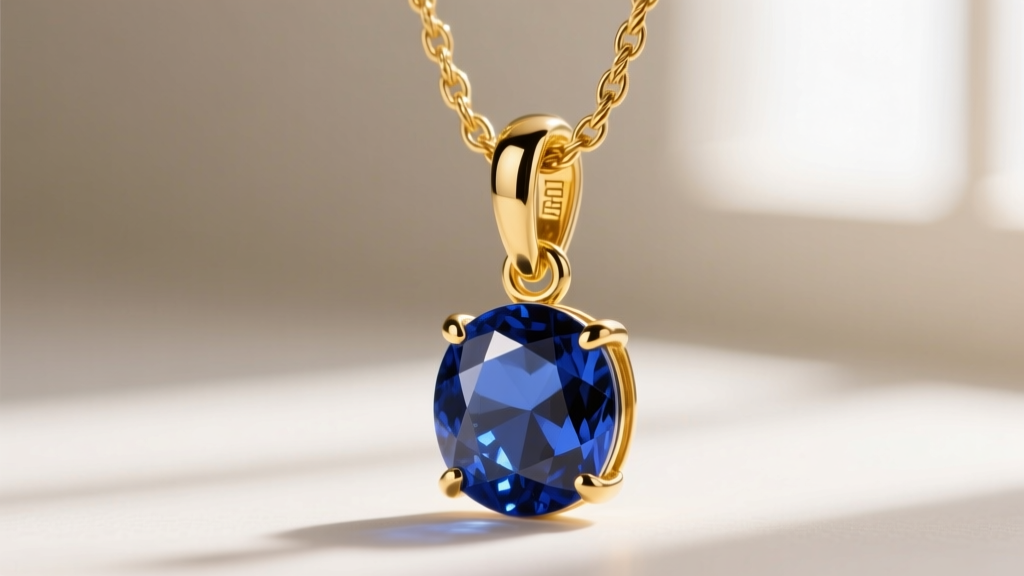
What Exactly Is the Bail of a Necklace?
When most people admire a beautiful pendant necklace, their eyes are immediately drawn to the gemstone, the intricate metalwork, or the sparkle of the diamonds. However, the true unsung hero of any pendant necklace is a tiny, often overlooked component: the bail. Simply put, the bail of a necklace is the connector piece that attaches the pendant to the chain. Without it, your favorite pendant would simply slide off the chain or require permanent, inflexible soldering.
Understanding the mechanics, materials, and styles of bails is crucial for anyone looking to build a versatile jewelry collection, design custom pieces, or simply repair a broken favorite. In this comprehensive beginner-friendly explainer, we will break down everything you need to know about necklace bails, from sizing compatibility to material friction and troubleshooting common failures.
The Anatomy of a Pendant Connection
To understand the bail, you must first understand the mechanics of a pendant connection. A standard necklace setup consists of three primary components:
- The Chain: The flexible metal rope that goes around the neck. Chains vary wildly in thickness, typically measured in millimeters (mm) or gauge.
- The Bail: The transitional finding that features a top loop (to accommodate the chain) and a bottom mechanism (to secure the pendant).
- The Pendant Loop or Hole: The physical opening on the pendant itself. This might be a soldered jump ring, a drilled hole through a gemstone, or a flat back for adhesive.
The critical point of failure in this system is almost always the bail. Because it acts as the hinge between the static weight of the pendant and the dynamic movement of the chain, it experiences continuous friction and mechanical stress. According to the Gemological Institute of America (GIA), understanding how findings interact with gemstones and metals is essential for preserving the longevity of fine jewelry.
5 Common Types of Necklace Bails Explained
Not all pendants are created equal, and therefore, not all bails are the same. Jewelry suppliers like Rio Grande categorize bails based on how they interface with the pendant. Here are the five most common types you will encounter:
1. Standard Loop Bail
This is the most traditional and widely used bail. It consists of a top loop for the chain and a bottom loop that connects to a jump ring on the pendant. They are often soldered directly to the top of a metal pendant or attached via a small split ring. Standard loop bails are incredibly durable and allow the pendant to swing freely, catching the light from multiple angles.
2. Glue-On Pad Bail
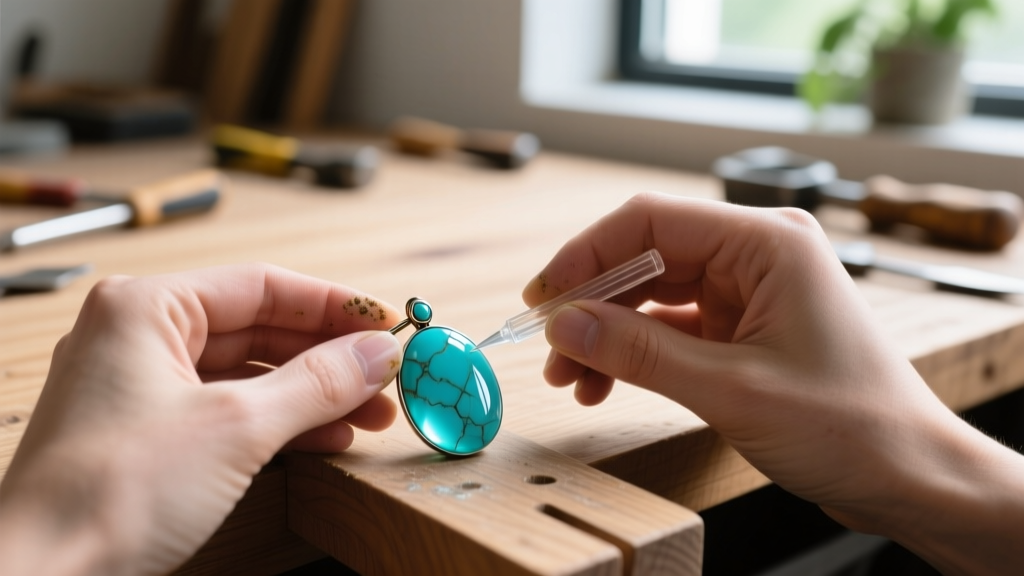
Designed specifically for cabochons (flat-backed, polished gemstones) or glass pieces, glue-on bails feature a flat metal pad with a loop extending from the top. They rely on jewelry adhesives rather than metalwork. Expert Tip: Never use standard cyanoacrylate (Super Glue) for these, as it dries brittle and shatters under impact. Always use a two-part jeweler's epoxy or a flexible adhesive like E6000, and lightly score the metal pad with sandpaper before gluing to increase surface adhesion.
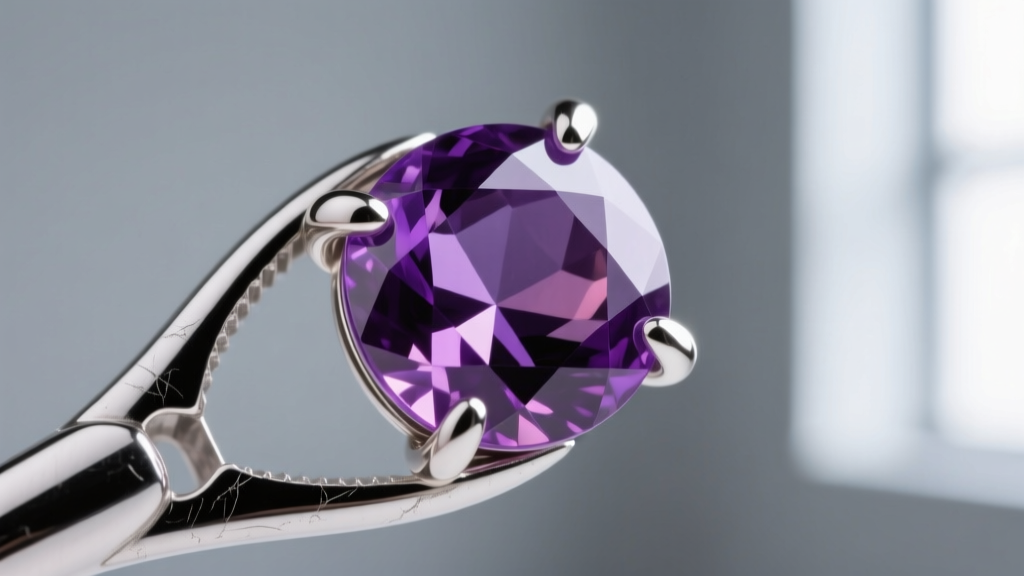
3. Pinch Bail
Pinch bails are a favorite for faceted gemstones that have a top-drilled hole. The bail features two small metal prongs that are squeezed into the hole of the stone. The tension of the metal holds the bail in place. Warning: Pinch bails should only be used on stones with a Mohs hardness of 7 or higher (like quartz, sapphire, or diamond). The outward pressure of the prongs can easily fracture softer stones like opal, turquoise, or lapis lazuli.
4. Hidden or Tube Bail
If you want the illusion that a pendant is floating directly on the chain, a hidden bail is the solution. A hollow metal tube is soldered horizontally across the back of the pendant. The chain threads directly through this tube. While aesthetically stunning, hidden bails restrict the pendant's movement and require a chain flexible enough to thread through a straight, rigid cylinder.
5. Screw-Top or Threaded Bail
Used primarily for large, vertically drilled beads (like pearls or onyx drops), screw-top bails feature a threaded metal pin that twists into a corresponding cap. This creates an incredibly secure, mechanical lock that prevents heavy beads from slipping off the finding.
Sizing and Compatibility: Matching Bails to Chains
One of the most common mistakes beginners make is buying a beautiful pendant with a bail that is too small for their favorite chain. The Inner Diameter (ID) of the bail's top loop must comfortably clear the thickness of the chain, including the clasp. If the bail is too tight, it will cause excessive friction, eventually sawing through the metal.
| Chain Type | Typical Thickness / Gauge | Minimum Recommended Bail Inner Diameter (ID) |
|---|---|---|
| Delicate Cable Chain | 0.8mm - 1.2mm | 2.5mm - 3.0mm |
| Standard Box Chain | 1.2mm - 2.0mm | 3.5mm - 4.5mm |
| Rope or Wheat Chain | 2.0mm - 3.5mm | 5.0mm - 6.0mm |
| Solid Snake Chain | 3.0mm - 5.0mm | 6.5mm or larger |
Always measure the chain at its thickest point—usually the lobster clasp or the end rings—to ensure the bail can pass over it during assembly.
Material Matters: Friction, Wear, and Tear
The inside curve of the bail's top loop is a high-friction zone. As you walk and move, the chain constantly saws back and forth against this interior surface. Because of this, the material of the bail is just as important as its size.
Gold-Filled and Gold-Plated Bails: While economical, gold-filled bails (typically 14/20) have a finite layer of gold. A heavy pendant on a steel or thick silver chain can wear through the gold layer in 12 to 18 months of daily wear, exposing the brass core underneath. Once exposed, the brass will oxidize and can turn your skin green.
Solid Gold and Platinum: For heavy pendants (over 15 grams) or daily-wear pieces, solid 14k gold, 18k gold, or platinum is mandatory. These solid metals will develop a smooth, polished patina on the inside of the loop over time, reducing friction rather than wearing away.
Sterling Silver: A great middle-ground, though it is softer than gold. If you are pairing a sterling silver bail with a harder chain (like stainless steel), the steel will slowly act like a file, wearing down the silver over several years.
Troubleshooting: How to Fix a Broken Bail
Bail failure is a common jewelry repair. Here is how to handle the two most frequent issues:
- The Glue-On Bail Popped Off: Do not simply re-glue it over the old residue. Use a brass brush and acetone to completely remove the old adhesive from both the stone and the metal pad. Score the metal pad lightly with a needle file, apply a fresh batch of two-part epoxy, and clamp it gently with a padded jeweler's clip for 24 hours.
- The Loop Wore Thin and Snapped: If a standard metal bail has worn through due to chain friction, it cannot be safely soldered back together at the stress point. The metal has been fatigued. A jeweler will typically cut off the old bail entirely and solder on a new, slightly heavier-gauge replacement bail.
Final Thoughts on Choosing the Right Connector
The bail of a necklace may be small, but it dictates the functionality, safety, and drape of your entire piece. By paying attention to the inner diameter, selecting the right attachment method for your specific gemstone, and choosing a metal that can withstand daily friction, you can ensure your pendants remain secure and beautiful for a lifetime. Whether you are threading a delicate cable chain through a hidden tube bail or securing a heavy sapphire with a solid 14k loop, understanding these mechanics transforms you from a casual jewelry wearer into an informed collector.


