Choosing the Right Metal for Your Dainty Charm Necklace
Discover the best metals for a dainty charm necklace. Compare solid gold, vermeil, and sterling silver for durability, pricing, and skin safety.

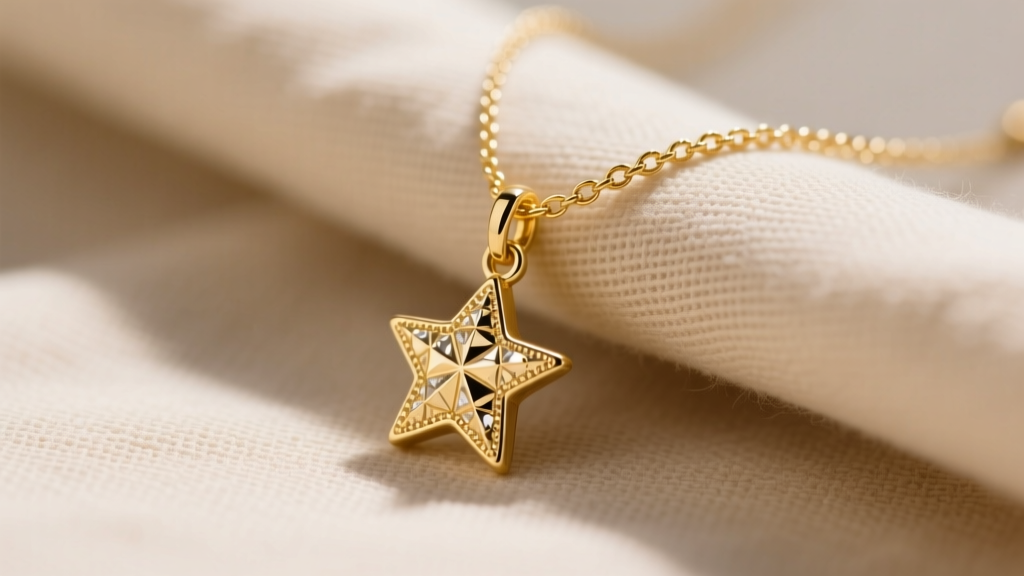
The Anatomy of a Dainty Charm Necklace
When jewelers and collectors refer to a 'dainty' piece, they are describing specific physical parameters, not just an aesthetic vibe. A true dainty charm necklace features a chain width between 0.8mm and 1.2mm, and a pendant or charm that weighs no more than 0.5 to 2.5 grams. While these dimensions create an elegant, barely-there silhouette, they introduce significant metallurgical challenges. Thin chains possess inherently low tensile strength. For instance, a standard 1.0mm 14k gold cable chain can withstand roughly 3 to 5 pounds of tensile force before the links begin to permanently stretch or snap. Because the margin for error is so small, the material composition of your necklace dictates its lifespan, making material selection the most critical decision in your purchase.
Material Showdown: Solid Gold vs. Vermeil vs. Silver
The market is saturated with options, but understanding the atomic and structural differences between these metals will save you from premature breakage and skin irritation.
Solid 14k Gold: The Durability Standard
Composed of 58.5% pure gold alloyed with metals like copper, silver, and zinc, 14k gold is the undisputed champion for delicate jewelry. According to the Gemological Institute of America (GIA), the alloying process gives 14k gold a Vickers hardness (HV) of approximately 130. This makes it vastly superior to 18k gold (which sits around 110 HV and is much softer). For a dainty chain that will be subjected to the pulling, tugging, and friction of daily wear, 14k gold resists elongation and maintains its structural integrity far longer than higher-karat alternatives.
Gold Vermeil: The Budget Compromise
Gold vermeil is not mere gold plating. By legal definition, it must consist of a sterling silver base coated with a minimum of 2.5 microns of gold. While it offers the look of solid gold at a fraction of the price, it has a distinct failure mode in dainty designs. The highest friction points on any necklace are the jump rings, the clasp mechanism, and the links resting against the collarbone. On a thin 0.9mm chain, daily friction will wear through the 2.5-micron gold layer in 6 to 14 months, exposing the silver core beneath, which will rapidly oxidize and turn black when exposed to the sulfur in your skin's natural oils.
Sterling Silver (925): The Tarnish Trap
Sterling silver is 92.5% pure silver and 7.5% copper. The copper provides necessary rigidity but makes the metal highly susceptible to tarnishing. To combat this, manufacturers often plate dainty silver chains with rhodium. While rhodium is brilliant and highly scratch-resistant, it is also brittle. When applied to a flexible, ultra-thin chain, the rhodium layer will micro-crack over time as the chain bends, leading to a flaking, dull appearance that cannot be polished out without stripping the plating entirely.
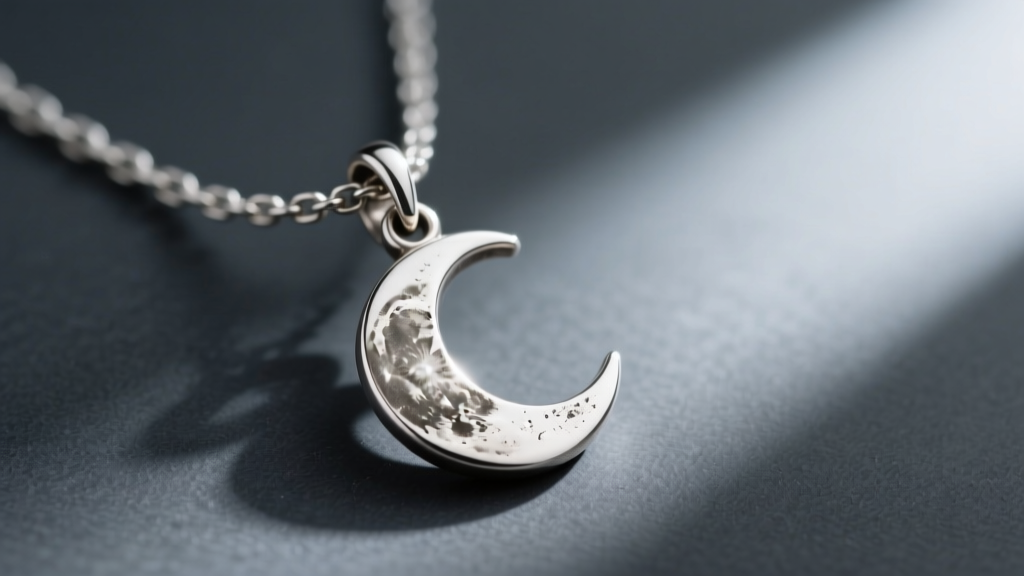
Chain Gauge and Clasp Mechanics for Delicate Pendants
The material is only half the battle; the architectural style of the chain and the mechanics of the clasp determine whether your dainty charm necklace survives its first year.
Chain Link Architecture
- Cable Chains: The gold standard for dainty pieces. The simple, uniform oval links distribute tensile stress evenly across the entire chain, making it highly resistant to snapping.
- Box Chains: While they offer a modern, geometric look, box chains are notorious for failing at gauges under 1.2mm. The 90-degree angles create weak points at the solder joints, and once a single link kinks, the structural integrity of the surrounding links is compromised.
- Rolo Chains: Generally too heavy and thick for a truly dainty aesthetic, and the wide gaps between links can easily catch on fine fabrics or hair.
The Clasp Conundrum
A standard 12mm lobster clasp weighs approximately 1.5 grams. On a delicate 16-inch, 0.9mm chain that weighs only 2.5 grams in total, the clasp creates a severe weight imbalance. This causes the necklace to constantly slide to the back of your neck. To solve this, opt for a 9mm mini-lobster clasp or a high-quality neodymium magnetic clasp, which provides ease of use without the heavy metal penalty.
Tarnish, Allergies, and Long-Term Wearability
Because a dainty charm necklace sits directly against the pulse point of the neck, it is constantly exposed to sweat, perfumes, and body heat. This environment accelerates chemical reactions in base metals and alloys.
The Federal Trade Commission (FTC) Jewelry Guides mandate that if a product contains nickel, it must be disclosed, as nickel is the leading cause of contact dermatitis in jewelry wearers. Always verify the alloy composition of white gold pieces.
— Federal Trade Commission (FTC) Jewelry Guides
If you are considering 14k white gold for your dainty necklace, be aware that it is often alloyed with nickel to achieve a white color. For a piece worn daily against sensitive neck skin, seek out palladium-alloyed white gold. Palladium is hypoallergenic and provides a naturally white color without the need for frequent rhodium re-plating, though it typically commands a 15% to 20% price premium over nickel-alloyed white gold.
Material Comparison Matrix
| Material | Composition | Hardness (HV) | Est. Price (16" Chain) | Best Use Case |
|---|---|---|---|---|
| Solid 14k Yellow Gold | 58.5% Gold, Copper/Zinc | ~130 HV | $180 - $350 | Everyday, lifetime wear |
| Solid 18k Yellow Gold | 75% Gold, Copper/Silver | ~110 HV | $300 - $600 | Occasional wear, luxury |
| Gold Vermeil | 925 Silver + 2.5μ Gold | ~90 HV (Core) | $60 - $120 | Trend-driven, light wear |
| Rhodium-Plated Silver | 925 Silver + Rhodium | ~90 HV (Core) | $40 - $90 | Budget-friendly, dry climates |
| Platinum (950) | 95% Platinum, 5% Ruthenium | ~135 HV | $600 - $1,200 | Heirloom, ultra-durable |
Care Protocols to Prevent Micro-Abrasions
Maintaining a dainty necklace requires a departure from standard jewelry cleaning routines. The thin profiles of these chains make them highly vulnerable to improper care.
- Ban the Ultrasonic Cleaner: Never put a gold vermeil or rhodium-plated dainty chain into an ultrasonic cleaner. The cavitation bubbles generated by high-frequency sound waves will aggressively strip the microscopic plating layers from the base metal, particularly at the high-friction contact points of the links.
- Ditch the Polishing Cloths: Commercial silver polishing cloths are embedded with mild abrasives designed to remove tarnish. On a dainty chain, these abrasives will act like sandpaper, slowly grinding away the outer layer of the metal and thinning the already delicate links.
- The Baby Toothbrush Method: The safest way to clean a dainty charm necklace is to soak it in a bowl of warm water with a drop of mild, phosphate-free dish soap for five minutes. Gently agitate the chain using a soft-bristled baby toothbrush to dislodge sebum and lotion buildup from inside the tiny links, then rinse with distilled water and pat dry with a microfiber cloth.
- Proper Storage: Never coil a dainty chain into a tight circle and toss it into a jewelry box. This guarantees kinks, especially in box or snake chains. Always hang the necklace from a dedicated jewelry stand or lay it completely flat and straight in a lined drawer.
Final Verdict: Investing in Your Everyday Piece
When selecting a dainty charm necklace, you are balancing the desire for a delicate aesthetic with the harsh realities of metallurgy and physics. If your budget allows, solid 14k gold remains the undisputed best choice for chains under 1.2mm. Its superior tensile strength, resistance to tarnish, and hypoallergenic properties ensure that your delicate piece will survive the rigors of daily wear without stretching, snapping, or turning your skin green. For those on a stricter budget, gold vermeil offers a beautiful temporary alternative, provided you accept that the thin gold layer will eventually require professional re-plating to maintain its luster. By understanding the exact material properties and mechanical limitations of your jewelry, you can choose a piece that is not only visually stunning but structurally sound for years to come.


