Kenneth Jay Lane Lion Necklace: Material Analysis & Care Guide
Explore the material properties of the Kenneth Jay Lane lion necklace, comparing gold-plated brass, enamel, and crystals to fine jewelry.

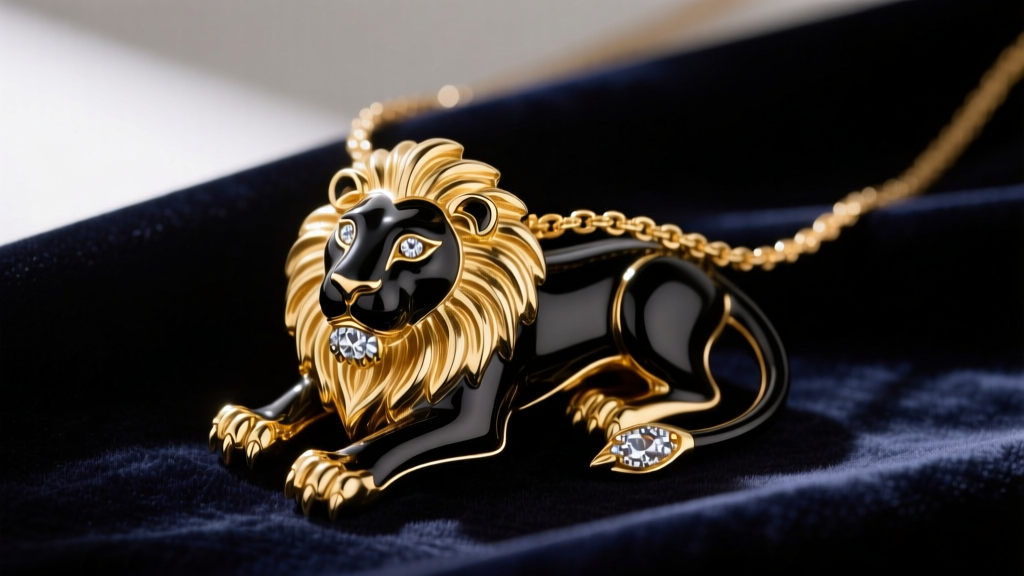
The Kenneth Jay Lane lion necklace remains one of the most iconic motifs in the history of American costume jewelry. First popularized during the bold, maximalist fashion movements of the 1960s and later revived in the 1990s, the lion head pendant symbolizes power and opulence. However, as collectors and stylists in 2026 increasingly evaluate vintage pieces through the lens of material longevity and intrinsic properties, understanding the exact metallurgical and chemical composition of these necklaces is critical. Unlike fine jewelry crafted from solid precious metals, Kenneth Jay Lane (KJL) pieces rely on advanced electroplating, cold enameling, and precision-set crystal work. This guide provides a deep-dive material analysis of the KJL lion necklace, comparing its properties to fine jewelry alternatives and offering expert restoration protocols.
The Anatomy of a Kenneth Jay Lane Lion Necklace
To properly care for or authenticate a vintage KJL piece, one must first understand the layered manufacturing techniques that give these necklaces their signature heavy drape and brilliant luster. The Metropolitan Museum of Art, which holds several KJL archival pieces, notes that Lane's genius lay in making base metals mimic the weight and finish of solid gold through meticulous craftsmanship.
Base Metals and Electroplating Techniques
The core of a classic KJL lion pendant is typically cast in brass or a high-tin pewter alloy. Brass (an alloy of copper and zinc) is favored for its structural rigidity and ability to hold a high polish, which is essential for a smooth gold-plated finish. The lion's intricate mane and facial features are often achieved through lost-wax casting, allowing for deep undercuts and sharp relief details.
Once cast and polished, the base metal undergoes electroplating. Vintage KJL pieces from the 1960s through the 1980s frequently feature a barrier layer of rhodium or nickel to prevent the copper in the brass from migrating to the surface and causing verdigris (green oxidation). The final layer is an 18k or 22k gold-tone electroplated finish. While modern fast-fashion jewelry often utilizes flash plating at a mere 0.1 to 0.5 microns thick, vintage KJL gold washes were substantially heavier, often ranging between 1.5 and 3.0 microns, granting them a durability that allows pristine examples to survive over half a century.
Enamel and Crystal Embellishments
The striking contrast of the lion's eyes and mane details is achieved using cold enamel. Unlike vitreous enamel, which requires kiln-firing at temperatures exceeding 1,400°F (760°C), cold enamel is a two-part epoxy resin system. According to material analyses by the Gemological Institute of America (GIA), epoxy-based enamels possess a lower Mohs hardness (typically 2.5 to 3.0) compared to fused glass enamels (Mohs 5.0 to 6.0). KJL utilized cold enamel because it could be applied to heat-sensitive base metals and crystal settings without causing thermal shock or melting the adhesive backing of rhinestones.
The crystals used in these necklaces are predominantly Austrian leaded glass rhinestones (often Swarovski or comparable heritage manufacturers). They are foil-backed to maximize light refraction and secured using hand-set prongs rather than glue, a hallmark of high-end costume jewelry.
Material Comparison: KJL Costume vs. Fine Jewelry Alternatives
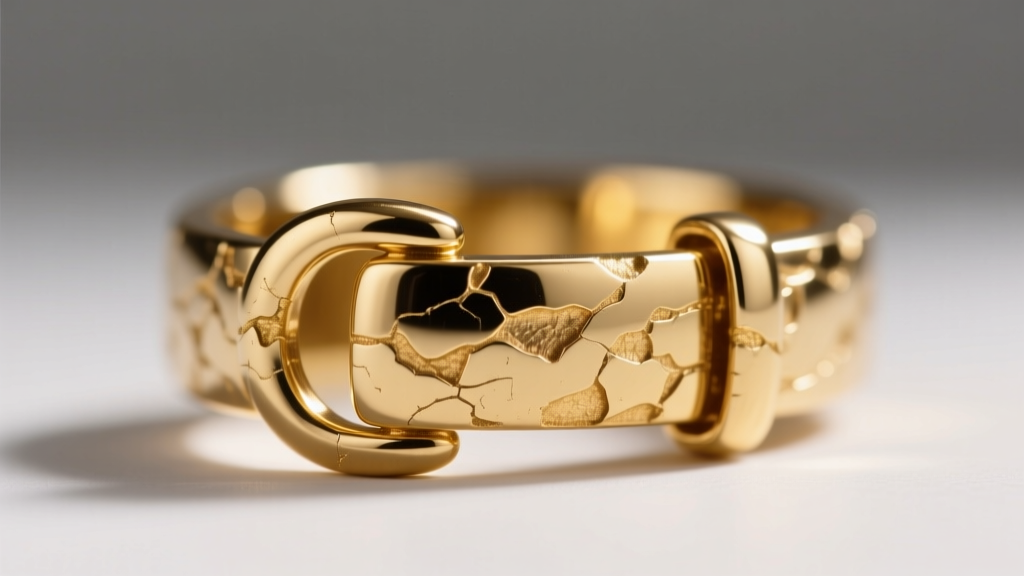
When evaluating the Kenneth Jay Lane lion necklace against modern fine jewelry equivalents, the differences in material properties dictate vastly different care routines, wear-and-tear profiles, and market valuations. The table below contrasts the material properties of a vintage KJL piece with common fine jewelry alternatives.
| Material Profile | Base Core | Gold Layer / Composition | Durability & Hardness | Moisture & Solvent Resistance |
|---|---|---|---|---|
| Vintage KJL Gold-Plated | Cast Brass / Pewter | 1.5 - 3.0 microns (18k/22k tone) | High structural strength; plating prone to micro-abrasions | Poor (epoxy enamel dissolves in solvents) |
| Gold Vermeil | Sterling Silver (925) | Minimum 2.5 microns (10k-24k) | Softer core; plating wears to reveal silver | Moderate (tarnish risk if silver exposed) |
| Gold-Filled | Jeweler's Brass | Mechanically bonded (5%+ weight) | Extremely durable; rarely wears through | High (resists daily moisture exposure) |
| Solid 14k Gold | Homogeneous Alloy | 58.5% Pure Gold | Mohs 3.5 - 4.0; scratches but does not flake | Excellent (impervious to water/solvents) |
Common Failure Modes in Vintage KJL Pieces
Despite their exceptional craftsmanship, the material properties of a Kenneth Jay Lane lion necklace make it susceptible to specific degradation vectors over time. Identifying these failure modes is essential for collectors assessing a piece's condition and value.
- Foil Oxidation ("Dead" Stones): The silver or gold foil backing Austrian crystals is highly reactive to moisture. If water breaches the prong setting, the foil oxidizes, turning the crystal dark gray or black. This is irreversible without completely removing the stone, replacing the foil, and resetting it.
- Epoxide Enamel Chalking: Prolonged exposure to UV light and skin oils can cause the epoxy resin enamel to degrade, resulting in a cloudy, chalky surface or micro-cracking (crazing).
- Clasp Spring Fatigue: The fold-over or spring-ring clasps used on vintage KJL chains rely on steel or base-metal internal springs. These are prone to rust or loss of tension, often requiring a modern jeweler to swap the clasp while preserving the original KJL stamped hang-tag.
- Verdigris Creep: If the brass core is exposed to high humidity and acidic skin pH, copper carbonate (verdigris) can form in the deep crevices of the lion's mane, slowly degrading the metal from the inside out.
Expert Care and Restoration Protocols
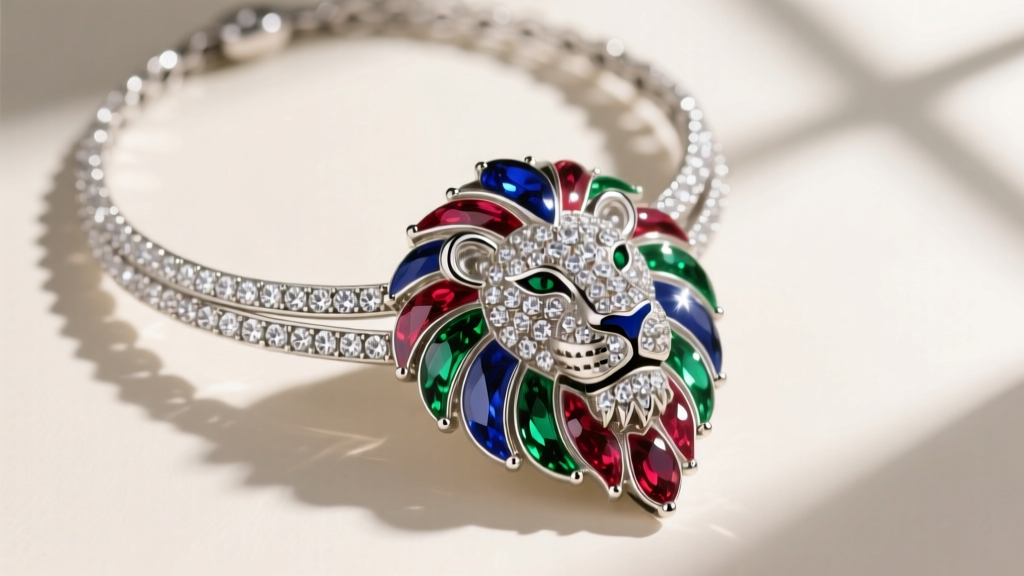
Cleaning a Kenneth Jay Lane lion necklace requires a strict departure from standard fine jewelry maintenance. Ultrasonic cleaners, steamers, and commercial silver dips will instantly destroy the piece. The vibrations will shatter the glass crystals, and the chemical solvents will strip the cold enamel and gold wash.
Expert Rule of Thumb: Never submerge a vintage KJL piece in liquid. Moisture trapped behind prong-set stones is the primary cause of crystal death in vintage costume jewelry.
Surface Cleaning Protocol: Use a dry, ultra-soft makeup brush to gently dislodge dust and skin cells from the intricate crevices of the lion's mane. For stubborn oils on the gold-plated surfaces, lightly dampen a microfiber cloth with distilled water and a single drop of pH-neutral baby shampoo, wiping gently without pressing on the enamel or crystal settings. Dry immediately with compressed air to prevent water from seeping behind the stone foils.
Enamel Restoration: If the black or colored enamel in the lion's facial features has chipped, professional restorers use color-matched, UV-cured jewelry resins rather than traditional epoxies, as UV resins offer superior hardness (closer to Mohs 4) and do not yellow over time.
Sourcing and Authentication Hallmarks
When sourcing a Kenneth Jay Lane lion necklace in the secondary market, verifying the hallmark is as important as inspecting the materials. KJL hallmarks evolved significantly. Pieces from the 1960s often feature a simple "K.J.L." stamp. In the 1970s and 1980s, the mark transitioned to "Kenneth Jay Lane" or "©K.J.L.". Later pieces may include "Kenneth Lane" or a distinctive oval cartouche. Because the lion motif was frequently produced on heavy, textured link chains, always inspect the original hang-tag at the clasp, as the pendant itself may lack a stamped mark due to the textured casting surface.
By understanding the precise material properties—from the micron thickness of the gold electroplating to the chemical vulnerabilities of cold enamel—collectors can preserve these wearable sculptures. The Kenneth Jay Lane lion necklace is not merely a fashion accessory; it is a masterclass in mid-century metallurgical illusion, demanding a level of care that respects its complex, mixed-media anatomy.


