How to Clean, Restore, and Style a Black Jack Necklace
Learn how to clean, restore, and style your black jack necklace. Step-by-step guide covering PVD vs oxidized silver care and layering.

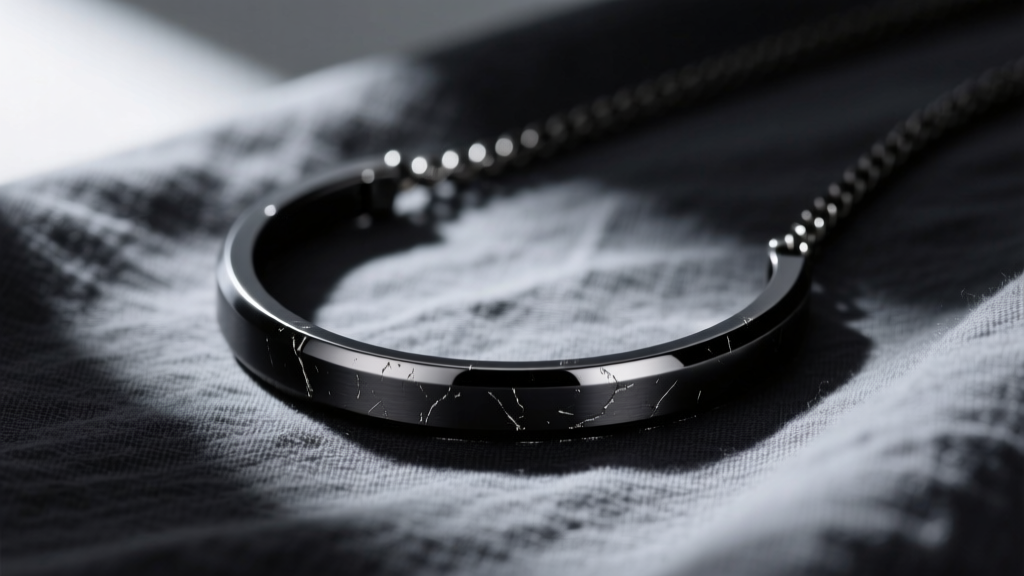
The black jack necklace has cemented its place as a cornerstone of alternative, streetwear, and rugged menswear fashion. Characterized by its heavy gauge links, darkened hardware, and industrial aesthetic, this style of chain demands respect. However, the term "black jack" in the jewelry industry refers to two distinctly different manufacturing processes: Physical Vapor Deposition (PVD) coated stainless steel and chemically oxidized sterling silver. Misidentifying your chain's material and applying the wrong cleaning protocol can permanently strip its finish or ruin its patina.
This step-by-step guide will walk you through identifying your necklace's core material, executing the correct cleaning protocol, understanding gauge proportions, and mastering the art of layering for a modern 2026 aesthetic.
Step 1: Identify Your Black Jack Material
Before applying any cleaning solution, you must determine whether your necklace relies on a surface coating or a chemical reaction for its dark color. The maintenance frameworks for these two materials are entirely incompatible.
| Feature | PVD Black Stainless Steel (316L) | Oxidized Sterling Silver (925) |
|---|---|---|
| Color Process | Titanium Nitride applied via vacuum chamber | Liver of Sulfur chemical reaction |
| Durability | Highly scratch-resistant, waterproof | Patina wears off on high-contact friction points |
| Weight | Heavier, dense industrial feel | Lighter, traditional precious metal feel |
| Hallmarks | Often stamped "316L" or "Surgical Steel" | Stamped "925" or "Sterling" |
| Cleaning Risk | Ultrasonic cleaners can cause micro-pitting | Silver dip will completely strip the black finish |
Step 2: The Proper Cleaning Protocol
Once you have identified your material, follow the specific protocol below. According to jewelry manufacturing authorities like Rio Grande, treating oxidized metals with standard silver polishes is the most common cause of irreversible damage to darkened jewelry.
Protocol A: Cleaning PVD Black Stainless Steel
PVD (Physical Vapor Deposition) creates a bond at the molecular level, making it incredibly resilient. However, harsh chemicals can degrade the surface tension over time.
- Step 1: Mix warm distilled water with a few drops of pH-neutral dish soap (like Dawn) in a glass bowl.
- Step 2: Submerge the black jack chain for 3 to 5 minutes to loosen sebum and skin cells trapped in the links.
- Step 3: Use a baby-soft toothbrush to gently agitate the interior of the curb or cable links. Never use stiff-bristled brushes, as they can leave micro-scratches on the matte black finish.
- Step 4: Rinse under lukewarm running water and immediately dry with a lint-free microfiber cloth to prevent hard water spotting.
Protocol B: Maintaining Oxidized Sterling Silver
Oxidation is a controlled tarnish. Your goal is to clean the chain without removing the dark patina from the recesses of the links.
- Step 1: Never submerge an oxidized black jack necklace in liquid silver dip or ultrasonic cleaners. As noted by the Gemological Institute of America (GIA), chemical dips remove all tarnish indiscriminately, leaving you with a bright, raw silver chain.
- Step 2: Use a dry, untreated jewelry polishing cloth. Gently rub only the raised, high-friction edges of the links. This creates a two-tone contrast that highlights the chain's texture.
- Step 3: If the black finish begins to fade unevenly due to skin acidity, you can restore it using a diluted liver of sulfur solution, though this is best left to professional jewelers.
Step 3: Sizing, Gauge, and Hardware Inspection
The visual weight of a black jack necklace is dictated by its gauge (wire thickness) and link width. Choosing the wrong proportion can make the piece look either like a delicate accessory or an overwhelming costume prop.
The Gauge and Width Matrix
- 4mm - 5mm Width (12 to 14 Gauge Wire): Ideal for subtle layering or wearing with a pendant. This size slips easily through the bails of most heavy stone pendants, such as black onyx or matte obsidian.
- 6mm - 8mm Width (10 to 12 Gauge Wire): The sweet spot for standalone streetwear. It provides a heavy, masculine drape without pulling on the collar of a t-shirt.
- 10mm - 14mm Width (8 Gauge or Thicker): Pure statement pieces. These require heavy-duty hardware and are best worn over outerwear like denim jackets or leather coats.
Clasp Hardware Check
Heavy black jack chains (over 80 grams) put immense stress on standard lobster clasps. Inspect your clasp's jump ring. If the jump ring is not soldered shut, the weight of the chain will eventually pull it open, resulting in loss. For chains over 8mm, upgrade to a custom fold-over box clasp or a heavy-duty magnetic toggle clasp coated in matching black PVD.
Step 4: Layering and Styling Frameworks
Styling a dark, industrial chain requires an understanding of texture contrast. Wearing multiple identical black chains creates a muddy, undefined silhouette. Instead, use the Texture-Weight-Length (TWL) framework.

The TWL Layering Method
- Base Layer (18-20 inches): Start with a 3mm oxidized silver cable chain or a matte black lava stone bead necklace. This sits close to the collarbone and frames the face.
- The Anchor (22-24 inches): This is where your primary 6mm black jack necklace sits. The 4-inch drop ensures the chains do not tangle and allows the light to catch the darkened links independently.
- The Pendant Rule: If your black jack chain features a pendant, ensure the pendant's bail is lined with a protective insert (like silicone or soft leather). Black PVD and oxidized silver are harder than many semi-precious stones and will scratch materials like turquoise or lapis lazuli upon repeated impact.
Troubleshooting Common Black Jack Issues
Issue: My oxidized black jack chain is turning my skin green or gray.
Solution: This is a reaction between the copper alloy in the 925 sterling silver and your skin's natural acidity or lotions. Coat the inside of the links with a microscopic layer of clear nail polish or jewelry shield, or simply wipe the chain down with rubbing alcohol after every wear to remove acidic buildup.
Issue: The PVD black finish is chipping near the clasp.
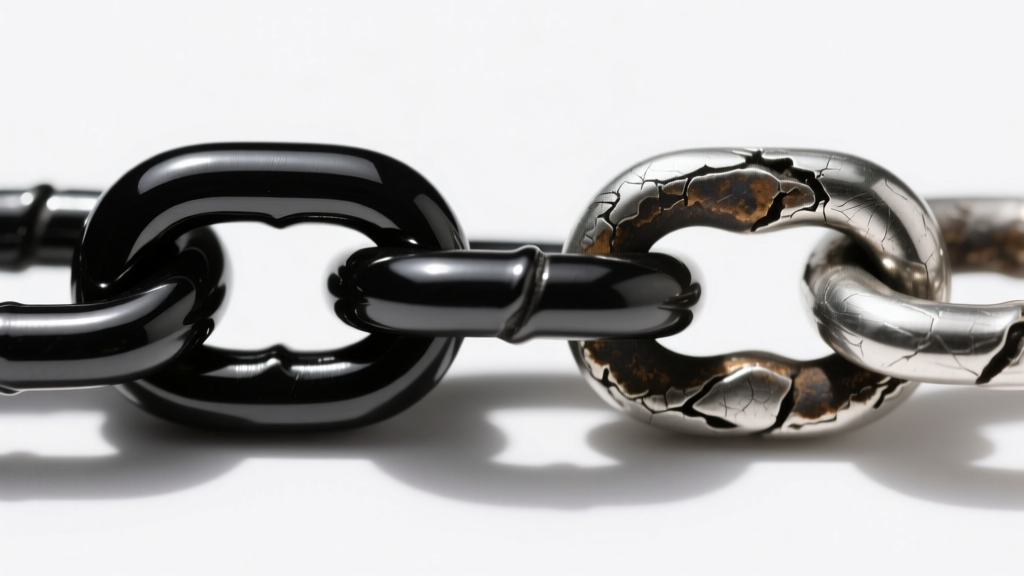
Solution: PVD does not "fade"; it chips due to impact or friction against harder metals. If the stainless steel beneath is exposed, it will not rust, but it will look silver. You cannot re-plate PVD at home. Take it to a jeweler who specializes in titanium nitride vacuum coating, or embrace the distressed, battle-scarred aesthetic that is highly valued in heritage streetwear circles.
Mastering the care and styling of your black jack necklace ensures it remains a versatile, striking anchor in your jewelry rotation for years to come. By respecting the material science behind the dark finish, you preserve the rugged integrity that makes this chain style a permanent fixture in modern fashion.


