How to Clean and Style Your Kate Spade Silver Necklace
Learn how to safely clean, polish, and style your Kate Spade silver necklace. Expert tips on .925 sterling silver care and layering techniques.

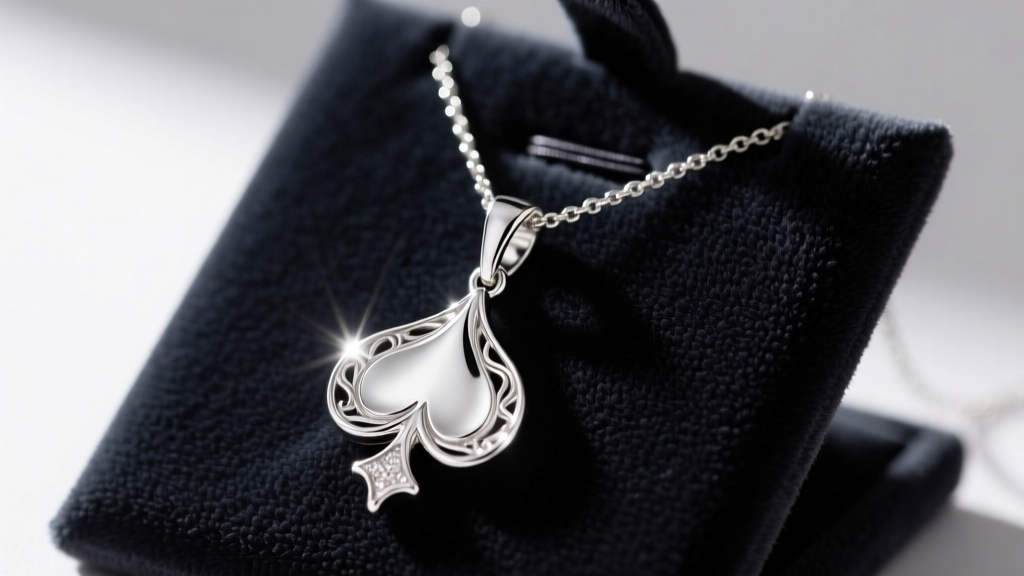
The iconic Kate Spade silver necklace, particularly those featuring the signature spade motif, remains a staple in modern jewelry collections. Whether you own a vintage piece from the early 2000s or a contemporary design from the 2026 archives, maintaining the brilliance of .925 sterling silver requires specific metallurgical knowledge. Unlike pure silver, sterling silver is an alloy that reacts to environmental factors, and the addition of enamel or cubic zirconia (CZ) complicates the cleaning process. This comprehensive guide will walk you through the exact steps to safely clean, polish, and style your necklace without damaging its delicate components.
Understanding Your Kate Spade Silver Necklace Materials
Before applying any cleaning solution, you must understand the material composition of your jewelry. Authentic Kate Spade silver pieces are crafted from .925 sterling silver, which consists of 92.5% pure silver and 7.5% copper. According to The Silver Institute, it is this copper alloy that makes the metal durable enough for daily wear, but it is also the copper that reacts with sulfur and moisture in the air to create silver sulfide—the black tarnish that dulls your chain.
Furthermore, many Kate Spade pendants feature black or white enamel inlays and pavé-set cubic zirconia. Enamel is essentially powdered glass fused to metal at high temperatures. While highly durable against scratches, it is incredibly susceptible to thermal shock and harsh chemicals. Additionally, some silver pieces are flashed with a microscopic layer of rhodium to delay tarnishing. Aggressive polishing will strip this rhodium layer, exposing the raw sterling silver underneath and accelerating future oxidation.
Step-by-Step Guide to Cleaning Tarnished Silver
While the internet is full of DIY hacks involving boiling water and aluminum foil, the electrochemical reduction method is not safe for Kate Spade necklaces with enamel inlays or glued-in gemstones. The heat can shatter the enamel or melt the jeweler's epoxy holding the CZ stones. Instead, use this Gemological Institute of America (GIA) approved mild surfactant method.
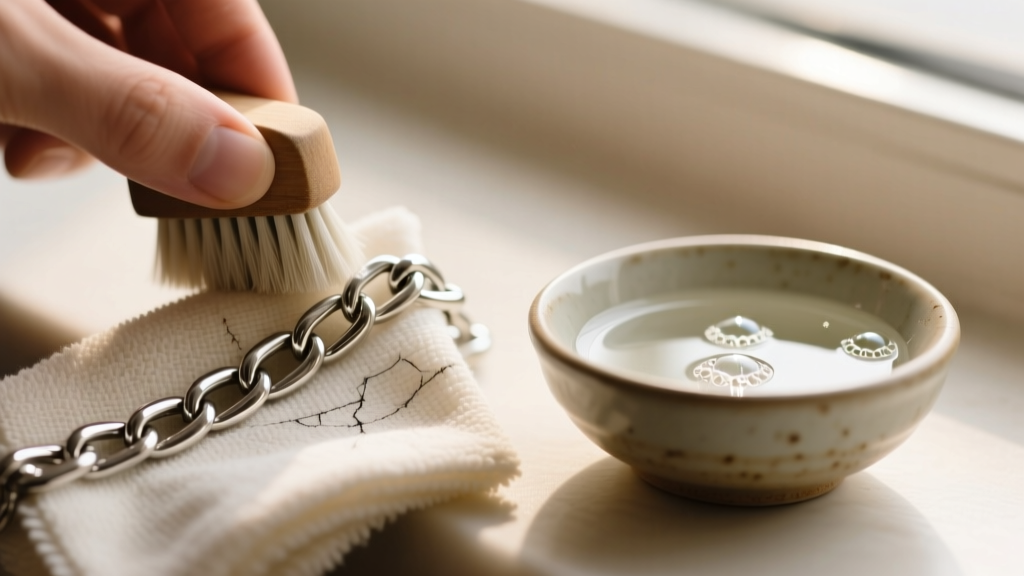
- Prepare the Solution: In a glass bowl, mix 1 cup of lukewarm distilled water (tap water contains chlorine and hard minerals that can spot the silver) with 3 drops of phosphate-free, mild dish soap.
- Soak Briefly: Submerge the necklace for exactly 3 to 5 minutes. This loosens sebum, lotions, and environmental dust trapped in the chain links.
- Agitate Gently: Use an extra-soft baby toothbrush to lightly sweep the bristles over the chain and the back of the spade pendant. Never scrub the enamel directly; simply let the soapy water lift the oils.
- Rinse Thoroughly: Rinse the necklace under a gentle stream of distilled water to remove all soap residue.
- Dry and Buff: Pat the piece dry with a lint-free microfiber cloth. Avoid air-drying, as water spots will form on the high-polish silver surfaces.
What to Avoid: Common Cleaning Mistakes
Ruining a designer piece is surprisingly easy when using the wrong household items. Below is a breakdown of common cleaning agents and why they cause irreversible damage to sterling silver and enamel.
| Cleaning Agent | Chemical/Physical Property | Result on Kate Spade Necklace |
|---|---|---|
| Silver Dip (Thiourea) | Highly acidic sulfur stripper | Strips rhodium plating; causes enamel to cloud and crack. |
| Whitening Toothpaste | High RDA (Relative Dentin Abrasivity) | Leaves micro-scratches on silver; permanently scuffs enamel. |
| Ultrasonic Cleaners | High-frequency cavitation bubbles | Shatters glass-based enamel; shakes CZ stones out of their prongs. |
| Paper Towels | Wood pulp fibers | Creates microscopic surface scratches on high-polish silver. |
How to Style and Layer Your Kate Spade Pendant
In 2026, the maximalist layering trend has evolved into "curated precision." The classic Kate Spade spade pendant typically hangs on a 16-inch or 18-inch cable or box chain. To integrate this piece into a modern stack, you must adhere to the 2-inch drop rule to prevent the chains from tangling and the pendants from scratching one another.

Matching Necklines with Spade Pendants
- The V-Neck: The geometric V-shape of the spade motif naturally mirrors a V-neckline. A 16-inch chain will sit perfectly in the negative space of the collarbone, drawing the eye downward and elongating the neck.
- The Crew Neck: High, rounded collars clash with short pendants. If wearing a crew neck t-shirt or sweater, opt for an 18-inch or 20-inch chain so the spade rests visibly below the fabric hem.
- The Button-Down: Leave the top two buttons undone and layer your 16-inch spade pendant with a 14-inch sterling silver herringbone choker for a sophisticated, mixed-texture look.
Troubleshooting Stubborn Tarnish and Enamel Smudges
If your necklace has been stored improperly and features heavy, blackened tarnish that soap cannot remove, you will need a jeweler's rouge polishing cloth. These cloths are impregnated with microscopic iron oxide abrasives. Gently rub the silver chain and the metal borders of the pendant in one direction. Crucial Warning: Do not let the rouge cloth touch the enamel inlays or the CZ stones, as the abrasive will create a permanent frosted haze on the glass and gemstones.
For fingerprint smudges on the enamel, dip a cotton swab in 90% isopropyl alcohol and gently roll it over the enamel surface. The alcohol evaporates instantly, taking oils with it without leaving streaks or risking water damage to the metal joints.
Proper Storage to Prevent Future Tarnish
Tarnish is an environmental reaction, meaning prevention is entirely dependent on your storage methodology. Humidity levels above 60% drastically accelerate the oxidation of the copper alloy in your sterling silver. Never store your Kate Spade silver necklace in a bathroom or near a kitchen sink.
Expert Archival Tip: Store your necklace in a sealed polyethylene ziplock bag with a 3M anti-tarnish strip. The strip absorbs airborne sulfur compounds before they can reach the silver. Replace the strip every 6 months to maintain a zero-tarnish microclimate.
Finally, always store box chains and herringbone chains either laid perfectly flat or hung from a velvet-lined hook. Folding or crumpling these specific chain styles will cause permanent kinks in the metal links that require professional jeweler intervention to repair.


