Care Guide: Cleaning Your Vintage Beads Necklace Safely
Learn expert techniques to clean, restring, and preserve a vintage beads necklace. Discover safe methods for glass, Bakelite, and amber beads.

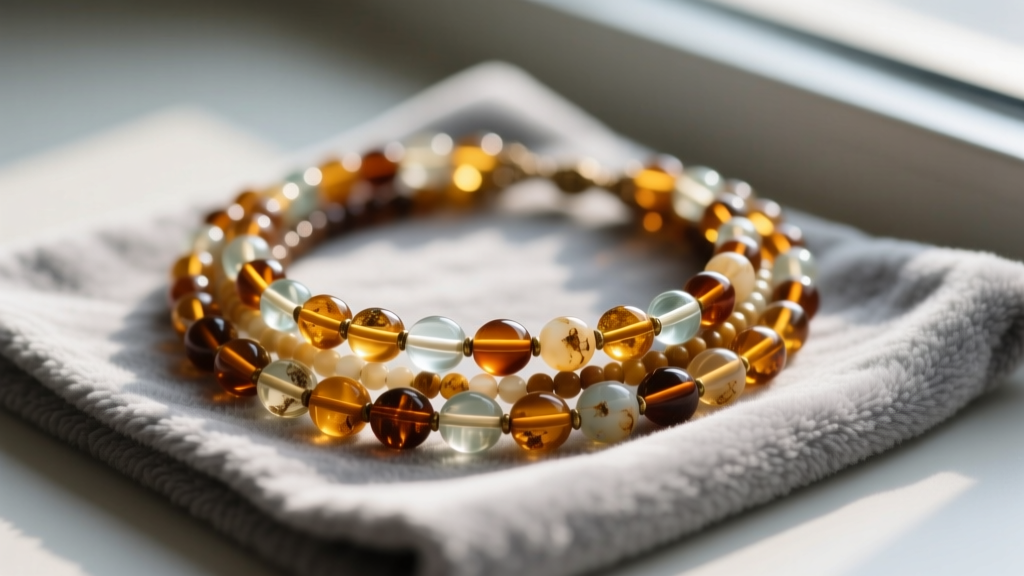
The Hidden Risks of Cleaning Antique Jewelry
Owning a vintage beads necklace is an exercise in historical preservation. Unlike modern, mass-produced jewelry, antique necklaces feature organic materials, early synthetics, and hand-blown glass that react unpredictably to modern cleaning methods. The most common failure mode for vintage bead collectors is not the beads themselves, but the catastrophic degradation of the stringing material or the irreversible chemical stripping of a bead's natural patina.
Many collectors mistakenly use ultrasonic cleaners or commercial silver dips on vintage pieces. Ultrasonic waves operate at high frequencies (typically 20-40 kHz) that can cause micro-fractures in amber, shatter uranium glass, and accelerate the crazing of early plastics like Bakelite and celluloid. Similarly, ammonia-based cleaners will strip the delicate, oxidized finish from antique metal clasps and dissolve the natural oils in organic beads. According to the Victoria and Albert Museum's conservation guidelines, antique jewelry requires a localized, material-specific approach that prioritizes stabilization over aggressive polishing.
Material-Specific Cleaning Protocols
Before applying any moisture or polish, you must accurately identify the bead material. A vintage beads necklace often combines multiple materials on a single strand, meaning a cleaner that is safe for glass might destroy the adjacent coral or seed pearl. Below is a diagnostic framework for the most common vintage bead materials.
| Material | Mohs Hardness | Safe Cleaner | Strict Prohibitions |
|---|---|---|---|
| Bakelite / Phenolic | ~2.5 | Novus Plastic Polish #2, damp microfiber | Alkaline soaps, ultrasonic, alcohol, hot water |
| Amber (Natural) | 2.0 - 2.5 | Dry sable brush, barely damp cloth | Acetone, alcohol, ultrasonic, steam, perfumes |
| Vaseline (Uranium) Glass | 5.5 - 6.0 | Mild dish soap (pH neutral), soft cloth | Acidic cleaners, ultrasonic, abrasive pads |
| Seed Pearls (Antique) | 2.5 - 3.0 | Dry microfiber, mild olive oil on Q-tip | Water immersion, ultrasonic, vinegar, lemon |
| Coral / Jet | 3.0 - 4.0 | Dry brushing, mineral oil (sparingly) | Water, chemicals, heat, ultrasonic |
Testing and Treating Bakelite
Bakelite was the premier synthetic plastic of the 1920s and 1930s. Over time, it develops a rich, darkened patina. To confirm your beads are genuine Bakelite rather than later acrylics, apply a tiny amount of Simichrome metal polish to a cotton swab and rub an inconspicuous area; a yellow smudge confirms Bakelite. Never use baking soda or toothpaste on these beads. The Metropolitan Museum of Art warns that alkaline substances cause irreversible chemical breakdown and surface crazing in early phenolic plastics. Use a dedicated plastic polish and buff gently with a flannel cloth.
Handling Organic Beads (Amber and Coral)
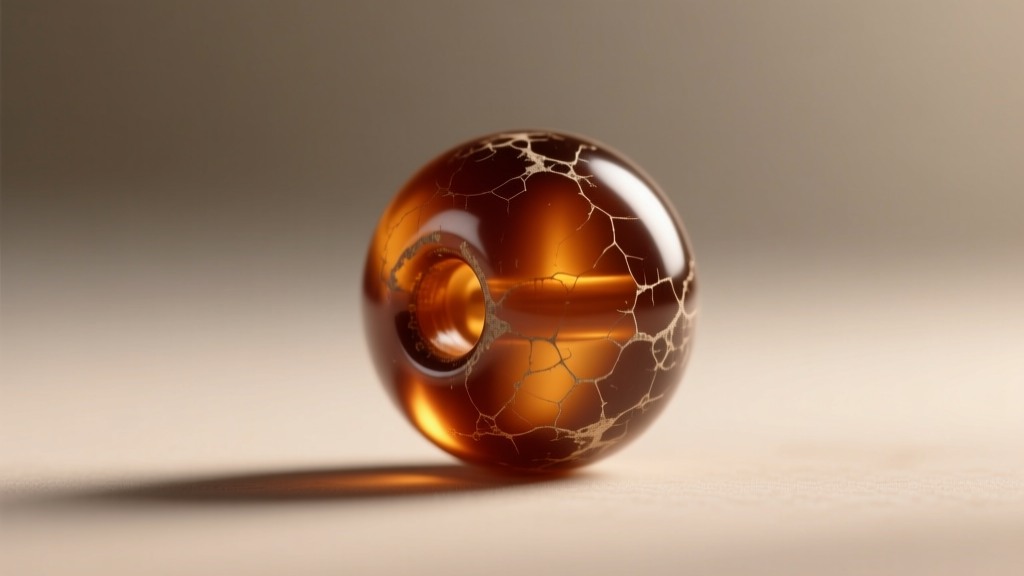
Organic beads are highly porous and sensitive to solvents. The Gemological Institute of America (GIA) explicitly warns against exposing amber to alcohol or acetone, which can dissolve the surface and create a permanent cloudy haze. To clean amber or coral beads, use a soft, dry sable makeup brush to dislodge dust from the crevices. If the beads appear dull and dehydrated, you can apply a microscopic drop of pure mineral oil to a microfiber cloth and gently wipe the surface to restore luster, immediately buffing away any excess.
Evaluating and Replacing the Stringing Material
The structural integrity of a vintage beads necklace relies entirely on its stringing material. Antique necklaces were typically strung on natural silk or cotton threads. Natural silk is highly susceptible to acidic perspiration (human sweat typically has a pH between 4.5 and 7.0) and UV degradation. If your necklace is strung on original vintage silk, it is likely past its safe lifespan.
The "Stretch Test" and Failure Signs
Gently pull the thread between two beads. If you see more than 1mm of exposed thread, or if the thread appears stiff, discolored, or frayed near the clasp, the necklace is at imminent risk of snapping. Do not attempt to clean a necklace with compromised stringing; the moisture will cause the weakened fibers to swell and break. Professional restringing for a standard 18-inch knotted necklace typically ranges from $45 to $120, depending on bead count and knotting complexity.
Modern Upgrades: Silk vs. Synthetic
When restringing, you must choose the correct thread gauge. For heavy vintage glass or large amber beads, use Griffin natural silk thread in Size #6 (0.70mm) or a high-tenacity nylon like C-Lon. For delicate seed pearls or small coral beads, Size #2 (0.45mm) is standard. Crucially, ensure the jeweler installs a French wire (gimp) guard—a fine 0.3mm coiled wire made of sterling silver or gold-filled metal—at the clasp ends. This prevents the metal clasp ring from sawing through the thread over time, a common failure point in poorly restored vintage pieces.
Step-by-Step Surface Cleaning Method
If the stringing is secure and you have identified the bead materials, follow this conservative, non-invasive cleaning protocol:
- Step 1: Dry Dusting. Lay the necklace flat on a clean, lint-free towel. Use a soft-bristled sable brush or a clean, dry makeup brush to gently sweep away surface dust and skin cells from the bead holes and knot crevices.
- Step 2: Spot Testing. Dampen a corner of a microfiber cloth with distilled water (never tap water, which contains chlorine and hard minerals). Test a single, inconspicuous bead. Wait 60 seconds to ensure no color bleeding or surface clouding occurs.
- Step 3: Targeted Wiping. Gently pinch each bead with the damp cloth and rotate it to lift oils. Avoid getting the silk knots wet, as moisture trapped in the knots will rot the thread from the inside out.
- Step 4: Metal Clasp Care. Use a specialized silver polishing cloth (impregnated with micro-abrasives) strictly on the metal clasp and findings. Do not let the polishing cloth touch the beads, as the chemicals can damage porous organics.
Expert Insight: Never hang a vintage beads necklace to dry or store it. The weight of the beads, combined with gravity, will permanently stretch the wet silk thread, causing the necklace to lose its drape and creating unsightly gaps between the beads.
Proper Storage to Prevent Oxidation and Scratching
How you store your vintage beads necklace is just as critical as how you clean it. Early plastics like celluloid and Bakelite are highly vulnerable to environmental off-gassing. Never store vintage plastic beads in PVC (polyvinyl chloride) plastic bags or vinyl-lined jewelry boxes. PVC degrades over time, releasing hydrochloric acid gas that will chemically burn and frost the surface of Bakelite and celluloid beads.
Instead, wrap the necklace in acid-free, unbuffered archival tissue paper. Place it inside a sealed polyethylene (PE) or polypropylene (PP) ziplock bag, which are chemically inert plastics. Store the bag flat in a dark, climate-controlled drawer to prevent UV fading and temperature-induced expansion and contraction of the bead holes. By combining material-specific cleaning with archival storage, you ensure your vintage necklace survives for the next generation of collectors.


