How to Clean a Cute Gold Necklace Without Ruining It
Learn how to safely clean a cute gold necklace, prevent tarnish on 14k and 18k alloys, and maintain delicate chains with our expert jewelry care guide.

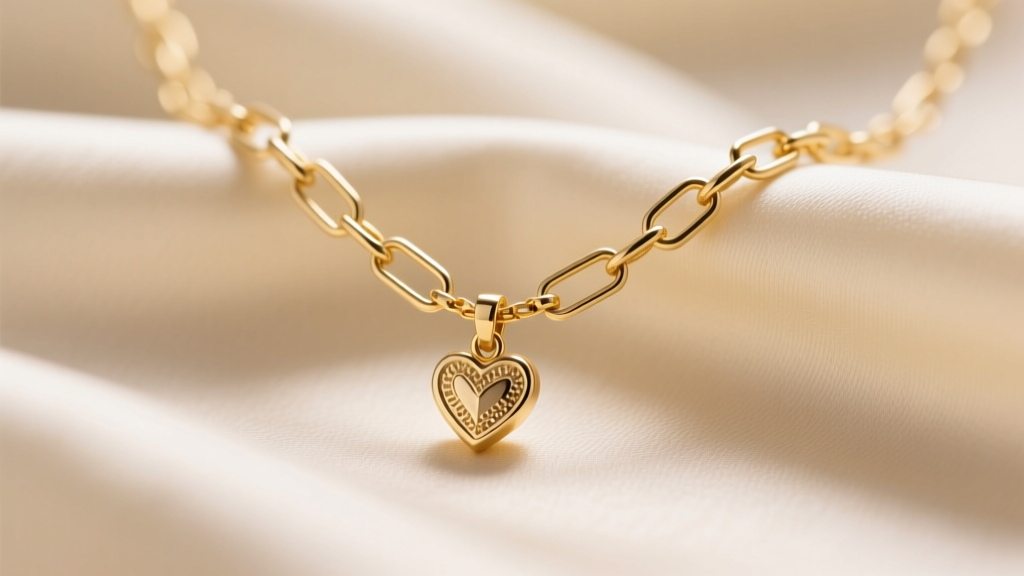
A cute gold necklace is the undisputed workhorse of modern jewelry wardrobes. Whether you are layering a dainty 14k cable chain with a minimalist pendant or wearing a solitary 18k gold paperclip choker, these delicate pieces are designed for everyday wear. However, their constant proximity to your skin makes them magnets for sebum, dead skin cells, lotions, and environmental pollutants. Over time, this buildup not only dulls the high-polish finish but can also accelerate the tarnishing of the alloy metals mixed into your gold.
In this comprehensive care guide, we move beyond generic 'use soap and water' advice. We will explore the exact metallurgy of your gold alloys, the specific failure modes of delicate chains, and a professional-grade cleaning protocol to keep your favorite pieces looking brand new.
The Metallurgy of Dainty Gold: Why Your Necklace Tarnishes
To properly care for your jewelry, you must first understand its composition. Pure gold (24k) is highly resistant to tarnish and corrosion. However, pure gold is far too soft to be forged into the ultra-fine links of a cute gold necklace; a 24k paperclip chain would stretch and snap under the weight of its own clasp. Therefore, jewelers alloy gold with metals like copper, silver, zinc, and nickel to increase tensile strength.
According to the Gemological Institute of America (GIA), it is these secondary alloy metals—not the gold itself—that react with sulfur and oxygen in the environment to create tarnish. Copper creates dark copper oxide, while silver reacts with hydrogen sulfide to form black silver sulfide.
| Gold Karat | Gold Purity | Alloy Content | Tarnish Susceptibility | Durability for Fine Chains |
|---|---|---|---|---|
| 10k Gold | 41.7% | 58.3% | High (Prone to dark oxidation) | Excellent (Very rigid) |
| 14k Gold | 58.5% | 41.5% | Moderate (Occasional dulling) | Good (Standard for dainty chains) |
| 18k Gold | 75.0% | 25.0% | Low (Highly tarnish-resistant) | Fair (Prone to stretching if pulled) |
Chain Anatomy: Where Dirt Hides
The architecture of a delicate chain dictates how it should be cleaned. The most common styles for a cute gold necklace include cable, rolo, box, and paperclip chains.
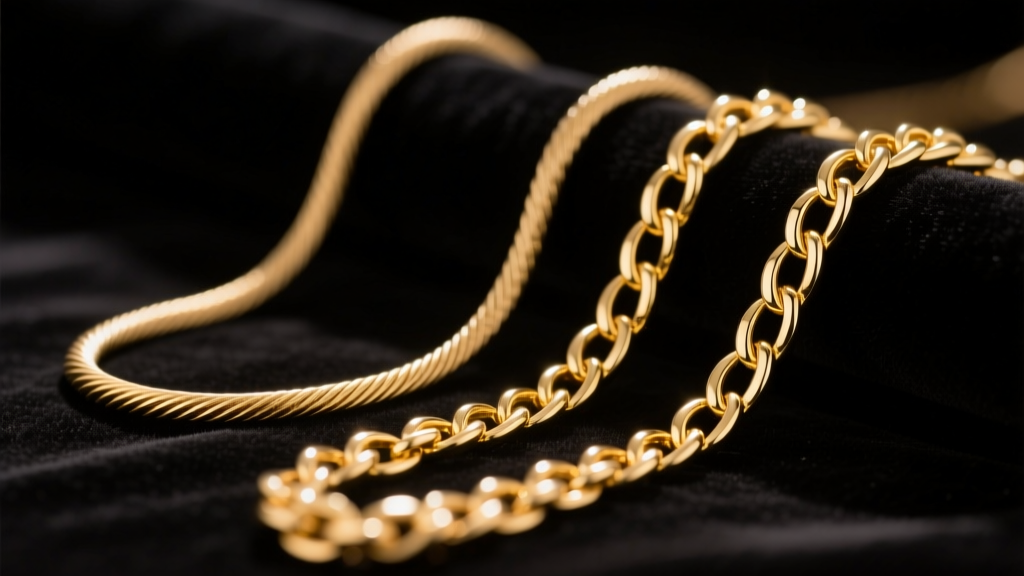
- Cable & Rolo Chains: These feature tightly interlocking circular or oval links. The microscopic gaps between the links trap cosmetic powders and skin oils, requiring deep soaking to loosen the debris.
- Box Chains: Made of square links folded into a continuous, smooth tube. While they appear solid, the internal crevices of the folded metal can harbor stubborn lotion buildup that requires targeted brushing.
- Paperclip Chains: Characterized by elongated, open rectangular links. These are the easiest to clean but are highly susceptible to snagging on fabrics, which can warp the delicate links if handled aggressively during the cleaning process.
The Professional 5-Step Deep Cleaning Protocol
Forget harsh commercial dips and abrasive home remedies like baking soda paste. Baking soda is a crystalline abrasive that will leave micro-scratches across the high-polish finish of your gold. Instead, follow this safe, jeweler-approved method.
Step 1: The Phosphate-Free Soak
Fill a small glass bowl with warm (not hot) distilled water. Add three drops of a phosphate-free, mild dish soap (such as Dawn Ultra). Phosphates can leave a cloudy film on certain gold alloys and gemstone settings. Submerge your necklace and let it soak for exactly 8 to 10 minutes. This allows the surfactants to break down the lipid bonds of skin oils and lotions.
Step 2: Micro-Agitation
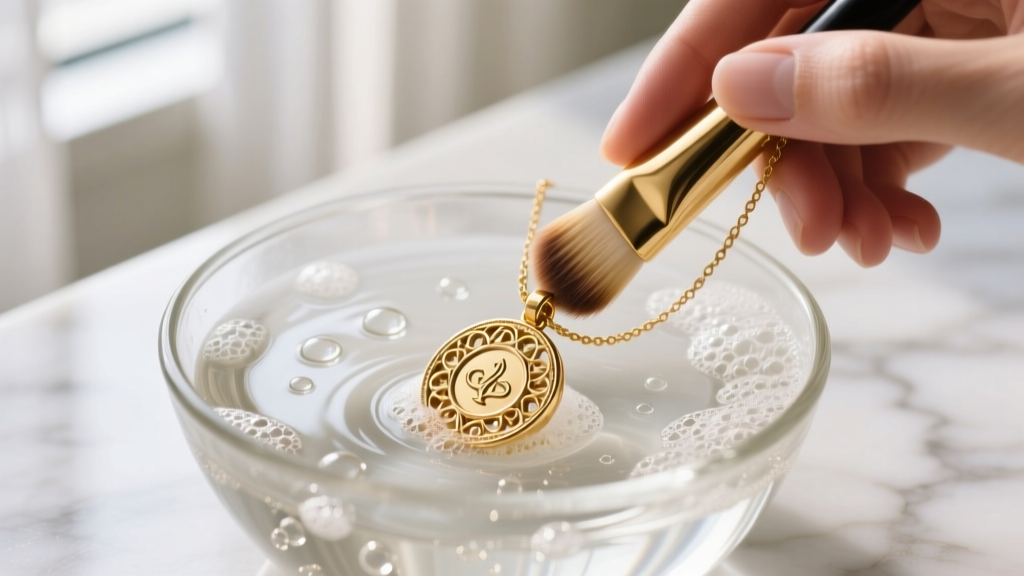
Remove the necklace from the soak. Using an extra-soft infant toothbrush (the bristle diameter is crucial here; standard adult toothbrushes are too stiff and can bend delicate 18k gold links), gently brush the chain. Focus on the clasp mechanism and the bail of the pendant, as these are the highest-friction areas where grime accumulates. Always brush in the direction of the chain links to prevent snagging.
Step 3: The Distilled Rinse
Rinse the necklace thoroughly under a gentle stream of lukewarm distilled water. Avoid tap water, as the dissolved minerals and chlorine in municipal water supplies can leave hard water spots on the gold and accelerate alloy oxidation.
Step 4: Controlled Drying
Never air-dry your jewelry, and never use paper towels. Paper towels are made of wood pulp and will inflict microscopic scratches on polished gold. Instead, lay the necklace flat on a clean, lint-free microfiber cloth or a 100% cotton chamois. Gently pat it dry, ensuring no moisture is trapped inside the spring-ring or lobster clasp.
Step 5: The Final Polish
For a mirror-like finish, use a dedicated, untreated gold polishing cloth (such as a Sunshine Cloth). These cloths are impregnated with ultra-fine jeweler's rouge that removes the absolute top layer of oxidation without stripping the gold. Gently glide the cloth over the pendant and chain links.
What NEVER to Do: Common Failure Modes
Many well-intentioned jewelry owners accidentally destroy their delicate pieces by using the wrong tools. The Jewelers of America frequently warn against the following practices:
CRITICAL WARNING: Never use an ultrasonic cleaner on a cute gold necklace featuring pave-set diamonds, hollow charms, or porous gemstones (like pearls, opals, or turquoise). The high-frequency acoustic cavitation can easily shake loose the microscopic prongs holding pave stones, or cause hollow-cast pendants to fracture from the inside out.
Furthermore, you must remove your gold necklace before entering a swimming pool or hot tub. The chlorine used in water treatment reacts violently with the copper and zinc alloys in 14k and 10k gold. This causes a phenomenon known as stress corrosion cracking, where the molecular structure of the metal becomes brittle and the chain can snap with zero warning.
Advanced Storage Techniques to Prevent Micro-Scratches
How you store your necklace is just as important as how you clean it. When multiple necklaces are tossed into a single jewelry box, the harder alloy metals and gemstone settings will act like sandpaper against softer gold surfaces.
- Individual Containment: Store each cute gold necklace in its own soft flannel pouch or a small, sealable polyethylene plastic bag. Polyethylene is chemically inert and will not off-gas sulfur.
- Anti-Tarnish Strips: Place a 3M anti-tarnish strip inside your jewelry box or storage bag. These strips absorb airborne sulfur compounds before they can react with the copper in your gold alloy.
- Hang or Lay Flat: If you use a jewelry tree, ensure the hooks are coated in soft felt to prevent scratching the clasp. For extremely fine, prone-to-tangling chains (like snake chains), laying them flat in a lined drawer with individual velvet dividers is the safest option.
By understanding the specific metallurgy of your gold and adopting a gentle, consistent cleaning routine, your favorite dainty necklaces will maintain their brilliant luster and structural integrity for decades to come.


