How to Clean Necklaces for Different Necklines & Fabrics
Discover expert cleaning and maintenance tips for necklaces based on the necklines and fabrics you wear. Protect your jewelry from sweat, oils, and friction.

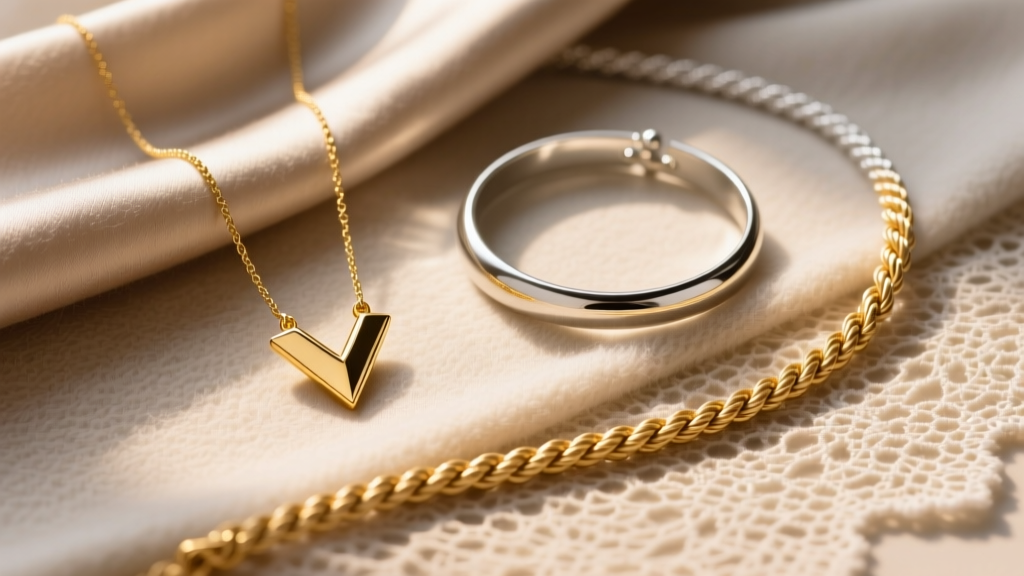
Most jewelry guides focus entirely on aesthetics, teaching you how to match chain lengths to your outfit's cut. However, as a senior jewelry specialist, I can tell you that the neckline and fabric you pair with your jewelry dictate its exact wear-and-tear profile. The way a 16-inch choker interacts with your skin and cosmetics is vastly different from how a 30-inch rope chain interacts with a winter wool turtleneck. In 2026, with the rise of complex bio-blended sustainable fabrics and advanced cosmetic formulations, understanding the chemistry and physics of your jewelry's environment is critical for long-term preservation.
This comprehensive maintenance framework bridges the gap between styling and horology-level care, providing actionable, material-specific cleaning protocols based on your most-worn necklines.
The Scoop and V-Neck Zone: Battling Sebum and Perfume Corrosion
When you wear scoop or V-neck tops, your necklaces—typically 18-inch princess chains or 20-inch matinee lengths—rest directly against the décolletage. This area is a hotspot for sebaceous gland activity and the primary landing zone for sprayed fragrances.
The Chemistry of Skin Contact
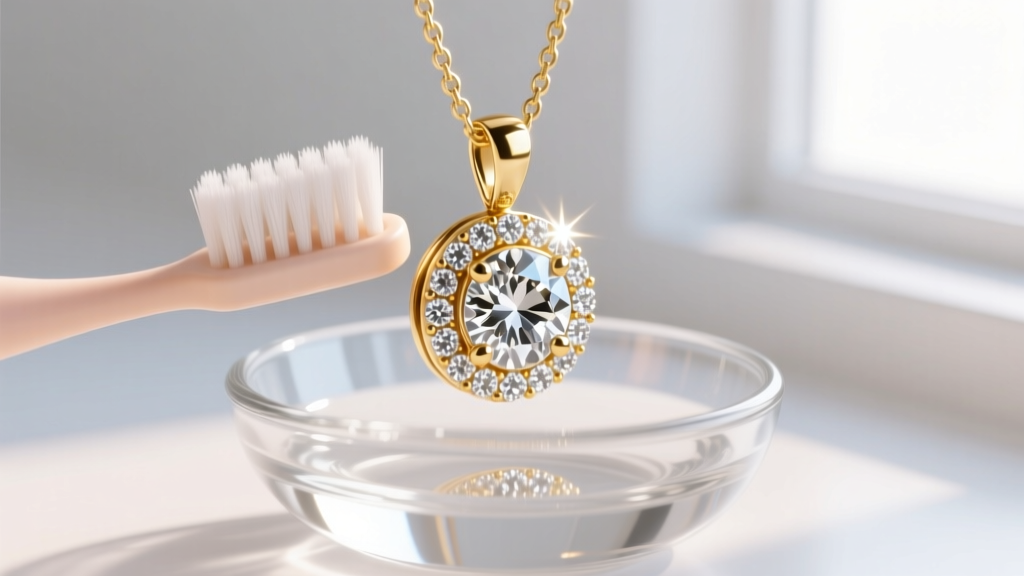
Human sebum is a complex mixture of triglycerides, wax esters, and squalene. When these lipids coat the facets of a diamond or moissanite pendant, they drastically reduce the stone's refractive index, making it look cloudy and dull. Furthermore, the alcohol (ethanol) and essential oils found in most modern perfumes can be devastating to porous gemstones. According to the Gemological Institute of America (GIA), repeated exposure to the chemicals in perfumes and hairsprays can dehydrate the nacre of pearls and dissolve the fracture-filling oils in emeralds, leading to irreversible structural damage.
Actionable Cleaning Protocol
- For Diamonds and Sapphires: Create a degreasing bath using one cup of distilled water and exactly two drops of a lipid-cutting dish detergent (like Dawn Ultra). Soak for 15 minutes, then use an extra-soft baby toothbrush to gently agitate the pavé settings where sebum accumulates.
- For Pearls and Opals: Never submerge these. Wipe them immediately after wear with a slightly damp, lint-free microfiber cloth to remove acidic sweat and perfume residue before it etches the surface.
- The Perfume Rule: Always apply fragrance to your pulse points and wait a full 90 seconds for the ethanol to evaporate before clasping your necklace.
High Necklines and Turtlenecks: Friction, Snags, and Static
Wearing long chains (24 to 36 inches) over high necklines introduces mechanical hazards rather than chemical ones. Winter fabrics like wool, cashmere, and heavy cotton blends create unique friction profiles that can physically degrade your metals.
Micro-Abrasions from Animal Fibers
Under a microscope, wool and cashmere fibers are covered in overlapping cuticle scales. When a high-polish 14k or 18k gold chain rests against a wool turtleneck, the constant micro-movements of your body cause these microscopic scales to act like ultra-fine sandpaper. Over a single winter season, this friction can dull a mirror finish and wear down the microscopic layer of gold on gold vermeil pieces (which must be at least 2.5 microns thick to meet FTC standards).
Mitigation and Polishing Techniques
Pro Tip: Never use a liquid silver or gold dip on a chain that has been subjected to heavy wool friction. Dips remove tarnish but do not restore the physical smoothness of the metal, leaving microscopic grooves that will tarnish faster in the future.
To restore the luster of chains worn over heavy knits, use a treated jeweler's rouge cloth (such as a Sunshine cloth). The embedded micro-abrasives gently level the microscopic scratches caused by wool fibers. Additionally, synthetic winter blends generate static electricity, which acts as a magnet for airborne dust and lint. To combat this, apply an anti-static spray to your garments, never directly to the jewelry, to prevent chemical spotting on porous stones.
Strapless and Off-the-Shoulder: Chokers and Collar Care
Strapless and off-the-shoulder necklines demand chokers (14 to 16 inches) and collar necklaces. Because these pieces sit tightly against the collarbone and pulse points, they endure the highest concentration of cosmetic transfer, sweat, and thermal fluctuation.
Cosmetic Transfer and Tarnish Acceleration
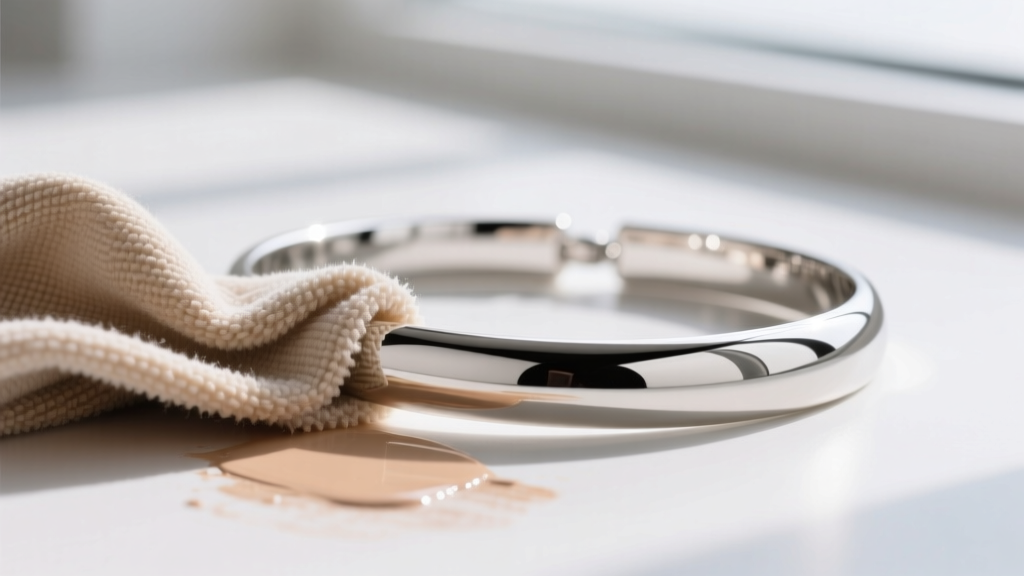
Foundations and concealers contain high levels of titanium dioxide and iron oxides. These fine mineral powders easily work their way into the tight crevices of rope chains, box chains, and the intricate filigree of vintage lockets, creating a stubborn, clay-like paste. Furthermore, the high skin contact means the necklace is constantly exposed to hydrogen sulfide present in human sweat, which rapidly accelerates the tarnishing of 925 sterling silver, turning it a dark, bruised purple or black.
Deep Cleaning Intricate Chokers
- The Baking Soda Paste: For heavily tarnished sterling silver chokers without gemstones, mix baking soda and distilled water into a thick paste. Apply it with a cotton swab, working it into the chain links. Rinse thoroughly and pat dry.
- Ultrasonic Warnings: While a 40kHz ultrasonic cleaner is excellent for vibrating titanium dioxide paste out of a diamond tennis necklace, it will shatter tension-set stones and fracture treated gems. Always check the American Gem Society guidelines before using sonic vibrations on any colored gemstone.
The Neckline Maintenance Matrix
Use this decision framework to establish your weekly and monthly jewelry care routines based on your wardrobe habits.
| Neckline Style | Typical Chain Length | Primary Contaminant | Highest Risk Material | Recommended Cleaning Frequency |
|---|---|---|---|---|
| Deep V-Neck / Scoop | 18" - 22" | Sebum, Perfume, Sweat | Pearls, Opals, Emeralds | After every wear (wipe down) |
| Turtleneck / High Collar | 24" - 32" | Wool friction, Static dust | Gold Vermeil, High-Polish Platinum | Monthly (Rouge cloth buffing) |
| Strapless / Sweetheart | 14" - 16" | Foundation, Concealer, Oils | 925 Sterling Silver, Oxidized Metals | Weekly (Mild soap bath) |
| Button-Down / Collared | 16" - 18" | Cotton lint, Starch residue | Intricate Filigree, Pavé Settings | Bi-weekly (Soft brush agitation) |
Hardware Inspections: The Hidden Casualties of Neckline Tension
The neckline you choose also dictates the mechanical stress placed on your necklace's hardware. A 14-inch choker worn with a strapless top experiences lateral pulling when you turn your head, putting immense strain on the jump rings. Conversely, a long 30-inch chain worn over a sweater is prone to snagging, which can stretch the links and deform the clasp.
Every three months, use a 10x jeweler's loupe to inspect the jump ring connecting your pendant to the chain, and the ring attaching the clasp. Look for a visible gap where the metal meets. If the gap is wider than the thickness of a human hair, the ring needs to be squeezed shut with flat-nose pliers or, ideally, soldered by a professional. For delicate chains worn with deep V-necks, consider upgrading the standard 5mm spring ring clasp to a 7mm lobster claw, which features a stronger internal spring mechanism less prone to failure from sweat corrosion.
Post-Wear Storage Protocols
How you store your necklace immediately after taking it off is just as important as how you clean it. Never toss a necklace worn against a wool turtleneck into a jewelry box without wiping it down first; the static charge will have attracted microscopic abrasive dust that will scratch adjacent pieces. Store chokers flat to prevent the memory wire or tight links from warping, and always hang long matinee and rope chains on padded hooks to prevent the dreaded 'chain knot' that leads to micro-fractures when forcefully pulled apart.


