2026 Glow Stick Necklace Gift Guide: UV & Luminescent Jewelry
Discover the ultimate 2026 glow stick necklace gift guide. Explore UV-reactive, luminescent, and fiber-optic jewelry for festivals and nightlife.

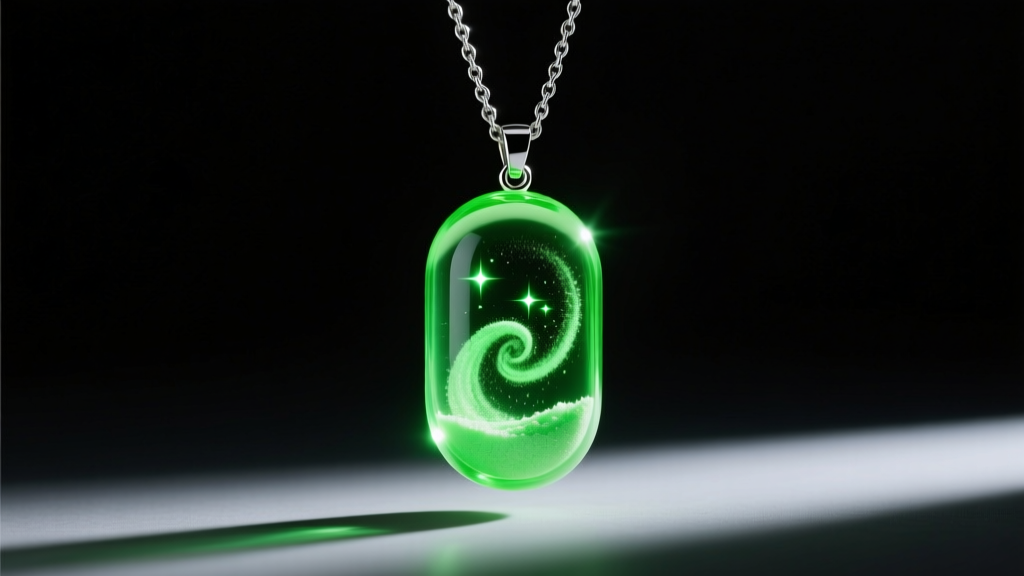
When most people hear the phrase "glow stick necklace," they immediately picture the flimsy, single-use plastic tubes that defined 1990s rave culture. However, as we move through 2026, the aesthetic has undergone a radical, high-end transformation. Today’s luminescent jewelry bridges the gap between nostalgic festival nostalgia and sophisticated material science. Modern artisans and tech-wear designers are utilizing advanced photoluminescent pigments, UV-reactive fluorescent resins, and woven fiber-optic threads to create permanent, durable, and stunningly bright alternatives to disposable party favors.
Whether you are shopping for an EDM festival veteran, a cyberpunk fashion enthusiast, or someone who simply loves statement nightlife accessories, this comprehensive gift guide will help you navigate the elevated world of the modern glow stick necklace. We will break down the exact materials, wavelength requirements, and occasion-matching strategies you need to select a piece that truly shines.
The Demise of Plastic: Enter Advanced Luminescence
The traditional chemical glow stick relies on a reaction between hydrogen peroxide and phenyl oxalate ester, contained in a fragile glass vial inside a plastic tube. It lasts for perhaps eight hours before becoming toxic, non-biodegradable waste. The contemporary glow stick necklace completely abandons this chemistry in favor of sustainable, repeatable light emission.
High-end luminescent pendants now utilize strontium aluminate (SrAl2O4), a non-toxic, inert phosphorescent material that is vastly superior to the older zinc sulfide pigments used in cheap glow-in-the-dark toys. When doped with europium and dysprosium ions, strontium aluminate can absorb ambient or UV light and emit a brilliant, visible glow for up to 12 hours after just 10 minutes of charging. According to material safety data and manufacturing standards outlined by GloTech International, this pigment is entirely safe for skin contact and completely stable when encapsulated in jewelry-grade epoxy resins.
Occasion Matching: When to Gift a Glow Necklace
Not all luminescent jewelry is created equal, and the specific light-emitting mechanism dictates where and when the piece will perform best. Here is how to match the jewelry to the recipient's lifestyle and upcoming events.
1. Multi-Day EDM Festivals & Camping Raves
The Ideal Gift: Strontium Aluminate Photoluminescent Pendants.
Why: Festivals like Electric Forest or EDC require gear that doesn't rely on batteries. A photoluminescent resin pendant will charge continuously under the harsh desert sun or ambient stage lighting, passively glowing bright neon green or aqua blue as the recipient walks back to their campsite in the dark. Look for pieces set in hypoallergenic titanium or 316L surgical steel to withstand sweat and humidity.
2. Underground Nightclubs & Blacklight Parties
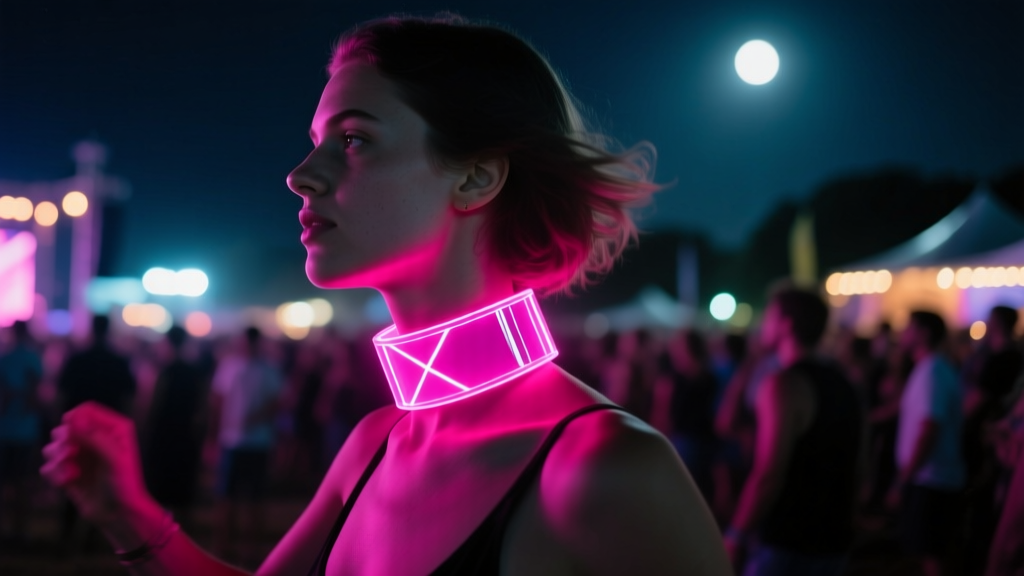
The Ideal Gift: UV-Reactive Fluorescent Acrylic Chokers.
Why: Unlike phosphorescent materials that glow in total darkness, fluorescent materials require an active UV light source to "bloom." Many modern underground clubs and neon-themed parties install 365nm blacklights specifically to trigger these pigments. A thick, laser-cut fluorescent acrylic choker will absorb the invisible UV radiation and re-emit it as blindingly bright visible light in shades of hot pink, electric orange, or toxic yellow.
3. Cyberpunk Fashion & Tech-Wear Gatherings
The Ideal Gift: Electroluminescent Fiber-Optic Woven Chains.
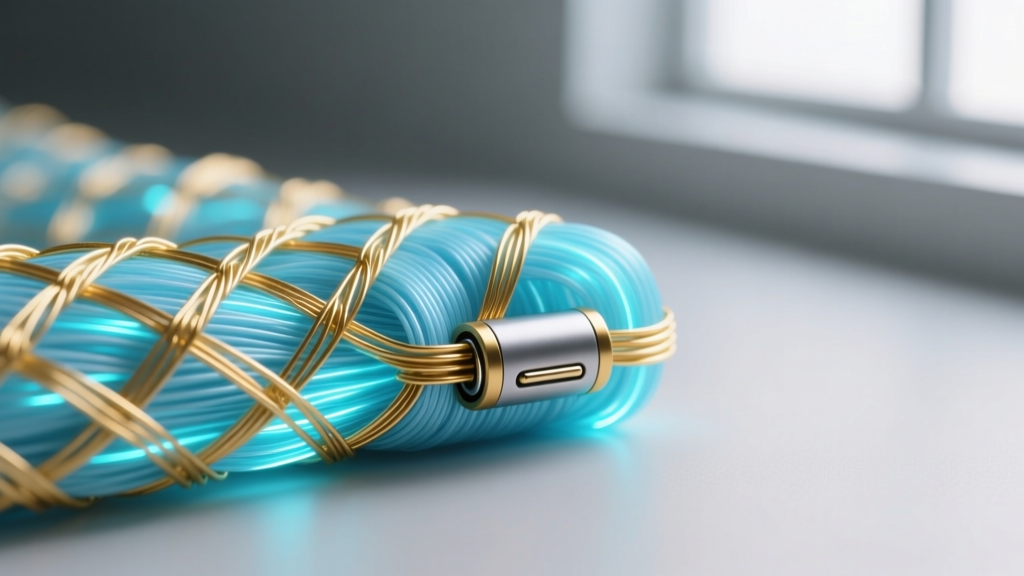
Why: For the fashion-forward recipient who treats nightlife as a runway, battery-powered fiber-optic jewelry offers an active, continuous glow that doesn't rely on ambient light charging. These pieces weave microscopic PMMA (polymethyl methacrylate) optical threads directly into 14k gold-filled or sterling silver chainmail, powered by a discreet, rechargeable clasp battery.
Material Deep-Dive: The Science of the Glow
To select a high-quality glow stick necklace, you must understand the difference between the three primary luminescent technologies used in 2026 jewelry design. This table breaks down the exact specifications, pricing, and performance metrics for each category.
| Technology | Activation Method | Peak Glow Duration | Best Color Options | Price Range (Artisan) |
|---|---|---|---|---|
| Photoluminescent (Strontium Aluminate) | Ambient sunlight or UV flashlight | 8–12 hours (fading gradient) | Aqua, Neon Green, Sky Blue | $65 – $180 |
| Fluorescent (UV Reactive Resin/Acrylic) | Active 365nm–395nm UV Blacklight | Continuous (only while illuminated) | Hot Pink, Electric Orange, Yellow | $45 – $120 |
| Electroluminescent (Fiber-Optic/LED) | Internal lithium-ion battery clasp | 4–6 hours (continuous active glow) | Cyan, RGB Color-Changing, Crimson | $150 – $350+ |
Note on UV Safety: When gifting fluorescent jewelry, it is highly recommended to bundle the necklace with a high-quality 365nm UV flashlight. The 365nm wavelength is much more effective at exciting fluorescent pigments than the cheaper, purple-tinted 395nm LEDs found in novelty toys. Furthermore, as noted by the U.S. Food and Drug Administration (FDA), 365nm UV-A light is generally safer for incidental skin exposure than shorter, more energetic UV-B wavelengths, though direct eye exposure should always be avoided.
Top Artisan & Designer Gifting Strategies for 2026
Finding the perfect luminescent piece means looking beyond mass-market costume jewelry and seeking out specialized artisans. Here are the specific search terms and material grades you should look for when shopping for a premium glow stick necklace this year.
Search for "Deep-Pour Epoxy Strontium Aluminate"
Many amateur crafters use cheap polyester resins that yellow within months, ruining the light-absorption capabilities of the glow powder. Look for artisans who explicitly state they use UV-stabilized, deep-pour epoxy resin. This ensures the pendant remains optically clear, allowing maximum light penetration to charge the strontium aluminate core. The best pieces feature a "core and shell" design, where a concentrated layer of glow powder is suspended in the center of a crystal-clear resin teardrop.
Look for "Optical Thread Chainmaille"
For the electroluminescent fiber-optic necklaces, the weaving technique is paramount. Search for jewelers specializing in "optical thread chainmaille." These artisans strip the cladding off 0.5mm PMMA fiber-optic threads at precise mathematical intervals, allowing the light to escape in a dotted, starlight pattern along the collarbone. Ensure the metal wire woven alongside the fiber is at least 14k gold-filled or solid sterling silver; base metals like brass or copper will oxidize and stain the optical threads over time.
Care, Maintenance, and Charging Protocols
A luminescent necklace requires a slightly different care regimen than traditional gemstone jewelry. Improper cleaning or storage can permanently degrade the light-emitting properties of the piece.
- Charging Photoluminescent Resin: While sunlight works, the absolute fastest way to "supercharge" a strontium aluminate pendant is with a dedicated 365nm UV flashlight. Just 60 seconds of direct UV exposure will yield a blindingly bright initial glow that transitions into a soft, long-lasting ambient aura.
- Cleaning UV Acrylic: Fluorescent acrylic chokers are highly susceptible to micro-scratches, which can cloud the surface and reduce UV light absorption. Never clean these with paper towels or alcohol-based solutions. Instead, use a microfiber cloth and a specialized acrylic polish or mild soapy water.
- Battery Care for Fiber-Optics: If gifting an electroluminescent piece, ensure the recipient knows not to store the necklace with the magnetic clasp connected. Many hidden battery clasps use magnets to complete the circuit; storing it closed will drain the lithium-ion cell and potentially degrade the battery's overall lifespan.
Final Thoughts on Gifting Luminescence
The modern glow stick necklace is a triumph of material science and avant-garde fashion. By moving away from disposable plastics and embracing the unique properties of strontium aluminate, UV-reactive fluorophores, and woven fiber-optics, you are gifting a piece of functional art that actively interacts with the environment. Whether your recipient is navigating a dark forest after a midnight DJ set or stepping into a neon-drenched underground club, a carefully selected luminescent pendant guarantees they will be the brightest presence in the room.
For more information on how non-ionizing radiation interacts with fluorescent materials, you can review the guidelines published by the Environmental Protection Agency (EPA). Understanding the science behind the glow ensures you select a piece that is as safe and durable as it is visually spectacular.


