Cluster Charm Necklace Materials: A Durability & Weight Guide
Discover how metal density, solder joints, and tarnish resistance impact your cluster charm necklace. Compare silver, gold, and vermeil properties.

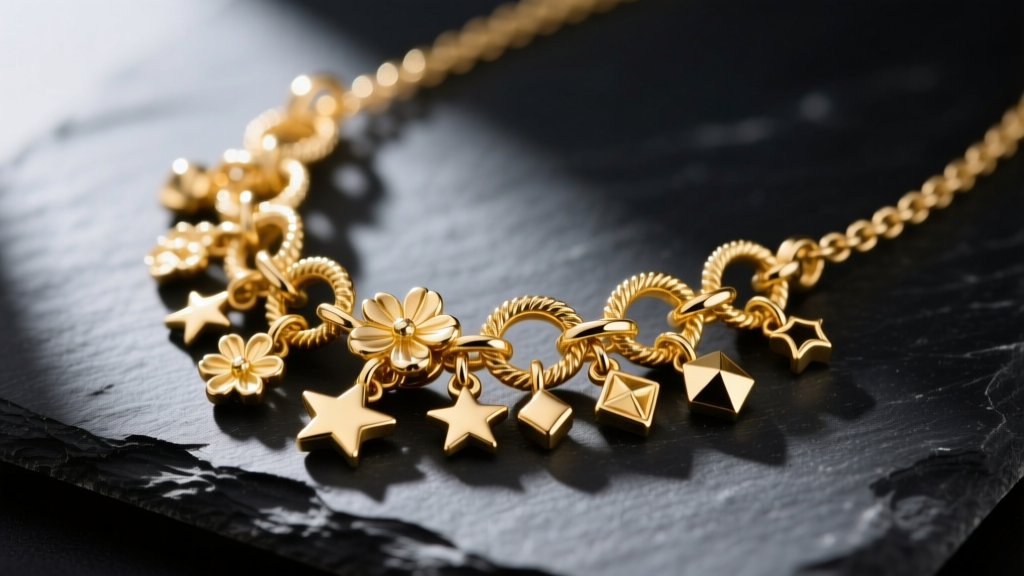
A cluster charm necklace is a masterclass in kinetic jewelry design. Whether it features a single pendant composed of tightly grouped motifs or a chain adorned with a concentrated cluster of dangling elements, the visual appeal is undeniable. However, from a metallurgical and structural engineering perspective, clustering multiple charms introduces unique physical challenges. The compounded weight, increased friction between elements, and the trapping of environmental moisture demand a rigorous approach to material selection.
In this guide, we move beyond aesthetics to analyze the material properties that dictate the lifespan, comfort, and structural integrity of cluster charm necklaces in 2026.
The Physics of Cluster Pendants: Weight and Tensile Stress
When evaluating a cluster charm necklace, the first property to consider is specific gravity (density). A single charm might weigh 2 grams, but a cluster of seven charms easily pushes the pendant weight to 15–20 grams. This concentrated mass exerts continuous tensile stress on the chain links and the clasp mechanism.
Metals with higher density, such as 18k gold (approx. 15.5 g/cm³), will make a cluster pendant significantly heavier than the same design cast in sterling silver (10.49 g/cm³) or titanium (4.5 g/cm³). If the chain is too delicate—such as a 14-inch, 1.2mm cable chain—the gravitational pull of a heavy gold cluster will cause the links to oval and stretch over time. For clusters exceeding 12 grams, a minimum chain gauge of 1.8mm to 2.2mm is required to prevent permanent deformation.
Metallurgical Breakdown: Silver, Gold, and Vermeil
Choosing the right alloy is critical for balancing durability with budget. According to the Gemological Institute of America (GIA), the alloying metals used in karat gold and sterling silver drastically alter the Vickers hardness and tarnish resistance of the final piece.
| Material Grade | Density (g/cm³) | Vickers Hardness (HV) | Tarnish Risk | Avg. Cluster Pendant Price |
|---|---|---|---|---|
| 925 Sterling Silver | 10.49 | 65 - 75 | High (Copper content) | $120 - $280 |
| 14k Solid Gold | 13.00 | 120 - 140 | Very Low | $450 - $900 |
| 18k Solid Gold | 15.50 | 110 - 125 | None | $800 - $1,500+ |
| Gold Vermeil (Silver base) | 10.49 | 65 - 75 | Moderate (Edge wear) | $90 - $180 |
The Vermeil Vulnerability in Cluster Designs
Gold vermeil consists of a 925 sterling silver base plated with at least 2.5 microns of gold. While beautiful, vermeil is highly vulnerable in cluster charm designs. As the individual charms swing and collide with one another during daily wear, the micro-friction acts like a mild abrasive. Over 6 to 12 months, this kinetic friction will wear away the gold plating at the contact points, exposing the silver core and leading to localized tarnishing.
The Hidden Failure Points: Solder Joints and Jump Rings
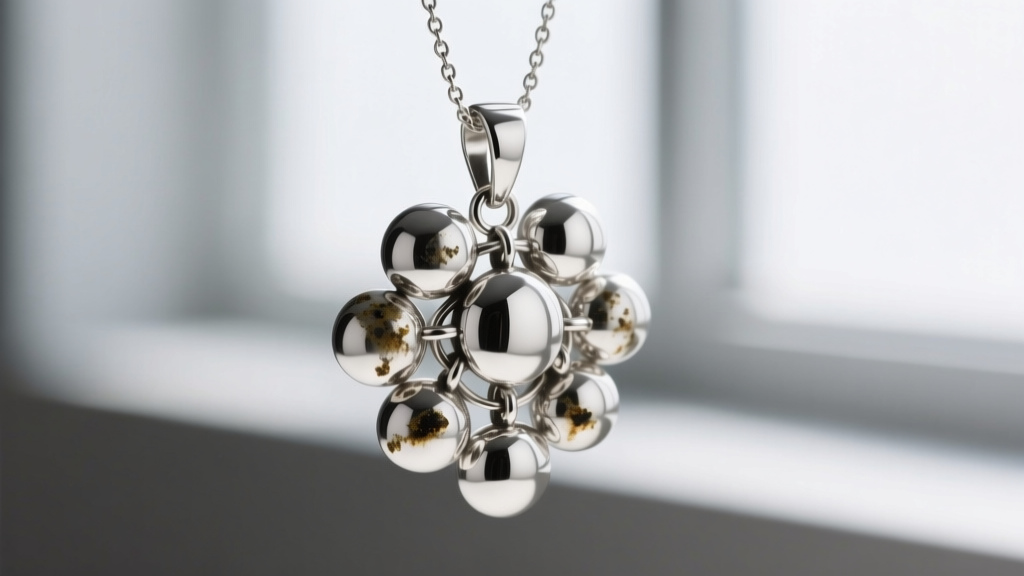
The most common point of catastrophic failure in any charm necklace is the jump ring. In a cluster charm necklace, the primary jump ring connects the entire cluster assembly to the chain. Because of the pendulum effect created by the clustered weight, this single ring endures multidirectional torque.
- Unsoldered Jump Rings: These rely on the tension of the metal to stay closed. Under the dynamic load of a heavy cluster, unsoldered rings will eventually experience 'work hardening' and snap open, resulting in the loss of the pendant.
- Soldered Jump Rings: A jeweler uses a laser or torch to fuse the seam of the jump ring with a lower-temperature solder alloy. This increases the tensile strength of the connection by over 300%. Always inspect the primary bail and jump ring of a cluster pendant under a loupe to ensure the seam is fully soldered.
Expert Tip: If purchasing a vintage or artisan cluster charm necklace with unsoldered rings, take it to a bench jeweler to have the primary connection points laser-welded before wearing it. The $20-$40 repair cost is negligible compared to losing a multi-element pendant.
Micro-Crevices and Galvanic Corrosion
Cluster charms are notorious for creating micro-crevices—tiny, inaccessible gaps where two or more charms rest against each other. These gaps trap sebum (skin oils), lotions, and perspiration.
When sweat (which contains sodium chloride and lactic acid) becomes trapped between tightly packed charms, it creates an electrolytic environment. If the necklace contains mixed metals—for example, a brass core charm mixed with a silver-plated charm—this moisture triggers galvanic corrosion. The less noble metal (brass) will rapidly oxidize and degrade, leaving a green residue on the skin and permanently pitting the metal surface. To prevent this, ensure every element in the cluster is cast from a homogenous, high-purity alloy like solid 14k gold or pure titanium.
Professional vs. At-Home Maintenance
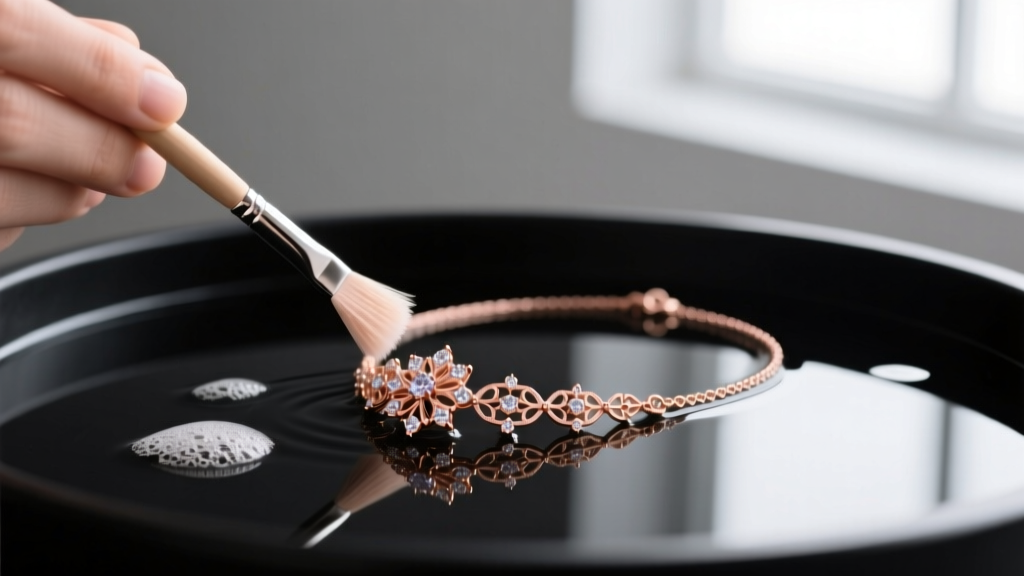
Cleaning a cluster charm necklace requires a departure from standard jewelry care. The tight grouping of elements means that dirt and polishing compounds easily become trapped in the recesses.
Why You Should Avoid Ultrasonic Cleaners
While Jewelers of America often recommends ultrasonic cleaners for solid gold and diamond jewelry, they are highly risky for cluster charm necklaces. The high-frequency cavitation bubbles generated by ultrasonic machines can easily shake loose micro-pave stones, fracture tension settings, or weaken the delicate solder joints connecting the individual charms to the main bail.
The Optimal Cleaning Protocol
- The Soak: Submerge the necklace in a shallow bowl of warm water mixed with a few drops of phosphate-free dish soap for 10 minutes. This softens hardened sebum in the crevices.
- The Agitation: Use an extra-soft baby toothbrush or a specialized jewelry detailing brush to gently sweep the gaps between the charms. Never use stiff bristles, which will scratch high-polish finishes.
- The Rinse and Dry: Rinse under lukewarm running water. Crucially, use a can of compressed air or a hair dryer on the 'cool' setting to blast water out of the micro-crevices. Air-drying a cluster pendant often leaves hard water spots trapped between the charms.
Final Verdict: Selecting Your Material
The ideal material for your cluster charm necklace depends entirely on your wear habits. For everyday, 'never-take-it-off' wear, solid 14k gold is the undisputed champion; its superior Vickers hardness resists the kinetic abrasion of clinking charms, and it will not corrode in the micro-crevices. For occasional or seasonal wear, 925 sterling silver offers excellent value and a beautiful weight, provided you commit to regular polishing and thorough drying after cleaning. Avoid gold vermeil for cluster designs unless you are prepared for the inevitable friction-wear that will occur where the charms interact.


