Bernice Burgos Necklace Styles: Metal Properties Compared
Discover the material properties behind the iconic Bernice Burgos necklace looks. Compare solid gold, vermeil, and plated metals for perfect drape.

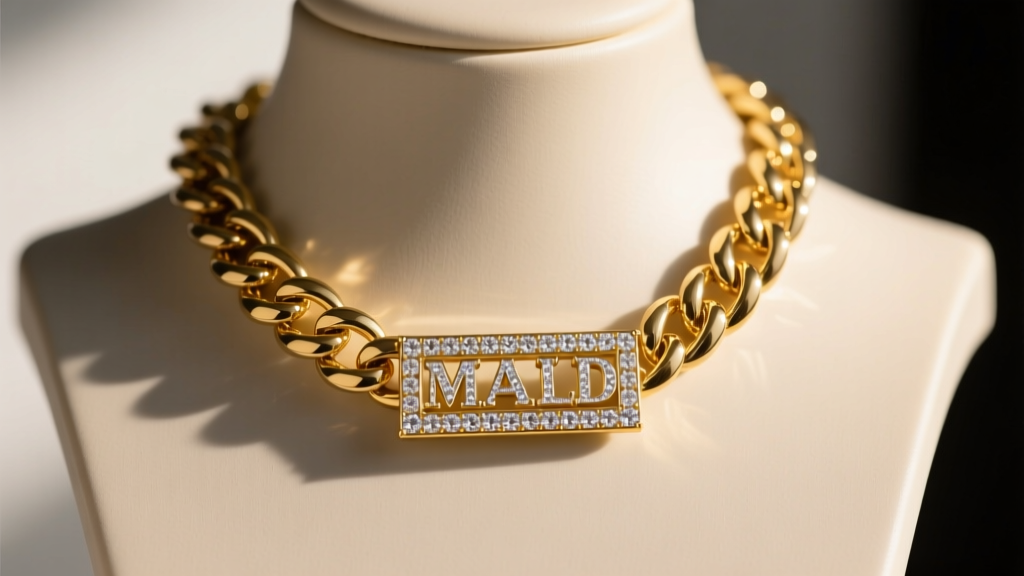
When fans and jewelry enthusiasts search for a signature bernice burgos necklace, they are rarely looking for a delicate, understated piece. The model, entrepreneur, and cultural icon is renowned for her high-impact, heavy-carat aesthetic. Her signature looks frequently feature thick Cuban link chains, oversized nameplate pendants, and diamond-encrusted crosses that demand attention. However, achieving this specific celebrity aesthetic requires more than just a bold design; it demands a deep understanding of jewelry metallurgy. The way a heavy chain drapes across the collarbone, how it catches the light, and whether it survives daily wear without tarnishing or stretching all come down to the specific material properties of the metal used.
In 2026, the market for statement chains is more saturated than ever, with manufacturers offering everything from solid 18-karat gold to brass plated with a microscopic flash of gold. To replicate the iconic Bernice Burgos necklace style without falling victim to green skin, broken links, or disappointing drape, you must understand the metallurgical differences between these materials. This guide breaks down the exact properties, hardness ratings, and specific gravities of the metals used in high-end statement necklaces.
The Anatomy of a Statement Chain
A true statement necklace relies on structural integrity. The classic Cuban link chain, a staple in the Bernice Burgos necklace rotation, consists of interlocking, flattened oval links. Because these links lie flat against one another, they create a dense, continuous ribbon of metal. When crafted in solid gold, a 10mm wide, 20-inch Cuban chain can easily weigh between 150 and 250 grams. This immense weight places significant tensile stress on the individual links and the clasp mechanism.
If the metal alloy is too soft, the links will slowly elongate over time, causing the chain to lose its tight, uniform pattern. If the metal is too brittle, the links may snap under the dynamic stress of daily movement. Therefore, the karatage and alloy composition of the gold are not just matters of color and prestige; they are critical engineering variables that dictate the lifespan of the necklace.
Solid Gold vs. Plated: Decoding the Look
14K vs 18K Solid Gold
According to the Gemological Institute of America (GIA), pure 24K gold is far too malleable for heavy jewelry, possessing a Vickers hardness (HV) of merely 25. To create a durable Bernice Burgos necklace, jewelers must alloy the gold with metals like copper, silver, and zinc.
- 18K Gold (75% Pure): With an HV of roughly 130-140, 18K gold offers a rich, buttery yellow hue that is highly prized in luxury hip-hop jewelry. However, its lower hardness means that heavy pendants suspended on 18K chains can cause the links to stretch over time. It is best suited for chains thicker than 8mm where the structural volume compensates for the softer alloy.
- 14K Gold (58.3% Pure): Boasting an HV of 160-180, 14K gold is the workhorse of American statement jewelry. The higher copper and zinc content not only increases the tensile strength, preventing link distortion, but it also provides a slightly warmer, more durable finish that resists scratching. For heavy, daily-wear chains, 14K is the superior engineering choice.
Gold Vermeil vs. Standard Gold Plating
For those looking to achieve the high-carat look without the five-figure price tag, plated metals are the default alternative. However, not all plating is created equal. The Federal Trade Commission (FTC) Jewelry Guides strictly define the boundaries between standard plating and vermeil.
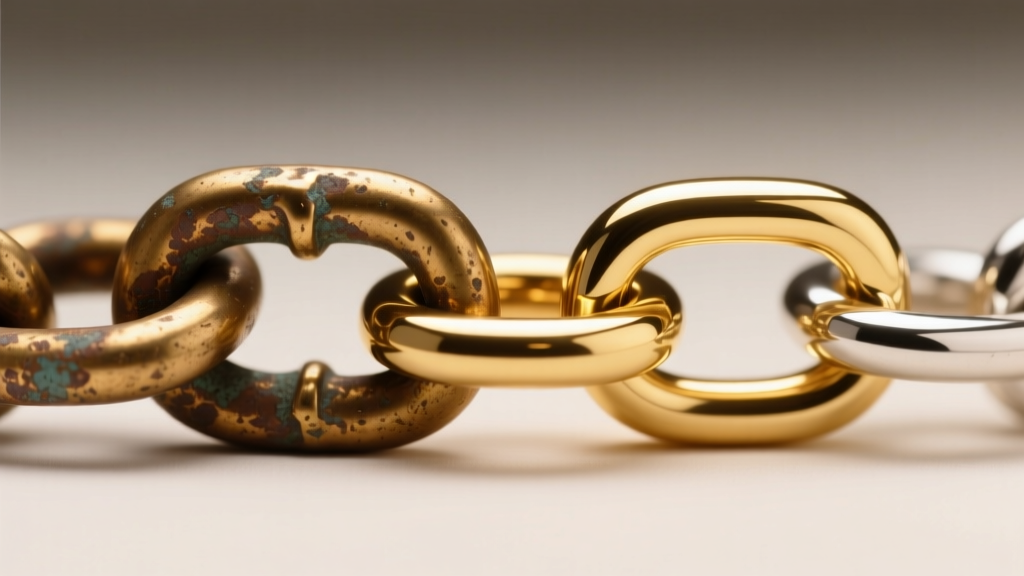
Gold Vermeil must consist of a sterling silver base coated with a minimum of 2.5 microns of 10K gold or higher. Because sterling silver is a precious metal that does not flake or cause severe allergic reactions, vermeil is a safe, high-quality alternative. The 2.5-micron thickness is crucial; it ensures the gold layer will not wear through to the silver base within the first few months of friction against the skin.
Standard Gold Plating, often found in fast-fashion statement chains, typically uses a brass or copper base with a gold layer measuring less than 0.5 microns. This microscopic layer will inevitably wear away, exposing the reactive brass underneath, which oxidizes and turns the skin green—a fatal flaw for any high-end celebrity aesthetic.
Material Properties Comparison Chart
When selecting the metal for a heavy pendant or chain, referencing the material data is essential for predicting how the piece will perform over time. The table below compares the core metallurgical properties of the most common metals used in statement necklaces.
| Metal / Alloy | Base Composition | Vickers Hardness (HV) | Specific Gravity | Tarnish & Corrosion Resistance |
|---|---|---|---|---|
| 14K Yellow Gold | 58.3% Au, Cu, Ag, Zn | 160 - 180 | 13.5 g/cm³ | Excellent |
| 18K Yellow Gold | 75% Au, Cu, Ag | 130 - 140 | 15.5 g/cm³ | Excellent |
| Gold Vermeil | 92.5% Ag base, 2.5µm Au | 60 - 70 (Base) | 10.4 g/cm³ | Good (Requires care) |
| Gold Plated Brass | Cu/Zn base, <0.5µm Au | 100 - 120 (Base) | 8.5 g/cm³ | Poor (High oxidation risk) |
| Stainless Steel (316L) | Fe, Cr, Ni, Mo | 220 - 240 | 8.0 g/cm³ | Superior |
Weight, Drape, and Specific Gravity
One of the most overlooked aspects of a Bernice Burgos necklace is the 'drape'—the way the chain falls and conforms to the body. Drape is heavily influenced by a material's specific gravity (density). Gold is an exceptionally dense metal. Pure gold has a specific gravity of 19.3 g/cm³, meaning a solid 18K gold chain will feel significantly heavier and hang with more momentum than a visually identical chain made of brass (8.5 g/cm³) or stainless steel (8.0 g/cm³).
This weight is not just a psychological indicator of luxury; it is a functional component of the design. The high specific gravity of solid gold allows a thick Cuban chain to lay flat against the chest and move fluidly with the wearer. Lightweight alternatives, like hollow-tube gold chains or aluminum-based alloys, tend to kink, twist, and sit stiffly on the collarbone, completely ruining the luxurious, fluid aesthetic required for high-impact celebrity styling. If you are purchasing a vermeil or silver alternative to mimic the solid gold look, you must opt for a wider, thicker link profile to compensate for silver's lower density (10.4 g/cm³) and achieve a comparable drape.

How to Prevent Skin Discoloration and Link Stretching
Replicating a high-end aesthetic requires maintaining the piece in pristine condition. Skin discoloration is the hallmark of inferior base metals. When brass or copper-heavy alloys are exposed to the natural acids, sweat, and lotions on the skin, a chemical reaction occurs, producing copper salts that leave a dark green or black stain. To avoid this while maintaining the bold Bernice Burgos necklace aesthetic, strictly adhere to the following maintenance protocols:
- The Vermeil Verification: Always demand documentation that a vermeil piece meets the 2.5-micron FTC standard. Anything less is essentially costume jewelry and will degrade rapidly under the weight of a large pendant.
- Clasp Engineering: Heavy chains require robust clasps. A standard spring-ring clasp will fail under the dynamic load of a 100g+ chain. Insist on a reinforced lobster clasp or, ideally, a custom-milled box clasp with a dual safety latch, which distributes the tensile load across a wider surface area.
- Pendant Weight Distribution: If you are adding an oversized, diamond-cut nameplate or heavy gemstone cross to your chain, ensure the bail (the loop connecting the pendant to the chain) is wide enough to span at least three links of the chain. This prevents localized friction and stops the pendant from grinding away the gold plating or weakening a single solid gold link.
Final Verdict: Investing in the Right Metal
Achieving the flawless, commanding presence of a Bernice Burgos necklace is an exercise in material science as much as it is in fashion. While solid 14K and 18K gold remain the undisputed champions of density, drape, and longevity, they require a massive financial investment. For those navigating the 2026 market on a budget, heavy-gauge gold vermeil over sterling silver is the only acceptable compromise. It provides the necessary hypoallergenic base and sufficient gold thickness to withstand the friction of daily wear.
Ultimately, the secret to pulling off the heavy-chain, oversized-pendant look lies in respecting the physics of the jewelry. By prioritizing Vickers hardness for link integrity and specific gravity for that signature luxurious drape, you can build a statement necklace collection that looks authentically high-carat and performs flawlessly for years to come.


