Collar: The Spanish for Necklace and Metal Properties Guide
Discover the Spanish for necklace (collar) and explore a deep-dive into silver, gold alloys, and clasps when buying Latin American or Spanish jewelry.

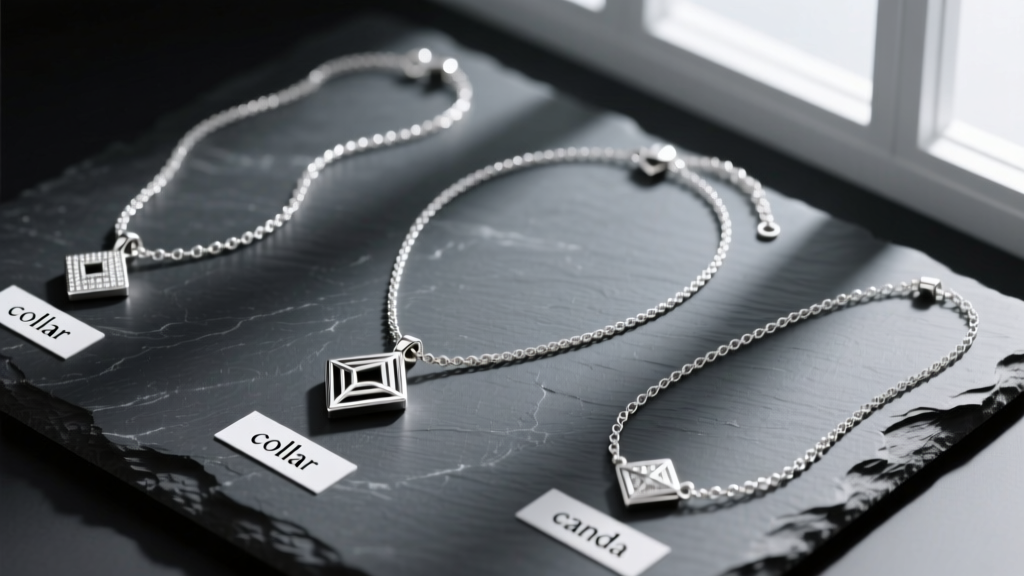
When navigating international artisan markets, browsing bilingual estate sales, or shopping from Latin American jewelers online, linguistic barriers can complicate your purchasing decisions. While the direct spanish for necklace translates to collar, understanding the metallurgical properties behind the jewelry is far more critical than simply knowing the vocabulary. Whether you are investing in a heavy Cuban link from Miami's Calle Ocho, a delicate gold chain from Madrid, or artisan silver from Taxco, the alloy composition dictates the piece's durability, tarnish resistance, and long-term value.
In this comprehensive 2026 material guide, we decode the essential Spanish jewelry terminology while providing a masterclass in the metallurgical properties of the most common necklace alloys. By bridging the linguistic gap with hard material science, you will never be misled by a poorly stamped hallmark or an inferior alloy blend again.
Decoding the Lexicon: Collar, Cadena, and Gargantilla
Before evaluating the metal, you must understand what you are actually looking at. The spanish for necklace is collar, but the terminology branches out based on the structure and length of the piece:
- El Collar: The umbrella term for any necklace, typically referring to shorter, statement pieces or rigid collars.
- La Cadena: Translates to 'chain.' This refers specifically to the metal link structure (e.g., cadena de eslabones cubanos for Cuban link chains) without a pendant.
- La Gargantilla: A choker. These sit tightly against the neck (usually 14-16 inches) and require highly flexible, articulated links to prevent metal fatigue and snapping.
- El Colgante: The pendant. The decorative focal point that hangs from the cadena.
The Silver Spectrum: Plata .925 vs. .950 vs. .999
Silver (plata) is the backbone of Latin American jewelry, particularly in Mexico, which remains one of the world's premier silver producers. However, not all silver stamps are created equal. Understanding the Vickers Hardness (HV) and copper content of these alloys is vital for selecting the right collar for daily wear.
Pure silver (.999) is exceptionally soft, measuring roughly 25 HV on the Vickers scale. It is unsuitable for chain links, which require a minimum of 60 HV to resist stretching and deformation under the weight of a pendant.
Taxco Silver and the .950 Standard
While the global standard for sterling silver is .925, many high-end artisan jewelers in Taxco, Mexico, utilize a .950 alloy. Composed of 95% pure silver and 5% copper, this alloy offers a noticeably richer, whiter luster than standard sterling. However, the reduced copper content lowers the Vickers Hardness to approximately 55 HV. This makes .950 silver ideal for heavy, rigid collares and cast pendants, but a poor choice for delicate, high-tension chains like box cords or wheat chains, which will stretch over time.
| Silver Alloy | Composition | Hardness (HV) | Tarnish Rate | Best Application |
|---|---|---|---|---|
| .999 (Fine) | 99.9% Ag, 0.1% Trace | ~25 HV | Very Low | Bezel wire, investment casting |
| .950 (Taxco) | 95% Ag, 5% Cu | ~55 HV | Low-Medium | Heavy bangles, rigid collars, cast pendants |
| .925 (Sterling) | 92.5% Ag, 7.5% Cu | ~65 HV | Medium | Standard chains, clasps, prong settings |
| .900 (Coin) | 90% Ag, 10% Cu | ~85 HV | High | Vintage pieces, heavy-duty clasps |
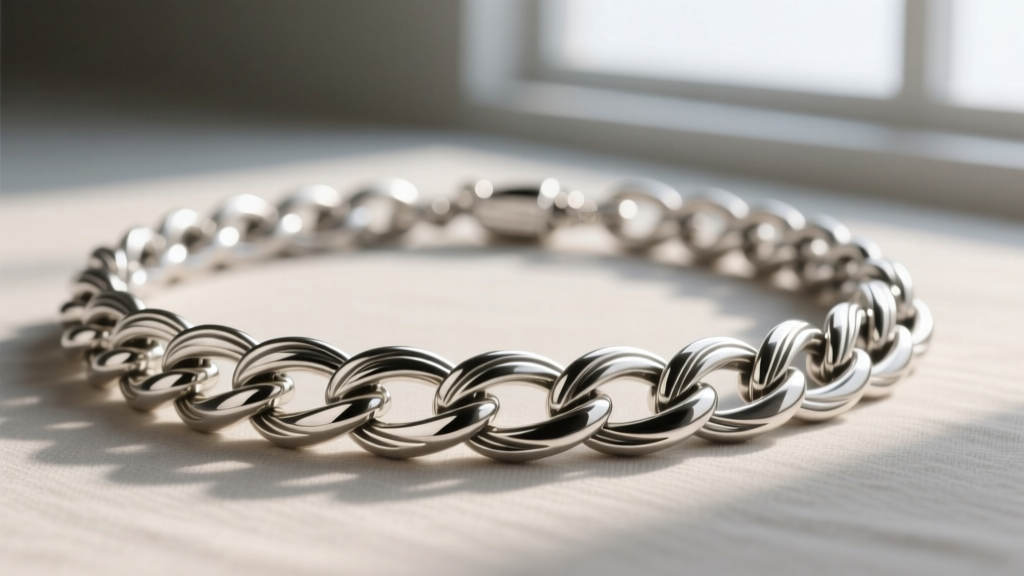
According to The Silver Institute, the copper content in silver alloys is the primary catalyst for oxidation. When buying a cadena de plata, inspect the stamp. If it reads '925', expect standard tarnish rates. If it reads '950', expect a brighter luster but handle the chain with care to avoid link distortion.
Gold Karats (Oro): Why 18K and 14K Dominate Different Markets
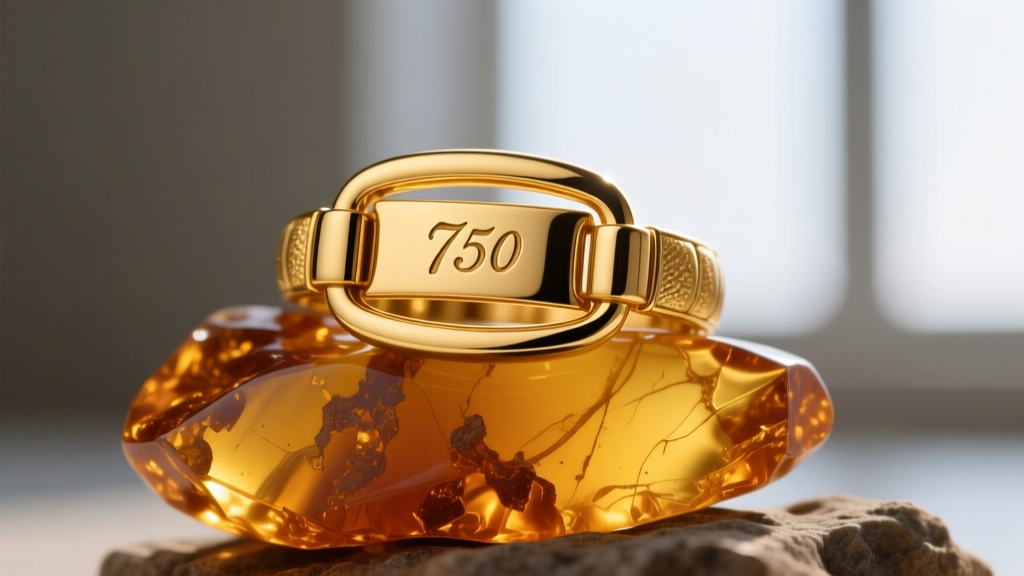
When shopping for a gold collar in Spain or South America, you will predominantly encounter 18K gold, stamped as '750'. In contrast, the US and parts of Central America favor 14K gold, stamped '585'. The difference in material properties is profound.
18K Gold (750): The European & South American Standard
18K gold consists of 75% pure gold and 25% alloy metals. The higher gold content gives the metal a deeper, more saturated yellow hue and superior hypoallergenic properties. However, pure gold is soft. To achieve a workable hardness (roughly 120-130 HV), metallurgists alloy the remaining 25% with a precise mix of copper and silver. Oro amarillo de 18 quilates is highly resistant to chemical corrosion but is more prone to surface scratching and denting than its 14K counterpart.
14K Gold (585): The Durability Champion
Containing 58.5% pure gold, 14K gold utilizes a higher percentage of copper, zinc, and silver. This increases the Vickers Hardness to approximately 150-160 HV. If you are purchasing a heavy cadena cubana (Cuban link chain) meant for daily wear, 14K gold is metallurgically superior. The interlocking links will resist the friction-induced wear that eventually causes 18K chains to thin and snap at the solder points.
White Gold (Oro Blanco) vs. Platinum: The Rhodium Factor
The term oro blanco (white gold) is often misunderstood. White gold is not naturally white; it is yellow gold alloyed with white metals like palladium, nickel, or manganese to achieve a pale, grayish-yellow hue. To create the brilliant, mirror-like finish consumers expect, white gold necklaces are electroplated with rhodium, a platinum-group metal.
When buying an oro blanco necklace, you are buying a plated item. The rhodium layer on a high-quality pendant or chain typically measures between 0.75 and 1.0 microns. Friction from the neck, combined with the acidic pH of human sweat, will wear this plating away in 12 to 24 months, revealing the dull, yellowish alloy beneath.
Conversely, platino (platinum, usually stamped '950 Pt') is naturally white and does not require plating. While platinum is softer than 14K gold (meaning it scratches easily), it possesses high tensile strength and does not lose metal mass when scratched; the metal merely displaces. For heirloom-quality pendants featuring expensive diamonds, platinum is the undisputed material choice.
Gemstone Settings: Chatón vs. Garras
The way a gemstone is secured to your colgante (pendant) dictates both its security and its optical performance. Spanish jewelry terminology categorizes settings into two primary camps:
El Chatón (Bezel Setting)
A chatón involves a continuous rim of metal wrapped around the girdle of the gemstone. From a material science perspective, bezel settings are incredibly secure. The metal rim protects the stone's fragile edges from impact. However, creating a bezel requires more metal, which adds weight and cost to the necklace. Furthermore, polishing a chatón requires extreme care; aggressive buffing can wear down the metal rim, eventually compromising the stone's security.
Las Garras (Prong Setting)
Garras (prongs) use metal claws to grip the stone. This setting maximizes light return, making it ideal for high-refractive-index stones like diamonds and moissanite. However, prongs are failure points. A 14K gold prong will withstand daily impacts better than an 18K gold prong. When inspecting a vintage collar with prong settings, use a 10x jeweler's loupe to check for 'prong lifting'—a condition where the metal has fatigued and pulled away from the stone's crown.
Clasps and Hardware: Cierres, Broches, and Failure Points
The clasp (el cierre or el broche) is the most mechanically stressed component of any necklace. A heavy 50-gram silver chain secured by a cheap, hollow clasp is a disaster waiting to happen. Here is how the most common Spanish-market clasps perform metallurgically:
- Cierre de Langosta (Lobster Clasp): The gold standard for chains under 30 grams. The internal spring mechanism is usually made of stainless steel or hardened base metal to ensure repetitive tension resistance. Ensure the outer housing is solid cast metal, not stamped sheet metal, which can crush under pressure.
- Cierre de Resorte (Spring Ring): Common on lightweight, delicate gargantillas. These are prone to failure. The internal spring is incredibly thin and susceptible to corrosion from sweat and lotions. Never use a spring ring for chains exceeding 5 grams.
- Cierre de Palanca (Toggle Clasp): Consists of a T-bar that slips through an O-ring. Toggles rely entirely on gravity and tension to stay closed. They are excellent for heavy, stiff collares but are highly insecure for lightweight, fluid chains that can easily slip through the ring during movement.
Final Checklist for the Bilingual Jewelry Buyer
Armed with the spanish for necklace and a deep understanding of material properties, you can confidently evaluate any piece. Before finalizing your purchase, run through this expert checklist:
- Verify the Hallmark: Look for '925', '950', '585', or '750'. Beware of stamps like '925 Filled' or '18K HGE' (Heavy Gold Electroplate), which indicate a base metal core.
- Assess the Alloy for the Application: Choose 14K gold or .925 silver for high-tension chains (cadenas). Reserve 18K gold and .950 silver for rigid collars and low-impact pendants.
- Inspect the Clasp: Ensure the cierre de langosta operates smoothly and the solder rings connecting it to the chain are fully closed and flush.
- Check for Rhodium Wear: If buying oro blanco, inspect the back of the pendant and the clasp area for yellowing, which indicates depleted rhodium plating.
For further reading on global precious metal standards and gemological properties, consult the GIA Gem Encyclopedia. Understanding the intersection of language and metallurgy ensures your next collar is not just a beautiful accessory, but a masterclass in material engineering.


