The Colorful Cross Necklace Value Guide (2026 Budget)
Discover the true value of a colorful cross necklace in 2026. Compare enamel, gemstone, and resin options with our expert budget and pricing guide.

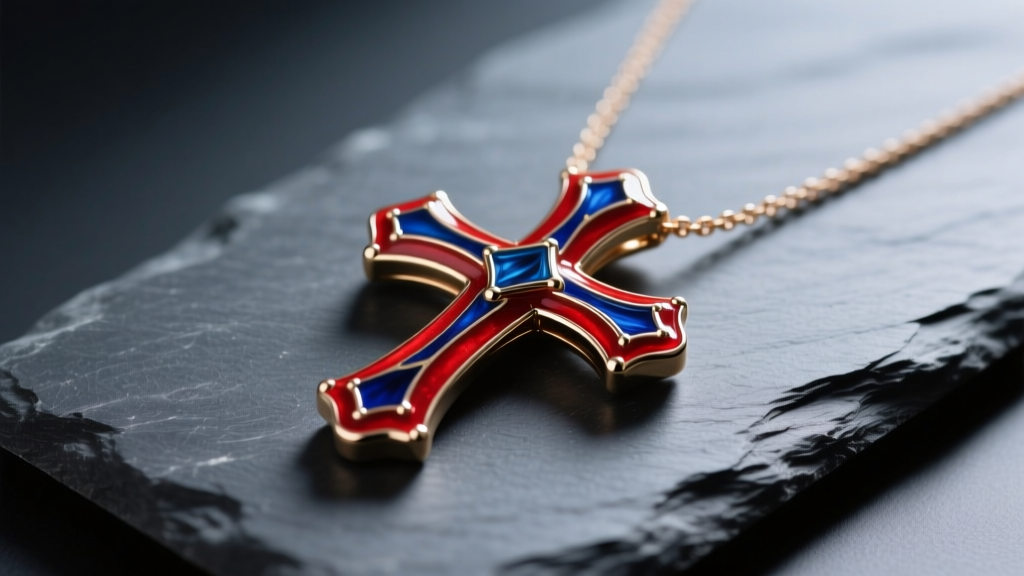
The colorful cross necklace has transcended its traditional boundaries, evolving into a vibrant staple of contemporary jewelry styling in 2026. Whether adorned with vivid gemstones, painted resins, or fired enamels, these pendants offer a striking focal point for both casual and formal necklines. However, the market is flooded with options ranging from $15 fast-fashion trinkets to $5,000 fine jewelry masterpieces. For the discerning buyer, understanding the true value of a colorful cross necklace requires looking past the initial aesthetic and examining the material integrity, construction techniques, and long-term durability.
In this comprehensive budget and value assessment, we break down the exact manufacturing details, material grades, and pricing tiers you need to know to make a financially sound and stylistically impeccable purchase.
The Anatomy of Color: Enamel vs. Gemstones
The 'color' in a colorful cross necklace is typically achieved through one of two primary methods: enamel inlay or gemstone setting. The method used dictates not only the price but the lifespan of the piece.
The Enamel Divide: Vitreous vs. Cold Enamel
Not all enamel is created equal. When evaluating a budget-friendly colorful cross necklace, you must determine whether the color comes from vitreous enamel or cold enamel (epoxy).
- Vitreous Enamel: This is a glass powder fused to metal at extreme temperatures (typically around 1400°F). It results in a brilliant, scratch-resistant, and permanent color that will never fade or yellow. A vitreous enamel cross pendant crafted in 14k gold will generally start around $450 and can easily exceed $1,500 depending on the complexity of the cloisonné wirework.
- Cold Enamel (Epoxy Resin): Common in pieces priced between $20 and $80, cold enamel is essentially a pigmented resin poured into metal recesses and cured at room temperature. While it offers a wide, vibrant color palette, it is highly susceptible to UV yellowing, thermal cracking, and chemical degradation from perfumes or lotions. Expect a cold enamel piece to show visible wear within 18 to 36 months.
Gemstone Inlay: Natural vs. Lab-Created
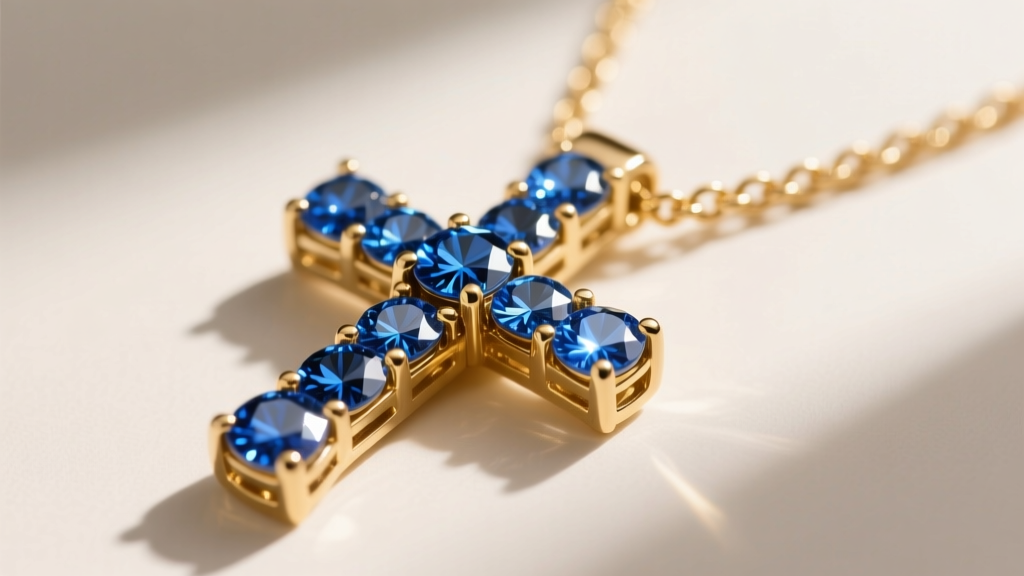
For gemstone-studded crosses, the value proposition shifts dramatically based on the origin of the stones. According to the Gemological Institute of America (GIA), lab-created gemstones possess the exact same chemical, physical, and optical properties as their natural counterparts. In 2026, a colorful cross necklace featuring lab-created hydrothermal emeralds, flame-fusion rubies, and Czochralski sapphires offers the ultimate 'sweet spot' for value. You can acquire a sterling silver pendant with vivid, flawless lab stones for $90 to $180, whereas the exact same design with natural, unheated gems would command upwards of $3,500.
The 2026 Pricing Matrix: Budget vs. True Value
To help you navigate the market, we have categorized the current landscape of colorful cross necklaces into three distinct tiers. This matrix highlights what you should expect to pay and the corresponding material quality.
| Value Tier | Price Range (2026) | Base Metal | Color Method | Expected Lifespan | Value Rating |
|---|---|---|---|---|---|
| Tier 1: Fast Fashion | $15 - $45 | Brass or Zinc Alloy | Epoxy Resin / Paint | 1 - 2 Years | Low (High cost-per-wear) |
| Tier 2: Demi-Fine | $65 - $250 | 925 Sterling Silver / Vermeil | Cold Enamel / Lab Gems | 5 - 15 Years | High (Best everyday value) |
| Tier 3: Fine Jewelry | $400 - $2,500+ | 14k/18k Solid Gold, Platinum | Vitreous Enamel / Natural Gems | Generational | Medium (High upfront, heirloom value) |
Chain Gauges and Hardware: The Hidden Cost Factors
Many buyers focus entirely on the cross pendant and neglect the chain, which is a critical component of the necklace's overall value and structural integrity. A heavy, gemstone-laden pendant requires a chain with adequate tensile strength.
For pendants weighing under 5 grams, a 0.8mm to 1.0mm cable or box chain is sufficient and keeps the overall budget low. However, if your colorful cross necklace features dense vitreous enamel or multiple carats of gemstones (weighing 8+ grams), you must upgrade to a 1.5mm to 2.0mm rope or wheat chain. Furthermore, inspect the clasp. Budget necklaces often utilize spring-ring clasps, which are prone to spring failure and difficult to operate with one hand. A true value-oriented piece will feature a lobster claw clasp, which offers a secure, mechanical lock that withstands daily tension.
Value Assessment Framework: How to Spot a Deal
When evaluating a specific piece, run it through this quick E-E-A-T (Expertise, Experience, Authoritativeness, and Trustworthiness) inspired checklist to ensure you are getting fair market value:
- The Vermeil Verification: If the piece is marketed as 'Gold Vermeil,' FTC guidelines dictate it must feature a minimum of 2.5 microns of gold plating over a sterling silver base. If the listing simply says 'gold plated over silver,' it likely has only 0.5 microns of gold, which will rub off within months.
- The Setting Inspection: Look closely at how the colorful stones are held. Glue-set stones (common in Tier 1) are an immediate red flag. Bezel settings offer the best protection for active wearers, while prong settings maximize light return and color brilliance.
- The Weight Test: Precious metals have specific gravities. A 925 sterling silver cross of a standard size (e.g., 25mm x 15mm) should feel noticeably dense and cool to the touch. If it feels exceptionally light or warm, it is likely hollow-cast brass or aluminum.
Longevity and Failure Modes: Protecting Your Investment
Understanding how a necklace fails is the key to protecting its value. The most common failure mode for budget colorful cross necklaces is epoxy delamination, where the resin shrinks slightly over time due to temperature fluctuations, pulling away from the metal bezel and trapping dirt. To prevent this, never wear cold enamel jewelry in the shower or while swimming.
For gemstone crosses, prong snagging is the primary risk. If a prong lifts, the colorful stone can easily fall out. As highlighted by consumer protection guides on Forbes Advisor, routine maintenance—such as an annual prong check by a local jeweler—costs less than $20 and safeguards hundreds of dollars in gemstone value. For vitreous enamel, the main threat is thermal shock; dropping a hot, freshly worn pendant into icy water can cause the glass enamel to fracture.
Final Verdict: Where Should You Spend?
The colorful cross necklace remains a powerful, expressive piece of jewelry. If your budget is under $50, treat the purchase as a temporary fashion accessory and expect to replace it within a few years. However, the true value corridor exists in the $80 to $200 demi-fine range. By targeting 925 sterling silver or heavy gold vermeil paired with lab-created gemstones or high-grade cold enamel, you secure a vibrant, durable, and structurally sound piece that offers an exceptional cost-per-wear ratio. Always prioritize the chain gauge and clasp quality, as these unsung heroes dictate whether your beautiful pendant stays securely around your neck or becomes a lost investment.


