Coptic Cross Necklace Troubleshooting: Fix Tarnish & Breaks
Troubleshoot common Coptic cross necklace issues. Learn how to fix tarnish, prevent chain breakage, and choose the right chain gauge.

The Unique Anatomy of a Coptic Cross Pendant
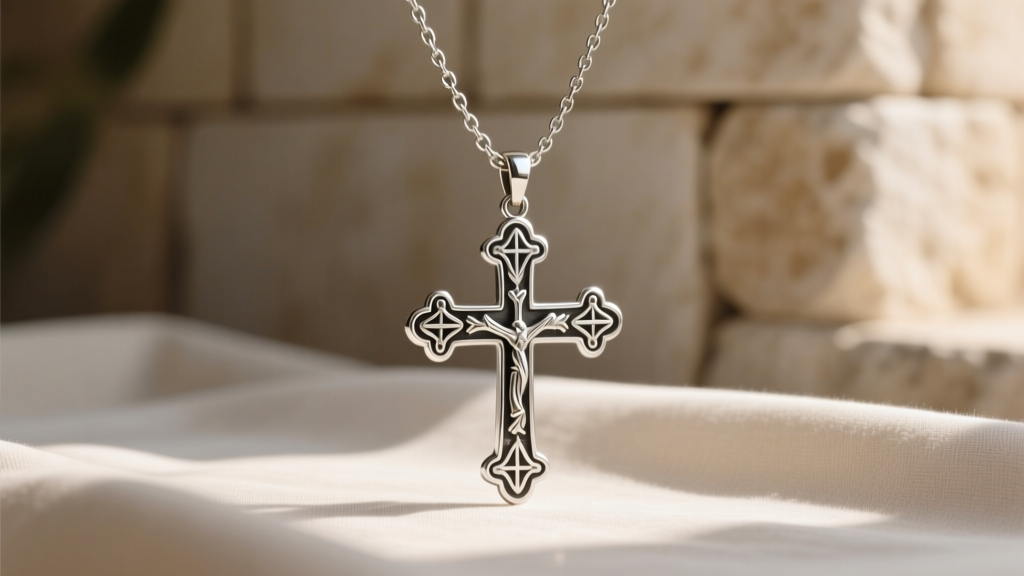
The Coptic cross—encompassing Ethiopian, Egyptian, and broader Eastern Orthodox traditions—is far more than a simple religious symbol; it is a masterclass in metallurgical artistry. Characterized by intricate latticework, filigree wirework, and broad, flared arms, these pendants carry significant physical and cultural weight. However, their unique structural properties often lead to specific wear-and-tear issues that standard jewelry maintenance guides fail to address. Whether you own a solid cast Axum cross, a delicate Lalibela filigree piece, or a modern minimalist interpretation, troubleshooting a Coptic cross necklace requires an understanding of its distinct anatomy.
The most critical structural component is the bail (the loop through which the chain passes). Traditional Ethiopian crosses often feature oversized, heavily soldered bails designed to accommodate thick cords or leather thongs. When paired with modern metal chains, the sheer weight of the pendant (often ranging from 15 to 40 grams) creates a point-load friction issue. Over time, the bail acts like a blunt saw against the chain links, leading to catastrophic metal fatigue and sudden breakage. Before addressing cosmetic issues, we must first solve the structural vulnerabilities inherent in wearing heavy, intricate pendants.
Troubleshooting Chain Breakage and Clasp Failures
The most frequent complaint among collectors and daily wearers of Coptic crosses is the chain snapping near the clasp or the bail. This is rarely a defect in the chain itself, but rather a mismatch in tensile strength and gauge thickness. Because Coptic crosses are top-heavy, they generate kinetic torque with every movement. Thin or poorly constructed chains cannot withstand this dynamic load.
Matching Chain Gauge to Pendant Weight
To prevent breakage, you must abandon delicate chains like snake, herringbone, or thin box chains. Snake chains, composed of interlocking metal cups, are notorious for kinking and snapping under the pendulum-like swing of a heavy cross. Instead, opt for chains with interlocking links that distribute weight evenly and allow for fluid movement. According to jewelry structural standards, a heavy pendant requires a minimum gauge thickness and a robust clasp mechanism.
| Chain Style | Recommended Gauge | Weight Capacity | Best For |
|---|---|---|---|
| Rope Chain | 2.5mm - 4.0mm | Up to 45g | Heavy, solid cast crosses |
| Curb Chain | 3.0mm - 5.0mm | Up to 60g | Large, flat pendant bails |
| Figaro Chain | 3.0mm - 4.5mm | Up to 50g | Vintage aesthetic pairings |
| Box Chain | Avoid for heavy | Under 15g | Lightweight, hollow crosses |
Pro-Troubleshooting Fix: If your chain keeps fraying inside the bail, the interior edge of the pendant's loop is likely too sharp or rough. Take the pendant to a local jeweler and ask them to use a flex shaft with a rubber polishing wheel to smooth and round the interior of the bail. This simple $15 fix can extend the life of your chain by years.

Solving Tarnish and Oxidation Issues
Coptic crosses are famous for their high-contrast finishes, where the recessed filigree is dark and the raised edges are highly polished. This is not accidental dirt; it is an intentional chemical patina, usually achieved using liver of sulfur. This oxidation highlights the painstaking wirework and lattice patterns that define the genre.
Preserving Intentional Patina vs. Removing Grime
The most common mistake owners make is using commercial silver dips or ultrasonic cleaners. These products contain thiourea or harsh alkaline solvents that strip away all oxidation uniformly. If you use a dip on a Coptic cross, you will erase the dark recesses, leaving the pendant looking flat, gray, and washed out, effectively ruining the artisan's intended contrast.
To safely clean your Coptic cross necklace without destroying the patina, follow this targeted approach:
- The Solution: Mix a few drops of phosphate-free dish soap (like Dawn) into a bowl of lukewarm distilled water. Avoid tap water, as chlorine and heavy minerals can react with the silver alloys.
- The Tool: Use an extra-soft baby toothbrush. Standard toothbrushes have bristles that are too stiff and can micro-scratch the polished high points of the silver.
- The Technique: Dip the brush lightly and agitate only the raised, polished surfaces and the back of the cross. Avoid scrubbing deep into the latticework where the dark patina resides.
- Drying: Pat dry with a microfiber cloth. Never use tissue paper or paper towels, as the wood fibers will leave micro-scratches on the polished silver.
For deeper insights into silver care and alloy reactions, the Gemological Institute of America (GIA) provides excellent guidelines on maintaining treated silver surfaces without compromising chemical treatments.
Fixing Skin Irritation and Allergic Reactions
If your Coptic cross necklace is leaving a green or black stain on your chest, or causing an itchy, red rash, you are likely dealing with a metallurgical mismatch. Authentic Ethiopian and Coptic silver is typically 925 sterling silver or 900 coin silver. However, the tourist market is flooded with "nickel silver" or "Alpaca" imitations.
Nickel silver contains absolutely no silver; it is an alloy of copper, nickel, and zinc. When the copper in the alloy reacts with the chlorides and acids in your sweat, it forms copper chelates, which deposit as a harmless but unsightly green stain on the skin. Meanwhile, the nickel is a potent contact allergen that causes dermatitis.
Troubleshooting the Green Skin Effect
If you have an heirloom or sentimental piece that you suspect is a base metal alloy, you do not necessarily have to stop wearing it. You can create a physical barrier between the metal and your skin. Clean the back of the pendant thoroughly with isopropyl alcohol, let it dry completely, and apply two thin coats of a flexible jeweler's epoxy or a high-quality clear polyurethane nail polish. Reapply every few months as the coating wears away from friction against your clothing and skin.

Untangling Intricate Filigree and Wirework
The sprawling arms and openwork loops of designs like the Gondar or Axum crosses are notorious for catching on hair, wool sweaters, and other jewelry. Once a delicate wirework loop is bent out of shape, it compromises the structural integrity of the entire pendant.
Prevention Strategy: Never store a Coptic cross in a communal jewelry box. The open latticework will inevitably snare the links of nearby chains. Store the necklace flat in an anti-tarnish ziplock bag, or hang it on a padded velvet hook where the pendant can hang freely without touching other objects. If a wire loop does become bent, do not attempt to bend it back with standard pliers, which will mar the silver. Use nylon-jaw pliers or wrap the tips of your tweezers in masking tape to gently coax the wire back into its original geometric alignment.
Sourcing and Authenticating True Coptic Silver
When replacing a broken pendant or upgrading your chain, ensuring the authenticity of the silver is paramount. Authentic pieces sourced directly from artisans in Addis Ababa or Cairo may not always bear the standard "925" stamp. Instead, look for the Lion of Judah hallmark, specific maker's marks, or rely on non-destructive testing.
According to hallmarking authorities like the London Assay Office, precious metals must meet strict fineness standards. If you are buying vintage or imported Coptic jewelry, invest in a precious metal testing acid kit. A simple drop of silver testing acid on an inconspicuous area (like the inside of the bail) will turn a deep blood red if the piece is genuine 900+ silver, or a milky green if it is a copper-nickel fake.
Expert Summary: A Coptic cross necklace is a wearable piece of history that demands respect for its physical properties. By pairing heavy pendants with appropriately gauged rope or curb chains, avoiding chemical patina-strippers, and understanding the metallurgical realities of tourist-market alloys, you can ensure your cross remains a pristine, enduring symbol for decades to come.