The Costliest Necklace: A High Jewelry Investment Buying Guide
Discover what defines the costliest necklace tier. Our expert buying guide covers Type IIa diamonds, provenance, and high jewelry auction strategies.

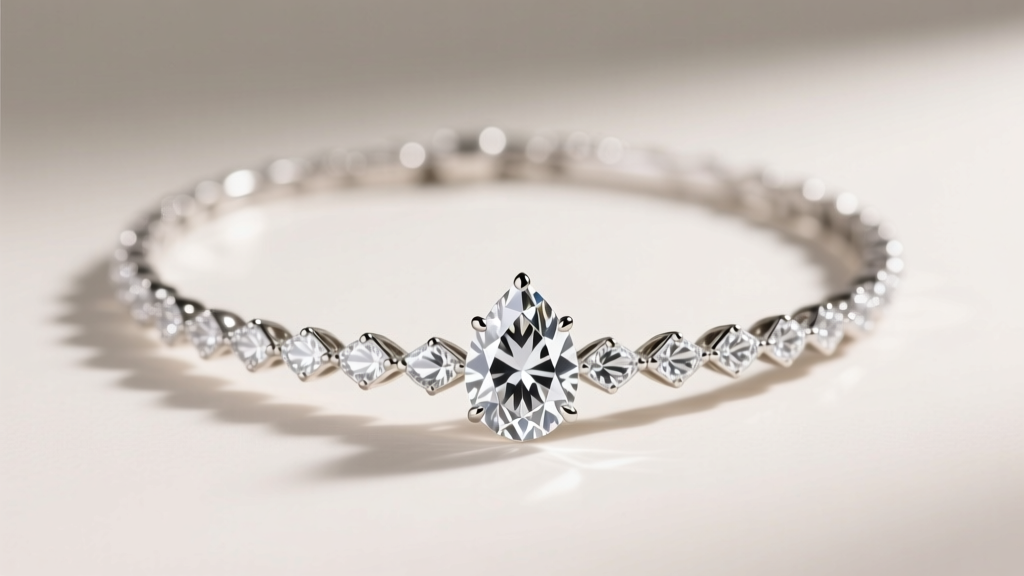
When collectors, archivists, and ultra-high-net-worth (UHNW) investors enter the market for the costliest necklace pieces, they are no longer simply buying accessories; they are acquiring portable, hard assets. The apex of the high jewelry market operates on a completely different set of rules than commercial luxury. In this rarefied tier, where prices routinely eclipse the $5 million to $30 million mark, value is not dictated merely by carat weight or brand recognition. Instead, the costliest necklace valuations are driven by a complex matrix of gemological rarity, historical provenance, and master-level articulation. For the serious buyer, navigating this space requires a rigorous, data-driven approach to acquisition.
The Gemological Benchmark: What Justifies a Seven-Figure Price Tag?
To understand the upper echelon of necklace pricing, one must first understand chemical purity in diamonds. The most expensive white diamonds in the world belong to the Type IIa classification. According to the Gemological Institute of America (GIA), less than 2% of all gem-quality diamonds are Type IIa. These stones are chemically pure, lacking the nitrogen impurities that cause slight yellow or brown tints in standard diamonds. This absence of nitrogen allows for unparalleled optical transparency, often described by gemologists as 'super-diamonds.' When a necklace features a central Type IIa diamond of D color and Flawless (FL) or Internally Flawless (IF) clarity exceeding 20 carats, it immediately enters the apex investment tier.
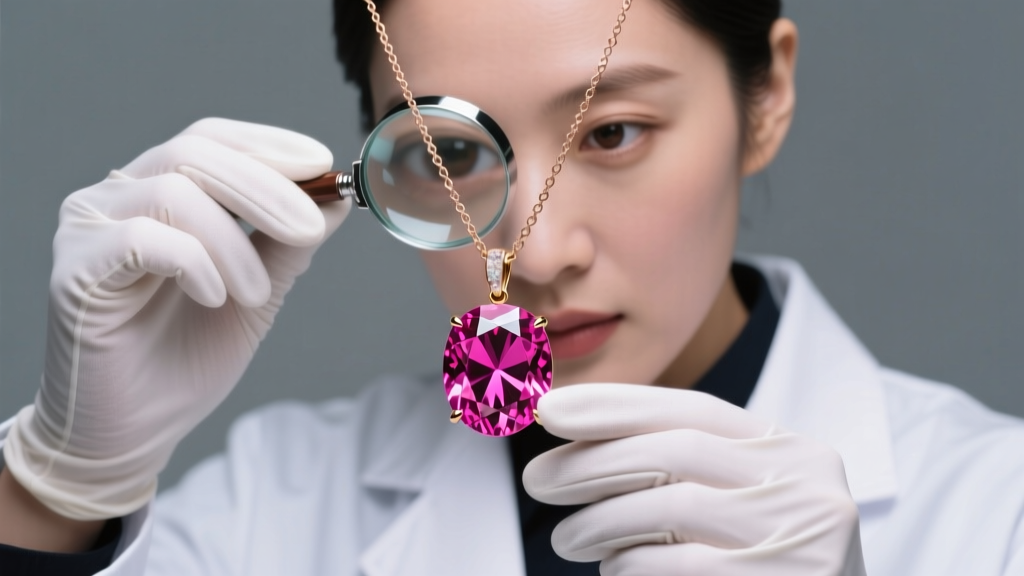
Beyond white diamonds, the costliest necklace categories are dominated by Fancy Vivid colored diamonds. A necklace anchored by a Fancy Vivid Pink or Fancy Vivid Blue diamond commands exponential premiums over its white counterparts due to extreme geological scarcity. For these acquisitions, buyers must demand documentation not just from the GIA, but also from the Swiss Gemmological Institute (SSEF) to verify the natural origin of the color, ensuring it has not been subjected to high-pressure high-temperature (HPHT) treatments or irradiation.
Provenance and Historical Pedigree
In the high jewelry auction market, the 'who' is often as valuable as the 'what.' A necklace with documented royal lineage or a storied celebrity history can see its valuation multiplied by a factor of three to five compared to an identical, unprovenanced stone. The Sotheby's Magnificent Jewels department frequently highlights pieces with unbroken chains of custody. For example, a diamond and natural pearl necklace once belonging to French royalty or a prominent Maharaja carries an intrinsic historical premium that transcends the melt-and-reset value of its materials.
Expert Insight: Never rely solely on a previous auction catalog for provenance. A rigorous buyer will request the original archival invoices, exhibition records, and historical inventory numbers stamped on the original clasps to verify the unbroken chain of custody.
The Rarity of Natural Saltwater Pearls
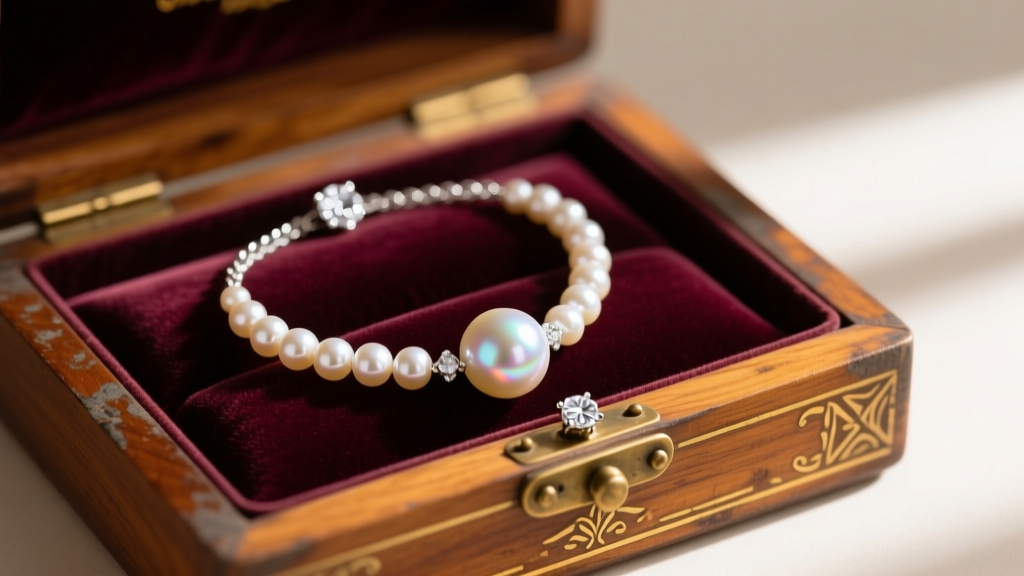
While diamonds often dominate headlines, the costliest necklace pieces in the antique and vintage sectors frequently feature natural saltwater pearls. It is critical to distinguish between 'cultured' pearls (which are farmed with human intervention) and 'natural' pearls (which form entirely by chance in the wild). Natural Basra pearls from the Arabian Gulf or historic Mississippi River pearls are exceptionally rare. To authenticate these, buyers must require X-ray microradiography reports from top-tier laboratories like SSEF or Gübelin, which map the internal concentric nacre layers to prove the absence of a manufactured bead nucleus.
Market Data: Valuation Drivers in Ultra-High Jewelry
Understanding how the market prices these assets is crucial for negotiation and long-term holding strategies. The table below illustrates the compounding valuation multipliers applied to apex-tier necklaces based on specific gemological and historical traits.
| Valuation Factor | Standard Luxury Tier | Apex Investment Tier (Costliest) | Market Multiplier Impact |
|---|---|---|---|
| Diamond Chemistry | Type Ia (Standard Nitrogen) | Type IIa (Chemically Pure) | +40% to +80% premium |
| Color Grade | Fancy Intense | Fancy Vivid / Fancy Deep | +150% to +300% premium |
| Pearl Origin | Cultured Saltwater (Akoya/South Sea) | Natural Saltwater (Basra/Gulf) | +500% to +1000% premium |
| Provenance | Anonymous / Retail Purchase | Royal / Documented Historical | +200% to +400% premium |
Material and Craftsmanship Specifics
A multi-million-dollar centerpiece diamond is only as valuable as the engineering that holds it. In the costliest necklace tier, 950 platinum is the undisputed standard for settings due to its high tensile strength, density, and natural white luster, which does not require rhodium plating like 18k white gold. Furthermore, buyers must evaluate the 'articulation' of the piece. A master-crafted high jewelry necklace is engineered with micro-hinges and flexible mesh backing, allowing it to drape over the clavicle like liquid metal rather than sitting rigidly. Invisible settings, articulated pavé, and custom-cut calibré gemstones that fit seamlessly into geometric patterns are hallmarks of the master jewelers at historic houses.
The 2026 Buyer’s Checklist for Acquiring Apex Jewelry
Acquiring a necklace at this financial stratum requires a meticulous, risk-averse framework. Before wiring funds or finalizing an auction bid, ensure the following criteria are met:
- Triple Certification: For stones over 15 carats, require reports from at least two independent, globally recognized laboratories (e.g., GIA and SSEF) to cross-verify color origin and clarity grades.
- Provenance Audit: Employ an independent jewelry archivist to verify exhibition history and previous catalog publications.
- Condition Report: High jewelry is often worn. Require a high-resolution condition report detailing any prong wear, micro-abrasions on the girdle, or clasp fatigue.
- Title Insurance and Escrow: Never take physical possession without clearing title insurance to protect against historical theft claims or undisclosed liens. Use a specialized fine art and jewelry escrow service.
- Appraisal for Insurance: Secure a replacement valuation from an independent appraiser who specializes in UHNW assets, as standard retail appraisals will vastly underestimate the auction replacement cost of a Type IIa or natural pearl piece.
Ultimately, purchasing the costliest necklace is an exercise in legacy building. By prioritizing verifiable gemological rarity, documented history, and master-level engineering, investors can secure tangible assets that transcend fleeting market trends and retain their majesty for generations.


