How to Craft and Style Katara's Necklace: The Ultimate Guide
Learn how to craft a screen-accurate Katara's necklace replica or style a high-quality Water Tribe choker for everyday modern wear.

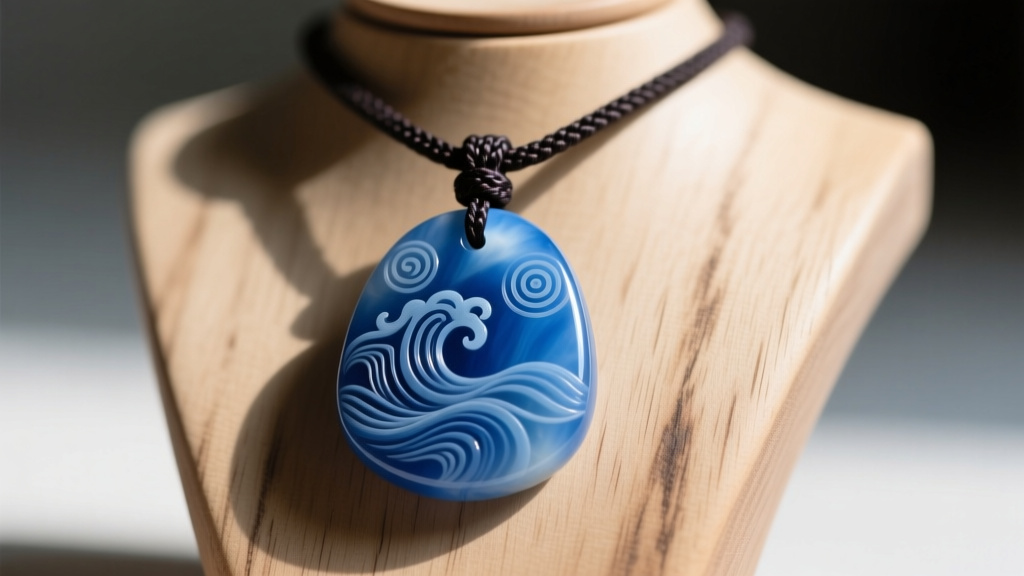
The Anatomy of Katara's Necklace: Screen-Accurate Details
For fans of Avatar: The Last Airbender, Katara's necklace is more than just a piece of jewelry; it is a symbol of Water Tribe heritage, familial love, and betrothal. Originally carved by Sokka from a piece of rare Water Tribe stone, the choker has become one of the most iconic and recognizable accessories in modern pop culture. Whether you are building a screen-accurate cosplay or looking to integrate a subtle Water Tribe motif into your daily wardrobe, understanding the exact anatomy of the piece is crucial.
The original screen-used prop features a stylized water motif—often interpreted as the Moon and Ocean spirits or a crashing wave—set against a dark, woven cord. The pendant itself measures approximately 1.5 inches (38mm) in width and 1 inch (25mm) in height. It sits high on the neck as a choker, typically requiring a cord length of 14 to 15 inches in circumference, secured at the back with a traditional sliding macramé knot rather than a metal clasp. This clasp-less design is not only lore-accurate but also practical for adjustable sizing.
Step-by-Step Guide to Crafting Your Own Replica
Creating a high-quality, durable replica of Katara's necklace requires moving beyond cheap craft foam and hot glue. For a piece that can be worn daily or at conventions without degrading, lapidary (stone carving) or high-grade resin casting is the best approach. Below is a professional guide to crafting a stone pendant.
Step 1: Selecting and Preparing the Stone
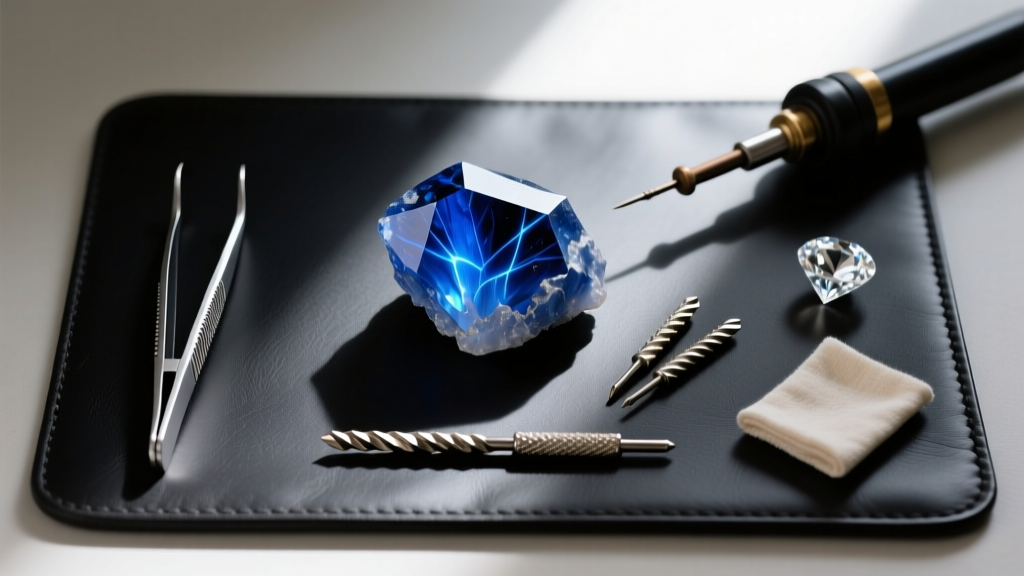
Choose a rough block of blue sodalite, lapis lazuli, or blue chalcedony. According to the Gemological Institute of America (GIA), lapis lazuli ranks between 5 and 6 on the Mohs hardness scale, making it soft enough to carve with standard rotary tools but durable enough for daily wear. Cut a slab approximately 4mm thick using a diamond-blade wet saw.
Step 2: Carving the Water Motif
Transfer the Water Tribe wave template onto the stone slab using a wax pencil. Using a Dremel rotary tool equipped with diamond-tipped carving burrs (specifically a 1mm spherical burr for the inner curves and a cylindrical burr for the outer edges), carefully carve away the negative space. Always carve under a gentle stream of water or wear a respirator to avoid inhaling toxic silica dust. The depth of the carving should be roughly 1.5mm to create distinct shadows that make the blue stone pop.
Step 3: Wet Sanding and Polishing
Carving leaves deep scratches. Progress through wet sanding pads starting at 400 grit, moving up to 800, 1500, and finally 3000 grit. This process will bring the blue chalcedony or sodalite to a glass-like polish without the need for chemical sealants, preserving the natural energy and texture of the stone.
Step 4: Drilling and Threading
Using a 1.5mm diamond core drill bit, drill two horizontal holes through the top corners of the pendant. Thread a 2mm dark blue or black waxed cotton cord through the holes. Avoid cheap nylon cords, which fray quickly and lack the authentic, matte texture of the original show design.
Mastering the Sliding Macramé Knot
To finish the choker without metal hardware, you must tie a sliding square knot. Overlap the two ends of the cord. Take a separate 12-inch piece of the same waxed cord and tie a series of square macramé knots over the overlapping base cords. Four to five knots will create a secure, adjustable slider. Melt the very tips of the finishing cord with a lighter to seal them against the main knots.
Material Comparison: Choosing the Right Pendant Base
If you are commissioning a piece or buying pre-made, the material of the pendant dictates its longevity, weight, and price. Here is a breakdown of the most common materials used for Katara's necklace replicas in 2026.
| Material | Mohs Hardness | Estimated Cost | Durability & Wearability | Screen Accuracy |
|---|---|---|---|---|
| Carved Lapis Lazuli | 5.0 - 6.0 | $80 - $150 | High. Porous; avoid prolonged water exposure. | Excellent (Deep blue with pyrite flecks) |
| Blue Chalcedony | 6.5 - 7.0 | $60 - $120 | Very High. Excellent for daily wear and swimming. | Good (Lighter, translucent blue) |
| Jeweler's Resin | N/A (Plastic) | $25 - $50 | Medium. Prone to scratching and UV yellowing. | Moderate (Lacks natural stone depth) |
| Sterling Silver & Enamel | N/A (Metal) | $100 - $250 | Very High. Enamel can chip if dropped on tile. | Low (More of a modern fashion interpretation) |
Sourcing High-Quality Pre-Made Alternatives
Not everyone has access to a lapidary saw or diamond burrs. If you prefer to purchase a ready-made Katara's necklace, avoid mass-produced plastic Halloween costumes. Instead, search for independent jewelers on platforms like Etsy using specific material keywords such as "hand carved sodalite water tribe pendant" or "sterling silver water motif choker."
When evaluating a seller, check their sourcing policies. Reputable lapidary artists will specify where their rough stone was mined. For metal alternatives, ensure the pendant is cast in solid 925 sterling silver rather than silver-plated brass, which will inevitably turn your skin green and tarnish when exposed to sweat at conventions. As noted by jewelry supply experts at Rio Grande, proper alloy mixing in sterling silver ensures the delicate prongs and carved details maintain their structural integrity over years of wear.

How to Style Katara's Necklace Outside of Cosplay
One of the greatest challenges with pop-culture jewelry is integrating it into a modern, everyday wardrobe without looking like you are in costume. Katara's necklace, with its elegant wave motif and choker silhouette, is surprisingly versatile if styled correctly.
Pairing with Necklines
- The Boat Neck (Bateau): A wide boat neckline frames the collarbone perfectly, allowing the 1.5-inch pendant to sit centrally in the negative space without competing with fabric folds.
- Off-the-Shoulder Sweaters: This is the ultimate pairing for a Water Tribe choker. The exposed shoulders and collarbones mimic the traditional Water Tribe parka silhouettes, making the necklace look like a deliberate, high-fashion choice rather than a costume piece.
- Deep V-Necks: While chokers usually clash with deep V-necks, a delicate silver-and-enamel interpretation of Katara's necklace can sit high on the neck, providing a striking visual contrast to the elongating effect of the V-neckline.
Color Theory and Wardrobe Integration
To make the blue stone pendant look like a sophisticated accessory, build your outfit around analogous or complementary color palettes. Navy blues, slate grays, and crisp whites allow the blue chalcedony or lapis to act as a subtle pop of color. Avoid wearing the necklace with loud, busy floral prints or neon colors, which will immediately push the piece into "costume" territory.
"The key to wearing fandom jewelry in a professional or casual setting is material elevation. A plastic prop reads as a toy; a hand-carved gemstone reads as artisanal jewelry."
Care and Maintenance for Choker Cords and Pendants
Because Katara's necklace relies on a woven cord rather than a metal chain, it requires specific maintenance to prevent snapping and fraying.
Cord Maintenance
Waxed cotton and hemp cords degrade over time due to friction against the neck and exposure to skin oils. Every six months, apply a thin layer of natural beeswax to the cord. Rub it in with your fingers to re-waterproof the fibers and prevent rot. If the cord begins to show white stress fibers near the sliding knot, it is time to restring the pendant immediately to avoid losing your stone.
Stone and Enamel Care
If your pendant is made of lapis lazuli, remember that it is a porous stone. According to the GIA's gemstone care guidelines, porous stones should never be cleaned in ultrasonic cleaners or exposed to harsh chemicals, perfumes, or prolonged soaking in water, as this can dull the polish and degrade the stone's natural matrix. Simply wipe your stone pendant with a damp, lint-free microfiber cloth after wearing it to remove oils and sweat. For sterling silver and enamel versions, a standard silver polishing cloth will keep the metal bright, but avoid rubbing the enamel directly to prevent micro-scratches.
By understanding the craftsmanship, materials, and styling nuances behind Katara's necklace, you can honor the lore of the Water Tribe while wearing a beautiful, durable piece of jewelry that transcends the boundaries of traditional cosplay.


