Emerald and Sapphire Necklace Value: Budgeting for Real Gems
Discover how to budget for an authentic emerald and sapphire necklace. Compare natural vs. lab-grown prices, treatments, and value factors.

The Allure and Economics of Dual-Gemstone Jewelry
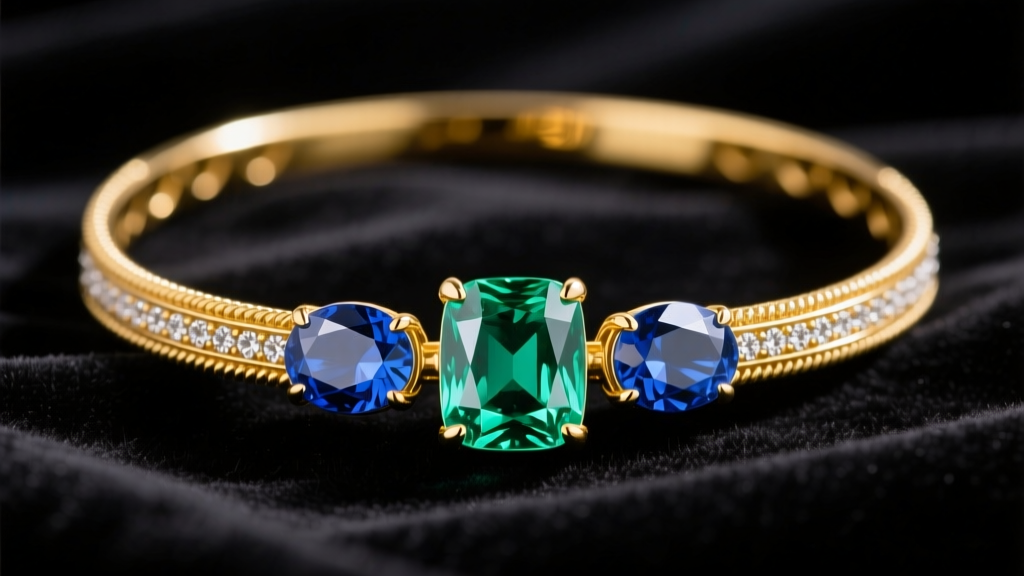
When evaluating fine jewelry, few combinations command the room quite like an emerald and sapphire necklace. The juxtaposition of verdant green and deep blue creates a striking visual contrast that has fascinated royalty and collectors for centuries. However, procuring an authentic piece requires navigating a complex market rife with synthetic alternatives, varying treatment levels, and opaque pricing structures. As we move through 2026, the gap between commercial-grade jewelry and investment-level gemology continues to widen. This comprehensive value assessment breaks down the exact drivers of cost, helping you allocate your budget toward genuine quality rather than marketing markups.
Natural vs. Lab-Grown: Decoding the Price Gap
The most significant budget decision you will face is choosing between mined and laboratory-created gemstones. Lab-grown emeralds (typically created via hydrothermal or flux methods) and lab-grown sapphires (Czochralski or flame fusion) are chemically and optically identical to their natural counterparts. However, their market value and long-term retention profiles are drastically different.
| Value Metric | Natural (Mined) | Lab-Grown (Synthetic) |
|---|---|---|
| 1.50 CTW Price Range | $4,500 - $12,000+ | $900 - $1,800 |
| Visual Inclusions | Jardin (emerald), silk/rutile (sapphire) | Flux remnants, curved striae, gas bubbles |
| Resale Value Retention | 40% - 70% (depending on origin/treatment) | 10% - 20% (largely sentimental value) |
| Rarity Premium | High (especially for unheated/no-oil) | None (infinite supply potential) |
If your primary goal is aesthetic impact on a strict budget, a lab-grown emerald and sapphire necklace offers exceptional visual clarity and color saturation for under $2,000. However, if you view this purchase as an heirloom or financial asset, natural stones are the only viable path.
The Treatment Factor: How Enhancements Impact Value
In the colored gemstone market, treatments are the rule, not the exception. Understanding how these enhancements affect pricing is critical for accurate value assessment.
Emerald Clarity Enhancements
Because emeralds are heavily fractured by nature, roughly 95% of the market is treated with oils or resins to fill surface-reaching fissures and improve clarity. The type and extent of this treatment dictate the price. According to the Gemological Institute of America (GIA), traditional cedar oil is widely accepted. However, modern polymer resins (like Opticon) are less stable and frowned upon by serious collectors. An emerald graded as having "Minor" oil enhancement will command a strong market price. If a stone is graded "Moderate" or "Significant," expect the value to drop by 40% to 60%, as the stone is highly dependent on the filler for its structural integrity and appearance.
Sapphire Heat Treatments
Unlike emeralds, sapphires are primarily treated with heat to dissolve inclusions and improve color saturation. Approximately 90% of commercial sapphires are heated, and this is considered a stable, permanent, and acceptable enhancement. However, an "unheated" sapphire with top-tier color is exceptionally rare and commands a 150% to 300% premium over its heated equivalent. Buyers must also be wary of "lattice diffusion" (beryllium treatment), a process that artificially injects color into pale, low-value sapphires. Diffused sapphires should be avoided entirely in investment-grade necklaces.
Color, Tone, and Origin Premiums
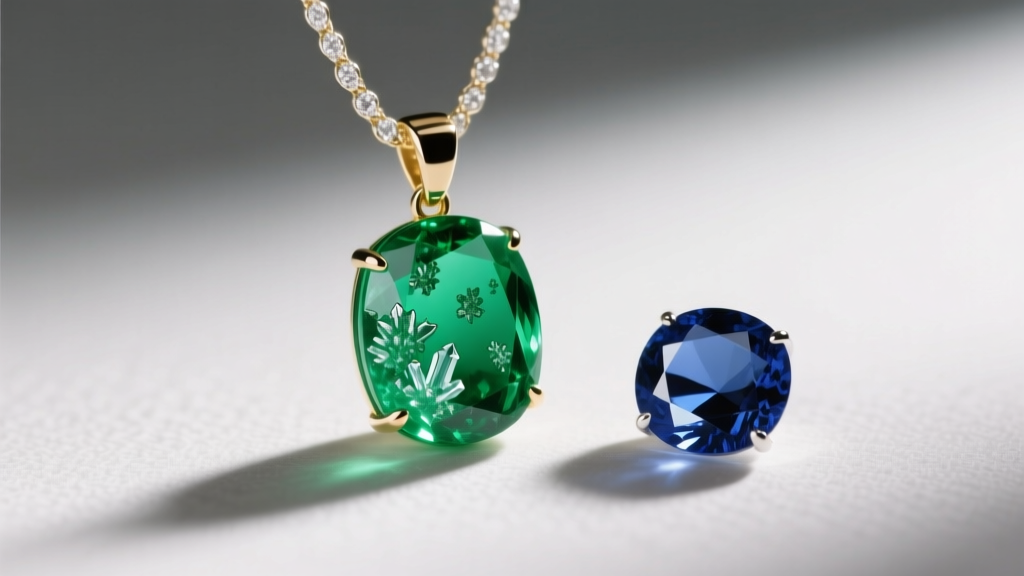
When budgeting for a natural emerald and sapphire necklace, you are paying primarily for color saturation and geographic origin.
- Emeralds: Colombian emeralds (specifically from the Muzo and Chivor mines) are prized for their pure, vibrant green with a slight bluish undertone and command the highest per-carat prices. Zambian emeralds often offer better clarity and a deeper, more bluish-green tone at a 20% to 30% discount compared to top Colombian stones.
- Sapphires: Kashmir sapphires possess a velvety "cornflower" blue that sits at the apex of the market, often fetching auction-tier prices. Ceylon (Sri Lankan) sapphires offer a brilliant, lighter blue tone that is highly desirable for daytime jewelry and is generally more accessible for mid-range budgets. Montana sapphires have also surged in popularity, offering ethical sourcing and unique teal-blue hues.
Metal Selection and Setting Durability
The structural design of your necklace directly impacts both its cost and its longevity. Emeralds rank 7.5 to 8 on the Mohs scale but are notoriously brittle due to internal inclusions (jardin). Sapphires rank 9 and are highly durable.
Because of the emerald's vulnerability, traditional prong settings are risky for daily wear. A bezel setting or a protective diamond halo is highly recommended to shield the emerald's girdle from chipping. For the metal, 18k yellow gold is the traditional choice that enhances the warmth of both gems, but it is softer than 14k gold. If you are designing a pendant meant for everyday wear, platinum or 14k white gold offers superior tensile strength to keep the stones secure over decades of use.
Chain Lengths and Proportional Impact
The length of the chain fundamentally alters how the emerald and sapphire pendant interacts with your wardrobe and neckline. A 16-inch choker length forces the gems to sit high on the collarbone, making even a modest 1.00 CTW pendant appear prominent and bold. Conversely, an 18-inch or 20-inch princess or matinee length allows the pendant to rest lower, which is ideal for layering over silk blouses or evening wear. When budgeting, remember that upgrading from a standard 18-inch 14k gold cable chain to a 20-inch platinum wheat chain can add $400 to $900 to your final invoice. Allocate your budget wisely: prioritize the gemstone quality first, then select a chain that complements the pendant's weight without overshadowing it.
2026 Budget Tiers: What to Expect
To help you align your expectations with current market realities, here is a breakdown of what your budget will secure in today's landscape:
- Entry-Level ($800 - $2,500): Lab-grown stones or very small natural melee accents (under 0.50 CTW). Settings will typically be 10k or 14k gold with commercial-grade cutting. Ideal for fashion-forward, trend-conscious buyers.
- Mid-Range ($3,500 - $8,500): Natural stones (1.00 - 2.50 CTW) with minor to moderate treatments. Expect 18k gold settings, better color saturation, and custom or precision cuts that maximize light return. This is the sweet spot for high-quality, authentic heirloom jewelry.
- Investment Tier ($15,000+): AGL or GIA certified stones. Unheated sapphires and minor/no-oil emeralds with exceptional transparency. Platinum settings with master-level craftsmanship, often incorporating high-grade diamond accents.
Certification: Protecting Your Investment
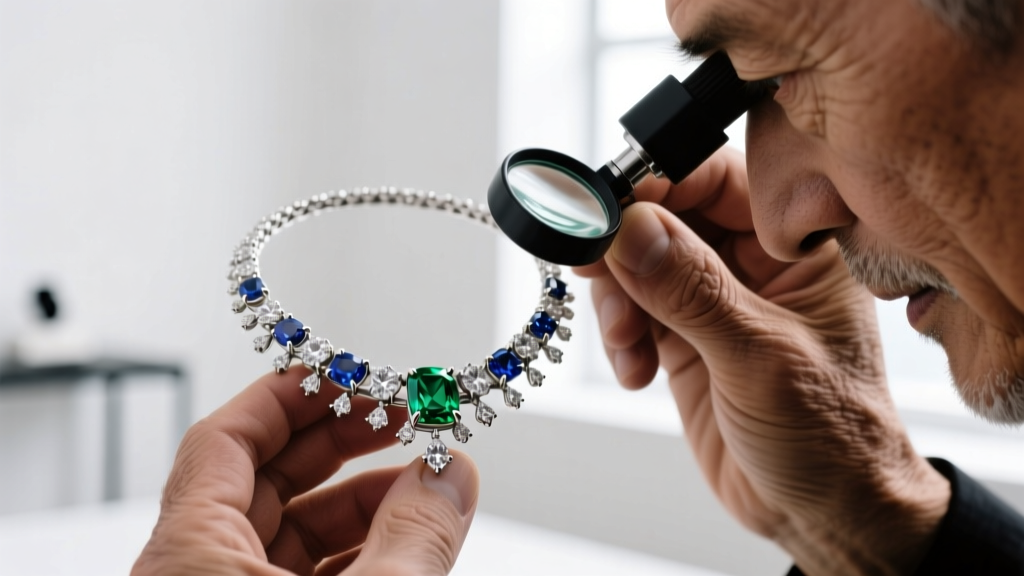
Never purchase a natural emerald and sapphire necklace in the mid-to-high tier without independent laboratory certification. While the GIA is the global authority for diamonds and provides excellent colored stone reports, the American Gemological Laboratories (AGL) is widely considered the gold standard specifically for colored gemstones. An AGL Prestige Report provides a detailed breakdown of the exact enhancement level (e.g., F1 for minor, F2 for moderate) and origin determination, which is crucial for insurance appraisals and future resale.
Expert Tip: Always cross-reference the certificate number with the physical stone's laser inscription or microscopic inclusion map. A certificate is only as valuable as the verification that it belongs to the exact gems set in your necklace.
Ultimately, budgeting for an emerald and sapphire necklace is about balancing your desire for visual perfection with the geological realities of natural gemstones. By prioritizing transparent treatment disclosures, reputable certifications, and protective settings, you can acquire a breathtaking piece that holds both aesthetic and enduring financial value.


