How to Craft and Style a Custom Brother Bear Necklace
Learn how to design, cast, and style a meaningful brother bear necklace. Expert tips on metal grades, chain gauges, and patina techniques.

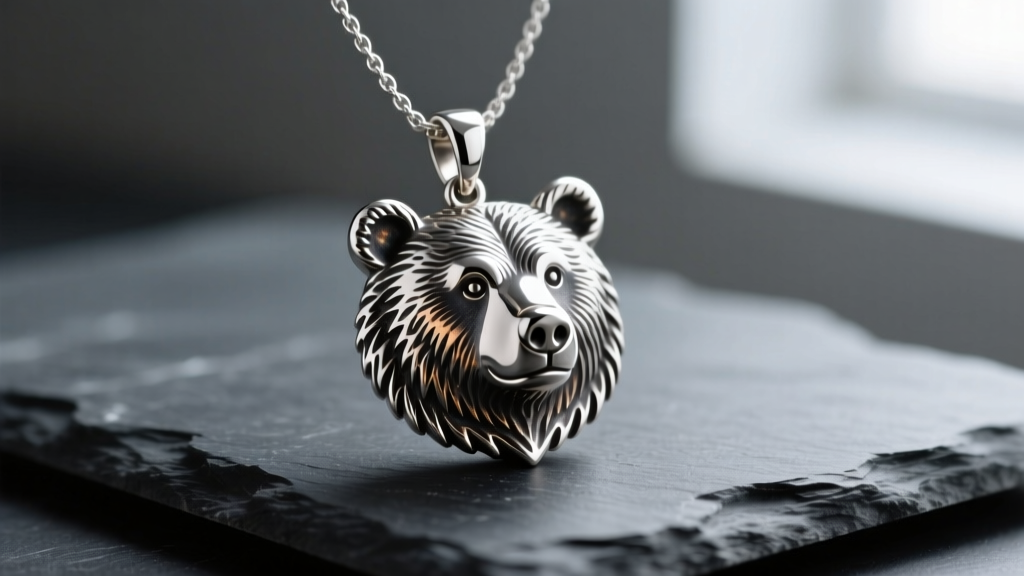
The concept of the brother bear necklace transcends fleeting jewelry trends. Rooted in the symbolism of the bear as a protector, provider, and enduring family bond, this specific pendant style has become a modern talisman for siblings, fathers, and close-knit friends. Whether you are a bench jeweler looking to expand your custom repertoire or a jewelry enthusiast wanting to understand the anatomy of a high-quality piece, crafting a brother bear pendant requires a mastery of both metallurgy and aesthetic storytelling.
In this comprehensive 2026 guide, we break down the exact step-by-step process of designing, casting, finishing, and styling a custom brother bear necklace, complete with specific bench parameters and material grades.
The Symbolism and Design Anatomy
Before striking the anvil or firing up the burnout oven, the design must be finalized. The traditional brother bear motif features a stylized bear head or a standing bear clutching a subtle familial marker—such as a birthstone or an engraved initial on the reverse. The anatomy of a successful pendant in this category relies on deep relief carving. Flat, stamped bear silhouettes lack the emotional weight and visual gravity required for this specific piece. You need a minimum of 2.5mm depth in the recesses to allow for the heavy oxidation that defines the rustic, protective aesthetic of the brother bear.
Step 1: Selecting the Right Metal and Specifications
The choice of metal dictates not only the price point but the longevity and patina potential of the necklace. As of 2026, raw material costs have shifted, making strategic metal selection vital for custom jewelers.
| Metal Grade | Composition | Vickers Hardness | 2026 Est. Price (per gram) | Best Application |
|---|---|---|---|---|
| 925 Sterling Silver | 92.5% Ag, 7.5% Cu | 60-70 HV | $1.20 - $1.50 | High-contrast patina, budget-friendly |
| 10k Yellow Gold | 41.7% Au | 110-120 HV | $35.00 - $40.00 | Extreme durability, heavy daily wear |
| 14k Yellow Gold | 58.5% Au | 130-150 HV | $50.00 - $58.00 | Premium heirloom, rich color retention |
| Jeweler's Bronze | 88% Cu, 12% Sn | 80-100 HV | $0.10 - $0.20 | Rustic aesthetics, prototype casting |
For the quintessential brother bear necklace, 925 Sterling Silver remains the undisputed champion. The 7.5% copper content reacts beautifully with liver of sulfur, allowing the deep crevices of the bear’s fur to turn pitch black while the high points remain bright silver.
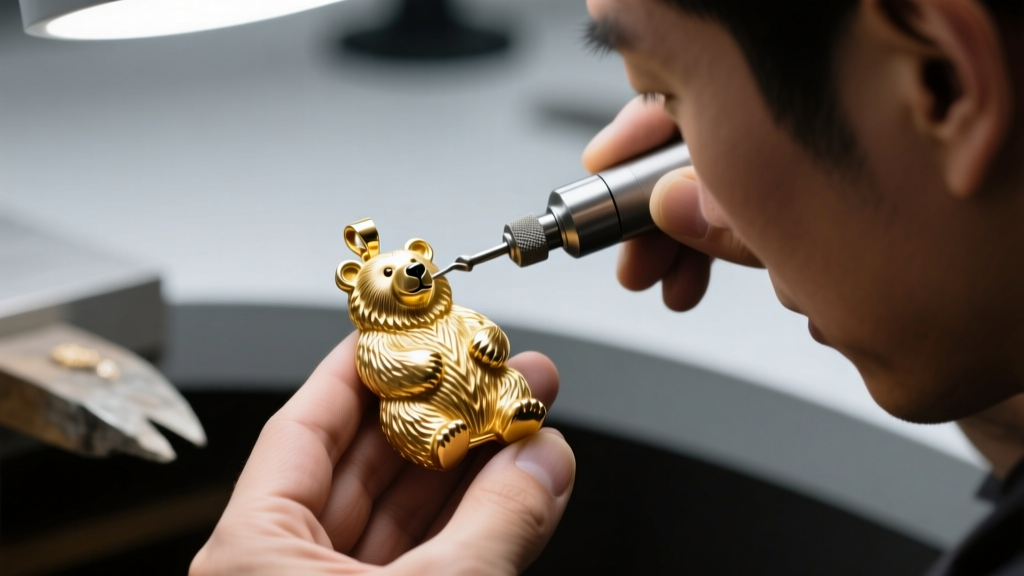
Step 2: Carving and Casting the Bear Pendant
To achieve the necessary depth for a rugged bear motif, we utilize the lost-wax casting method. According to Ganoksin's Guide to Lost-Wax Casting, precision in the wax model directly correlates to the reduction of porosity in the final metal cast.
Wax Carving Parameters
- Wax Type: Ferris Green Hard Wax (tube or block). It holds crisp edges for the bear’s claws and fur striations without chipping.
- Spruing: Use a 10-gauge wax wire for the main sprue. A sprue that is too thin will cause shrinkage porosity in the bear’s snout or ears as the metal cools.
- Burnout Cycle: Ramp the kiln to 1350°F (732°C) and hold for 2 hours to ensure complete wax elimination, then drop to 900°F (482°C) for casting.
Step 3: Choosing the Perfect Chain and Bail
A common failure point in custom men's and unisex jewelry is pairing a heavy, substantial pendant with a weak, undersized chain. A properly cast sterling silver brother bear pendant of this scale typically weighs between 12 and 18 grams.
To support this weight without risking clasp failure or link stretching, adhere to these chain specifications:
- Chain Style: Figaro (3:1 link ratio) or a rounded Cuban Curb. These styles lay flat against the sternum and resist twisting.
- Gauge Thickness: Minimum 3.0mm; ideally 4.0mm to 4.5mm for a proportional, masculine aesthetic.
- Clasp Hardware: Avoid standard spring rings. Use a heavy-duty 5x9mm Lobster Clasp or a custom S-hook with a silicone O-ring safety.
- Bail Sizing: A tapered tube bail with a 4.5mm inner diameter ensures the 4.0mm chain slides through smoothly without catching.
Step 4: Applying a Custom Patina and Finish
The magic of the brother bear necklace lies in its finish. A high-polish bear looks like a cartoon character; an oxidized, matte-finished bear looks like a wild protector.
Pro Bench Tip: Never apply liver of sulfur directly from the jar. Dilute Rio Grande's Liver of Sulfur Gel in a 1:15 ratio with warm distilled water. Dip the pendant for 10-second intervals, rinsing in cold water between dips, until the recesses reach a deep charcoal black.
Once fully oxidized, use a 3M radial bristle disc (80 grit) on your flex shaft to carefully remove the black oxidation only from the high points of the bear’s snout, brow, and claws. Finish by hand-buffing the high points with a Sunshine polishing cloth to bring the silver to a soft, satin luster.
Styling the Brother Bear Necklace for Everyday Wear
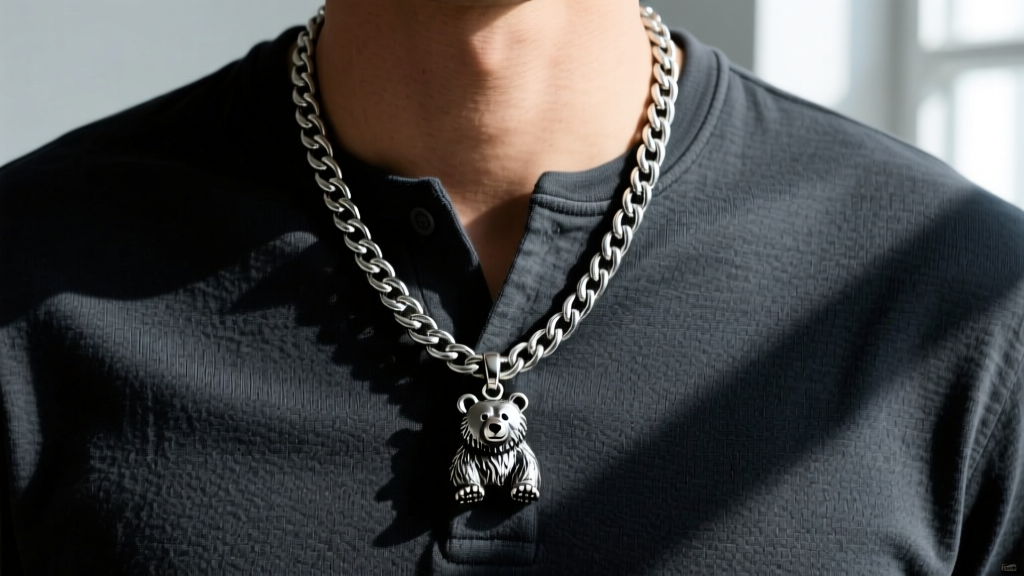
Styling a statement piece requires balancing proportions. In 2026, the layered look remains dominant, but the brother bear necklace should always be the anchor piece.
- The Anchor Length: Set the bear pendant on a 22-inch or 24-inch chain so it rests near the lower sternum. This prevents the heavy pendant from bouncing against the collarbone during movement.
- The Companion Chain: Layer it with a simpler, lighter chain—such as a 2.0mm oxidized silver rope chain cut to 18 inches. This creates a V-shape that frames the face without competing with the intricate bear carving.
- Neckline Pairing: The pendant performs best over dark, solid fabrics like charcoal henleys, navy crewnecks, or black denim jackets. Avoid busy patterns that will camouflage the dark patina of the silver.
Maintenance and Long-Term Care
Because the brother bear necklace relies on a chemical patina (silver sulfide) for its visual depth, improper cleaning will ruin the contrast. Never put this necklace in an ultrasonic cleaner or use liquid silver dips, as these will strip the oxidation from the deep fur textures, leaving the piece looking flat and gray.
Instead, maintain the piece by gently wiping the high-polish areas with a dry, treated silver cloth once a month. The natural oils from the wearer's skin will actually help seal the blackened recesses, making the pendant look more rugged and personalized the longer it is worn.


