Crafting a Range Necklace OSRS: Material Guide 2026
Find the best metals for a Range Necklace OSRS replica. Compare silver, bronze, and steel for durable, accurate cosplay and everyday gaming jewelry.

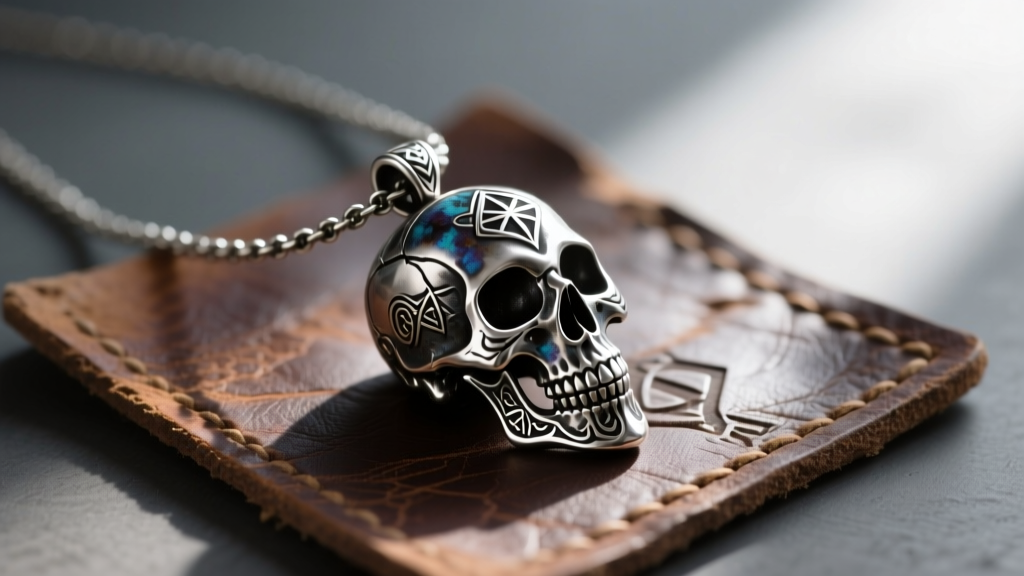
The Anatomy of the Range Necklace OSRS Replica
For dedicated fans of Old School RuneScape, the Ranging Necklace is more than just a piece of gear that boosts ranged strength; it is an iconic symbol of end-game progression and dedication. In the game, the amulet features a distinct, grim skull or bone motif suspended on a rugged chain. However, translating this digital asset into a physical, wearable piece of jewelry requires a deep understanding of metallurgy, casting dynamics, and material longevity. As we move through 2026, the demand for high-fidelity, screen-accurate gaming replicas has pushed custom jewelers to adopt advanced lost-wax casting techniques and specialized alloy blends.
Creating a premium range necklace osrs replica is not about pouring cheap zinc into a silicone mold. It requires selecting metals that can capture the deep undercuts of the skull's eye sockets and the intricate suture lines of the cranial structure, while remaining comfortable against the skin for daily wear or convention cosplays. Below, we break down the exact material properties, alloy grades, and finishing techniques required to forge a replica worthy of a maxed combat account.
Pendant Casting: Sterling Silver vs. Silicon Bronze vs. Pewter
The pendant is the focal point of the necklace. Because the OSRS skull design features deep recesses and delicate teeth structures, the chosen metal must exhibit excellent fluidity in its molten state and sufficient hardness once cooled. Here is how the top three replica materials compare in a professional studio environment.
925 Sterling Silver (The Heirloom Standard)
Sterling silver (92.5% silver, 7.5% copper) remains the gold standard for high-end gaming jewelry. Its relatively low melting point (approx. 893°C) and exceptional fluidity allow it to capture microscopic details from the master wax model. However, pure 925 silver can be soft. For a skull pendant that might get knocked against a desk or convention table, jewelers often use deox-silver or work-harden the piece post-casting to achieve a Vickers Hardness (HV) of around 90-110. The copper content also makes it highly reactive to oxidizing agents, which is actually a benefit: you want a dark, antiqued finish to make the skull's crevices pop.
Silicon Bronze (The Durable Alternative)
Silicon bronze (typically 95% copper, 4% silicon, 1% manganese) has surged in popularity for cosplay armor and heavy pendants. It casts beautifully, with a shrinkage rate of roughly 1.5%, and offers a warm, golden-brown hue that mimics aged bone or brass when polished. It is significantly harder than sterling silver right out of the crucible and highly resistant to corrosion. According to Rio Grande's casting metal guidelines, silicon bronze requires a slightly higher flask burnout temperature but rewards the caster with incredibly dense, porosity-free skull castings.
Lead-Free Pewter (The Prop-Grade Warning)
While modern Britannia pewter (tin, antimony, copper) is safe and cheap, it is a terrible choice for a daily-wear replica. With a Vickers Hardness of barely 20 HV, a pewter skull pendant will dent, bend, and lose its chain bail within months of active wear. Reserve pewter strictly for lightweight, temporary convention props, not permanent jewelry.
| Material | Alloy Grade | Hardness (HV) | Shrinkage Rate | Best Application |
|---|---|---|---|---|
| Sterling Silver | 925 (Deox) | 65 - 110 | 1.25% | Premium heirloom replicas, high detail |
| Silicon Bronze | Merlin's Gold | 90 - 130 | 1.50% | Heavy cosplay, durable daily wear |
| Pewter | Britannia | 18 - 22 | 0.80% | Temporary props, budget replicas |
Chain Selection: Gauge, Alloy, and Clasp Mechanics
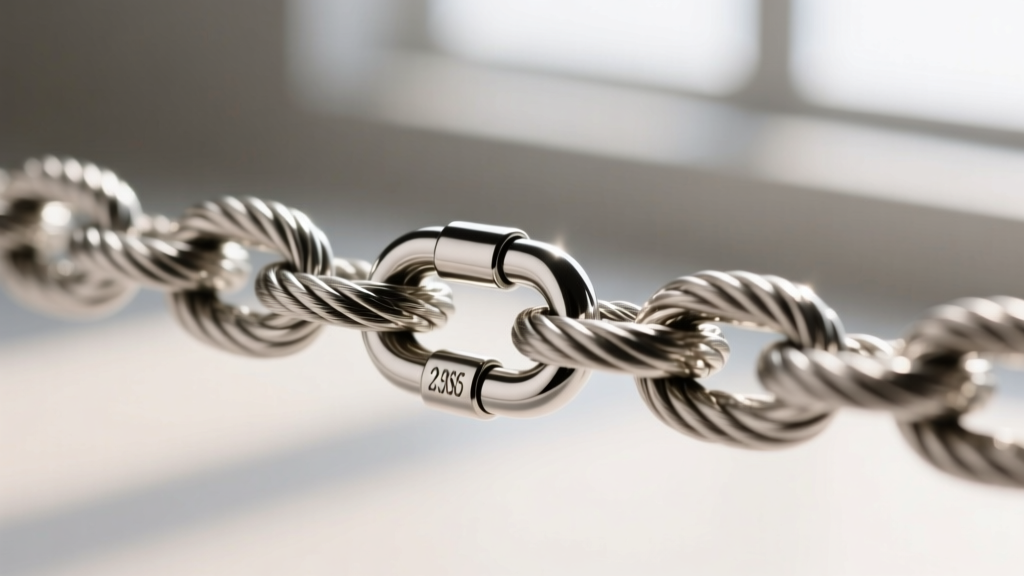
A heavy skull pendant requires a chain that can support its weight without snapping or stretching. The in-game sprite suggests a thick, rugged link, which translates best to a Rope or Cuban Curb chain in the real world.
Why 316L Surgical Stainless Steel Dominates
For the chain, 316L surgical stainless steel is the undisputed champion. Unlike brass or copper-based chains that will oxidize and leave a green ring around the wearer's neck when exposed to sweat and skin oils, 316L contains molybdenum, which drastically increases its resistance to chlorides and acids. A 2.5mm to 3.0mm 316L rope chain offers the perfect visual weight to match a 25-gram silver or bronze skull pendant. Ensure the chain is equipped with a solid lobster clasp and a heavy-duty jump ring; cheap spring rings will fail under the pendulum motion of a heavy amulet.
Avoiding the Brass Trap
Many budget replicas on the market use brass chains plated with a thin layer of silver or black rhodium. Within weeks, the friction from the pendant bail will wear through the plating, exposing the raw brass. The resulting galvanic reaction with human sweat will stain the skin and ruin the aesthetic of your range necklace osrs replica. Always verify the base metal before purchasing or crafting.
Patina and Finishing: Bringing the Skull to Life
A raw, highly polished silver skull looks like a piece of biker jewelry, not a weathered artifact from Gielinor. To achieve the authentic, grim aesthetic of the Ranging Necklace, you must utilize chemical patination.
- Liver of Sulfur (LOS): This is the industry standard for darkening silver and bronze. Dilute a small piece of LOS gel in warm distilled water (approx. 45°C) to create a weak solution. Submerging the pendant allows the sulfur to react with the copper in the alloy, turning the metal a deep, iridescent black.
- Selective Polishing: Once the skull is completely blackened, use a mild abrasive pad or a jeweler's rouge on a felt wheel to polish only the high points—the cheekbones, the brow ridge, and the tips of the teeth. This leaves the deep eye sockets and nasal cavity pitch black, creating immense three-dimensional contrast.
- Sealing the Patina: To prevent the dark finish from rubbing off onto clothing, apply a micro-crystalline wax (like Renaissance Wax) and buff it gently. This seals the oxidation without adding a thick, glossy plastic layer that cheap clear-coats produce.
CAD Design and Shrinkage Compensation
If you are designing the range necklace osrs pendant from scratch using CAD software like MatrixGold or ZBrush for 3D printing the master wax, you must account for alloy-specific shrinkage. When molten metal cools inside the investment plaster, it contracts. If you model your skull at exactly 30mm wide and cast it in 925 silver, the final piece will measure roughly 29.6mm. While this seems negligible, it can cause the bail (the loop the chain passes through) to become too small for heavy chains. Always scale your 3D model up by 1.25% for silver and 1.5% for bronze along the X, Y, and Z axes before sending the file to the resin printer.
Final Verdict for the Ultimate Replica
Crafting the ultimate range necklace osrs replica in 2026 is a masterclass in balancing aesthetic authenticity with metallurgical reality. By selecting 925 deox-silver for the pendant, utilizing liver of sulfur for a high-contrast antiqued finish, and pairing it with a 3.0mm 316L stainless steel rope chain, you create a piece of gaming history that is as durable as it is visually striking. Whether you are a master crafter in-game or a jewelry artisan in the real world, respecting the properties of your materials is the key to achieving a max-level result.


