Ultimate Care Guide for Your Favorite Crave Necklace
Learn how to clean, store, and maintain your delicate crave necklace. Expert tips on preventing tarnish, protecting enamel, and fixing fine chains.

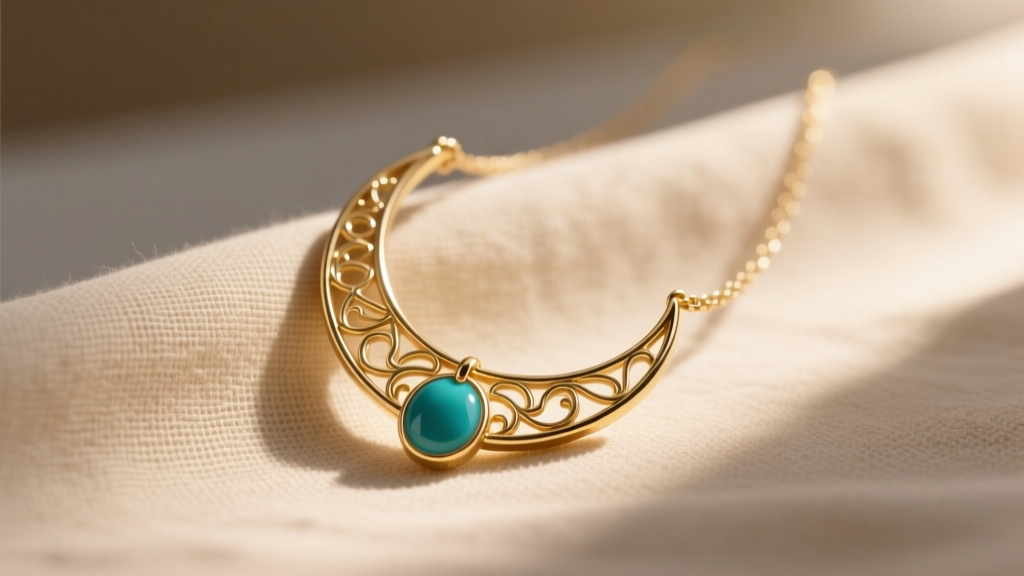
The crave necklace aesthetic has become a staple in modern jewelry collections, characterized by its highly coveted, delicate silhouettes, mixed-media pendants, and ultra-fine chains. Whether your piece features vibrant enamel work, porous drusy stones, or a minimalist 14k gold vermeil finish, these necklaces require a specialized approach to maintenance. Because they are often constructed with lightweight materials and intricate detailing, standard jewelry cleaning methods can actually cause irreversible damage. In this comprehensive guide, we break down the metallurgy, chemistry, and daily care protocols required to keep your crave necklace looking pristine for years to come.
The Anatomy of a Crave Necklace: Why It Needs Special Care
To properly maintain your jewelry, you must first understand its construction. Most authentic crave-style necklaces rely on a delicate 0.8mm to 1.0mm cable or box chain. While visually elegant, chains in this gauge range are highly susceptible to kinking and micro-fractures if subjected to mechanical stress.
Furthermore, the metal base is typically sterling silver coated in either 14k gold vermeil (which legally requires a minimum of 2.5 microns of gold plating) or PVD (Physical Vapor Deposition) coating. Unlike solid gold, these layered metals can wear down to the base silver if subjected to abrasive polishing. The pendants often feature soft materials like kiln-fired enamel, resin, or porous gemstones like opalite and turquoise, which are highly reactive to harsh chemicals and sudden temperature changes.
The Chemistry of Tarnish and Enamel Degradation
Tarnish is not a sign of poor quality; it is a natural chemical reaction. Sterling silver, the base metal for most vermeil crave necklaces, reacts with hydrogen sulfide in the air to form silver sulfide, which appears as a dark, dull film. According to the Jewelers of America, environmental factors like high humidity, wool clothing, and even the natural pH of your skin can accelerate this oxidation process.
Enamel and resin pendants face a different threat. The alcohol and essential oils found in everyday perfumes, hairsprays, and lotions can break down the chemical bonds in kiln-fired enamel over time, leading to a cloudy, scratched appearance or, in severe cases, micro-cracking.
Daily Wear Rules: The 'Last On, First Off' Protocol
The most effective maintenance strategy is preventative. Adopting the "Last On, First Off" rule will drastically extend the lifespan of your necklace's plating and gemstones.
- Apply Cosmetics First: Always apply your skincare, sunscreen, perfume, and hair products at least 10 minutes before putting on your necklace. This allows the volatile alcohols and emulsifiers to evaporate or absorb into your skin.
- Remove Before Water Exposure: Chlorine in swimming pools and hot tubs is highly corrosive to gold vermeil and can cause the base silver to pit and weaken. Similarly, hard water minerals can leave a stubborn, chalky film on enamel pendants.
- Avoid Friction: The 0.9mm chains used in crave necklaces are not designed to bear weight. Remove your necklace before engaging in activities that involve heavy lifting, gym equipment, or rough fabrics like raw denim, which can act like sandpaper on gold plating.
Step-by-Step Cleaning Guide for Mixed Materials
When your necklace loses its luster, avoid commercial silver dips or ultrasonic cleaners. The Gemological Institute of America (GIA) strongly advises against ultrasonic cleaners for any jewelry featuring porous stones, enamel, or plated metals, as the high-frequency vibrations can shatter delicate settings and strip micron-thin gold layers.
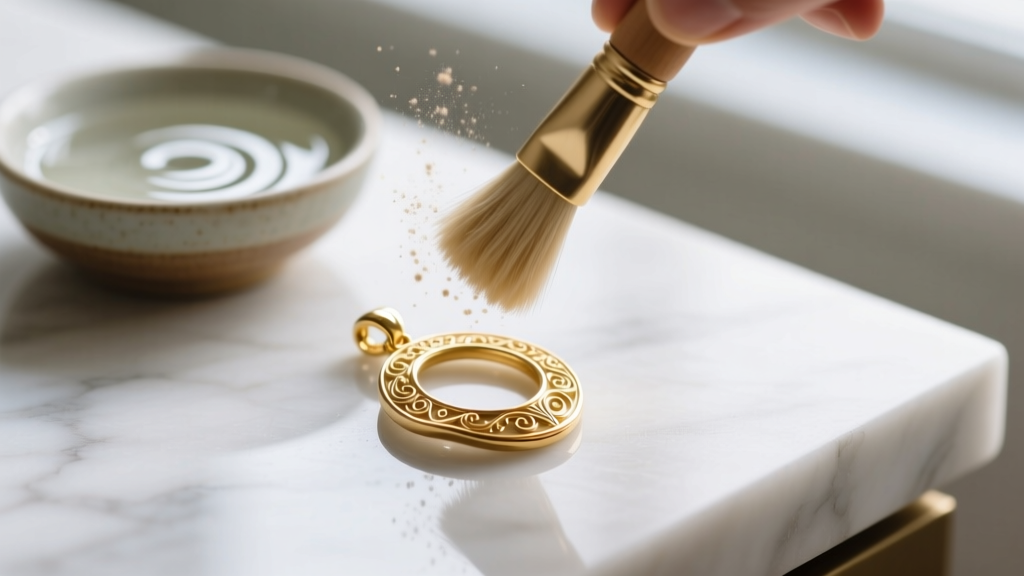
The Safe Soak and Sweep Method
- Prepare the Solution: Mix one cup of distilled water (tap water contains chlorine and minerals that promote tarnish) with three drops of mild, phosphate-free dish soap (like Dawn).
- The Brief Soak: Submerge the necklace for no more than 3 to 5 minutes. Prolonged water exposure can weaken the adhesive used in some pendant settings.
- Gentle Agitation: Using an extra-soft baby toothbrush (bristle diameter of 0.1mm or less), gently sweep the bristles behind the pendant and along the chain links. Do not scrub the enamel or stone surfaces directly.
- Rinse and Dry: Rinse briefly under a gentle stream of lukewarm distilled water. Immediately pat dry with a lint-free microfiber cloth. Allow it to air dry completely on a paper towel for 15 minutes before storing to ensure no moisture is trapped in the clasp mechanism.
Storage Solutions to Prevent Chain Tangling and Oxidation
How you store your crave necklace is just as critical as how you clean it. Fine 0.8mm chains are notorious for tangling, and improper storage guarantees accelerated tarnishing.
Pro Tip: Never store your vermeil or silver jewelry in PVC (polyvinyl chloride) plastic bags or cheap cardboard boxes. PVC emits gases that cause rapid, severe tarnishing, and cardboard contains sulfur compounds that will turn your silver black.
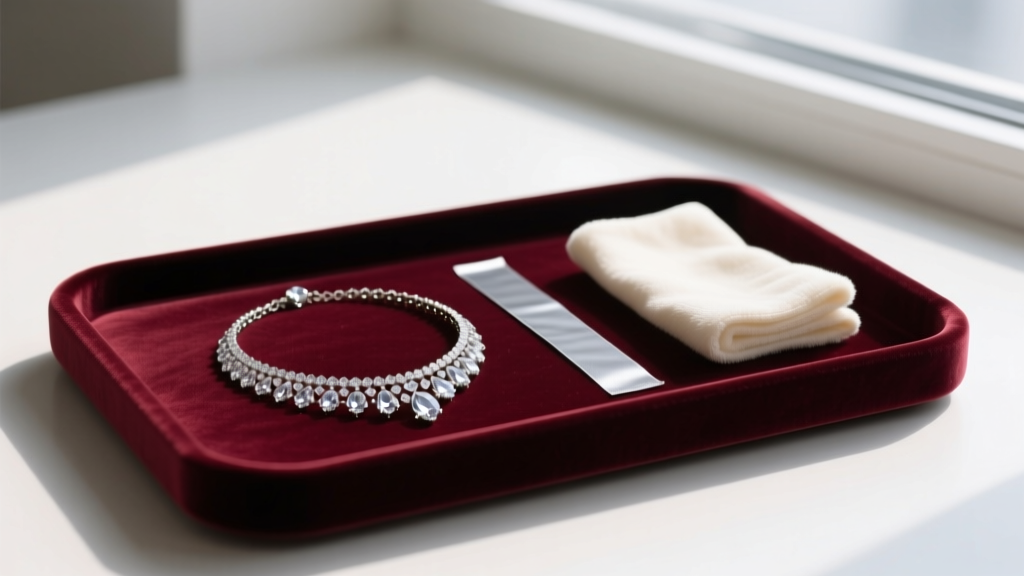
Instead, store your necklace in a polyethylene ziplock bag. Before sealing, place a 3M anti-tarnish strip inside the bag. These strips absorb airborne sulfur and hydrogen sulfide, protecting the metal for up to 12 months. To prevent the delicate chain from kinking or tangling with other pieces, lay the necklace completely flat in a velvet-lined drawer, ensuring the clasp is left unfastened and hanging slightly over the edge of the velvet roll to relieve tension on the spring ring.
Troubleshooting Common Crave Necklace Issues
Even with meticulous care, delicate jewelry encounters wear and tear. Here is a diagnostic guide for the most common issues and their expert-approved solutions.
| Issue | Root Cause | Expert Solution |
|---|---|---|
| Severe Chain Tangling | Friction and static during storage or wear. | Place the knot on a glass surface. Apply a single drop of baby oil to reduce surface tension. Use two fine sewing needles to gently tease the knot apart from the center outward. Wipe clean with a microfiber cloth. |
| Green Discoloration on Skin | Acidic skin pH reacting with the copper alloy in the sterling silver base. | Clean the chain thoroughly. Coat the inside of the chain and clasp with a micro-thin layer of clear nail polish or a specialized jewelry shield spray to create a barrier. |
| Cloudy or Dull Enamel | Buildup of lotion, dead skin cells, and sebum in the pendant crevices. | Use a wooden toothpick to gently scrape out debris from the bezel setting. Wipe the enamel with a slightly damp microfiber cloth—never use chemical polish on enamel. |
| Stiff or Stuck Spring Ring Clasp | Micro-debris or dried soap trapped in the clasp spring mechanism. | Apply a microscopic drop of synthetic watch oil or mineral oil to the clasp joint. Open and close it repeatedly to work the oil in, then wipe away excess. |
When to Seek Professional Jewelry Repair
While at-home maintenance can solve most cosmetic issues, structural failures require a professional bench jeweler. If your 0.9mm chain develops a micro-fracture, do not attempt to bend it back into place; the work-hardened silver will snap. Similarly, if the gold vermeil plating has worn entirely off the high-friction areas (like the clasp and the bail), a professional can buff the piece and apply a fresh layer of rhodium or gold plating. Look for a jeweler who specializes in laser welding, as traditional soldering torches can easily melt the delicate links of a crave necklace or scorch the adjacent enamel pendant.
By understanding the specific material vulnerabilities of your jewelry and adopting these targeted care protocols, your crave necklace will remain a brilliant, tarnish-free staple in your collection for years to come.


