Crematorium Necklace Buying Guide: Seals & Materials
Discover what to look for in a crematorium necklace. Our buying guide covers sealing mechanisms, metal grades, capacity, and chain security.

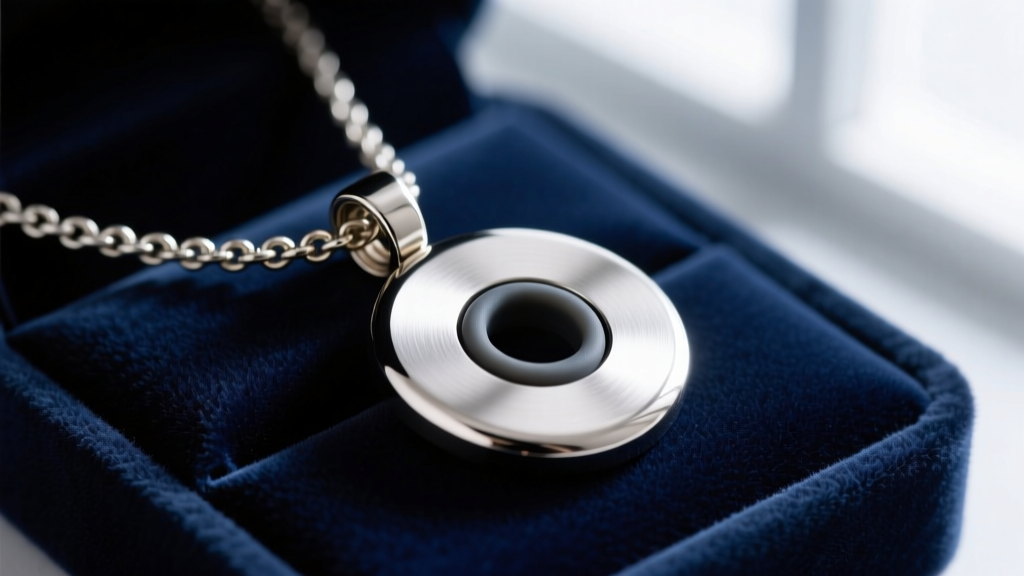
Choosing a crematorium necklace is a deeply personal decision, often made during a time of profound emotional transition. However, because these pendants house irreplaceable physical remains, the purchase must be approached with the same technical rigor as buying high-end horology or fine gemological jewelry. A failure in the sealing mechanism, a weak chain clasp, or a reactive metal alloy can result in the devastating loss of your loved one’s ashes. This comprehensive buying guide strips away the marketing fluff to focus on the metallurgy, engineering, and structural integrity you must demand when shopping for memorial jewelry.
Understanding Volumetric Limits and Ash Consistency
The first technical specification to verify is the internal capacity of the pendant. Most crematorium necklaces are engineered to hold between 0.5ml and 2.0ml of material—roughly 1/8 to 1/2 of a standard teaspoon. It is a common misconception that you need a large vessel to hold a meaningful amount of ashes. In reality, cremated remains (often referred to as ‘cremains’) are processed through a cremulator, resulting in a fine, dense particulate similar to coarse sand or fine gravel.
- Micro-Cylinders (0.5ml - 0.8ml): Best for discreet, minimalist designs. These require a very fine powder and are typically filled using a specialized paper micro-funnel.
- Standard Barrels and Teardrops (1.0ml - 1.5ml): The most common size, offering enough volume to easily accommodate slightly coarser bone fragments without clogging the threading.
- Large Urn Pendants (2.0ml+): Often worn as statement pieces or shared among family members. These are heavier and require robust chain support.
Expert Tip: Never overfill the vessel. Leaving at least 20% of the internal volume empty ensures that the threaded screw cap can seat properly without cross-threading or crushing the ashes against the silicone O-ring, which can compromise the watertight seal.
Metallurgy: Selecting the Right Alloy for Longevity
The metal encasing the remains must withstand decades of contact with human skin chemistry, ambient humidity, and occasional water exposure. According to GIA’s guide on jewelry metals, understanding the alloy composition is critical for preventing tarnish and corrosion.
| Metal Grade | Durability & Thread Integrity | Corrosion & Tarnish Resistance | Best Use Case |
|---|---|---|---|
| 316L Surgical Steel | High tensile strength; threads resist stripping. | Excellent. Contains molybdenum to prevent chloride corrosion. | Everyday wear, swimming, high-activity lifestyles. |
| 925 Sterling Silver | Softer metal; threads can degrade if over-tightened. | Poor. The 7.5% copper content oxidizes, requiring polishing. | Occasional wear, kept away from humidity and lotions. |
| 14k Solid Gold | Superior thread durability; heavy and substantial. | Excellent. Will not tarnish or react to skin acidity. | Heirloom pieces, premium budget, lifelong daily wear. |
| Grade 23 Titanium | Extreme hardness; precision-machined threads. | Flawless. 100% biocompatible and hypoallergenic. | Sensitive skin, lightweight preference, modern aesthetics. |
If you opt for Sterling Silver, ensure the pendant is heavily rhodium-plated to act as a barrier against sulfur in the air and skin. However, for a truly maintenance-free seal, 316L steel or solid gold are the superior engineering choices.
Sealing Mechanisms: Threaded vs. Friction vs. Resin
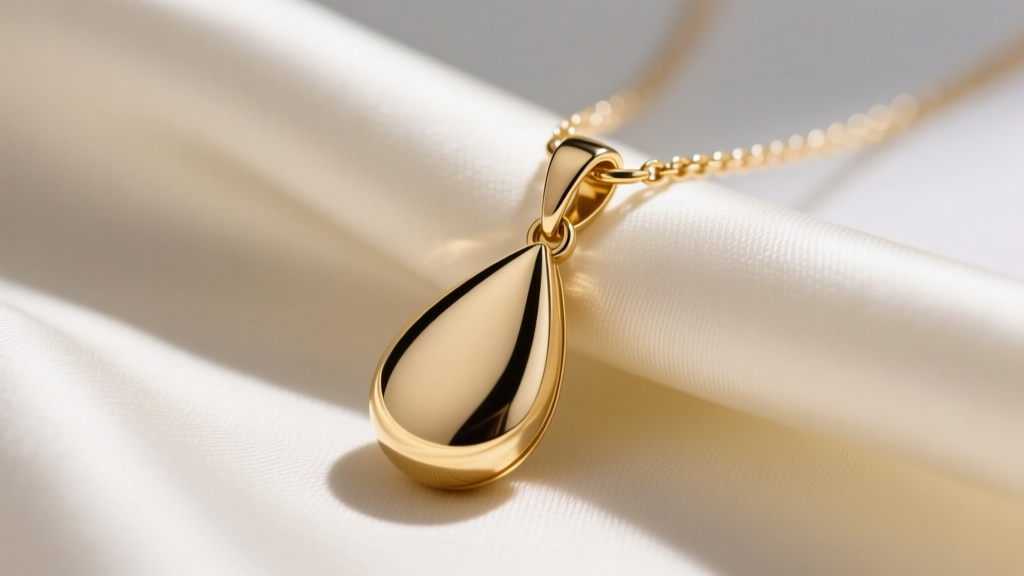
The sealing mechanism is the single most critical point of failure on any crematorium necklace. There are three primary engineering methods used in the industry today:
1. The Threaded Screw Cap with O-Ring (The Gold Standard)
This design features a screw-top cap that threads directly into the pendant body. The cap houses a microscopic silicone O-ring (usually 1.5mm to 2.0mm in diameter). When tightened, the O-ring compresses against the metal wall, creating a hermetic, waterproof seal. This is the only mechanism recommended for wearing the pendant in the shower or pool.
2. Friction-Fit Bail
In this design, the bail (the loop the chain passes through) acts as a stopper. It features a rubber gasket and is pressed into the top of the pendant. While aesthetically seamless, friction fits are highly susceptible to vibration and thermal expansion. Over time, body heat and movement can cause the bail to slowly work its way out. If you choose this style, it must be permanently secured with a drop of jeweler’s epoxy.
3. Resin-Sealed Glass or Open Bezel
Popular for incorporating dried funeral flowers or soil alongside ashes, this method involves placing the materials into a glass vial or metal bezel and capping it with UV-cured jeweler’s resin. This creates a permanent, solid seal with no moving parts. The drawback is that it is entirely irreversible; you cannot add to or remove the contents later.
“Never rely on clear nail polish to seal a threaded crematorium pendant. Nail polish degrades when exposed to skin oils and UV light, eventually flaking into the threads and destroying the O-ring seal. Always use a specialized cyanoacrylate adhesive or a two-part jeweler’s epoxy for permanent sealing.” — Master Bench Jeweler
Chain Mechanics and Clasp Failure Rates
Losing a standard pendant is a financial inconvenience; losing a crematorium necklace is an emotional tragedy. The chain and clasp must be selected for tensile strength and kink-resistance. Data compiled by Jewelers of America regarding jewelry repairs consistently highlights chain snapping and clasp failure as the leading causes of lost pendants.
- Avoid Snake Chains: While sleek, snake chains are notorious for kinking. Once kinked, the structural integrity of the interlocking metal bands is compromised, leading to sudden snaps.
- Avoid Hollow Rope Chains: These offer the illusion of thickness but possess very little actual metal mass, making them prone to crushing and breaking under the weight of a solid steel or gold urn pendant.
- Choose Solid Box Chains: Box chains feature square, interlocking links that distribute weight evenly and resist kinking. They are the industry standard for heavy memorial pendants.
- Choose Welded Rolo Chains: Ensure the jump rings are soldered (welded) shut so they cannot be pulled apart by a sudden snag.
The Clasp: Always upgrade to a Lobster Claw clasp. Spring-ring clasps rely on a tiny, weak internal spring that frequently fails or gets stuck in the open position. A lobster claw offers a robust, spring-loaded locking mechanism that is vastly superior for securing heavy, irreplaceable keepsakes.
The Filling Protocol: Tools and Adhesives
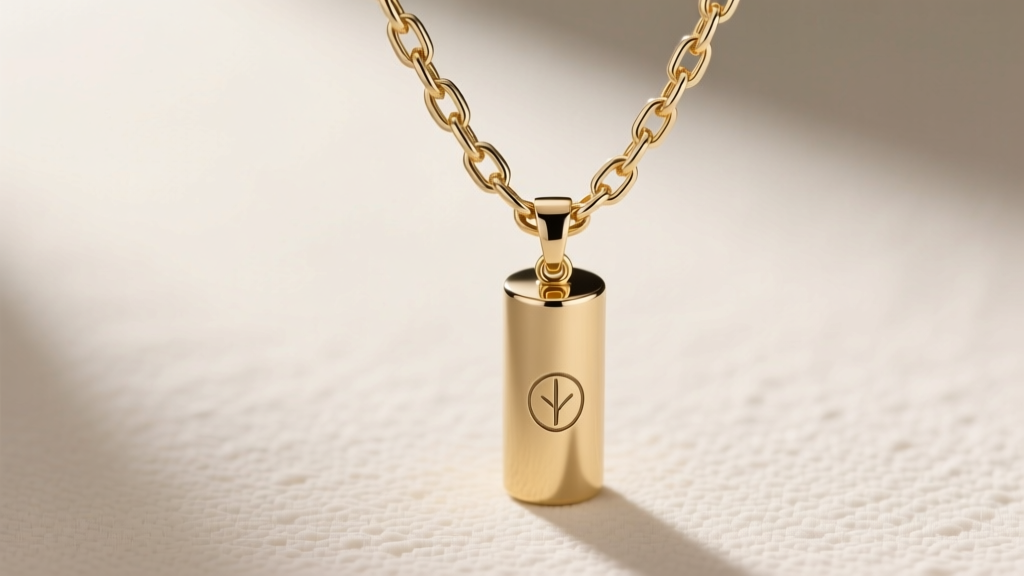
Properly filling the necklace requires a controlled environment and the right tools. Do not attempt to fill the pendant over a carpet or a porous surface.
- Prepare the Workspace: Lay down a piece of black slate, dark glass, or a silicone jewelry mat. The dark, non-porous surface makes it easy to spot and recover any stray particles.
- Use a Micro-Funnel: Most high-quality necklaces come with a precision-cut paper or plastic micro-funnel. If not, roll a piece of stiff, dark paper into a tight cone.
- Transfer the Ashes: Use the provided micro-spatula (or a clean, dry wooden toothpick) to gently guide the ashes into the funnel. Tap the side of the pendant lightly to settle the particulate.
- Clean the Threads: Before sealing, use a soft, dry brush to sweep away any ash dust from the internal threading. Even a single grain of bone fragment in the threads can prevent the O-ring from seating correctly.
- Apply the Sealant: If you desire a permanent seal, apply a microscopic dot of two-part jeweler’s epoxy to the metal threads only. Avoid getting adhesive on the silicone O-ring, as certain chemicals can cause the rubber to swell or degrade over time.
Travel, TSA Regulations, and Daily Care
Traveling with a crematorium necklace requires awareness of airport security protocols. The TSA permits cremated remains in both carry-on and checked luggage, but they strongly advise keeping them in your carry-on to prevent loss or mishandling. Furthermore, the container must be scannable by X-ray. Dense metals like solid gold or thick 316L steel may appear as opaque, organic anomalies on an X-ray scanner, which will likely prompt a secondary screening. The TSA agent will respectfully swab the outside of the pendant for explosive trace detection, but they will never open the vessel.
Daily Maintenance: If your pendant uses a threaded O-ring seal, treat the O-ring as a wearable component. Silicone degrades over years of exposure to sweat, perfumes, and UV light. Every 12 to 18 months, carefully unscrew the cap, remove the old O-ring with a wooden toothpick, and replace it with a new one (widely available from jewelry supply stores or specialized memorial vendors). Wipe the exterior of the metal with a microfiber cloth, avoiding harsh chemical dips or ultrasonic cleaners, which can vibrate the screw cap loose or degrade the sealant.
By prioritizing structural engineering, metallurgical stability, and secure chain mechanics, you ensure that your crematorium necklace remains a safe, enduring, and beautiful tribute for decades to come.


