The Ultimate Cross and Pearl Necklace Gift Guide (2026)
Find the perfect cross and pearl necklace for any occasion. Our 2026 gift guide covers pearl grades, precious metals, and styling tips.

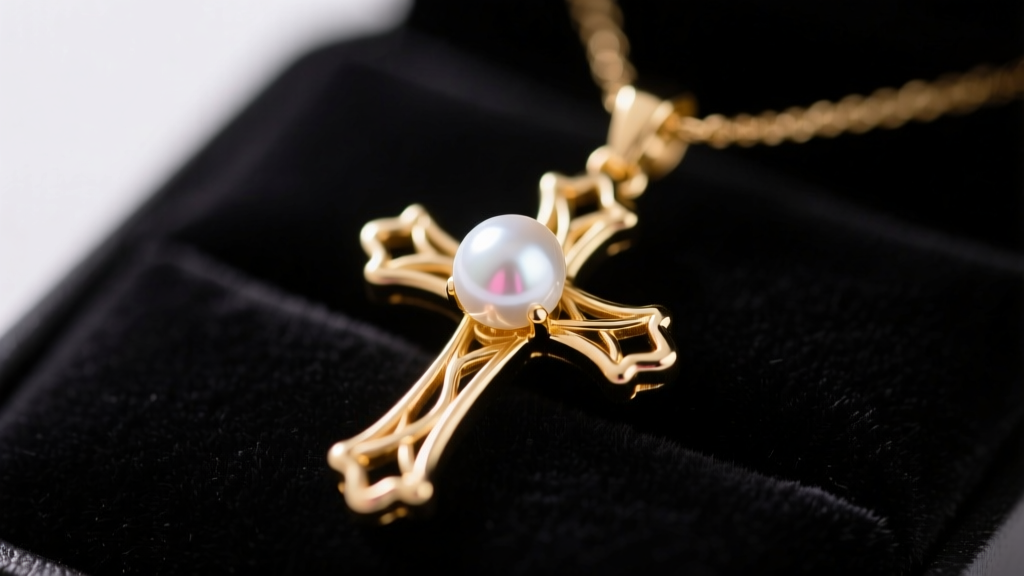
The Enduring Appeal of the Cross and Pearl Necklace
Few jewelry designs carry the profound symbolic weight and timeless elegance of a cross and pearl necklace. Blending the spiritual or traditional significance of the cross with the organic, luminous beauty of a pearl, this pendant style transcends fleeting trends. As we navigate the 2026 gifting season, buyers are increasingly moving away from mass-produced, generic jewelry in favor of pieces that offer both emotional resonance and verifiable material quality. Whether you are shopping for a First Communion, a milestone anniversary, or a meaningful birthday present, understanding the nuances of pearl grading, metal durability, and chain mechanics is essential to selecting a gift that will endure for generations.
Decoding Pearl Grades: What to Look for When Gifting
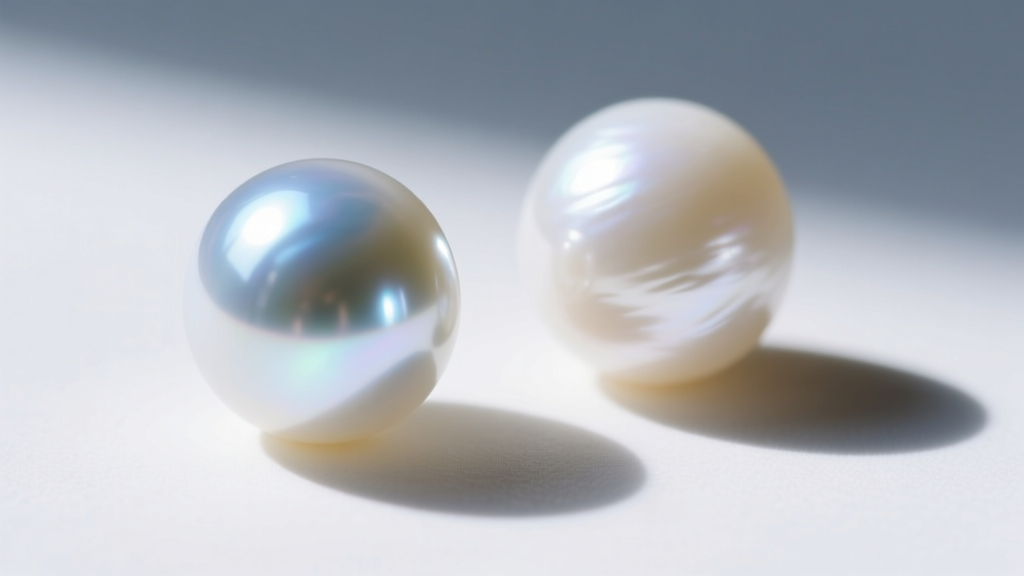
The pearl is the focal point of this necklace style, and its quality dictates both the aesthetic impact and the price point. Unlike diamonds, pearls are organic gemstones, and their value is determined by luster, surface cleanliness, shape, and nacre thickness. According to the Gemological Institute of America (GIA), luster is the most critical quality factor—the sharper and more intense the reflection on the pearl's surface, the higher its grade.
Akoya vs. Freshwater: The Great Debate
For a classic cross and pearl necklace, you will primarily encounter two pearl types:
- Akoya Pearls: Cultivated in saltwater, Akoyas are renowned for their mirror-like luster and perfectly round shapes. They typically range from 6.0mm to 8.5mm. If a retailer advertises a 10mm Akoya pearl, be highly skeptical, as true Akoyas rarely exceed 9.5mm. Look for the 'Hanadama' certification for the absolute highest grade of Akoya, which guarantees a minimum nacre thickness of 0.4mm.
- Freshwater Pearls: Grown in mussels, these pearls are composed of solid nacre, making them highly durable and resistant to chipping. While historically less lustrous than Akoyas, modern 'Edison' freshwater pearls (often bead-nucleated) now rival saltwater varieties in roundness and shine, offering a budget-friendly alternative without sacrificing beauty.
Metal Matters: Choosing the Right Chain and Cross Setting
The metalwork of a cross and pearl necklace must balance aesthetic warmth with structural integrity. The cross pendant itself should be cast or stamped from a solid precious metal, and the chain must be robust enough to hold the pendant without kinking. Avoid box chains for pearl pendants; their sharp interior edges can abrade the pearl's drill hole over time. Instead, opt for a seamless rope chain or a classic cable chain with a reinforced, smooth bail.
| Metal Type | Durability & Scratch Resistance | Tarnish Resistance | Avg. Price Range (Pendant + 18" Chain) |
|---|---|---|---|
| Sterling Silver (925) | Moderate (prone to scratching) | Low (requires rhodium plating) | $60 - $150 |
| 14k Yellow/White Gold | High (ideal for daily wear) | High (will not tarnish) | $250 - $600 |
| 18k Yellow/Rose Gold | Moderate (softer, richer color) | High | $450 - $950 |
| Platinum (950) | Exceptional (heavy, develops patina) | Complete immunity | $1,200 - $2,500+ |
Occasion Matching: Which Style Fits Your Recipient?
Matching the specific design of the cross and pearl necklace to the recipient's milestone ensures the gift feels deeply personal rather than generic.
First Communion and Confirmation
For young recipients, modesty and durability are key. A 16-inch sterling silver or 14k white gold cable chain featuring a small, minimalist cross (approximately 10mm x 15mm) accented with a single 5.0mm to 6.0mm round freshwater pearl is appropriate. The smaller pearl size suits a younger neckline, and the 14k gold ensures the piece survives the active lifestyle of a child or teenager without bending.
Graduation and Milestone Birthdays (18th, 21st, 30th)
Marking the transition into adulthood calls for a sophisticated upgrade. Opt for an 18-inch 14k or 18k gold rope chain supporting a slightly larger, diamond-accented cross pendant. The focal point should be a high-luster 7.0mm to 7.5mm Akoya pearl. This size sits elegantly on the collarbone and transitions seamlessly from professional office wear to evening attire.
Anniversaries and Mother’s Day
For mature recipients or significant romantic milestones, luxury is the priority. Seek out platinum or 18k rose gold settings. Rose gold provides a stunning, warm contrast to the cool overtones of a white pearl. Consider a 'station' style necklace where the cross is flanked by two or three graduated pearls, or a pendant featuring a rare 9.0mm+ white South Sea pearl, known for its satiny, luxurious luster and substantial physical presence.
Sizing and Proportions: Getting the Drop Length Right
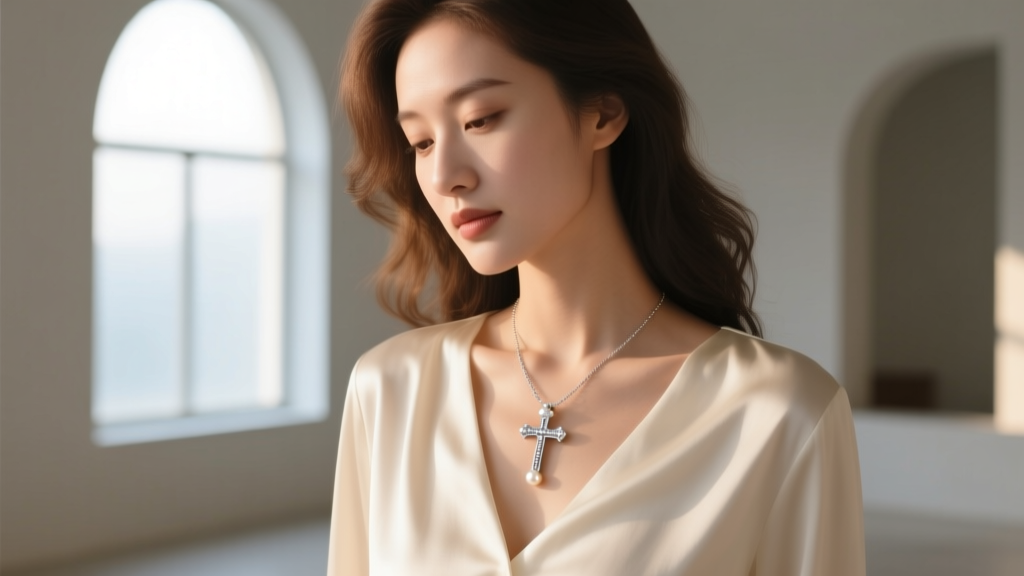
A common gifting mistake is selecting the wrong chain length, which drastically alters how the cross and pearl pendant interacts with the wearer's neckline and wardrobe.
- 16 Inches (Choker/Collar): Sits tightly at the base of the neck. Best for young girls or for wearing with open, scooped necklines. Not recommended for thick crosses, as they can look cramped.
- 18 Inches (Princess): The universal standard for women's jewelry. The pendant will rest right on the collarbone, making it visible above most t-shirts, blouses, and crewneck sweaters. If you are unsure of the recipient's preference, 18 inches is the safest choice.
- 20 to 22 Inches (Matinee): Drops below the collarbone and onto the upper chest. Ideal for layering over turtlenecks, dresses, or business attire. This length works best with larger, heavier crosses and pearls (8.0mm and above) to ensure the pendant doesn't get lost against the fabric.
Care and Maintenance: Ensuring the Gift Lasts
Gifting a pearl necklace comes with the responsibility of educating the recipient on proper care. Pearls are exceptionally soft, ranking only 2.5 to 3.0 on the Mohs hardness scale. They are highly susceptible to damage from everyday chemicals. The Jewelers of America strongly advises the 'last on, first off' rule: pearls should be the last thing put on after applying perfume, hairspray, and cosmetics, and the first thing removed upon returning home.
Never clean a cross and pearl necklace in an ultrasonic cleaner or with commercial silver dips. The high-frequency vibrations can shatter the pearl's nacre layers, and the harsh chemicals will strip the pearl of its natural orient and luster. Instead, wipe the pearl gently with a damp, lint-free microfiber cloth after each wear to remove body oils and acids. Store the necklace flat in a soft pouch; hanging it for long periods can stretch the silk or synthetic thread if the necklace is knotted, or cause the chain links to warp under the pendant's weight.
Final Thoughts on Gifting Timeless Faith and Elegance
A cross and pearl necklace is more than just an accessory; it is a tangible representation of faith, purity, and enduring love. By paying close attention to the GIA grading factors, selecting a chain metal that matches the recipient's lifestyle, and sizing the pendant appropriately for the occasion, you elevate your gift from a simple purchase to a cherished heirloom. In 2026, as consumers continue to value meaning and material transparency over fast fashion, taking the time to source a high-quality, ethically cultured pearl set in solid precious metals guarantees a gift that will be treasured for a lifetime.


