Cross With Beads Necklace Buying Guide: What to Look For
Discover how to choose the perfect cross with beads necklace. Learn about bead materials, stringing durability, clasp types, and pricing in our expert guide.

The Anatomy of a Cross With Beads Necklace
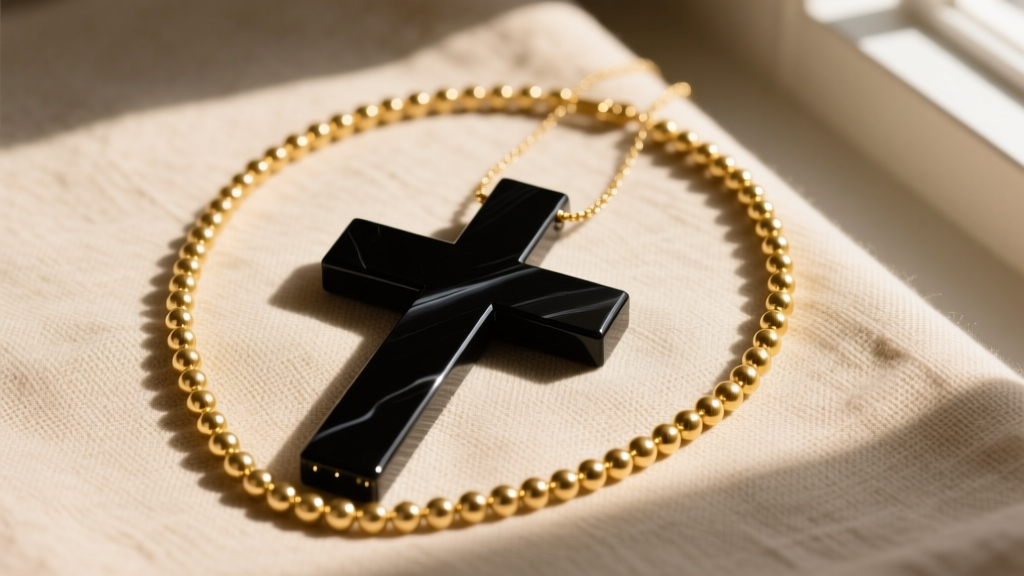
A cross with beads necklace bridges the gap between traditional devotional jewelry and contemporary gemstone fashion. Unlike standard chain necklaces that rely entirely on metal links, beaded cross necklaces utilize a strand of natural stones, glass, or organic materials to suspend a central crucifix or station cross. This design creates a rich, textured aesthetic that catches the light differently than polished metal alone.
However, the introduction of beads fundamentally changes the structural integrity of the necklace. While a solid 14k gold rope chain can withstand decades of daily wear and heavy pendants, a beaded strand introduces multiple points of potential failure: the drill holes, the stringing medium, and the crimp connections. When shopping for a cross with beads necklace, understanding the mechanics of how these pieces are assembled is the difference between buying an heirloom and buying disposable fast fashion.
Bead Material Breakdown: Hardness and Wearability
The most common mistake buyers make is ignoring the Mohs hardness scale when selecting gemstone beads. Softer stones are prone to scratching, chipping at the drill hole, and degrading when they rub against metal spacer beads or the cross pendant itself. According to the Gemological Institute of America (GIA), understanding a stone's hardness is critical for predicting its lifespan in daily-wear jewelry.
| Bead Material | Mohs Hardness | Structural Risk | Typical Price Range |
|---|---|---|---|
| Black Onyx / Agate | 6.5 - 7 | Low (Excellent for daily wear) | $45 - $150 |
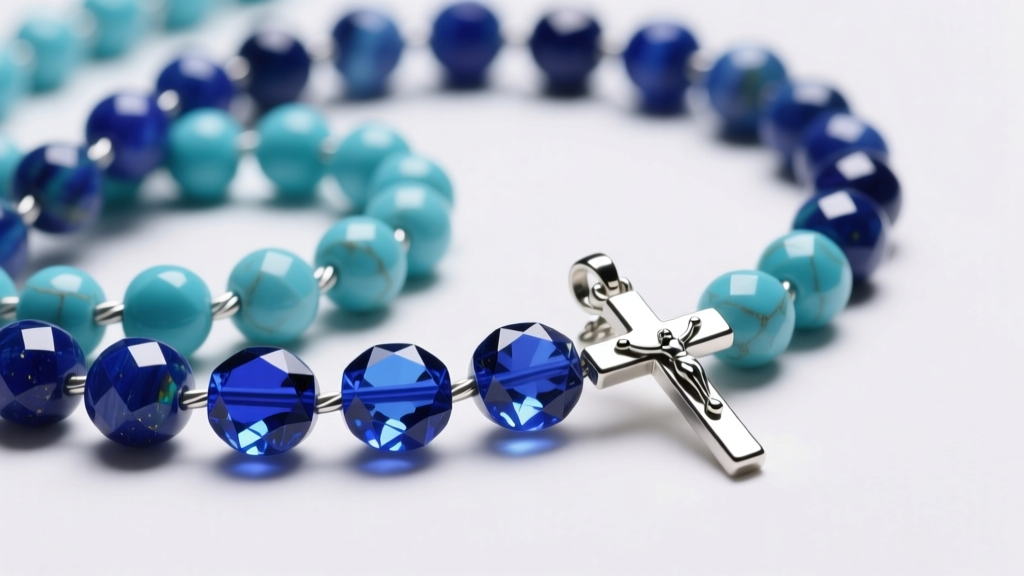
| Turquoise / Lapis | 5 - 6 | High (Prone to chipping at drill holes) | $80 - $250 |
| Rose Quartz | 7 | Low (Durable, but can fade in direct sun) | $35 - $120 |
| Sandalwood / Olive Wood | N/A (Organic) | Medium (Susceptible to moisture and oils) | $20 - $75 |
| Swarovski Crystal | 6 - 7 | Low (Highly durable, precise drill holes) | $60 - $180 |
Expert Tip: If you are buying a necklace with turquoise or lapis lazuli beads, inspect the drill holes. High-end jewelers will use tiny nylon or Teflon washers between the stone bead and any metal spacer to prevent the metal from slowly reaming out the softer stone over time.
Stringing Mechanics: Wire Gauge and Chain Links
How the beads are held together is the most critical factor in the longevity of your cross with beads necklace. There are two primary construction methods used in modern jewelry making, and they offer vastly different levels of durability.
1. Continuous Strand (Beading Wire)
In this method, beads are strung onto a flexible, nylon-coated stainless steel wire. This is the most common technique for gemstone bead necklaces. The durability depends entirely on the wire gauge and the number of micro-strands twisted inside the nylon coating.
- 0.014-inch (Fine): Composed of 7 to 19 micro-strands. Too fragile for heavy cross pendants or abrasive stones. Avoid for daily wear.
- 0.019-inch (Medium): The industry standard, usually featuring 49 micro-strands. It offers the perfect balance of drape and tensile strength for 4mm to 8mm gemstone beads supporting a medium-sized cross pendant.
- 0.024-inch (Heavy): Used for large, heavy beads or highly abrasive stones. It is incredibly strong but lacks a fluid drape, making the necklace feel somewhat stiff.
For a comprehensive look at stringing specifications, the Fire Mountain Gems Beading Wire Guide remains an essential resource for understanding tensile strength and strand counts.
2. Chain-Linked (Rosary Style)
Instead of a continuous wire, each bead is fitted with a metal headpin that is wrapped into a loop, connecting directly to the next bead via a jump ring or chain link. This method is exceptionally durable because there is no continuous wire to snap. If one link fails, you lose a single connection, not the entire strand. However, it is significantly more labor-intensive and therefore more expensive.
The Weak Point: Crimp Beads and Clasps
The terminal ends of a continuous strand necklace are secured using crimp beads—tiny metal tubes that are crushed onto the wire to hold the clasp in place. This is where 90% of beaded necklaces fail.
When evaluating a cross with beads necklace, look for the following hardware standards:
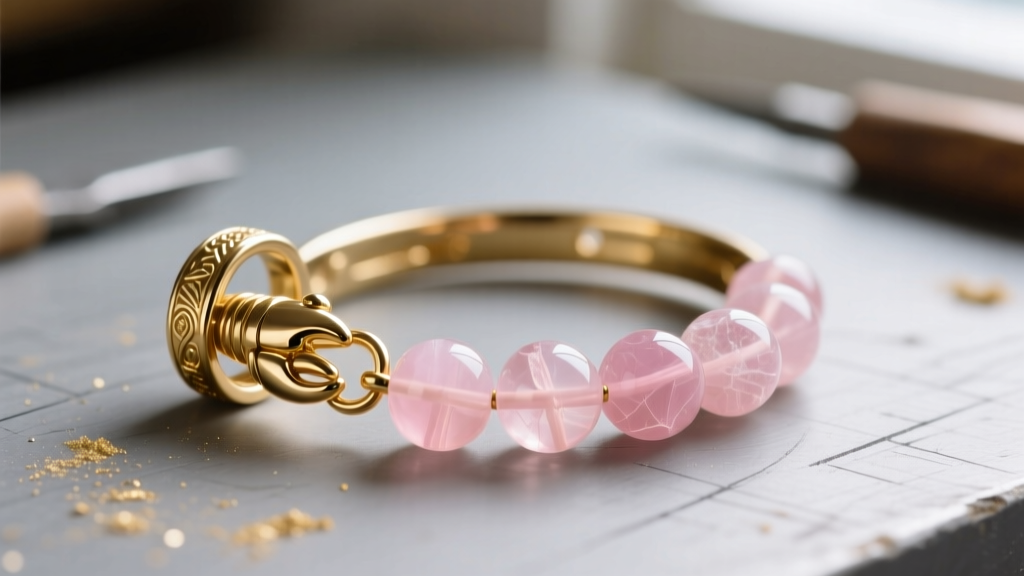
- Crimp Covers: High-quality pieces will use a 'crimp cover'—a hollow metal bead that closes over the crushed crimp tube, protecting it from snagging on clothing and hair while mimicking the look of a seamless metal bead.
- Wire Guards (French Wire): The wire should pass through a U-shaped metal guard at the clasp connection. This prevents the sharp edge of the clasp jump ring from sawing through the nylon coating of the beading wire over time.
- Clasp Type: Always opt for a lobster claw clasp or a magnetic safety clasp. Spring ring clasps are notoriously weak and frequently fail under the dynamic weight of swinging gemstone beads and a metal cross pendant.
Sizing and Proportions: Matching the Cross to the Beads
Aesthetic harmony in a beaded cross necklace relies heavily on the proportional relationship between the bead diameter and the dimensions of the cross pendant. A mismatched ratio can make the piece look either top-heavy or visually lost.
The Golden Ratio of Beaded Pendants: The height of the cross pendant should be roughly 3 to 4 times the diameter of the individual beads. For example, a strand of 6mm onyx beads pairs perfectly with a cross pendant measuring 18mm to 24mm in height.
If you prefer a subtle, minimalist look, opt for 2mm to 3mm seed beads or faceted crystal rondelles paired with a delicate 10mm cross. For a bold, statement piece, 8mm to 10mm matte gemstone beads can easily support a substantial 35mm to 40mm oxidized silver or solid gold crucifix.
Pricing Tiers: What to Expect in the Current Market
Understanding the pricing landscape helps you identify genuine value and avoid overpaying for poorly constructed pieces. Here is what you can expect to pay for a quality cross with beads necklace today:
- Budget Tier ($25 - $60): Typically features glass beads, dyed howlite, or porous organic woods. Stringing is usually done with basic elastic or cheap 7-strand wire. Clasps are often base-metal spring rings. Suitable for occasional wear, but expect a 1-to-2-year lifespan.
- Mid-Range Tier ($80 - $250): The sweet spot for quality. Features genuine, untreated gemstones (like natural black onyx or amethyst), strung on 49-strand 0.019-inch beading wire. Hardware is usually sterling silver or gold vermeil, featuring proper crimp covers and lobster clasps.
- Luxury Tier ($300 - $800+): Features premium, gem-grade stones with precise calibration. Construction shifts to chain-linked (rosary style) or high-end continuous strands with 14k solid gold wire guards and clasps. The cross pendant is solid gold or platinum, often featuring micro-pave diamonds or intricate enamel work.
Final Pre-Purchase Checklist
Before adding a cross with beads necklace to your cart, run it through this quick structural audit:
- Is the beading wire at least 0.019 inches thick (or is it chain-linked)?
- Does the clasp feature a wire guard to protect the stringing medium?
- Are the gemstone beads appropriate for daily wear (Mohs 6.5 or higher)?
- Is the cross pendant proportionally sized to the bead diameter?
- Are the crimp beads finished with metal crimp covers?
By prioritizing structural integrity and material science over fleeting trends, you will secure a cross with beads necklace that not only elevates your personal style but withstands the rigors of daily wear for years to come.


