Is a Cross Necklace With Lord's Prayer Inside Worth the Price?
We assess the true value of a cross necklace with Lord's Prayer inside, comparing base metals, sterling silver, and solid gold pricing and longevity.

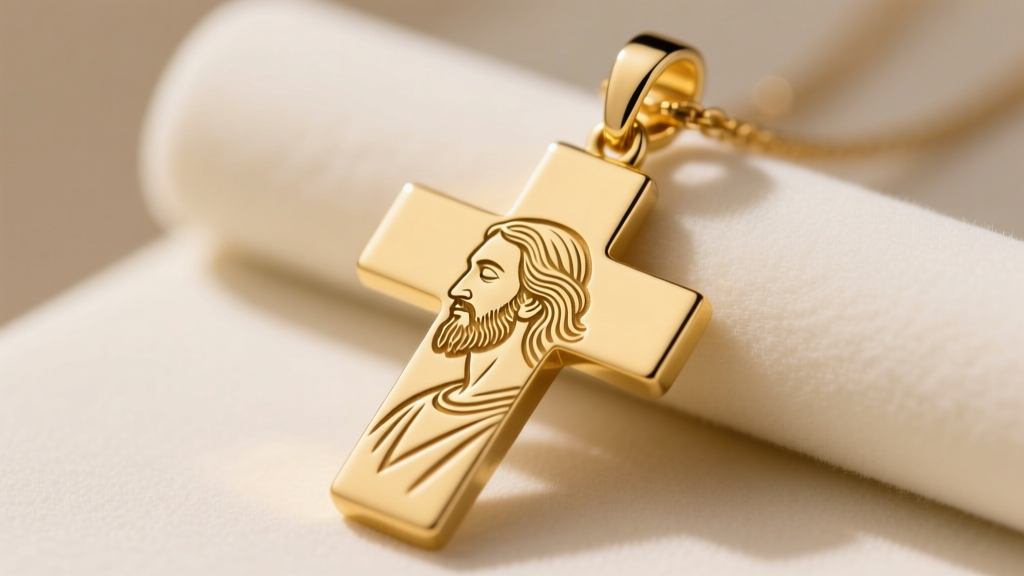
The sentimental value of a cross necklace with Lord's Prayer inside is immeasurable, often serving as a profound expression of faith, a baptism gift, or a memorial keepsake. However, the jewelry market is heavily saturated with poorly constructed pieces that fail to match their spiritual significance with physical durability. As of 2026, fluctuating precious metal markets have widened the gap between cheap novelty items and genuine heirloom-quality lockets. This guide provides a rigorous budget and value assessment, breaking down metallurgy, hinge mechanics, and engraving longevity to help you determine what a prayer cross pendant is actually worth.
The Anatomy of a Prayer Cross Pendant
Before assessing price, it is crucial to understand the two primary structural designs used to conceal the prayer inside a cross pendant. The construction method heavily dictates the manufacturing cost and, consequently, the retail price.
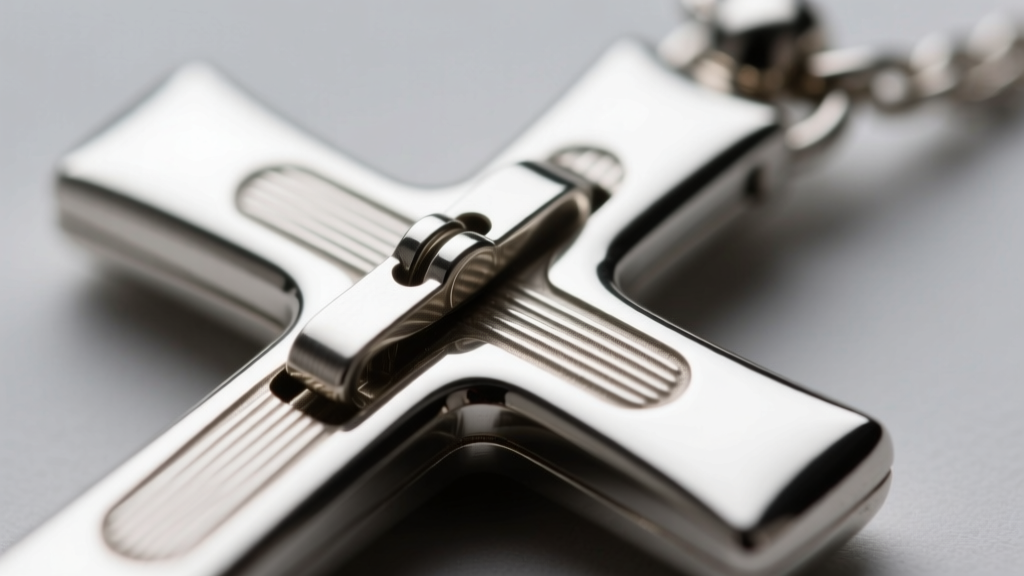
- The Hinged Locket Cross: This design features a flat or slightly domed cross that splits vertically or horizontally, connected by a microscopic hinge pin. The prayer is laser-engraved or stamped onto the interior flat surfaces. This requires precise casting and micro-machining, making it more expensive to produce.
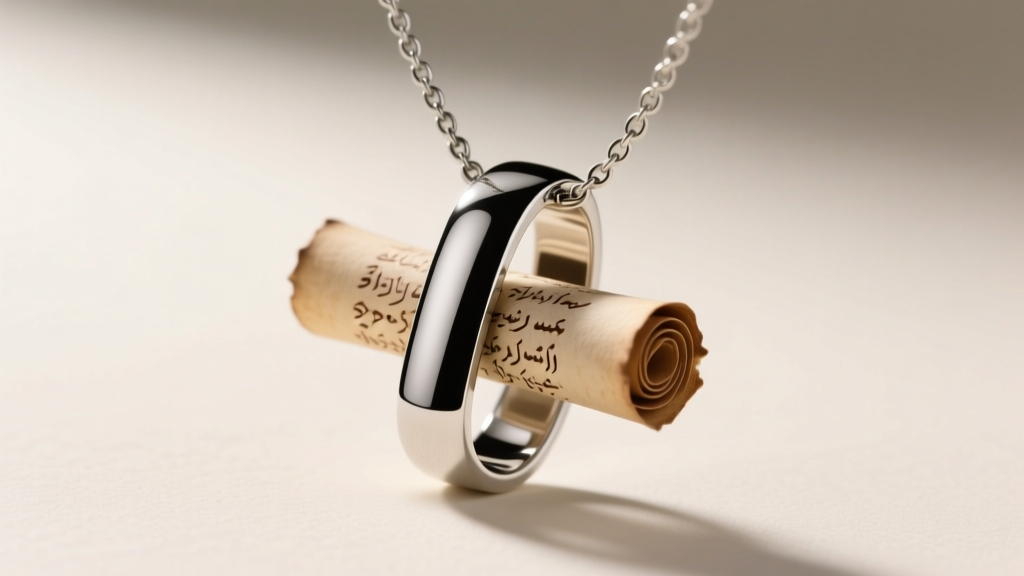
- The Hollow Tube Scroll Cross: A three-dimensional, hollow cross where the bottom or top unscrews or pulls off. The prayer is printed or engraved on a tiny piece of parchment or metal scroll rolled inside the tube. While visually striking, the internal scroll is prone to moisture damage and paper degradation over time.
Budget Tier Breakdown: What Your Money Actually Buys
When shopping for a cross necklace with Lord's Prayer inside, you will generally encounter three distinct price tiers. Understanding the material science behind each tier is essential for evaluating true value.
The $15–$35 Trap: Zinc Alloys and Flash Plating
Pendants in this range are typically cast from Zamak (a zinc alloy) or brass and finished with "flash plating"—a microscopic layer of gold or silver color measuring less than 0.1 microns. According to the FTC Jewelry Guides, these pieces cannot be legally marketed as solid precious metals, yet deceptive listings often use terms like "gold-toned" to confuse buyers. The primary failure mode in this tier is the hinge mechanism. Manufacturers often use 0.5mm brass hinge pins that easily bend or snap under the torque of daily opening and closing. Furthermore, the interior prayer is usually a cheap paper insert or a shallow chemical etch that fades within months of friction.
The $50–$140 Sweet Spot: Sterling Silver and Vermeil
This tier offers the highest value-to-cost ratio for most buyers. A genuine 925 sterling silver locket cross provides excellent durability, provided it is properly hallmarked. The Edinburgh Assay Office notes that a proper hallmark guarantees the metal's purity, protecting consumers from silver-plated base metals. In this price range, you should expect a sturdy 0.9mm stainless steel hinge pin and a secure lobster clasp on the chain. The interior prayer is typically deep-laser engraved directly into the silver, ensuring the text will never rub off. If opting for gold vermeil (silver plated with at least 2.5 microns of gold), ensure the interior is also plated to prevent the silver from oxidizing and seizing the hinge.
The $300+ Investment: Solid 10k and 14k Gold
With gold spot prices remaining elevated in 2026, solid gold prayer crosses are strictly in the luxury and heirloom category. A 10k gold cross offers superior hardness, making it ideal for the delicate hinge mechanics and bail loops, which require structural rigidity to prevent warping. A 14k gold piece offers a richer color but is slightly softer. At this price point, the value lies in the generational longevity of the piece. Solid gold will not tarnish, meaning the hinge will remain smooth for decades, and the laser-engraved prayer will remain pristine. However, buyers must be wary of "hollowed-out" 14k gold lockets, which are prone to denting if dropped on a hard surface.
Engraving Techniques: Laser vs. Diamond Drag
The method used to inscribe the Lord's Prayer inside the cross drastically affects the pendant's long-term readability and value.
- Fiber Laser Engraving (1064nm): The industry standard for high-quality silver and gold. The laser anneals the metal, creating a permanent, high-contrast dark mark without removing significant material. This is the most durable method and should be expected in any pendant over $60.
- Diamond Drag Engraving: A physical diamond tip scratches the surface of the metal. While it offers a beautiful, traditional shimmer, it is shallower than laser engraving. If placed on an interior surface that experiences friction when the locket closes, diamond drag text can slowly wear away over a decade of use.
- Chemical Etching: Common in budget tiers. Acid eats away the unmasked metal. It lacks depth and precision, often resulting in blurred micro-text that is incredibly difficult to read without magnification.
Value Assessment Matrix
Use this matrix to evaluate if a specific cross necklace with Lord's Prayer inside is priced fairly based on its manufacturing specifications.
| Price Range | Base Material | Hinge Pin Spec | Engraving Method | Expected Lifespan | Value Verdict |
|---|---|---|---|---|---|
| $15 - $35 | Zamak / Brass | 0.5mm Brass | Chemical Etch / Paper | 6 - 18 Months | Poor (Novelty Only) |
| $50 - $90 | 925 Sterling Silver | 0.9mm Steel | Fiber Laser | 10 - 20 Years | Excellent (Best Value) |
| $90 - $140 | Silver with Heavy Vermeil | 1.0mm Steel | Fiber Laser | 5 - 15 Years | Good (Watch for Plating Wear) |
| $300 - $600+ | Solid 10k / 14k Gold | 1.2mm Gold/Steel | Deep Fiber Laser | Lifetime / Heirloom | Superior (Investment Grade) |
Critical Flaws to Inspect Before Buying
Whether you are buying online or inspecting a piece in a brick-and-mortar jeweler, perform these physical and visual checks to ensure you are not overpaying for a defective design.
- The Bail Loop Thickness: The bail (the loop the chain passes through) is a high-stress point. On a hinged locket, the bail must be soldered shut and possess a wire thickness of at least 1.2mm. Pinched or unsoldered bails will eventually pull apart under the weight of a solid metal cross.
- Hinge Pin Flushness: Inspect the exterior of the hinge. The pin should be completely flush with the outer casing. If the pin protrudes even slightly, it will catch on clothing and eventually be pushed out, causing the locket to split open and potentially lose the interior scroll.
- The Safety Catch: High-value locket crosses should feature a secondary safety chain or a mechanical friction catch inside the lip of the locket. This ensures that if the primary clasp fails, the cross does not swing open and expose the sacred prayer to the public or drop the interior components.
- Text Legibility: The Lord's Prayer contains 65 words. Fitting this into a standard 1-inch cross requires micro-text. Request a macro photograph or use a jeweler's loupe to ensure the text is crisp. If the letters bleed together or lack contrast against the metal background, the engraving was rushed or poorly executed.
Verdict: Maximizing Your Budget in 2026
When evaluating a cross necklace with Lord's Prayer inside, the cheapest option is rarely the most economical. A $20 base-metal pendant that seizes up, tarnishes green, and loses its paper scroll within a year represents a total loss of capital and a heartbreaking loss of a sentimental item. For the vast majority of buyers, the $70 to $110 range for a solid 925 sterling silver hinged locket represents the absolute peak of value. It provides the structural integrity required for a micro-hinge, the permanence of fiber laser engraving, and the inherent material value of precious silver. If your budget allows for solid 10k or 14k gold, prioritize pieces with reinforced, soldered bails and thick, cast hinges to ensure the pendant survives to become a true family heirloom.


